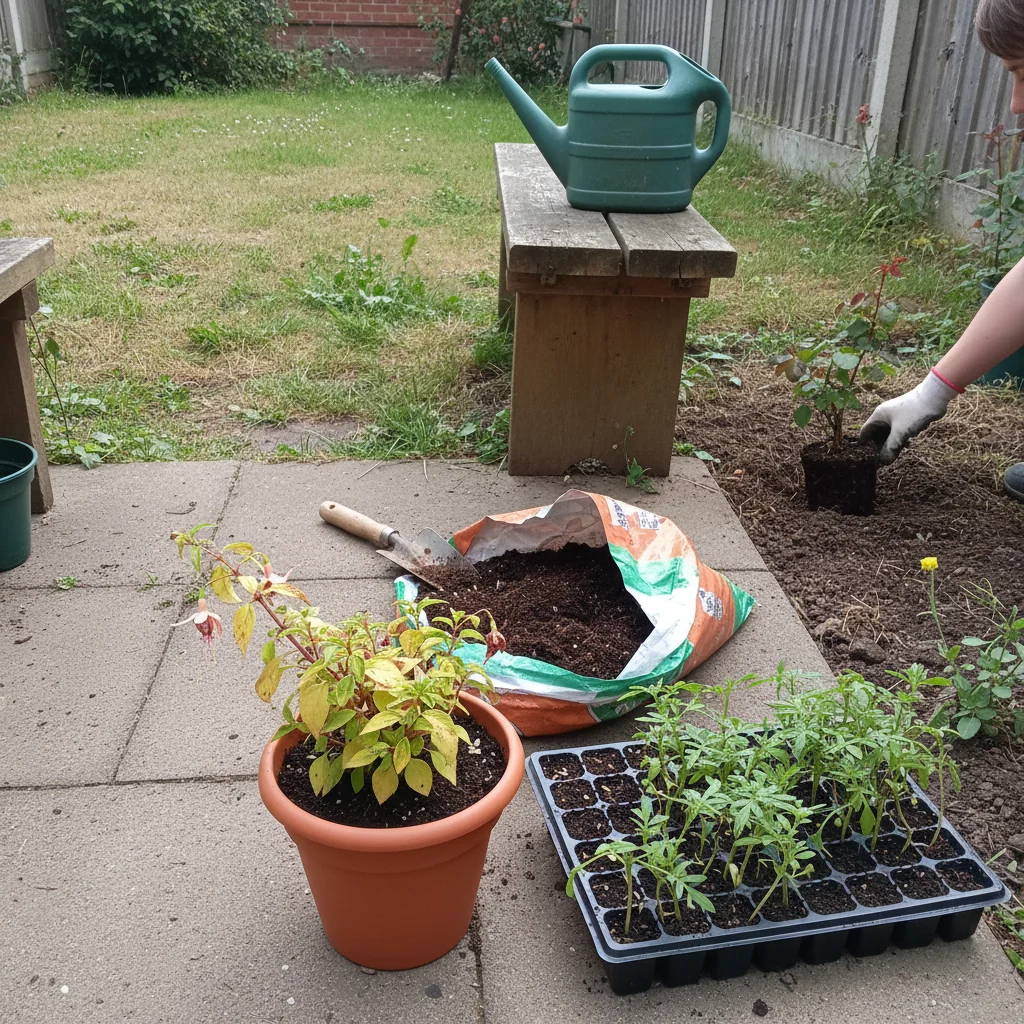
Starting a garden can feel daunting, especially if you're new to it. But don't worry! Gardening should be fun, and with a few pointers, you can avoid the common mistakes many beginners make. These tips are especially helpful for us here in the UK, where our weather can be… unpredictable.
Choosing the Wrong Plants
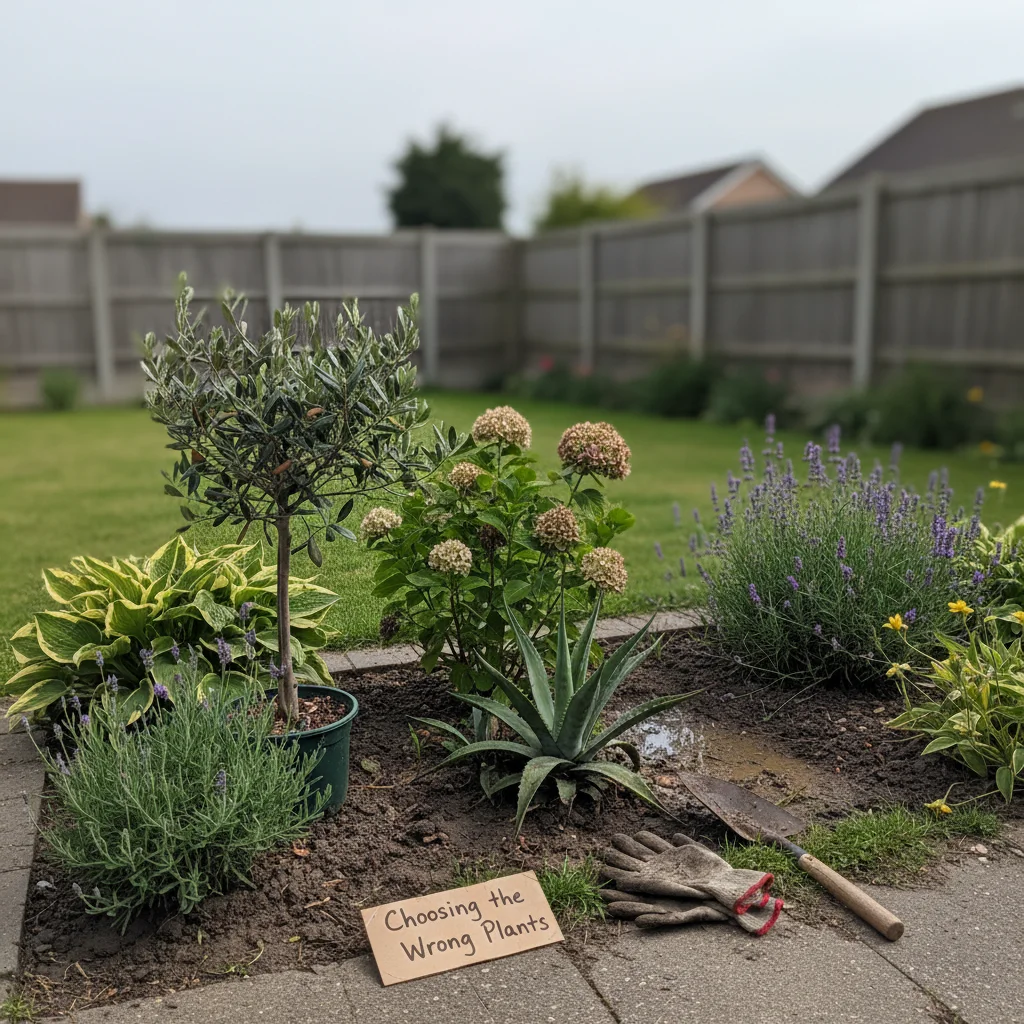
It’s tempting to fill your garden with everything that catches your eye at the garden centre, but choosing the right plants for your space and soil is crucial. Not all plants thrive in all conditions.
Before you buy, consider:
- Sunlight: How much sun does your garden get? Some plants need full sun (6+ hours a day), while others prefer shade.
- Soil type: Is your soil sandy, clayey, or loamy? You can improve your soil, but choosing plants that naturally suit it will make your life easier.
- Space: How big will the plant get? Don't plant a tree that will eventually overshadow your entire garden.
Next step? Take some time to observe your garden at different times of the day. Note where the sun shines and what kind of soil you have. This information will guide your plant choices.
Ignoring Your Soil
Healthy soil is the foundation of a thriving garden. Neglecting it is a common mistake.
Many beginners assume that the soil in their garden is ready to go, but it often needs some help. UK gardens can have very poor soil, especially in new builds. Compacted soil, lacking nutrients, or being overly acidic or alkaline are common problems.
Amend your soil with organic matter like compost or well-rotted manure. This improves drainage, adds nutrients, and helps retain moisture. You can also test your soil's pH level and adjust it if necessary.
Don't underestimate the power of good soil. It really is the secret ingredient to a successful garden.
Overwatering and Underwatering
Getting the watering right can be tricky, especially with the UK's variable weather. Overwatering can lead to root rot, while underwatering causes plants to wilt and die.
Here's the thing: there's no one-size-fits-all watering schedule.
Instead of watering on a set schedule, check the soil moisture. Stick your finger about an inch into the soil. If it feels dry, it's time to water. Water deeply and less frequently, rather than shallowly every day. Pay attention to the weather forecast and adjust your watering accordingly.
Planting at the Wrong Time
Planting too early or too late in the season can be disastrous. Each plant has its ideal planting time, and it's important to follow it.
In the UK, the last frost date is a key factor to consider. This is the date after which it's unlikely to have any more frosts. Planting tender plants before the last frost can kill them.
Check seed packets or plant labels for specific planting instructions. Generally, you can start sowing seeds indoors in early spring and transplant them outdoors after the last frost. Some plants, like garlic, are best planted in the autumn.
Overcrowding Plants
It's tempting to pack as many plants as possible into your garden, but overcrowding can lead to problems. Plants need space to grow and breathe.
Overcrowding can restrict airflow, making plants more susceptible to diseases. It can also lead to competition for resources like sunlight, water, and nutrients.
When planting, follow the spacing recommendations on seed packets or plant labels. It might seem like a lot of space at first, but your plants will thank you for it in the long run.
Neglecting to Weed
Weeds are the bane of every gardener's existence. They compete with your plants for resources and can quickly take over your garden.
Regular weeding is essential to keep your garden healthy. Pull weeds by hand or use a hoe to remove them. Mulching can also help suppress weed growth.
Don't let weeds get out of control. A little bit of weeding regularly is much easier than tackling a garden full of weeds.
Forgetting to Feed Your Plants
Just like us, plants need food to thrive. Feeding your plants with fertiliser provides them with the nutrients they need to grow strong and healthy.
There are many different types of fertilisers available, both organic and synthetic. Choose a fertiliser that is appropriate for the type of plants you are growing.
Follow the instructions on the fertiliser packaging carefully. Over-fertilising can be just as harmful as under-fertilising.
Ignoring Pests and Diseases
Pests and diseases can quickly ruin your garden. It's important to be vigilant and take action as soon as you notice a problem.
Check your plants regularly for signs of pests or diseases. Common pests in the UK include aphids, slugs, and snails. Common diseases include powdery mildew and blight.
There are many different ways to control pests and diseases, both organic and synthetic. Choose a method that is appropriate for the problem and the type of plants you are growing.
Not Planning Ahead
A little bit of planning can go a long way in the garden. Before you start planting, take some time to think about what you want to grow and how you want to arrange your garden.
Consider things like:
- What you want to grow: Vegetables, flowers, herbs?
- Your available space: How much space do you have to work with?
- Your budget: How much are you willing to spend on plants and supplies?
- Your time: How much time do you have to dedicate to gardening?
A well-thought-out plan will help you avoid mistakes and create a garden that you can enjoy for years to come.
Giving Up Too Soon
Gardening can be challenging, especially in the UK with our unpredictable weather. Don't get discouraged if you encounter setbacks.
Even experienced gardeners make mistakes. The key is to learn from your mistakes and keep trying.
Gardening is a journey, not a destination. Enjoy the process and celebrate your successes, no matter how small.
By avoiding these common gardening mistakes, you'll be well on your way to creating a thriving garden. So get out there, get your hands dirty, and enjoy the fruits (and vegetables, and flowers) of your labour. With a little knowledge and patience, you can have a beautiful and productive garden, no matter your experience level.