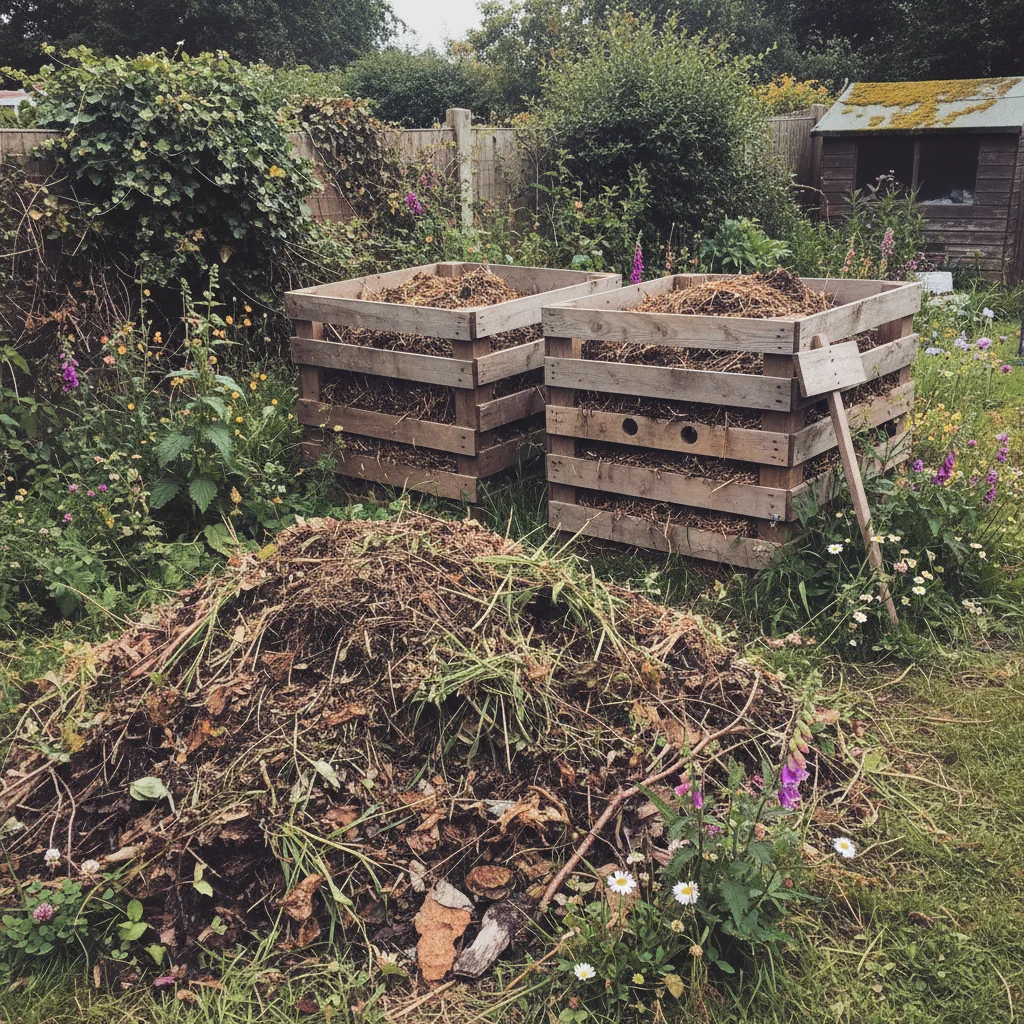
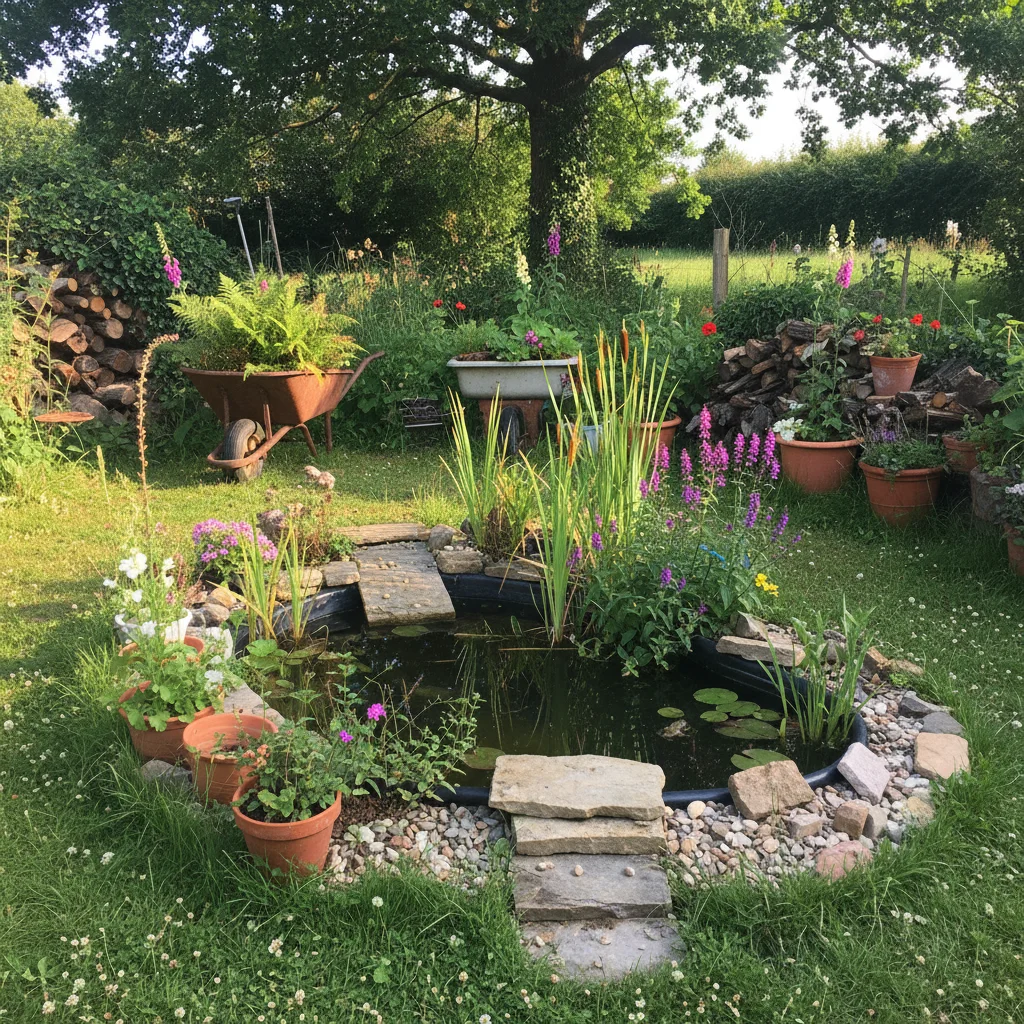
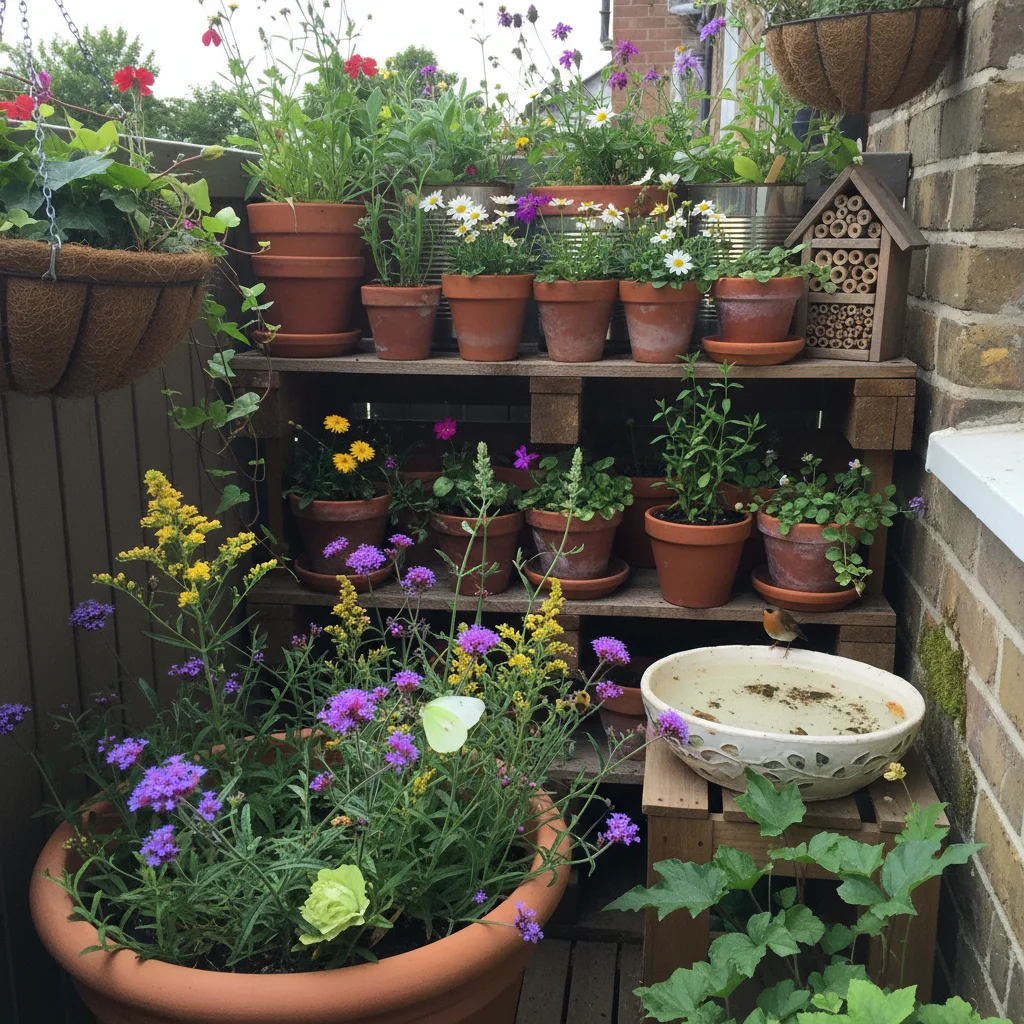
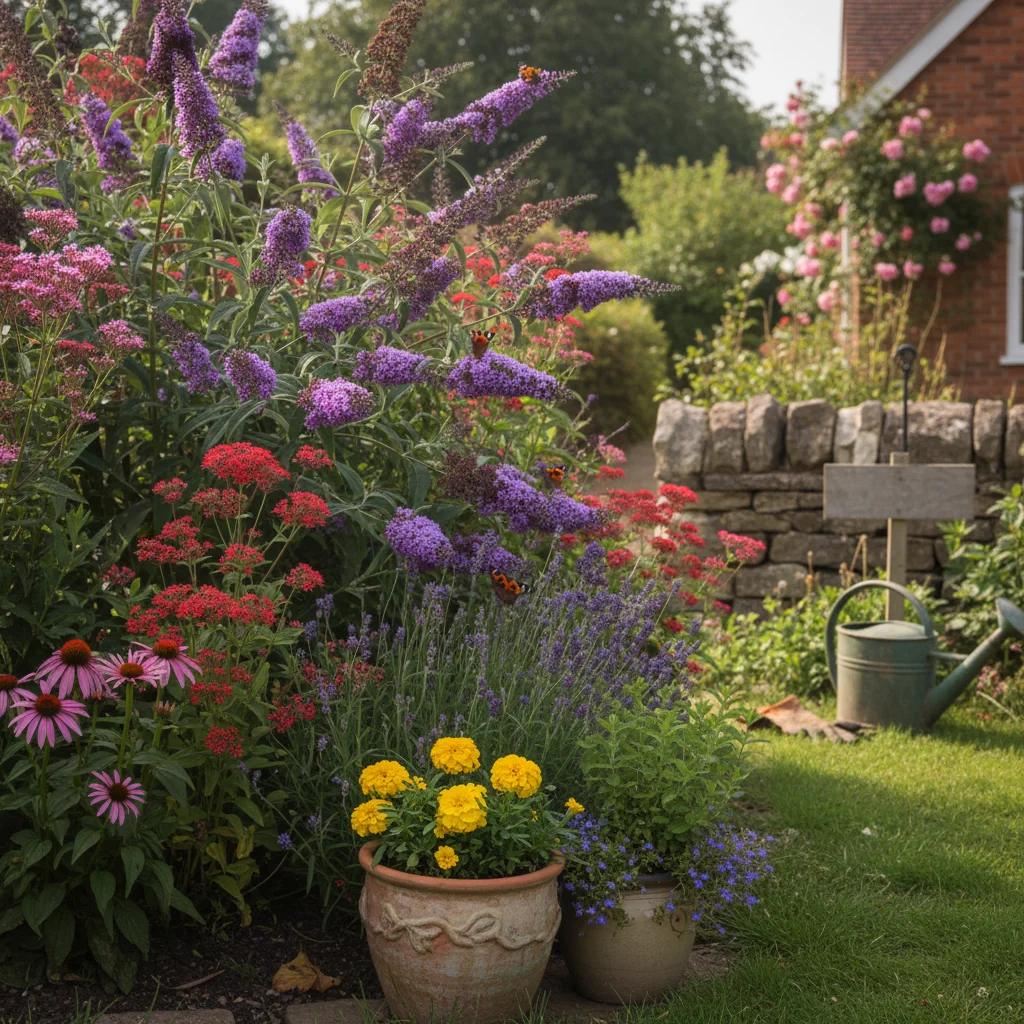
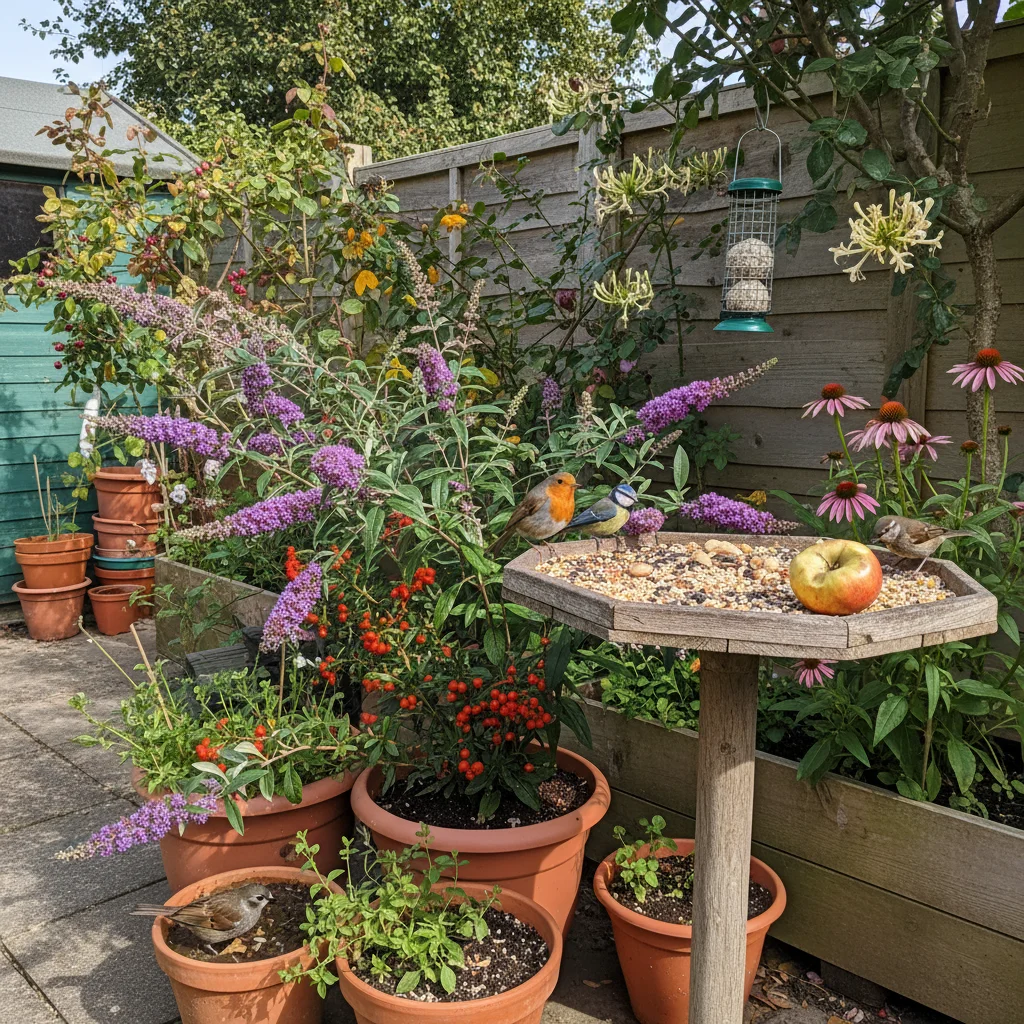
Wildlife gardening is often misunderstood as simply letting a garden "go to seed" or allowing weeds to take over. In reality, it is a thoughtful and rewarding approach to horticulture that balances our desire for a beautiful outdoor space with the needs of the natural world. In the UK, our private gardens cover an area larger than all of our National Nature Reserves combined. This means that every window box, suburban lawn, and rural plot forms a vital part of a massive, fragmented nature reserve. By making small, intentional changes, we can provide the essential corridors that allow our native species to thrive.
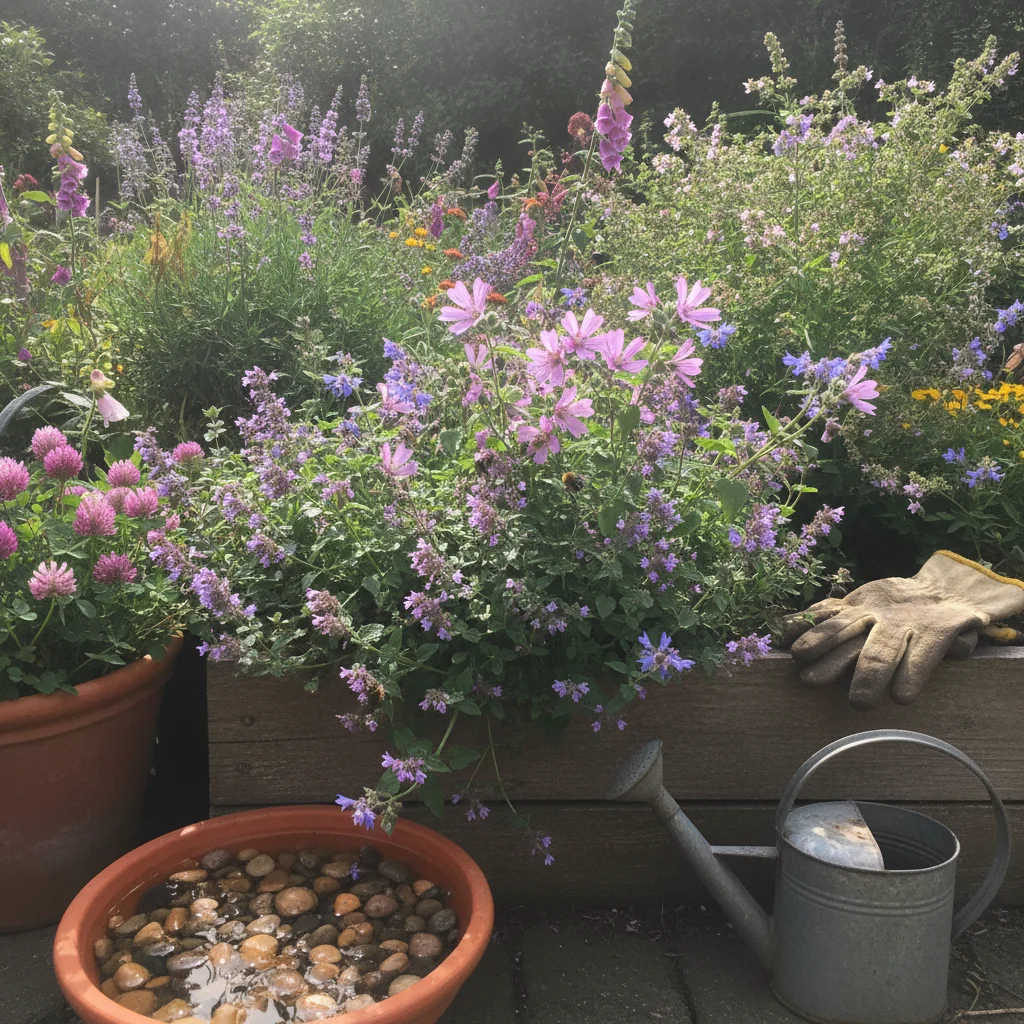
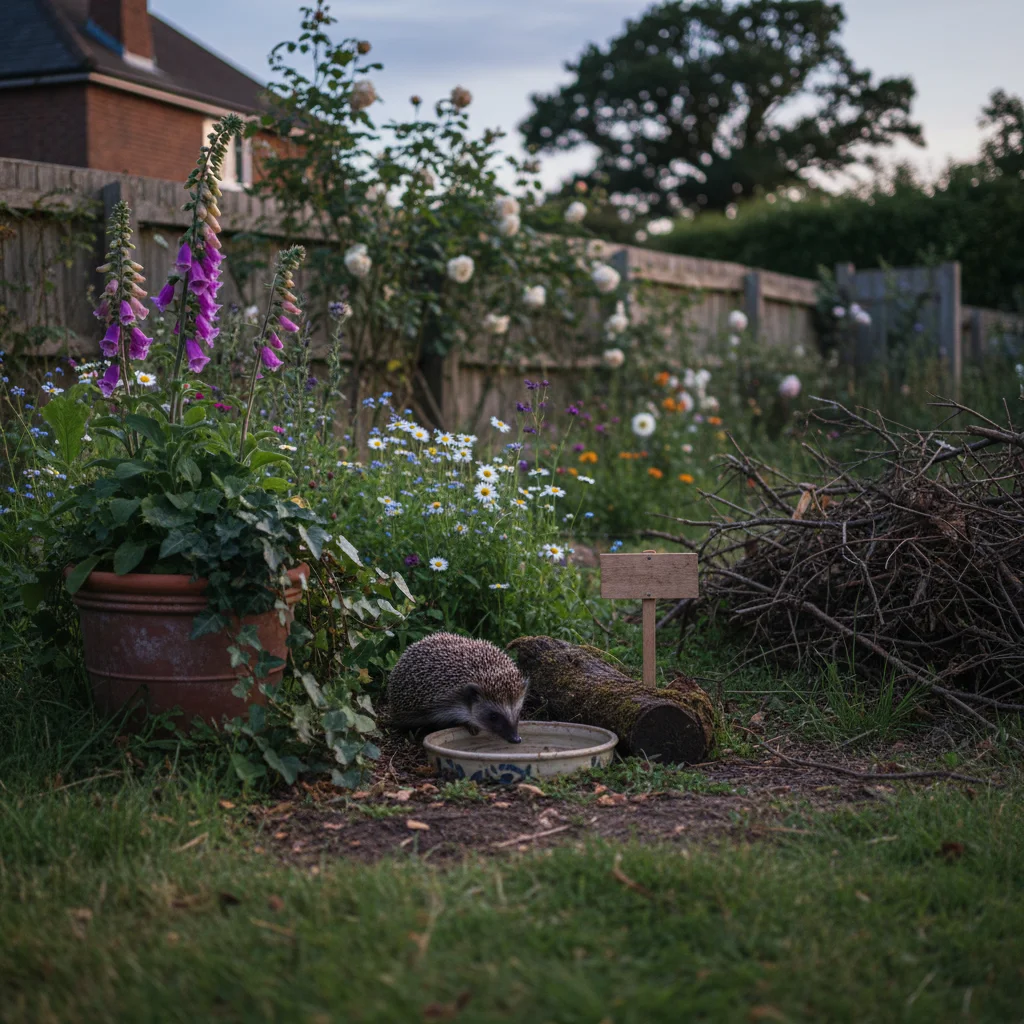
The beauty of wildlife gardening lies in its accessibility. You do not need a sprawling estate to make a difference; a single nectar-rich pot on a balcony or a small bowl of water can be a literal lifesaver for a passing pollinator or a thirsty bird. As we face significant declines in many of our best-loved British species, from hedgehogs to bumblebees, the role of the gardener has shifted. We are no longer just decorators of the landscape; we are its stewards.
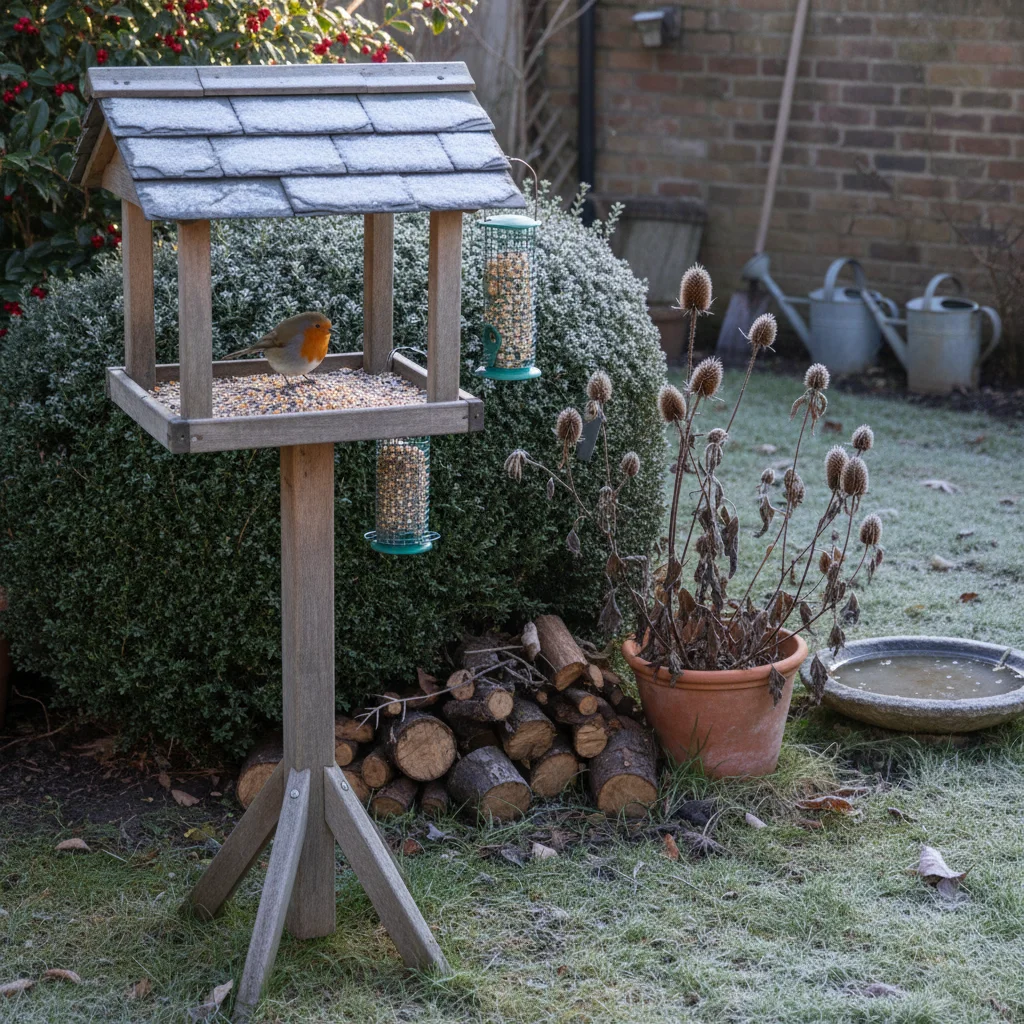
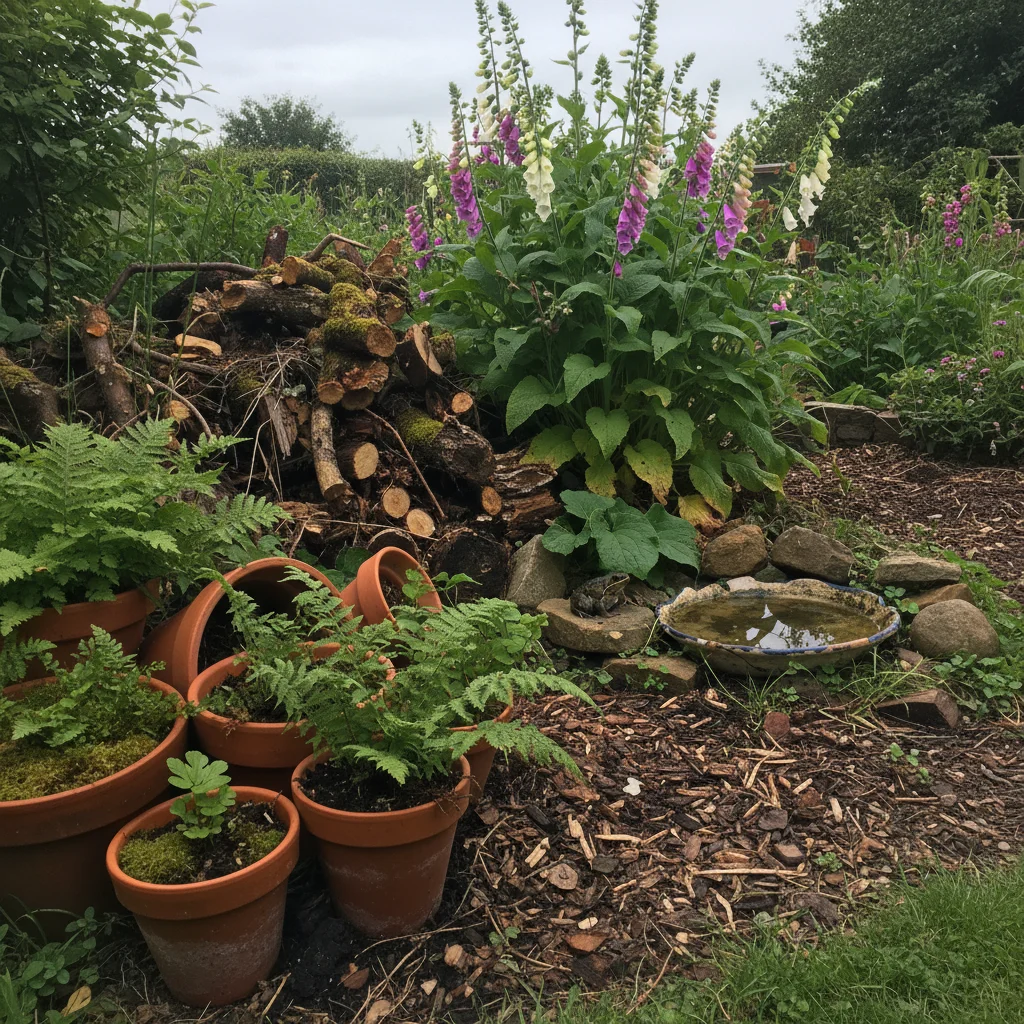
This category provides a comprehensive guide to transforming your garden into a sanctuary. Whether you are looking to identify the birds visiting your feeders, build a wildlife pond, or choose the best plants for a night-scented moth garden, you will find practical, science-backed advice tailored to the British climate and our unique local fauna.