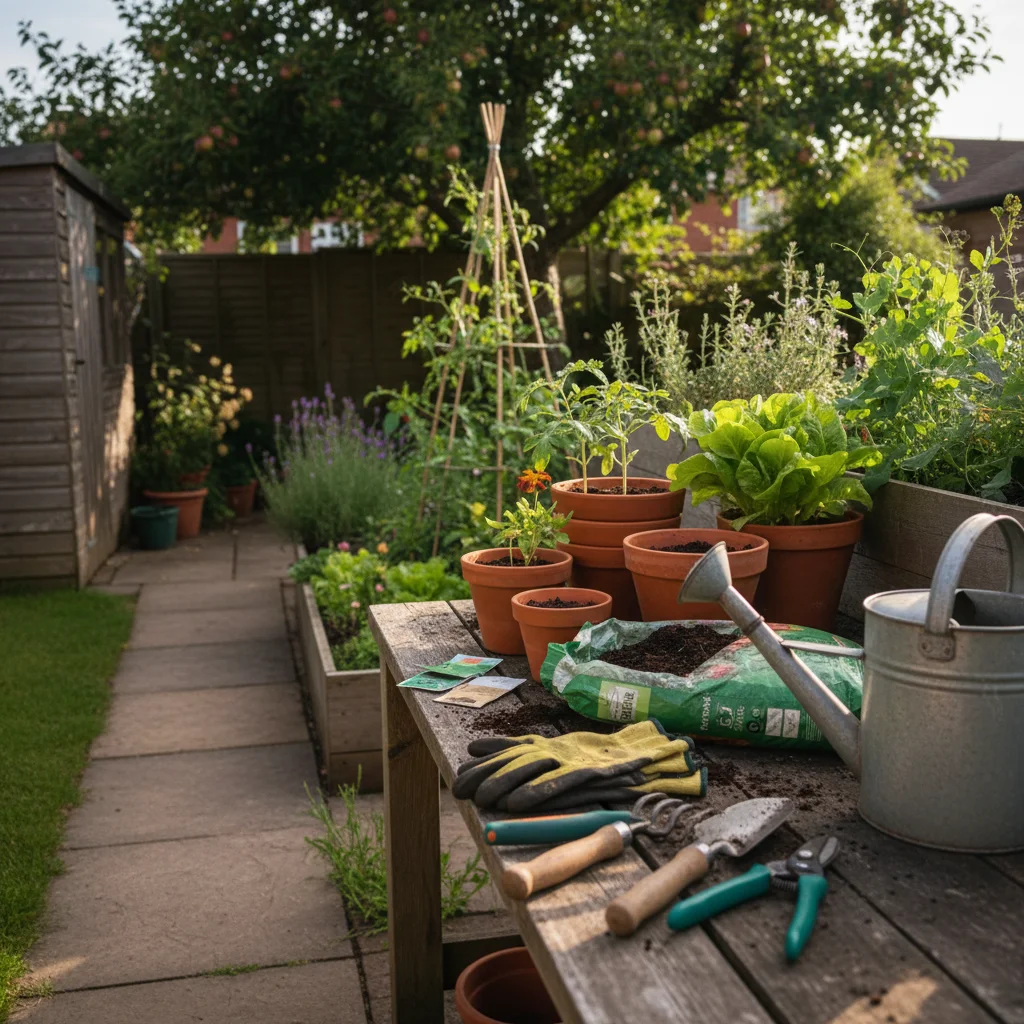
So, you're ready to start gardening? Fantastic! It's easier than you think, and incredibly rewarding to nurture plants from tiny seeds to thriving greenery. But facing a wall of tools at the garden centre can be intimidating. Don't worry, you don't need everything. This guide will walk you through the essential gardening tools to get you started without breaking the bank.
The Bare Essentials
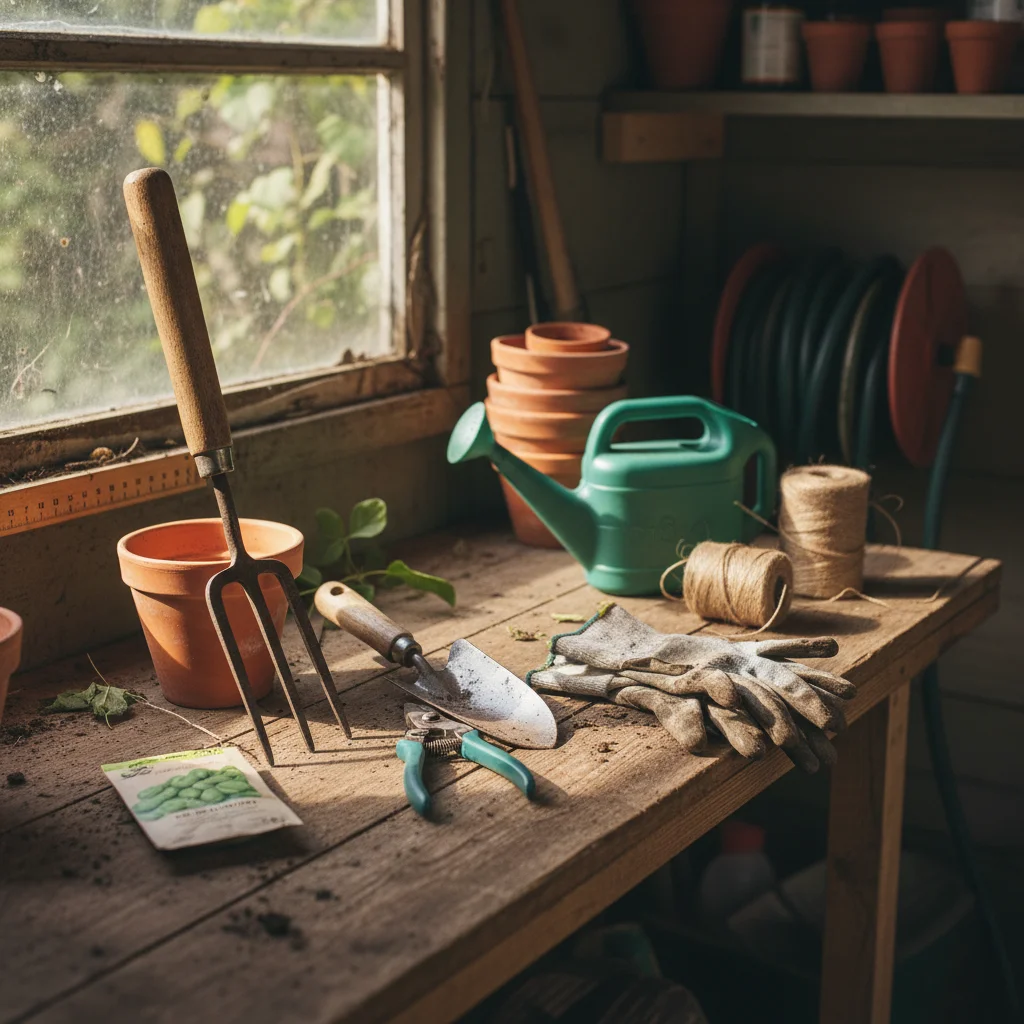
Let's start with the absolute must-haves. These are the tools you'll reach for time and again, whether you're sowing seeds, potting up seedlings, or tending to your established plants.
- Trowel: A small, hand-held tool with a pointed blade for digging small holes, transplanting seedlings, and potting plants. Look for one with a comfortable handle.
- Hand Fork: Perfect for loosening soil, weeding, and mixing in compost. Choose one with sturdy tines.
- Gardening Gloves: Protect your hands from dirt, thorns, and potential irritants. A good pair of gloves is an investment in your comfort.
- Watering Can: Essential for delivering water gently and precisely, especially to seedlings.
These four items will cover most of your basic gardening tasks. You can find affordable, durable versions at most garden centres or even hardware stores.
Digging Deeper (Literally)
Once you've mastered the basics, you might want to add a few larger tools to your arsenal. These will make tasks like preparing larger beds and managing weeds much easier.
- Spade: For digging larger holes, turning soil, and edging beds. A spade with a long handle will give you more leverage.
- Garden Fork: Similar to a hand fork, but larger. Use it for turning over larger areas of soil and breaking up compacted ground.
- Hoe: Ideal for weeding between rows of plants and cultivating the soil surface. There are different types of hoes, but a draw hoe is a good all-rounder for beginners.
- Secateurs (Pruning Shears): For trimming stems, pruning shrubs, and harvesting vegetables. Bypass secateurs, which make a clean cut, are preferable to anvil secateurs.
Propagation Perfection
If you plan on growing plants from seeds or cuttings, a few dedicated propagation tools will come in handy.
- Seed Trays or Pots: For sowing seeds indoors or starting cuttings. Recycled plastic containers work well, too!
- Small Spray Bottle: To keep seedlings and cuttings moist without overwatering.
- Plant Labels: To keep track of what you've sown and where. You can use plastic labels or even make your own from lolly sticks.
- Dibber: A pointed tool for making small holes in the soil for sowing seeds or transplanting seedlings. A pencil works just as well!
Soil Savvy
Healthy soil is the foundation of a thriving garden. While you don't need fancy equipment, a few simple tools can help you assess and improve your soil.
- pH Testing Kit: To determine the acidity or alkalinity of your soil. Many plants prefer slightly acidic soil.
- Compost Bin or Wormery: To recycle kitchen and garden waste into nutrient-rich compost. This is a great way to improve your soil and reduce waste.
- Rake: A rake helps to level soil, gather leaves, and generally tidy up your garden.
Caring for Your Tools
Investing in quality tools is worthwhile, but even budget-friendly tools will last longer with proper care.
- Clean your tools after each use. Remove soil and debris with a brush or hose.
- Dry your tools thoroughly to prevent rust.
- Sharpen your blades regularly. A sharp tool is safer and more efficient.
- Store your tools in a dry place to protect them from the elements.
Budget-Friendly Tips
Gardening doesn't have to be expensive. Here are a few tips for saving money on tools:
- Buy second-hand tools. Check out car boot sales, charity shops, or online marketplaces.
- Borrow tools from friends or neighbours. Gardening is often a social activity, so why not share resources?
- Make your own tools. You can create simple tools like plant labels or dibbers from recycled materials.
- Start small. You don't need to buy everything at once. Focus on the essential tools first and add more as you need them.
Where to Buy Your Tools
You can find gardening tools at a variety of places, from garden centres and hardware stores to online retailers. Here are a few options:
- Local Garden Centres: Offer a wide selection of tools and expert advice.
- Hardware Stores: Often carry basic gardening tools at affordable prices.
- Online Retailers: Provide a convenient way to shop for tools from the comfort of your own home.
- Discount Stores: Can be a good source for budget-friendly tools, but check the quality before you buy.
A Word on Power Tools
While power tools like lawnmowers and hedge trimmers can be useful, they're not essential for beginners. If you have a small garden, you can often get by with manual tools. However, if you have a large garden or struggle with physical tasks, power tools may be worth considering.
Start Small, Grow Big
Don't feel overwhelmed by the sheer variety of gardening tools available. Start with the bare essentials and gradually add more tools as your gardening skills and needs evolve. Remember, the most important tool is your enthusiasm! With a little patience and the right equipment, you'll be enjoying the fruits (and vegetables!) of your labour in no time. So, grab your trowel and get digging – your gardening adventure awaits!