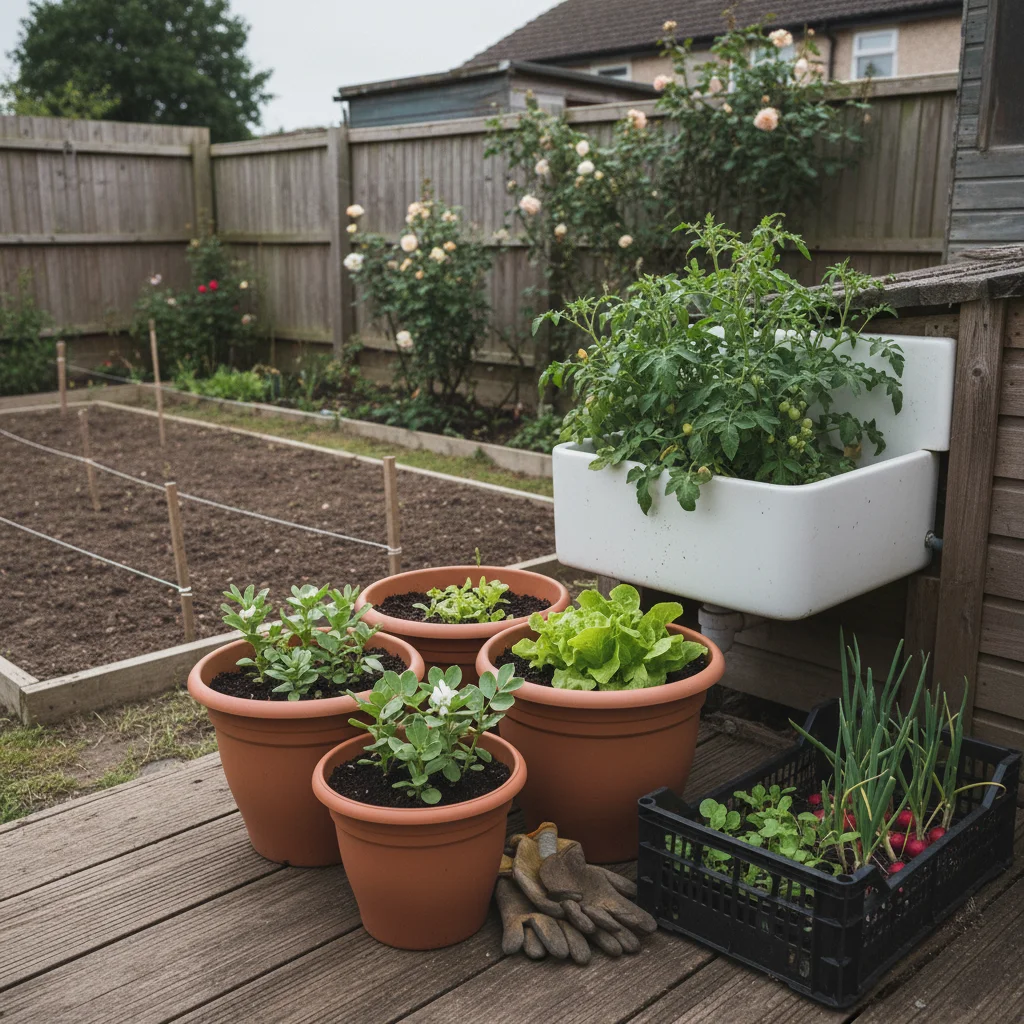
There is a unique kind of magic in heading out to your garden or balcony and picking a handful of sun-warmed cherry tomatoes for your lunch. I remember the first time I successfully grew a crop of radishes in a tiny Yorkshire plot years ago. They weren't perfect, and some were a bit spicy, but the pride I felt was immense.
You might think you need a massive allotment or a degree in horticulture to get started, but I promise you don't. Growing your own food is much easier than you think, and it’s something anyone can do, regardless of how much space or time they have. Whether you have a sprawling lawn, a small patio, or just a sunny windowsill, you can produce something delicious. If space is the main limit, start with our small space vegetable garden guide.
The beauty of gardening is that it connects us to the seasons and gives us a reason to step outside and breathe. It’s a hobby that rewards patience and curiosity rather than perfection. If you have ever felt intimidated by the rows of seeds in a garden centre, this guide is for you. We are going to break it down into simple, manageable steps so you can get your first harvest this year.
Finding the Right Spot for Your Plants
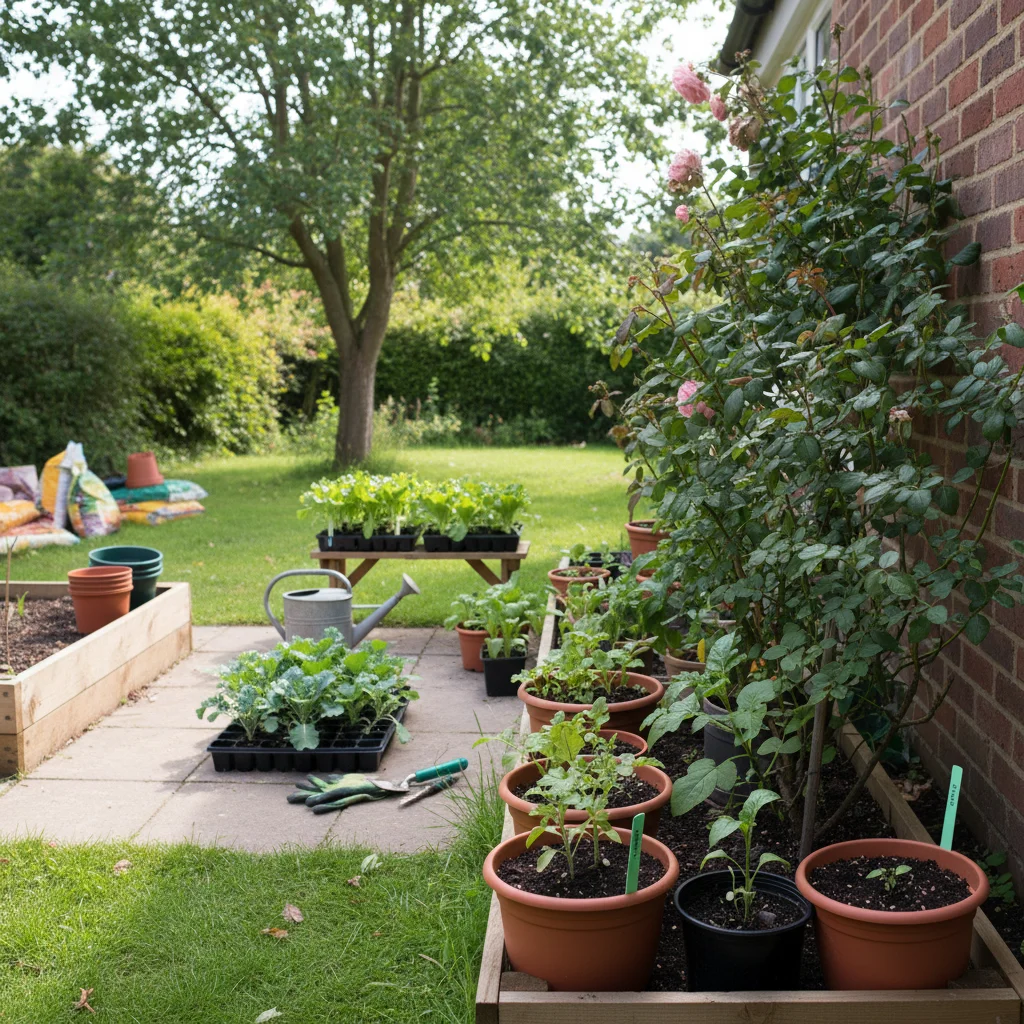
The first thing you need to do is look at your outdoor space with fresh eyes. Most vegetables are sun-worshippers and will need at least six hours of direct sunlight every day to thrive. Take a day to watch how the light moves across your garden or balcony to see which areas stay bright the longest.
If your garden is a bit shady, don't worry because you can still grow plenty of greens. While tomatoes and peppers need lots of heat and light, leafy crops like spinach, lettuce, and even some herbs are quite happy with a bit of dappled shade. It is all about matching the right plant to the right place.
You should also consider how close your growing area is to your kitchen and a water source. You are much more likely to keep an eye on your plants if you can see them from your window or reach them easily with a watering can. Carrying heavy buckets of water across a long garden in a typical UK summer heatwave can quickly become a chore you'll want to avoid.
Finally, think about shelter from the wind. Our British weather can be a bit unpredictable, and a strong gust can easily snap tall plants like beans or broccoli. If your spot is particularly breezy, you might want to consider using some netting or placing your pots near a wall to give them a little extra protection.
Starting Small to Stay Motivated
One of the biggest mistakes I see new gardeners make is trying to do too much at once. It is very easy to get carried away in the spring and buy every packet of seeds you see, only to find yourself overwhelmed by June. I always tell my friends to start small and grow only what they actually like to eat.
A single raised bed or a few large pots on a patio is the perfect starting point. This allows you to focus your energy on just a few plants and learn their quirks without feeling like you have a second full-time job. You can always expand next year once you have found your rhythm and gained some confidence.
If you are short on space, container gardening is a fantastic option. You can grow almost anything in a pot, from potatoes in bags to 'Tumbler' tomatoes in hanging baskets. Containers also give you the flexibility to move your plants around to follow the sun or hide them away if a late frost is predicted.
Remember that gardening should be a joy, not a burden. By keeping your initial patch manageable, you can spend your time enjoying the process of watching things grow. There is plenty of time to become an expert grower of exotic squashes later; for now, let’s focus on getting those first few wins under your belt.
The Essential Tools for Beginners
You really don't need a shed full of expensive gadgets to start a vegetable patch. In fact, many of the most useful things you'll need are probably already in your house or can be picked up very cheaply. It is much better to invest in a few high-quality items that will last for years rather than a dozen flimsy plastic ones.
When I first started, I spent far too much on "specialised" equipment that I never ended up using. Now, I stick to the basics that help me get the job done efficiently. You want tools that feel comfortable in your hand and are the right size for the space you are working in.
If you are starting your journey this season, here are the few items that will make your life much easier:
- A sturdy hand trowel for digging small holes and moving compost.
- A pair of sharp secateurs for harvesting and pruning.
- A watering can with a "rose" attachment for a gentle spray.
- A garden fork if you are planning to dig directly into the ground.
- A few pairs of comfortable, washable gardening gloves.
- Labels and a waterproof pen so you don't forget what you planted.
Best Vegetables to Grow for Your First Harvest
Choosing your first crops is the most exciting part of the process. For your first year, I highly recommend choosing "high-reward" vegetables. These are the ones that grow quickly, aren't too fussy about the soil, and taste significantly better when they are home-grown compared to the shop-bought versions.
Salad leaves are a brilliant choice because you can start harvesting them in as little as four weeks. You can grow them in shallow trays or even an old colander. Radishes are another great "beginner" crop; they are virtually indestructible and grow so fast that you can see the progress almost every day.
Potatoes are also incredibly satisfying. There is something like digging for buried treasure when it comes time to harvest them. You can grow them in large bags, which means no heavy digging is required. If you choose an "early" variety, you could be eating fresh new potatoes by June or July.
To give you some inspiration for your shopping list, these varieties are particularly reliable for UK beginners:
- 'Swiss Chard' for beautiful colours and a long harvest season.
- 'Zucchini' (Courgettes) which are famously prolific and easy to tend.
- 'Runner Beans' for a vertical crop that produces lovely flowers too.
- 'Cherry Tomatoes' which ripen much faster in our climate than large ones.
- 'Mixed Salad Leaves' for a constant supply of fresh greens.
Preparing Your Soil and Compost
Healthy plants start with healthy soil. Think of your soil as a battery that provides all the energy your vegetables need to grow. In the UK, we have all sorts of soil types, from heavy clay that gets sticky when wet to sandy soil that drains very quickly.
The good news is that you can improve almost any soil by adding organic matter, such as compost. If you are growing in pots, always use a good quality "multi-purpose" compost from a garden centre. Avoid using soil from your garden in pots, as it is often too heavy and doesn't drain well enough for container-grown plants.
If you are planting directly into the ground, you don't necessarily need to dig the whole area over. Many gardeners now use the "no-dig" method, where you simply spread a thick layer of compost over the surface and let the worms do the work for you. This helps keep the soil structure intact and is much easier on your back.
Compost isn't just about nutrition; it also helps the soil hold onto water. This is vital during those dry spells in late spring when your young plants are trying to establish their roots. A well-prepared bed will save you hours of watering and feeding later in the season.
How to Sow Your Seeds Successfully
Sowing (which is just a gardening word for planting seeds) can feel a bit nerve-wracking. The seeds are often tiny, and it feels like a miracle that they turn into giant plants. Most seed packets have very clear instructions on the back, telling you how deep to plant them and how far apart they should be.
A general rule of thumb is to plant a seed at a depth of about two or three times its own size. Tiny seeds like lettuce only need a very light dusting of soil, while larger seeds like beans can be pushed a few centimetres deep. Once you have sown them, give them a gentle water to settle the soil around them.
We have all had a tray of seedlings go "leggy"—this is when they grow tall, thin, and weak because they are stretching for more light. To avoid this, make sure your pots are in the brightest spot possible. If you are starting them on a windowsill, turn the trays every day so the plants don't lean too far in one direction.
Don't be afraid to thin out your seedlings. It feels cruel to pull out perfectly healthy little plants, but if they are too crowded, none of them will grow well. Giving each plant enough space to breathe and access nutrients is the best way to ensure a bumper crop.
Watering and Feeding Your Plants
Watering is perhaps the most important task you'll have as a vegetable gardener. The goal is to keep the soil consistently moist but not soaking wet. In the height of summer, pots and hanging baskets might need watering every single day, while plants in the ground can usually go a bit longer.
It is always better to water deeply and less often than to give your plants a light sprinkle every day. Deep watering encourages the roots to grow further down into the soil to find moisture, making the plants more resilient. Try to water early in the morning or late in the evening to prevent the water from evaporating in the sun.
While compost provides a good start, some "hungry" plants like tomatoes and courgettes will benefit from extra feeding once they start to flower. You can buy liquid seaweed or tomato fertiliser that you simply mix into your watering can. It’s like giving your plants a vitamin boost to help them produce more fruit.
Be careful not to over-fertilise, though. Too much nitrogen can lead to lots of lush green leaves but very little actual food to harvest. Follow the instructions on the bottle, and remember that a little goes a long way when it comes to plant food.
Managing Pests and Garden Visitors
Every gardener has to deal with uninvited guests at some point. In the UK, our biggest challenge is usually slugs and snails, especially during a damp spring. They love tender young seedlings and can wipe out a whole row of lettuce overnight if you aren't careful.
You don't need to reach for harsh chemicals to protect your patch. I find that physical barriers like copper tape around pots or cloches (clear plastic covers) can be very effective. Encouraging natural predators like birds, frogs, and hedgehogs into your garden is the best long-term solution for pest control.
Birds can also be a bit of a nuisance when it comes to soft fruit or young brassicas (like broccoli and kale). A bit of simple netting draped over a frame is usually enough to keep them away. Just make sure the netting is pulled taut so that birds don't get tangled in it.
Don't worry too much if you see a few holes in your leaves. A healthy garden is an ecosystem, and a bit of nibbling is perfectly normal. As long as the plant is still growing and looking generally healthy, you will still get a great harvest at the end of the day.
Understanding the British Seasons
Timing is everything in gardening. Our UK climate is defined by the "last frost date," which is usually sometime in May depending on where you live. Many popular vegetables, like tomatoes and beans, are very sensitive to cold and will die if they are hit by a frost.
It is often tempting to plant everything out as soon as the first sunny day in April arrives, but it is usually better to wait. I have learned the hard way that plants put out in late May often overtake those planted in April because the soil is warmer and they don't suffer from the "check" of a cold night.
As we move into autumn, the growing season starts to slow down. This is the time to harvest your pumpkins and onions and start thinking about crops that can survive the winter, like garlic or winter hardy kale. Gardening is a year-round cycle, and there is always something to look forward to.
Keep a simple diary or a few notes on your phone about when you planted things and how they performed. Every garden has its own little microclimate, and over a few years, you will develop a "gut feeling" for when the time is right to get your hands in the soil.
The best way to learn is simply to get started and see what happens. Even if things don't go perfectly, you'll still learn something valuable for next year, and the taste of your very first home-grown vegetable will make every bit of effort worthwhile. Grab a bag of compost and a packet of seeds this weekend, and you could be enjoying your own fresh harvest before you know it.