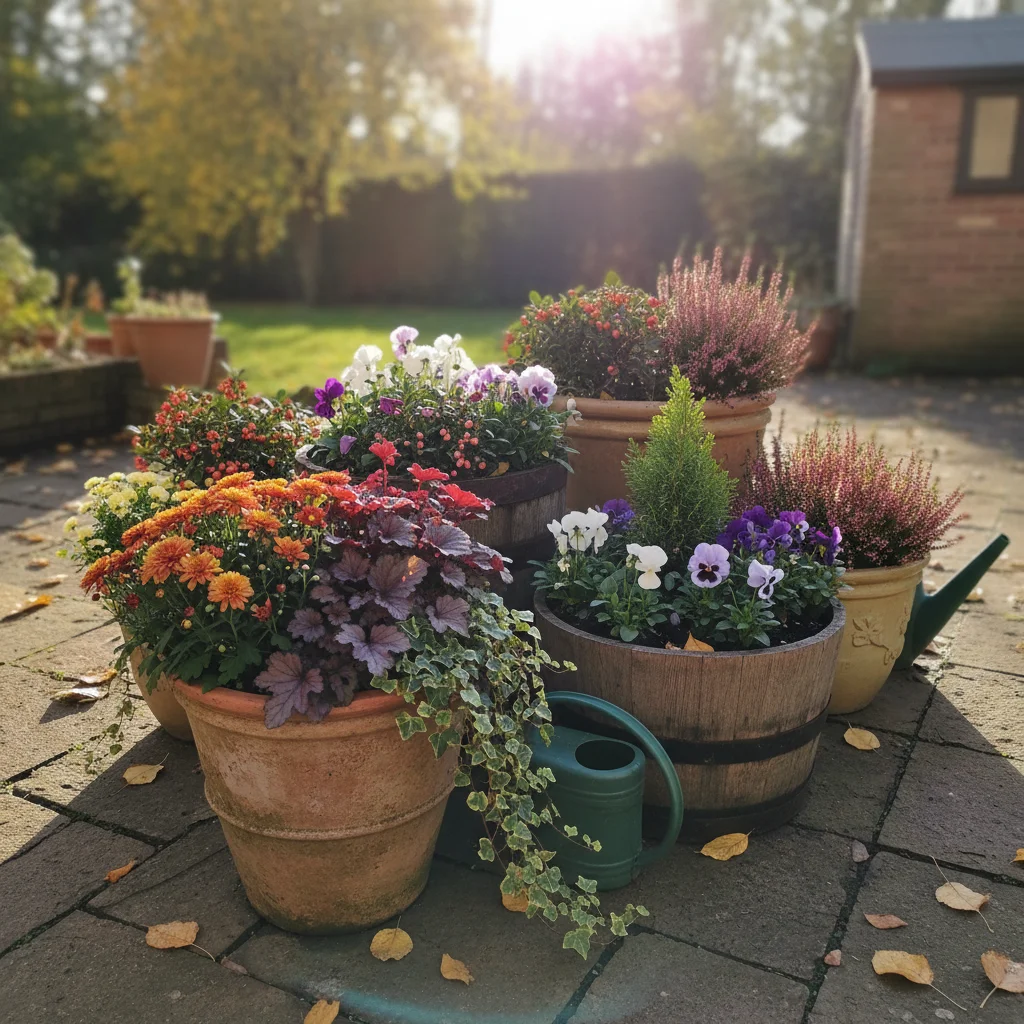
As the golden light of September begins to fade into the crisper mornings of October, many of us feel a little bit sad to see our summer displays come to an end. The petunias are looking leggy, the lobelia has given up the ghost, and the hanging baskets are starting to feel a bit sparse. But I always tell my friends that autumn is actually one of the most exciting times for a gardener, especially if you’re working with a small space like a balcony or a patio.
You don't need a huge budget or a massive allotment to keep your outdoor space looking vibrant. In fact, autumn containers are often much easier to look after than summer ones because the soil doesn't dry out nearly as fast. It’s the perfect time to refresh your pots and create an instant impact that will carry you right through to the first frosts and often beyond.
Whether you have a collection of terracotta pots on your front steps or a few window boxes in a city flat, choosing the right plants can turn a dull corner into a seasonal masterpiece. I’ve spent many years experimenting in my own small plot, and I’ve found that a few reliable stars never let me down. Let’s look at how you can bring some of that autumn magic to your own doorstep.
Why autumn containers are a gardener’s best friend
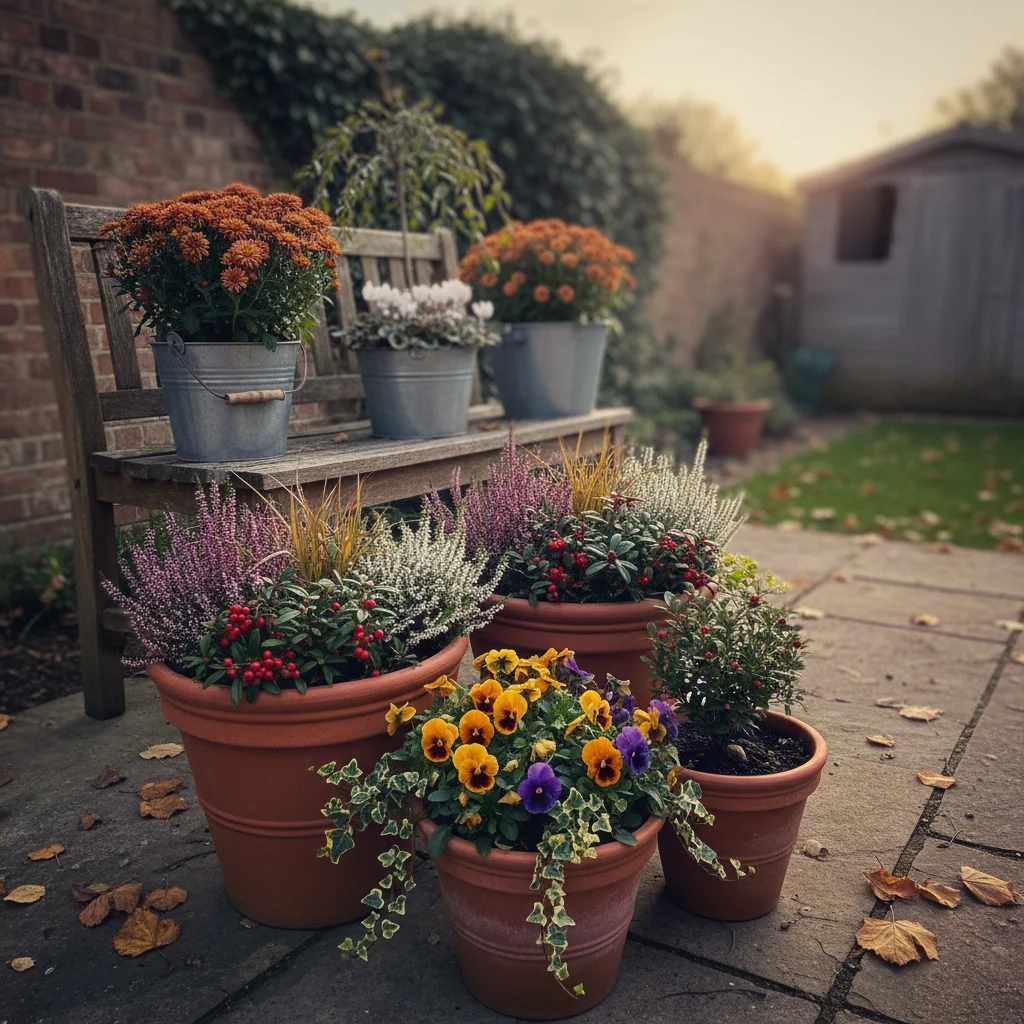
In a typical UK autumn, the weather does a lot of the hard work for us. We get more rain and less of that scorching midday sun that makes summer watering such a chore. This means your new plants have a much better chance of settling in without getting stressed. It’s a lower-pressure way to garden, which is why I always recommend it for beginners who might feel overwhelmed by the fast pace of springtime.
Another great benefit is that many autumn plants are incredibly tough. We are looking for "hardy" varieties, which simply means they can stand up to a bit of cold and wind. When you see your garden glowing with deep purples, burnt oranges, and silver foliage on a grey Tuesday morning, you’ll be so glad you took the time to do a bit of planting.
It’s also an excellent way to bridge the gap between the summer flowers and the spring bulbs. You can even "layer" your pots by planting tulip or daffodil bulbs deep in the bottom of the container and then planting your autumn flowers on top. This is often called a "bulb lasagne," and it means that once the autumn plants eventually fade, your spring flowers are already waiting in the wings to take over.
The secret to a professional looking display
When I first started gardening, I used to just buy whatever looked pretty at the garden centre and shove it in a pot. Sometimes it worked, but often it looked a bit messy. Over the years, I’ve learned a simple trick that designers use to make containers look full and balanced. We call it the "Thriller, Filler, Spiller" method, and it works every single time.
The "Thriller" is your star of the show. This is usually something tall or particularly striking that sits in the centre or at the back of the pot. It draws the eye and gives the arrangement some height. For autumn, this might be a beautiful ornamental grass or a structural shrub like a Skimmia.
The "Filler" plants are the ones that add bulk and texture. These are usually mid-height plants that surround your thriller. You want to choose colours that complement each other here. Think of these as the supporting cast that makes the star look even better. Pansies and violas are the ultimate fillers because they come in almost every colour imaginable.
Finally, you have the "Spiller." These are the plants that tumble over the edge of the pot, softening the hard lines of the container. They make the whole display feel more established and lush. Ivy is the classic choice here, but there are plenty of other trailing plants that love the cooler weather.
Flowering favourites for instant colour
If you want immediate results, you can’t go wrong with the classic autumn flowering plants. These are usually available in "6-packs" at your local garden centre or even the supermarket. They are bred to be in full bloom right when you buy them, so you get that "instant impact" we all love.
Cyclamen are my absolute must-have for autumn. The 'Persicum' varieties are stunning, with flowers that look like tiny butterflies hovering over marbled green leaves. They love the cool air and will keep flowering for weeks. Just a little tip from my experience: try to water them from the bottom or at the very edge of the pot, as they can sometimes rot if water gets trapped in the centre of the clump.
Chrysanthemums, often just called "mums," are another powerhouse of autumn colour. You can find them in incredible shades of bronze, deep red, and golden yellow. They naturally grow in a beautiful dome shape, which makes them perfect for the centre of a round pot. They are very hungry plants, so giving them a little liquid feed every fortnight will keep those buds opening.
Violas and pansies are the workhorses of the UK garden. While they might look delicate, they are surprisingly tough. Winter-flowering pansies are specifically bred to survive the cold. They might droop a little when there’s a hard frost, but as soon as the sun comes out, they perk right back up. I love the tiny faces of violas; they tend to produce more flowers than the larger pansies and look wonderful tucked into the gaps between larger plants.
Adding texture with striking foliage
While flowers are lovely, I think the real secret to a sophisticated autumn container is the foliage. In the autumn, the light changes and becomes more horizontal, which makes textured leaves look absolutely glowing. Foliage plants also tend to last much longer than flowers, providing interest even on the darkest winter days.
Heucheras, also known as Coral Bells, are a personal favourite of mine. They come in an unbelievable range of colours, from lime green and silver to deep burgundy and almost jet black. They are evergreen, meaning they keep their leaves all year round. Once the autumn display is finished, you can actually take them out of the pot and plant them in your garden borders where they will grow for years.
Silver-leaved plants are another brilliant addition. Something like Cineraria (often labelled as 'Silver Dust') or 'Angel Wings' Senecio provides a fantastic contrast to the deep reds and oranges of autumn. The silver leaves act like a highlighter, making all the other colours in your pot pop. They feel incredibly soft to the touch, too, which adds a lovely sensory element to your garden.
Don't overlook ornamental cabbages and kales. I know it sounds a bit strange to plant vegetables in your flower pots, but these have been bred for their incredible purple, pink, and white centres. The colder the weather gets, the more intense their colours become. They provide a sturdy, architectural look that stands up well to wind and rain.
Movement and height with grasses and berries
To really give your containers a professional edge, try adding something that moves in the breeze. Ornamental grasses are perfect for this. In my small Yorkshire plot, I love using 'Carex' grasses. They come in lovely bronzed or variegated (striped) versions that look like fountains of hair spilling out of the pots. They catch the dew and the frost beautifully.
Berried plants add a festive, seasonal feel that takes you right through towards Christmas. Gaultheria (also known as Checkerberry) is a low-growing plant with bright red berries and glossy leaves that turn a bit bronze in the cold. It’s a fantastic "spiller" or "filler" for the edge of a pot.
Skimmia japonica is another brilliant choice for a "thriller." It has leathery evergreen leaves and produces clusters of tiny red buds that stay on the plant all winter before opening into fragrant white flowers in the spring. It’s a real "value for money" plant because it looks good for six months of the year.
Your autumn container shopping list
To make things easy for your next trip to the garden centre, I’ve put together a list of the most reliable performers. You don't need all of these, but picking one from each category will give you a balanced and beautiful pot.
- For height (Thrillers): Ornamental grasses (Carex or Festuca), Skimmia, or small upright Conifers.
- For colour (Fillers): Cyclamen, Chrysanthemums, Winter Pansies, or Violas.
- For texture (Fillers): Heuchera, Ornamental Cabbage, or Silver Dust.
- For trailing (Spillers): Ivy (Hedera), Gaultheria, or Lamium.
- For the "secret layer": A handful of Crocus or Tête-à-Tête daffodil bulbs to hide under the soil.
How to plant your autumn display
Putting your container together is a lovely way to spend an hour on a Saturday afternoon. Start by making sure your pot has good drainage. This is vital in the UK because our autumns can be very wet. If the water can't get out, the roots will sit in cold, soggy soil and the plants will struggle. I like to put a few "crocks" (broken bits of old terracotta pots or even some large stones) over the hole at the bottom to keep it clear.
Use a good quality multipurpose compost. You don't need anything fancy, but avoid using old soil from the garden as it can be heavy and might contain pests. Fill the pot about two-thirds full, then start arranging your plants while they are still in their plastic pots. This lets you move them around until you’re happy with the look without getting everything messy.
Once you like the arrangement, take the plants out of their plastic pots. If the roots look very tightly packed, gently tease them out with your fingers to help them grow into the new soil. Place them in the pot and fill in the gaps with more compost. Firm the soil down gently with your fingers to remove any big air pockets, but don't squash it too hard.
Give the whole thing a good drink of water to settle the soil around the roots. Even if it’s raining, a fresh pot always needs that first "watering in." If you’re worried about the pot getting too cold, you can buy "pot feet" or even just use a few bricks to lift the container off the ground. This helps the water drain away faster and prevents the pot from freezing to your patio.
Keeping your display looking fresh
The great thing about autumn gardening is that the maintenance is very low. You won't need to water every day like you do in July. Just stick your finger an inch into the soil every few days; if it feels dry, give it a drink. If it feels damp, leave it alone.
Deadheading is the most important job you’ll have. This simply means pinching off the flowers once they start to fade. It’s a very relaxing task—I often do it while I’m having a morning cup of tea. By removing the old flowers, you stop the plant from putting energy into making seeds and encourage it to keep producing new blooms instead.
You won't really need to use much fertiliser in the autumn because the plants aren't growing as fast as they do in the spring. However, if you have a lot of flowering plants like Chrysanthemums or Pansies, a half-strength dose of liquid seaweed feed once every few weeks can give them a nice boost.
As the weather gets properly cold, you might find that some of your "thrillers" like the Skimmia or Heuchera are still looking great, but the pansies are starting to look a bit tired. The beauty of containers is that you can easily "plug in" new plants. You could swap the pansies for some small primroses in late winter to give the pot a whole new lease of life.
Start small and enjoy the process
If you’re new to gardening, please don't feel you have to create a dozen massive displays all at once. Start with one single pot by your front door. Choose three plants you really love and see how they grow. There is something so rewarding about coming home and being greeted by a splash of colour, especially as the evenings start to draw in.
Gardening is all about learning as you go. Some plants will thrive, and others might not like the particular spot you've chosen for them. That’s perfectly okay—even the most experienced gardeners have the occasional plant that doesn't make it. The joy is in the doing, the feeling of the soil, and the connection to the changing seasons.
Now is the perfect time to head to your local nursery or garden centre and see what catches your eye. Look for plants with plenty of unopened buds, as these will give you the longest display. With just a little bit of effort this weekend, you can transform your outdoor space into a warm and welcoming autumn sanctuary that will make you smile every time you look out the window.