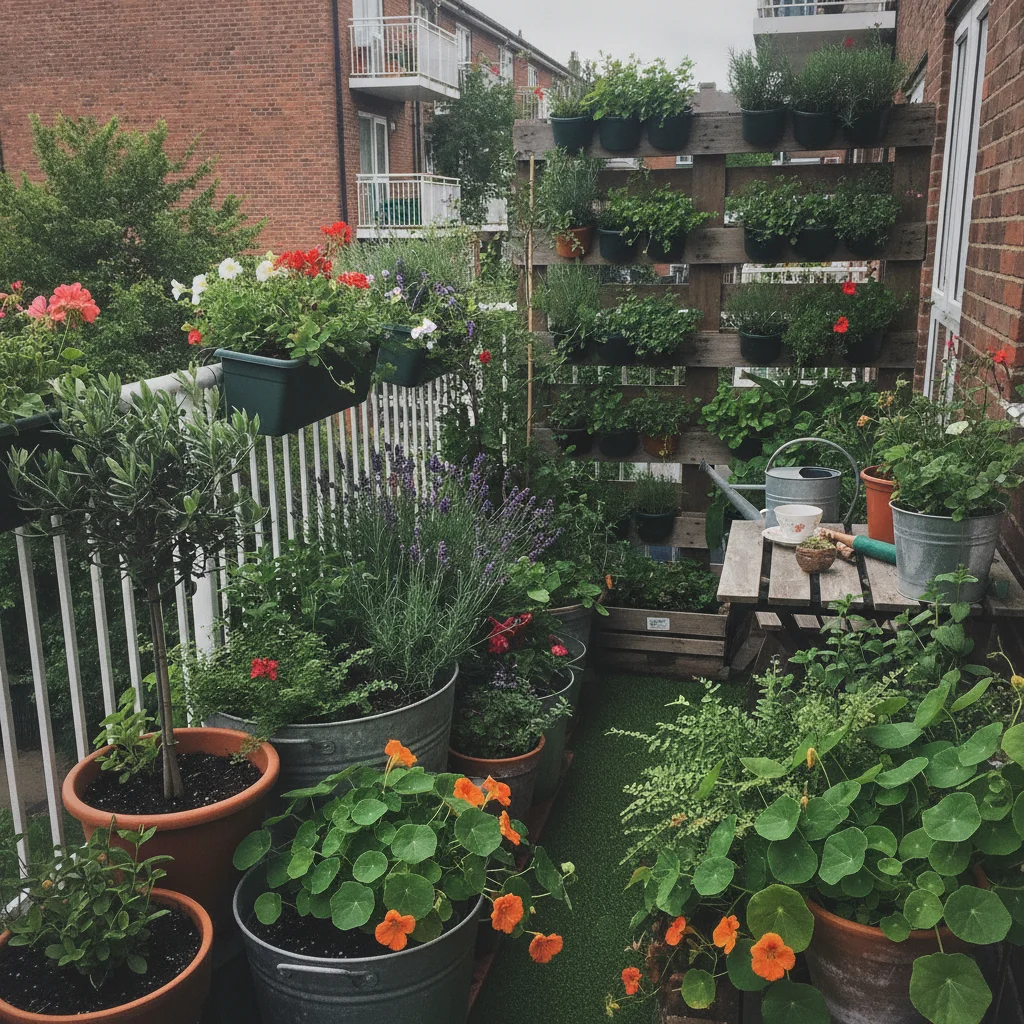
You might think that living in a flat with only a small balcony means your dreams of a lush garden are out of reach. I’ve spent years growing everything from spicy chillies to fragrant sweet peas in tiny spaces, and I can tell you that isn't the case at all. It is easier than you think to turn a few square metres of concrete into a vibrant, living sanctuary.
Container gardening is the secret to making any outdoor space feel like a proper garden. Whether you want to pick your own salad leaves for lunch or simply enjoy the scent of lavender while you have your morning tea, you can achieve it. We have all looked at a bare balcony and felt a bit overwhelmed, but starting small is the best way to build your confidence.
The beauty of gardening in pots is that you are in total control. You choose the soil, you decide where the plants sit, and you can move things around if the weather takes a turn. In a typical UK summer, this flexibility is a lifesaver when the wind picks up or the sun finally decides to make an appearance.
Assessing your balcony light and wind
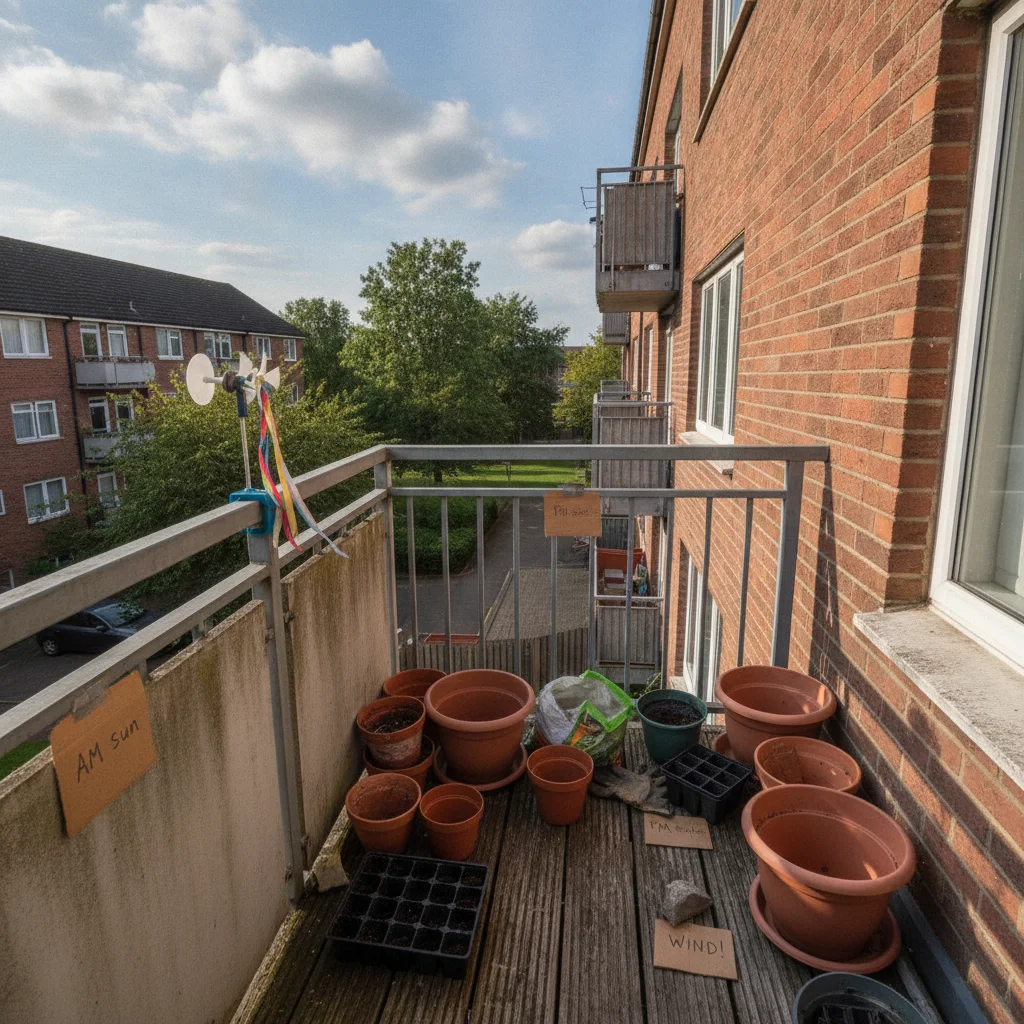
Before you buy your first bag of compost, take a few days to really look at your balcony. Every balcony has its own microclimate, which is just a fancy way of saying the specific weather conditions in your little corner of the world. Notice where the sun hits and for how long, as this determines which plants will thrive and which will struggle.
If your balcony faces south, it will likely be a sun-trap, getting hot and dry very quickly. This is perfect for Mediterranean herbs like rosemary or sun-loving flowers, but you will need to be diligent with your watering can. If you are north-facing, you will have more shade, which is a wonderful spot for lush ferns and leafy greens that don't like getting scorched.
Wind is the other big factor, especially if you are several floors up. High-rise balconies can be surprisingly breezy, which dries out pots and can snap tall, delicate stems. If your spot is particularly windy, you might want to look at tougher plants or consider some mesh screening to take the edge off the gusts.
Safety first for high rise gardens
It is important to remember that balconies have weight limits. While a single pot isn't an issue, dozens of large containers filled with wet soil can become very heavy indeed. If you are unsure about the structural capacity of your balcony, it is always worth checking your lease or asking the building manager.
To keep things light, you can use modern lightweight pots made of resin or fibreglass rather than heavy stone or traditional terracotta. You can also mix a bit of perlite into your soil. Perlite looks like tiny bits of white popcorn and helps keep the compost airy and light while still holding onto the moisture your plants need.
Safety also means making sure your pots can’t blow away or fall. Never balance a pot on a narrow railing without a secure, purpose-made bracket. It is much better to keep larger, heavier pots on the floor and use tiered shelving or hanging baskets that are firmly bolted to the wall.
Picking the perfect pots
When you start looking at containers, it is easy to get distracted by the pretty colours and patterns. However, the most important feature of any pot is the drainage. Plants generally don't like "wet feet," which happens when water sits at the bottom of the pot with nowhere to go, eventually rotting the roots.
Always check that your pots have holes in the bottom. If you find a beautiful ceramic pot that doesn't have a hole, you can use it as an "outer" pot. Simply keep your plant in a plain plastic nursery pot with holes, and sit that inside the decorative one. This makes it much easier to tip out any excess water after a heavy downpour.
The size of the pot matters more than you might think. Small pots dry out incredibly quickly in the summer heat, often requiring water twice a day. Larger pots hold more compost and moisture, which gives you a bit more of a safety net if you forget to water them for a day or two.
Essential tools for small spaces
You don't need a shed full of expensive equipment to get started. In fact, one of the joys of balcony gardening is how few tools you actually need to keep things looking lovely. Most of the work can be done with your hands and a few basic items that fit easily into a small cupboard or a decorative box.
Having the right kit makes the experience much more enjoyable and prevents your kitchen from becoming covered in mud. If you are just starting out, these are the few things I would recommend having on hand:
- A sturdy hand trowel for moving compost and planting.
- A long-reached watering can, which helps you get water right to the base of the plants.
- A pair of sharp secateurs or strong kitchen scissors for pruning and harvesting.
- A bag of high-quality, peat-free multi-purpose compost.
- A pair of comfortable gardening gloves to keep your hands clean and protected.
The best plants for beginner containers
Choosing what to grow is the most exciting part of the process. For your first year, I always suggest picking plants that are known for being "easy wins." These are varieties that aren't too fussy about the weather and will reward you with plenty of growth even if you make a few beginner mistakes.
Herbs are a fantastic choice because they look beautiful, smell amazing, and save you money on your grocery bill. Edible flowers like nasturtiums are also great because they are incredibly easy to grow from seed and add a splash of colour to both your balcony and your salads.
If you are looking for some reliable starters that do well in the UK climate, consider these:
- 'Tumbler' tomatoes, which are bred to trail over the sides of hanging baskets or pots.
- Mint, though it must stay in its own pot or it will take over everything else.
- Pansies and violas for nearly year-round colour and very little fuss.
- Mixed salad leaves, which you can start harvesting in as little as four weeks.
- Lavender, which loves a sunny spot and attracts bees to your balcony.
Getting the soil right
In a garden, plants can send their roots deep into the earth to find nutrients and water. In a container, they are entirely dependent on the few litres of soil you provide. This is why using high-quality compost is the single most important thing you can do for your balcony garden.
I always recommend using peat-free multi-purpose compost. It is much better for the environment and modern mixes are now excellent at holding moisture. Avoid using "topsoil" or soil dug up from a friend's garden, as it is often too heavy for pots and can contain weed seeds or pests you don't want in your small space.
For plants that are going to stay in their pots for more than a year, like a small bay tree or a rose, look for something called "John Innes No. 2" or "No. 3." This is a soil-based compost that is heavier and contains more long-term nutrients than standard multi-purpose mixes. It helps provide the stability and food that permanent plants need to thrive.
Sowing seeds and planting out
You will often see the word "sowing" in gardening books, which simply means planting seeds. Sowing your own seeds is much cheaper than buying established plants, and there is a real sense of pride in seeing that first bit of green poke through the soil. However, if you are busy, there is absolutely no shame in buying "plug plants" from a garden centre.
Plug plants are small, young plants that have already been started for you. All you have to do is pop them into your containers and watch them grow. If you are sowing seeds, remember not to bury them too deep; a general rule is to cover them with an amount of soil equal to the size of the seed itself.
When you are ready to plant out, give your plants a good soak in their original pots first. This makes it easier to slide them out without damaging the roots. Place them in their new container, fill in the gaps with fresh compost, and firm them down gently with your fingers to remove any large air pockets.
Feeding and watering your green oasis
Watering is the most frequent task you will face. Because pots are exposed to the air on all sides, they dry out much faster than the ground. The "finger test" is your best friend here. Stick your finger about an inch into the compost; if it feels dry, it’s time to water, but if it still feels damp, you can leave it another day.
During a hot UK July, you might find yourself watering every evening. It is best to water early in the morning or late in the evening when the sun isn't at its strongest. This prevents the water from evaporating before the plants can drink it and avoids getting water droplets on the leaves which can sometimes cause them to scorch.
After about six weeks, most of the nutrients in your compost will have been used up by the plants. To keep them flowering and fruiting, you will need to give them a "feed." A simple liquid seaweed fertiliser or a general-purpose tomato feed added to your watering can once a fortnight will make a world of difference to how healthy your plants look.
Managing the British weather
Our weather can be a bit unpredictable, and your balcony plants will feel it more than most. In early spring, we often get "late frosts," which can kill off tender young plants like tomatoes or basil. It is always a good idea to keep some horticultural fleece or even an old bedsheet handy to cover your plants if the forecast predicts a freezing night.
If you are expecting a particularly heavy storm, move your most delicate pots into a sheltered corner or group them together. Grouping pots not only helps them support each other against the wind but also creates a little pocket of humidity that plants love. In the winter, you can wrap pots in bubble wrap or burlap to stop the roots from freezing solid.
Don't be discouraged if a plant doesn't make it through a particularly harsh season. We’ve all lost plants to a sudden frost or a week of relentless rain. Every time something doesn't go quite right, you are learning more about what works on your specific balcony, which makes you a better gardener for the next season.
Growing through the seasons
One of the best things about container gardening is that it doesn't have to stop when summer ends. You can transition your balcony through the seasons by swapping out tired summer bedding for autumn-flowering heathers or winter-hardy cyclamen. This keeps your outdoor space feeling like a part of your home all year round.
In the autumn, you can plant bulbs like daffodils and tulips in your pots. You just bury them in the compost, leave them over the winter, and they will surprise you with a burst of colour in the spring. It is a wonderful way to remind yourself that warmer days are coming, even when the Yorkshire wind is whistling outside your window.
Starting your balcony garden journey is one of the most rewarding things you can do for your well-being. There is something incredibly grounding about getting your hands in the soil and watching a tiny seed turn into a flourishing plant. Take that first step today by picking out one beautiful pot and a plant that makes you smile, and you'll be amazed at how quickly your green oasis grows.