We have all been there. You spend an afternoon carefully potting up your favourite 'Tumbler' tomatoes or a beautiful hosta, only to come out the next morning and find nothing but a few ragged stalks and a shimmering silver trail. It is one of the most frustrating parts of gardening in the UK, especially when our damp summers seem to roll out the red carpet for every slug and snail in the neighbourhood.
The good news is that growing in containers actually gives you a massive head start. Unlike plants in a border, which are accessible from every angle, potted plants are like little islands. You have much more control over the environment, and it is far easier to set up a "fortress" that even the most determined snail will struggle to breach.
I’ve spent years trial-testing different methods on my own patio, and I promise you don’t need harsh chemicals to keep your plants safe. By using a few clever barriers and understanding a little bit about how these visitors behave, you can enjoy a lush, hole-free garden all season long. It is much easier than you think once you have a plan in place.
Why container gardening gives you the edge
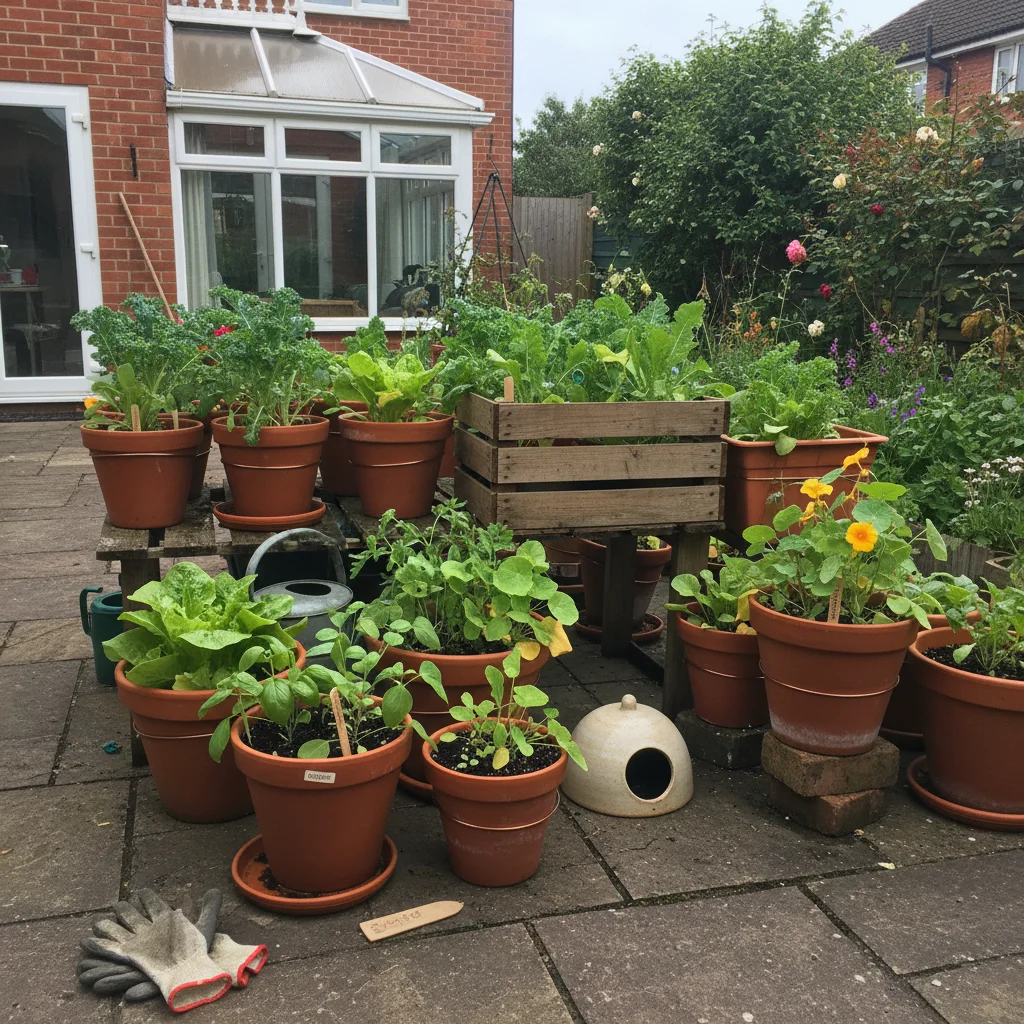
When you grow in pots, you are already making life difficult for pests. Slugs and snails have to work much harder to find your plants because they have to climb vertical surfaces. While they are surprisingly good at scaling terracotta and plastic, every extra inch of height is a barrier that slows them down.
You can take this a step further by thinking about where you place your pots. If your containers are sitting directly on a damp lawn or tucked into a shady corner of the border, you are essentially giving the slugs a bridge. By moving your most vulnerable plants—like young lettuce or marigolds—onto a paved patio or a gravelled area, you create a dry "no-man's-land" that they hate to cross.
If you have a very small space, like a balcony or a tiny courtyard, you have an even bigger advantage. You can use pot feet or even decorative stands to lift your plants off the ground. This not only helps with drainage but also limits the entry points for any hungry visitors. It’s all about making your garden the least attractive option on the street.
The magic of copper tape
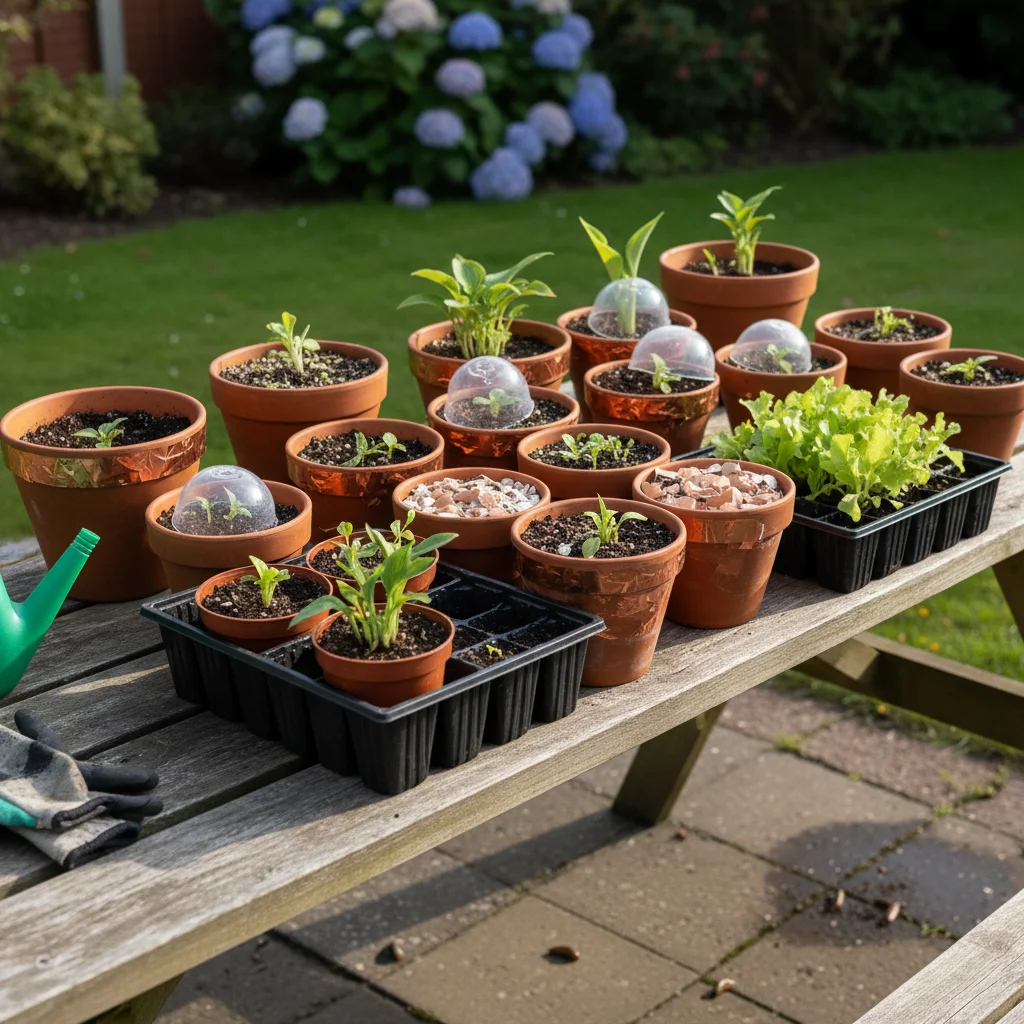
If there is one tool I wouldn't be without, it’s a roll of adhesive copper tape. It sounds like a bit of a garden myth, but it really does work. When a slug or snail touches the copper, it reacts with their slime to create a tiny, harmless electric charge. It’s not enough to hurt them, but it’s certainly enough to make them turn around and head the other way.
To make this effective, you need to apply the tape to a clean, dry pot. I usually give my pots a quick wipe with a damp cloth and let them dry in the sun before sticking the tape in a complete circle around the rim. It is vital that there are no gaps; a single break in the line is like leaving the front door wide open.
You also need to make sure that no leaves are hanging down and touching the ground or nearby walls. Slugs are clever climbers and will use a low-hanging leaf as a ladder to bypass your copper barrier entirely. Keep your plants neatly trimmed and "elevated" within the pot to ensure the copper tape can do its job properly.
Creating a rough ride with wool and grit
Slugs have very soft, delicate undersides, which means they are quite picky about the surfaces they crawl over. If you make the surface of your compost uncomfortable or drying, they will often give up before they reach the plant. There are a few natural materials that work brilliantly for this.
Wool pellets are one of my favourite discoveries for my Yorkshire plot. These are made from waste sheep’s wool and are completely biodegradable. When you spread them around the base of your plants, they swell up and create a dry, fibrous mat that slugs find almost impossible to cross. As a bonus, they slowly break down and feed your plants with nitrogen, which is great for leafy greens.
You can also use sharp grit or crushed eggshells, though these need to be applied quite thickly to be effective. If you use eggshells, make sure you wash them and bake them in the oven for a few minutes first to remove any protein residue, which can actually attract pests. Here are a few materials that work well as a top-dressing for your pots:
- Wool pellets (the most effective eco-friendly barrier)
- Sharp horticultural grit or gravel
- Crushed sea shells or cockle shells
- Coarse pine bark or wood shavings
- Clean, crushed eggshells
Using beer traps effectively in pots
The "beer trap" is a classic for a reason—it really does work. Slugs are naturally attracted to the scent of yeast and fermenting liquids. While many people bury these traps in the ground, you can easily adapt the idea for your container garden. You don't need anything fancy; an old yoghurt pot or a small plastic tub will do perfectly.
Place the container near your most precious pots and fill it halfway with the cheapest bitter or lager you can find. You don’t need to use the "good stuff" from the local craft brewery! The slugs will be lured in by the smell, crawl over the edge, and fall into the liquid. It is a very effective way to reduce the local population without using blue pellets.
The main trick with beer traps in a UK garden is protecting them from the rain. If a heavy shower hits, your trap will overflow, diluting the beer and allowing the slugs to crawl back out. I usually prop a flat stone or an old roof tile over the top of the trap, leaving just enough of a gap for the slugs to get underneath. Check them every few days and refresh the liquid to keep the scent strong.
The power of the midnight patrol
I know it doesn't sound like the most glamorous way to spend an evening, but a "slug hunt" is by far the most direct way to protect your plants. Slugs and snails are nocturnal, so while your garden might look peaceful during the day, it becomes a hive of activity once the sun goes down.
Grab a headtorch and a bucket of salty water (or a relocation box if you prefer to move them to a nearby woodland). Focus your search on the underside of pot rims and the drainage holes at the bottom, as these are the favourite hiding spots during the day. You’ll be amazed at how many you can find in just ten minutes on a damp evening.
If you do this consistently for a week or two in the spring, you can drastically reduce the number of pests in your immediate area. It’s a great way to get to know your garden better and see which plants are being targeted the most. To make your night-time patrol more effective, keep these simple things in your gardening kit:
- A bright LED headtorch to keep your hands free
- A pair of long-handled tweezers or old kitchen tongs
- A bucket with a lid for collection
- A small spray bottle of water to help spot the trails
- A notebook to track which pots are most under attack
Harnessing nature with nematodes
If you have a lot of pots and don't want to spend every night hunting, biological controls are a brilliant, "set and forget" option. Nematodes are microscopic worms that naturally live in the soil. One specific type, Phasmarhabditis hermaphrodita, specifically targets slugs.
You can buy these online as a powder that you mix with water and apply using a watering can. Once they are in the soil, they find the slugs and infect them, stopping them from feeding within a few days. It is completely safe for birds, hedgehogs, pets, and children, making it the perfect choice for a family garden or a busy patio.
The key to success with nematodes is the temperature. The soil needs to be at least 5°C for the worms to stay active, which usually means waiting until late spring in the UK. You also need to keep the compost in your pots moist for a couple of weeks after application so the nematodes can move around easily. It is an invisible army that works 24/7 to protect your plants.
Watering wisely to discourage visitors
It might sound simple, but the way you water your containers can have a huge impact on how many slugs you attract. Slugs thrive in damp, humid conditions. If you water your plants late in the evening, the surface of the soil and the foliage stay wet all night, creating the perfect playground for pests.
Try to switch your watering routine to the early morning instead. This gives the surface of the compost and the leaves time to dry out during the day. By the time the slugs wake up in the evening, the environment will be much less hospitable for them. It’s a small change that costs nothing but makes a real difference.
Another tip is to water the base of the plant directly rather than soaking the whole pot. You can even use "irrigation spikes" or an upturned plastic bottle with the bottom cut off to deliver water straight to the roots. This keeps the top layer of soil dry, which acts as a natural deterrent. Slugs hate dragging themselves across dry, dusty earth.
Choosing plants that slugs simply dislike
One of the easiest ways to have a beautiful container garden without the stress is to choose plants that slugs simply don't find appetising. While they love soft, succulent leaves like those on a hosta or a delphinium, there are plenty of stunning varieties they will leave well alone.
Plants with hairy leaves, like poppies or geraniums, are usually safe because the texture is unpleasant for them. Woody herbs like rosemary, thyme, and lavender are also great choices; the strong oils that make them taste so good to us are actually a natural repellent for slugs.
If you really want to grow hostas (and who doesn't?), look for varieties with thick, waxy leaves like 'Sum and Substance' or 'Blue Mouse Ears'. These are much tougher for slugs to chew through than the thinner-leaved types. By mixing these "slug-resistant" plants in with your more vulnerable ones, you can create a garden that is much harder for pests to navigate.
Encouraging natural predators to your patio
Even in a small space or a balcony, you can encourage nature to do the hard work for you. Many of our favourite garden visitors, like birds, frogs, and ground beetles, consider slugs and snails to be a five-star meal. By making your patio a little more wildlife-friendly, you can balance the ecosystem naturally.
If you have room, a "pot pond" is a wonderful addition to a container garden. Even a small, water-tight container filled with some aquatic plants can attract frogs. Once a frog moves in, they will happily patrol your pots for any stray slugs. Likewise, putting out a bird feeder will bring in thrushes and blackbirds, who are experts at finding snails hidden in the nooks and crannies of your containers.
Avoid using any chemical pellets, even the "pet-safe" ones, if you want to encourage wildlife. These can sometimes harm the very creatures that are trying to help you. Instead, focus on creating a diverse, healthy environment where nature can take the lead. It is much more rewarding to see a song thrush cracking a snail shell on a stone than it is to reach for a bottle of chemicals.
Keeping your container garden safe from slugs and snails doesn't have to be a constant battle. By combining a few of these simple, eco-friendly methods—like copper tape for your prize pots and a bit of morning watering—you can protect your hard work and enjoy a thriving garden. Start by picking up a roll of copper tape this weekend and applying it to your most vulnerable pots; you’ll see the difference in your plants almost immediately.