We have all been there. You have spent the spring lovingly sowing seeds, potting up your favourite herbs, and watching your 'Tumbler' tomatoes grow into lush, green beauties. Then, the summer holiday arrives. While you are looking forward to a week or two of relaxation, there is always that nagging worry about what you will find when you return.
In a typical UK summer, our weather can be incredibly unpredictable. One day it is a gentle drizzle, and the next, we are hit with a sudden heatwave that can bake a small terracotta pot in hours. It is enough to make any gardener feel a bit anxious about leaving their leafy friends behind.
The good news is that you do not need a fancy, expensive irrigation system to keep your plants happy. Whether you have a sprawling allotment or a few pots on a sunny balcony, there are plenty of simple, low-cost ways to ensure your garden stays hydrated. It is much easier than you think to set up a system that works while you are off enjoying yourself.
Start with a bit of clever preparation
Before we even look at gadgets or DIY hacks, the best thing you can do is change the environment for your plants. Most of us keep our pots in the sunniest spots to encourage growth, but when you are not there to top them up, that sun becomes an enemy. Moving your containers is the quickest way to buy them some extra time.
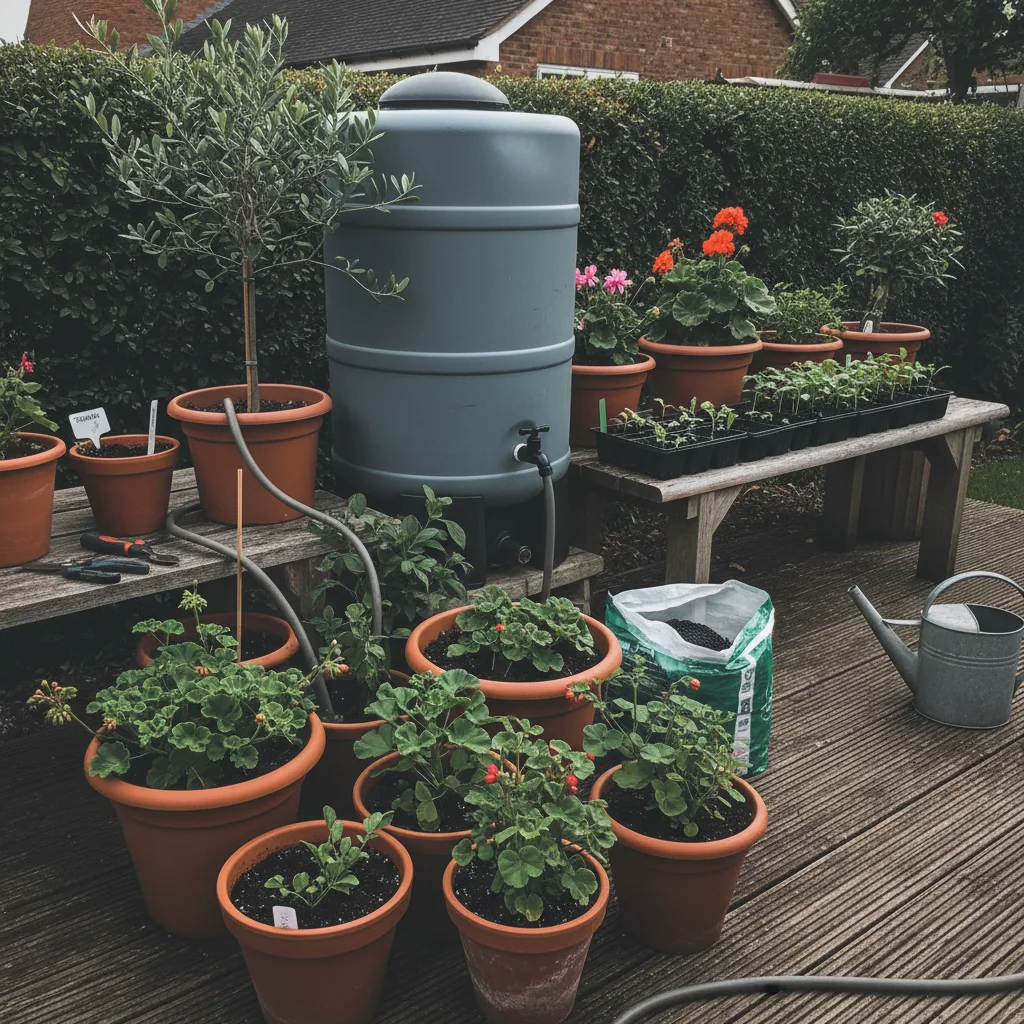
Try grouping your pots together in a cool, shady corner of the garden or against a north-facing wall. When plants are huddled together, they create their own little microclimate. They huff out moisture through their leaves, which increases the humidity around the whole group and slows down the rate at which the compost dries out.
If you have hanging baskets, take them down. Baskets are the first things to dry out because they are exposed to the wind on all sides. Tucking them into a shady spot on the ground, perhaps nestled among other pots, will keep them much cooler. It is a simple shift that makes a world of difference.
The magic of the wine bottle trick
This is one of my favourite methods because it uses things you likely already have in the recycling bin. It works brilliantly for larger pots or thirsty plants like tomatoes and courgettes. All you need is an empty glass wine bottle or a plastic water bottle and a bit of water.
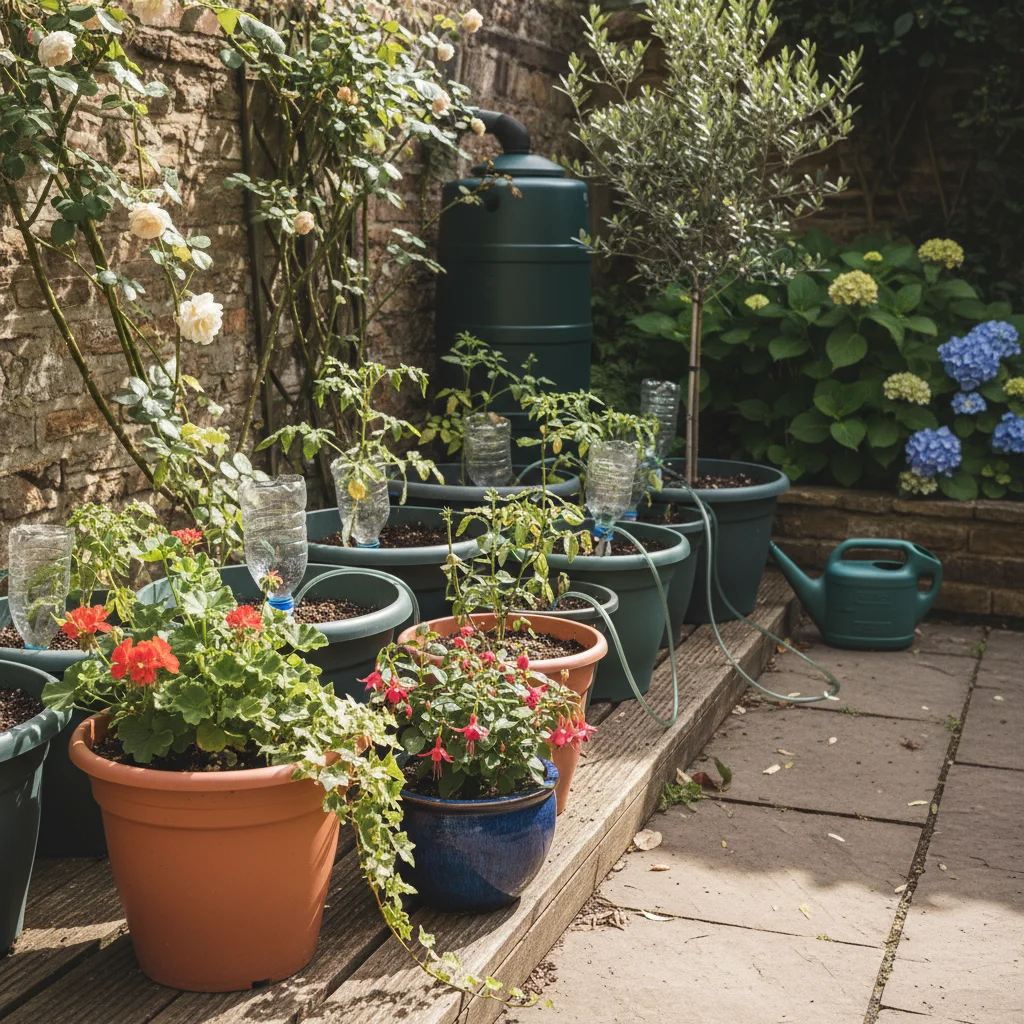
Fill the bottle with water and quickly invert it, plunging the neck several inches deep into the moist compost. You want to make sure the neck is buried deep enough so the bottle stays upright. The water will slowly seep out into the soil only as the plant needs it, providing a steady drink for several days.
If you find the water glugs out too quickly, you can tie a small piece of fabric over the opening with an elastic band before burying it. This acts as a filter and slows the flow even further. It is a fantastic way to give your plants a "drip feed" while you are away.
Setting up a simple wick system
The wick system sounds technical, but it is actually very straightforward. It relies on capillary action, which is just a fancy way of saying that water will travel along a piece of string or fabric to reach a dry area. I have used this on my kitchen windowsill for years to keep basil and parsley thriving.
You will need a large bucket or a basin of water and some lengths of absorbent material. Cotton clothesline, old shoelaces, or even strips of an old cotton T-shirt work perfectly. Place the water container on a slightly higher level than your plants, such as on a garden chair or a small stool.
Push one end of the "wick" deep into the compost of your plant and drop the other end into the bucket of water. The water will travel along the wick and keep the compost consistently moist. It is a brilliant solution for a collection of smaller pots that might otherwise struggle in the heat.
Using capillary matting for smaller pots
If you have a lot of small seedlings or herb pots, capillary matting is a lifesaver. This is a thick, felt-like material that holds onto a huge amount of water. You can find it easily at most UK garden centres or online, and it lasts for years if you look after it.
To use it, you place the matting on a flat surface, like a tray or even your kitchen draining board. Let one end of the matting hang down into a sink or a bucket filled with water. As long as the matting stays wet, any pot placed on top of it with drainage holes will suck up the moisture it needs.
This is particularly useful for those of us with limited space. You can line a tray on a balcony or a shelf in a greenhouse and pack it with your smaller containers. It ensures that no plant gets left behind, and you won't have to worry about individual bottles for every single pot.
Essential items for your watering kit
Before you head off, it helps to have a few basic supplies ready to go. You don't need to spend a fortune, and most of these items are probably already tucked away in your shed or kitchen cupboards.
- A large bucket or several 2-litre plastic bottles for water reservoirs.
- Cotton rope or thick garden twine for making wicks.
- A bag of bark chippings or ornamental gravel to use as mulch.
- A few old bricks or crates to lift water buckets above pot level.
- A roll of capillary matting for smaller containers and trays.
Having these bits and pieces on hand means you can set everything up in about half an hour the evening before you leave. It takes the stress out of the "pre-holiday rush" and gives you peace of mind.
The power of a good mulch
We often talk about mulching in the flower beds to keep weeds down, but it is just as important for container gardening. A mulch is simply a layer of material placed on top of the compost to act as a lid. It stops the sun from drawing moisture straight out of the soil.
You can use bark chippings, composted straw, or even a layer of pebbles. Before you leave, give your plants a really deep soak until the water runs out of the bottom of the pot. Then, add a thick layer of mulch—about an inch or two deep—over the surface of the compost.
This layer keeps the roots cool and significantly reduces evaporation. In our Yorkshire garden, I find that a layer of gravel on top of my herb pots not only looks lovely but keeps them going for much longer during those rare but welcome dry spells.
Investing in simple ceramic spikes
If you find yourself away from home often, it might be worth investing in some ceramic watering spikes. These are inexpensive little cones made of unglazed terracotta. They work on the same principle as the wine bottle trick but are a bit more controlled and look a little neater.
You screw a plastic bottle onto the top of the spike and push the spike into the soil. Because the terracotta is porous, the water slowly weeps through the clay and into the compost. It is a very gentle way of watering that prevents the soil from becoming waterlogged.
These spikes are great because they target the roots directly. Instead of the water sitting on the surface where it can evaporate, it goes right where the plant needs it most. They are a "set and forget" solution that works beautifully for everything from ferns to flowering perennials.
Making the most of your bathroom
For indoor plants or those that love humidity, your bathroom can be the perfect holiday home. If you have a bathroom with a window, move your houseplants into the bath or the shower tray. This is especially helpful for tropical plants that struggle in the dry air of a typical living room.
Place a few layers of wet towels or a piece of capillary matting in the bottom of the tub. Stand your plants on top and give them a good misting. The enclosed space will stay much more humid than the rest of the house, and the wet towels will provide a steady source of moisture through the drainage holes.
Just remember to leave the bathroom door open if the room doesn't have much natural light. It is a simple trick that has saved many of my leafy houseplants over the years. It is much better than asking a neighbour to come in every day to check on them.
A quick pre-departure checklist
To make sure your plants have the best chance of thriving, there are a few things you should do in the 24 hours before you head off. It only takes a few minutes but can make a huge difference to how your garden looks when you get back.
- Give every pot a very heavy soak until water flows freely from the base.
- Deadhead any fading flowers so the plant isn't wasting energy on seeds.
- Move all tender plants out of direct midday sun and into the shade.
- Check that your wicks or bottles are firmly in place and not blocked.
- Prune back any overly leggy growth to reduce the amount of water the plant needs.
Taking these steps ensures your plants are in the best possible "health" before they have to fend for themselves. It is all about reducing the stress on the plant so it can tick over quietly until you return.
Automatic timers for the busy gardener
If you have a larger collection of pots or a greenhouse, you might want to consider a basic tap timer. These are battery-operated devices that screw onto your outside tap. You can set them to turn on for a few minutes every morning or evening.
You can attach a "leaky hose" or a drip irrigation kit to the timer. These kits come with thin tubes and small drippers that you can place in each individual pot. It sounds complicated, but most modern kits are "push-fit" and very easy to assemble without any special tools.
This is a more "permanent" solution, but it is incredibly reliable. It means your plants get a fresh drink at the same time every day, regardless of the weather. For anyone growing veg in containers, like tomatoes or cucumbers, this consistency is the key to a bumper harvest.
Choosing the right pots for the future
If you are just starting out or looking to add more containers to your collection, it is worth thinking about the material of the pot. Terracotta looks beautiful and classic, but it is porous. This means water evaporates through the sides of the pot as well as the top.
Plastic, metal, or glazed ceramic pots hold onto moisture for much longer. If you love the look of terracotta, you can always use a plastic pot as a liner inside a larger clay one. This gives you the best of both worlds: the aesthetic you want and the moisture retention your plants need.
There are also "self-watering" pots available now. These have a built-in reservoir at the bottom and a wicking system that draws water up into the compost. They are a bit more of an investment, but for a busy person who loves gardening, they are an absolute game-changer.
What to do when you get home
When you finally return from your holiday, your first stop—after a cup of tea, of course—should be the garden. Even with the best systems in place, some plants might look a little tired or thirsty, especially if the UK has had a surprise heatwave while you were away.
If a pot has dried out completely, the compost can sometimes become "hydrophobic," which means it actually repels water. If you pour water on top, it just runs down the sides and out the bottom without soaking in. To fix this, submerge the whole pot in a bucket of water for half an hour until the bubbles stop rising.
Give your plants a gentle feed with a liquid seaweed fertiliser to help them recover from the stress. Within a day or two, they should perk right back up. Most plants are remarkably resilient, and with the systems we’ve talked about, they will likely be looking just as good as when you left.
Setting up these simple watering solutions means you can head off on your travels without a second thought for your garden. It is all about working with nature and using a few clever tricks to keep things ticking over. Now all that is left to do is pack your bags and enjoy your well-earned break, knowing your pots are in safe hands.