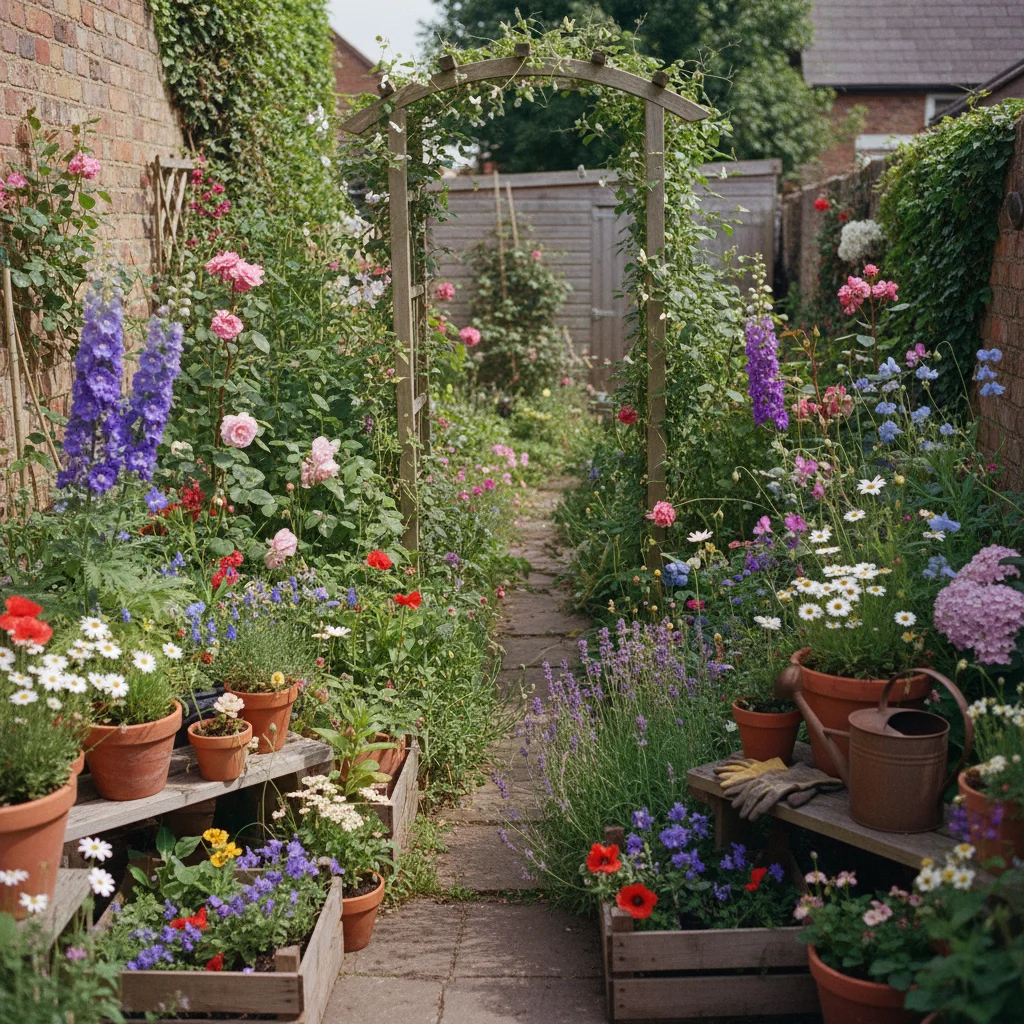
You don’t need a rolling acre in the Cotswolds or a thatched roof to enjoy the romantic, wild charm of a cottage garden. Even if your "estate" consists of a few terracotta pots on a south-facing balcony or a tiny paved courtyard in the middle of London, you can still create that iconic look. The secret isn't the size of the plot; it’s the density of the planting and the choice of flowers that bring in the bees.
Cottage gardening is actually the perfect style for those of us with limited space and busy lives. It’s supposed to look a bit lived-in and informal, which is a relief when you don't have time to manicure a lawn. By focusing on a few classic varieties and packing them into every available corner, you can turn a grey urban space into a nectar-rich sanctuary for butterflies and a fragrant retreat for yourself.
Scaling Down the Cottage Look
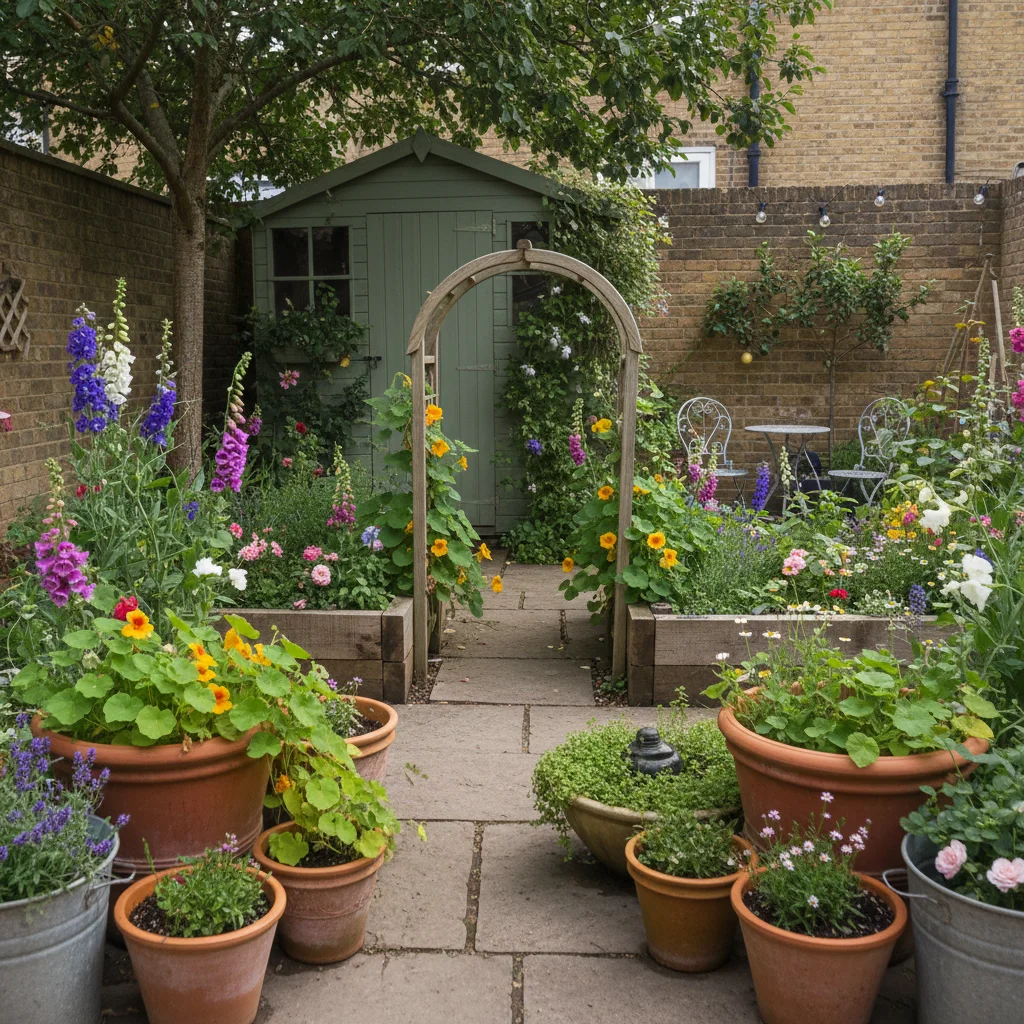
When we think of cottage gardens, we often imagine towering hollyhocks and massive clumps of delphiniums. In a small garden or on a balcony, these can sometimes feel a bit overwhelming, or worse, they can catch the wind and snap. The trick is to look for compact versions of these classic British favourites. Many modern cultivars offer the same ruffled petals and soft colours but are bred specifically for life in a container.
Vertical space is your best friend when the floor area is tight. Instead of trying to fit a wide shrub into a corner, think about climbing plants that can scramble up a trellis or a set of wires. A climbing rose or a clematis can provide a massive amount of "flower power" while only taking up the footprint of a single large pot. This keeps your floor space clear for a small bistro set or more pots.
Don't be afraid to mix your plants together. The traditional cottage style is all about "controlled chaos." We want to avoid the lonely look of one plant per pot with lots of bare soil showing. In a larger container, you can under-plant a tall foxglove with trailing lobelia or silver-leafed lamium. This creates a lush, layered effect that mimics a traditional border and helps keep the soil cool and moist.
Choosing Your Pollinator Heroes
If you want to see your garden come alive with the hum of bees, you need to provide a variety of flower shapes. Different bees have different tongue lengths, so a mix of flat daisies and deep bell-shaped blooms ensures everyone gets a meal. In a small urban space, these insects are often desperate for a pit stop, so even a single window box can make a genuine difference to local wildlife.
Lavender is an absolute must-have for any UK cottage garden. It’s hardy, drought-tolerant once established, and the bees simply cannot resist it. For small spaces, I always recommend 'Hidcote' or 'Munstead'. These are English lavenders (Lavandula angustifolia) that stay much more compact than the sprawling French varieties. They love the heat that radiates off brick walls, making them perfect for sunny patios.
Foxgloves are the queens of the cottage border, but the wild ones can reach six feet tall. For a balcony or small terrace, look for the 'Dalmatian' series. These stay around two feet tall but still produce those gorgeous, spotted bells that bumblebees love to crawl inside. They are technically biennials or short-lived perennials, but they often self-seed, giving you free plants for the following year.
| Flower Name | Best for Small Spaces | Flowering Period | Wildlife Value |
|---|---|---|---|
| Lavender | 'Hidcote' (Compact) | June - August | High (Bees) |
| Foxglove | 'Dalmatian' Series | May - July | High (Bumblebees) |
| Scabious | 'Butterfly Blue' | June - September | Very High (Butterflies) |
| Erigeron | Mexican Fleabane | May - October | Medium (Hoverflies) |
| Cosmos | 'Sonata' (Dwarf) | July - October | High (Generalists) |
Managing Pots and Containers
Most of us in the city are gardening in pots, and while this gives us great flexibility, it does come with a few rules. The most important is watering. Pots dry out much faster than the ground, especially if they are made of porous terracotta or are sitting on a windy balcony. We’ve all had that moment where we come home to a wilted plant after a hot Tuesday in July.
To make life easier, choose the largest pots you can fit in your space. A single large pot holds more compost and retains moisture much longer than three small ones. It also protects the roots from extreme temperature swings. If you’re worried about the weight on a balcony, use a mix of lightweight compost and perlite, and choose high-quality plastic or resin pots that mimic the look of stone or clay.
Feeding is the other essential part of the pot-gardening puzzle. Because the plants can’t send their roots out into the soil to find nutrients, they rely entirely on what you give them. Once your cottage flowers start forming buds, give them a liquid seaweed feed or a high-potash tomato fertiliser every two weeks. This keeps the flower production going right through until the first frosts of autumn.
Dealing with Shade and Wind
Not every urban garden is a sun-drenched paradise. Many of us are dealing with "canyon" gardens between tall buildings or balconies that only get a few hours of light a day. You can still have a cottage garden in the shade; you just need to shift your plant palette. Instead of sun-loving lavender, look towards hardy geraniums (cranesbill), bleeding hearts (Lamprocapnos spectabilis), and astrantia.
Wind is the other big challenge for high-rise gardeners. A gusty balcony can shred the delicate leaves of a cosmos in minutes. If you’re high up, stick to lower-growing, mound-forming plants that hug the soil. Erigeron karvinskianus, also known as Mexican Fleabane, is a tough-as-nails little daisy that grows in the cracks of walls and handles wind beautifully. It flowers for months and looks exactly like a miniature wildflower meadow.
If you do have a windy spot but desperately want height, make sure you stake your plants early. Use bamboo canes or circular metal supports before the plant gets too tall. It’s much easier to grow a plant into its support than it is to try and tie up a snapped stem after a summer storm. For a more "cottage" look, use hazel twigs or birch brushwood instead of green plastic stakes.
Essential Flowers for Urban Cottage Gardens
When space is at a premium, every plant has to earn its keep. You want long flowering seasons, great scent, and minimal fuss. I've narrowed down the absolute best performers that bring that classic look to a small footprint.
- Scabious 'Butterfly Blue': This is a powerhouse of a plant. It produces soft, pincushion-like flowers on wiry stems from early summer right into the autumn. It stays in a neat mound and is a magnet for small tortoiseshell butterflies.
- Hardy Geraniums: Not to be confused with the red bedding "pelargoniums," these are tough perennials. 'Rozanne' is a fantastic variety that scrambles through other plants and produces violet-blue flowers for months on end.
- Cosmos 'Sonata': Most cosmos get very tall and floppy, but the 'Sonata' series stays at a manageable 12-18 inches. They are easy to grow from seed in the spring and will flower until the first frost if you keep picking the dead heads.
- Night-Scented Stocks: These might look a bit scruffy during the day, but the evening scent is incredible. Tuck a pot of these near your door or seating area to enjoy that classic honey-vanilla fragrance as the sun goes down.
- Sweet Peas: You only need a small pot and a few canes to grow these. They provide height, scent, and endless bunches of flowers for your kitchen table. The more you pick them, the more they grow.
Planting and Maintenance Tips
The best time to start your cottage garden is in the spring, once the risk of heavy frost has passed (usually mid-May in London, but a bit later further north). However, you can also plant hardy perennials in the autumn while the soil is still warm. This gives them a chance to establish their roots over winter so they can explode into life the following spring.
Deadheading is the single most important job in a cottage garden. When a flower fades, it starts to produce seeds, which tells the plant its job is done. By snipping off the dead blooms, you trick the plant into producing more flowers. It only takes five minutes with a pair of snips or even your fingernails, but it can extend your flowering season by weeks.
Don't be too tidy. Part of the charm of this style is the way plants spill over the edges of pots and soften the hard lines of a patio. Let the Mexican fleabane seed itself into the gaps between your paving slabs, and don't worry if a stray poppy pops up in your lavender pot. This "relaxed" approach is what makes the garden feel like a genuine sanctuary rather than a chore.
Creating a Year Round Oasis
While we focus on the summer peak, a good cottage garden should have something to look at in the colder months too. In a small space, we don't want to be staring at empty pots of dirt all winter. You can under-plant your summer perennials with spring bulbs like crocuses and miniature daffodils (try 'Tête-à-tête' for pots). These will pop up in February and March before the main stars of the show take over.
Evergreen structure is also important. A small box ball (Buxus) or a compact yew can provide a green backdrop that keeps the garden looking "furnished" even in December. You can also leave the seed heads on plants like scabious or sedums over the winter. Not only do they look beautiful when covered in frost, but they also provide vital food and shelter for over-wintering insects.
The beauty of cottage gardening is that it’s never really finished. You can swap pots around, try new seeds every spring, and learn what works best in your particular microclimate. Whether you have a tiny balcony or a small backyard, these classic flowers will bring a bit of the British countryside right to your doorstep.
If you’re ready to start your own urban oasis, grab a few large pots and a bag of peat-free compost this weekend. Start with a lavender and a few cosmos seeds, and you’ll be surprised how quickly the bees find you. For more tips on making the most of your outdoor space, take a look at our other guides on container gardening.