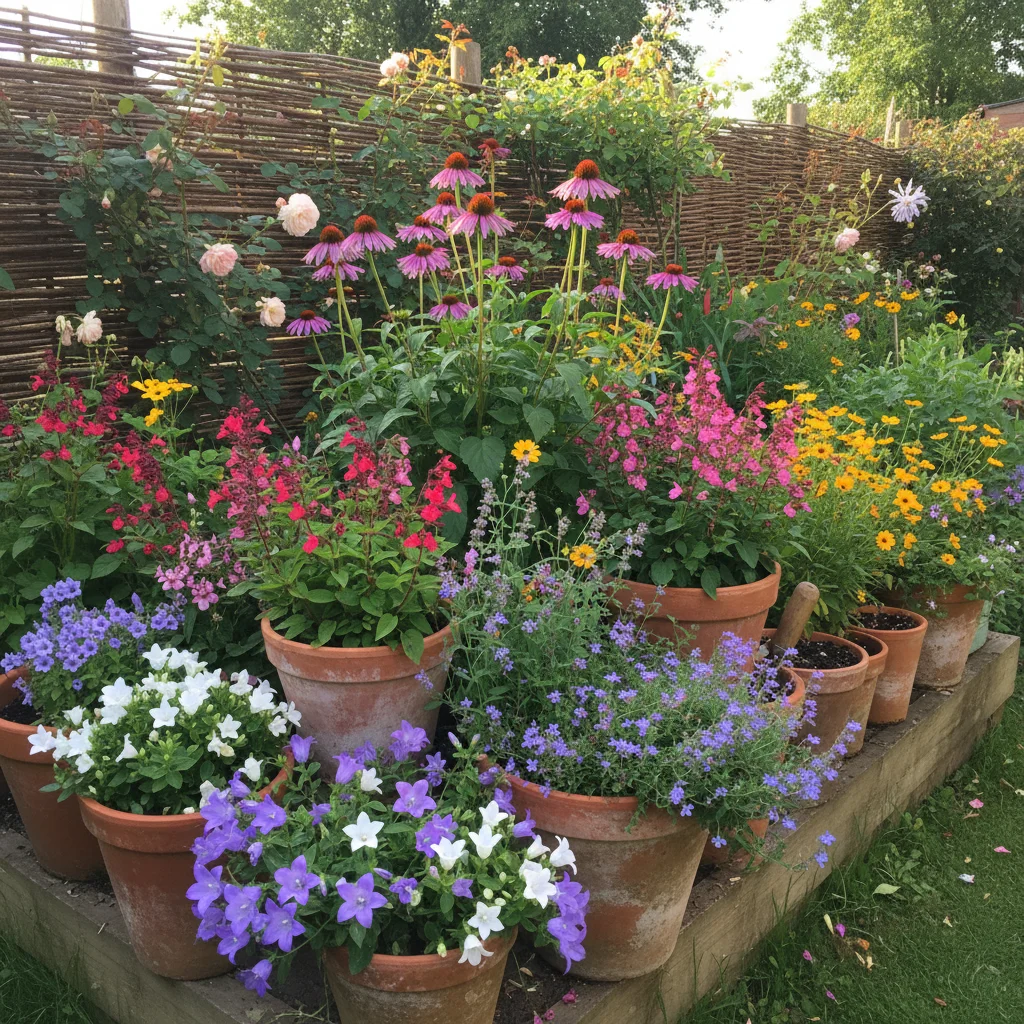
We have all been there. You spend a sunny Saturday at the garden centre, fill the car with trays of bright bedding plants, and spend hours tucking them into pots. Then, life gets in the way. A busy week at work or a few days away from home, and those thirsty annuals have turned into crispy brown skeletons. It is frustrating, expensive, and enough to make anyone think they simply aren't "good at gardening."
The secret to a beautiful outdoor space that doesn't demand your constant attention is switching your focus to perennials. These are the plants that stay with you. Unlike annuals that bloom once and die, perennials go dormant in the winter and burst back into life every spring. They are the backbone of any sensible UK garden, especially when you are working with the constraints of a balcony, a small patio, or a tiny urban courtyard.
In our city spaces, we often face challenges that traditional gardening books ignore. We deal with wind tunnels between high-rise buildings, the "heat island" effect that makes London summers feel like a furnace, and the reality of growing everything in containers. Choosing the right low-maintenance perennials means you can stop fighting against your environment and start enjoying a bit of greenery with your morning coffee.
The Perennial Advantage for Small Spaces
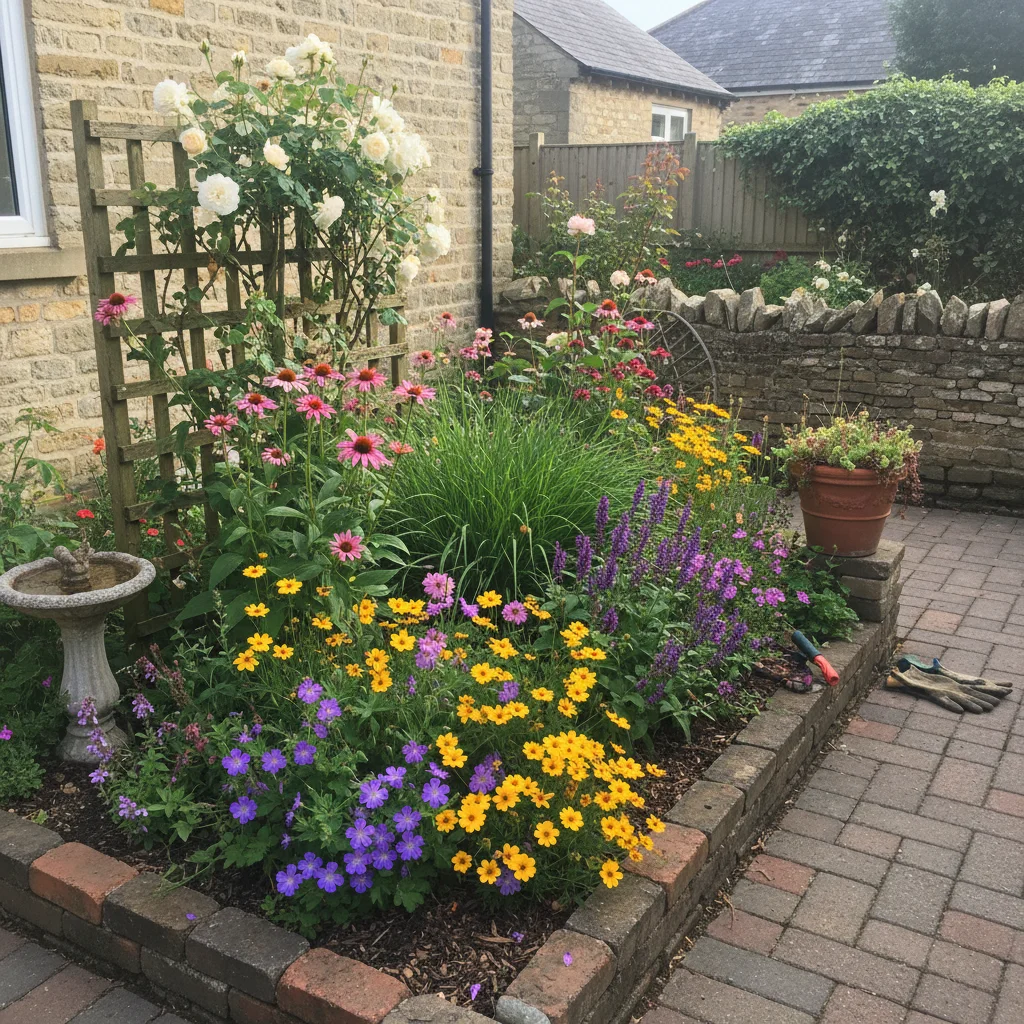
When space is at a premium, every pot has to earn its keep. Perennials are a brilliant investment because they get better with age. A small 9cm pot of hardy geranium might look modest when you first buy it, but within two or three years, it will have filled its container with a lush mound of foliage and hundreds of flowers. This saves you the annual trek to buy new plants and keeps your garden looking established rather than temporary.
These plants also tend to be much more resilient than the delicate bedding plants sold in supermarkets. Because they have to survive UK winters, they have developed deeper root systems and tougher leaves. They can handle a bit of neglect, a missed watering session, or a sudden cold snap in April. For those of us with busy schedules, this reliability is worth its weight in gold.
Growing perennials in pots also allows you to be flexible. If a plant isn't happy in a shady corner, you can simply pick up the pot and move it to a sunnier spot. Over time, you’ll learn exactly what thrives in the microclimate of your specific balcony or patio. You are building a permanent collection of plants that work for you, rather than starting from scratch every May.
Hardy Geraniums for Constant Colour
If you only ever plant one perennial, make it a hardy geranium. These are not to be confused with the upright, red-flowered pelargoniums you see in window boxes. Hardy geraniums, or cranesbills, are tough, sprawling plants that are practically impossible to kill. They are the ultimate "fillers," weaving through other plants and covering the soil with pretty, notched leaves that help suppress weeds.
The variety 'Rozanne' is perhaps the most famous for a reason. It starts flowering in early summer and often continues right through until the first hard frosts in November. It is a fantastic choice for a large pot or a hanging basket because it has a lovely trailing habit. It doesn't mind a bit of shade, but it will flower most prolifically if it gets a few hours of sun each day.
To keep them looking their best, you really only need to do one thing. When the first flush of flowers starts to look a bit tatty in mid-summer, grab a pair of kitchen scissors and hack the whole plant back to about two inches above the soil. It feels brutal, but within a fortnight, you will have fresh new leaves and a second round of flowers. It is the lowest effort way to get a "new" plant for free.
Heucheras for Shady Corners
Many urban gardens and balconies are tucked away in the shadows of taller buildings. While many flowering plants struggle without direct sunlight, Heucheras thrive in these cooler, dimmer spots. They are grown primarily for their incredible foliage, which comes in every shade from lime green and silver to deep, burnt orange and almost-black purple.
They are incredibly compact, making them perfect for window boxes or small troughs. Because they are semi-evergreen in the UK, they provide much-needed colour during the grey winter months when everything else has retreated underground. In early summer, they send up delicate wands of tiny flowers that bees absolutely love, but the leaves are the real stars of the show.
The only real enemy of a Heuchera is vine weevil, a common pest in container gardening. You can easily manage this by adding a bit of grit to the top of your pots or using a simple biological control once a year. Aside from that, they just need a bit of water when the compost feels dry. They are the perfect set-and-forget plant for adding a designer look to a shady patio.
Lavender for Sunny Patios
For those lucky enough to have a south-facing balcony or a sunny front doorstep, lavender is an essential. It loves the heat that radiates off brickwork and paving, and it is remarkably drought-tolerant once established. There is nothing quite like the scent of lavender catching the breeze on a warm July evening in the city.
In a small space, it is best to stick to English Lavender varieties like 'Hidcote' or 'Munstead'. These stay much more compact and tidy than the larger French types. They need very little in the way of feeding; in fact, they prefer relatively poor soil. The most important thing is drainage. Make sure your pots have plenty of holes and mix some grit into your compost to keep the roots from getting soggy during a wet British winter.
Pruning lavender is the only "big" job, and it only takes five minutes. Once the flowers have faded in late August, simply snip off the flower stalks and about an inch of the green leafy growth. Just be careful not to cut back into the old, woody stems, as lavender won't regrow from old wood. This quick trim keeps the plant from getting leggy and ensures it stays a neat, silvery mound for years.
Mexican Fleabane for Small Gaps
Erigeron karvinskianus, often called Mexican Fleabane, is the plant I recommend to everyone who thinks they have no room for a garden. It is a tiny, daisy-like perennial that will grow in the smallest of gaps. I have seen it thriving in the cracks of concrete steps, tucked into the corners of wall-mounted planters, and spilling over the edges of tiny pots.
It produces a sea of small white flowers that slowly turn pink as they age, giving the plant a beautiful two-tone effect. It flowers for months on end and is incredibly attractive to pollinators. Even in the middle of a bustling city, you will see hoverflies and small bees visiting these tiny daisies. It is a tough little plant that handles wind and heat with total ease.
The best part about Erigeron is that it often self-seeds. This means it will pop up in other pots or nearby cracks, creating a natural, cottage-garden feel in even the most industrial urban setting. If it ever gets too big or starts looking a bit messy, you can just pull chunks of it away or trim it back with shears. It is the definition of a low-maintenance, high-reward plant.
Sedums for Drought Resistance
If you are the kind of person who regularly forgets to water your plants, sedums (now technically called Hylotelephium) are your best friends. These succulents have thick, fleshy leaves that store water, allowing them to survive for long periods without a drop of rain. They are perfect for rooftop gardens or balconies where the wind can dry out pots in a matter of hours.
'Autumn Joy' is a classic variety that provides interest throughout the year. In spring, it produces lovely broccoli-like heads of green buds. These turn pink in late summer and eventually deepen to a rich rusty red in the autumn. Even when the flowers die back, the dried seed heads look beautiful covered in frost during the winter.
Sedums are also fantastic for city wildlife. They are one of the best nectar sources for butterflies and bees late in the season when other flowers have finished. They require zero pruning and very little fertiliser. Just make sure they are in a sunny spot and have well-draining soil, and they will happily look after themselves while you get on with your life.
Hellebores for Winter Interest
We often think of gardening as a summer activity, but when you live in a city, having something green to look at in February is a huge mood booster. Hellebores, or Christmas Roses, are the royalty of the winter garden. They produce large, elegant, bowl-shaped flowers in shades of white, pink, and deep plum right when everything else is dormant.
They are very happy in pots, provided the pots are deep enough to accommodate their long roots. They prefer a bit of shade, so they are great for placing near a doorway or on a balcony that doesn't get much direct sun. The leathery green leaves are evergreen, so the pot will never look empty.
The only maintenance required is a quick tidy-up in mid-winter. Simply snip off the old, tatty leaves from the previous year to reveal the new flower buds emerging from the centre. This not only makes the plant look better but also prevents any fungal diseases from hiding in the old foliage. It is a small task that rewards you with weeks of elegant winter blooms.
Choosing the Right Kit
You don't need a shed full of expensive tools to maintain a beautiful perennial garden. In fact, if you are gardening on a balcony or a small patio, less is definitely more. Keeping your kit simple makes it much easier to nip outside and do five minutes of "pottering" without it feeling like a major chore.
Before you head to the garden centre, it helps to have a few basics ready. Having the right essentials on hand means you can plant up your new perennials as soon as you get them home, giving them the best start in their new environment.
- A sturdy hand trowel for planting and weeding.
- A pair of sharp secateurs or heavy-duty kitchen scissors for pruning.
- A long-reached watering can (especially helpful for high shelves).
- A bag of good quality peat-free multi-purpose compost.
- A small bag of horticultural grit to improve drainage in pots.
- A pair of lightweight gardening gloves to keep your hands clean.
Potting Up for Success
When you bring your new perennials home, the way you plant them will determine how much work you have to do later. The biggest mistake people make in small-space gardening is using pots that are too small. Small pots dry out incredibly quickly, meaning you’ll be slave to the watering can all summer. Choose the largest pot that will comfortably fit in your space.
Always check for drainage holes. If your decorative pot doesn't have any, keep the plant in its plastic nursery pot and use the decorative one as a "sleeve." This prevents the roots from sitting in stagnant water, which is the fastest way to kill a hardy perennial. Adding a layer of grit or broken bits of old pots (crocks) at the bottom can also help water flow through more easily.
When it comes to compost, don't skimp. Look for a peat-free variety that contains a bit of slow-release fertiliser. This will feed your plants for the first few months, so you don't have to worry about adding liquid feed every week. If you are planting something that will stay in the same pot for years, like a lavender or a hellebore, mixing in a handful of "John Innes No. 3" compost will provide more stability and nutrients over the long term.
Simple Ways to Keep Plants Happy
Even the most low-maintenance plants need a little bit of love to look their best. The goal is to move away from "emergency gardening" and towards "observational gardening." This just means taking a quick look at your pots while you are outside. It is much easier to give a plant a quick drink when it starts to look slightly soft than to try and revive it after it has completely wilted.
Watering is the most frequent task. In the height of a UK summer, pots on a balcony can dry out in a single afternoon. To make this easier, try to water in the early morning or late evening. This ensures the water reaches the roots rather than evaporating in the sun. If you find yourself forgetting, you can buy simple glass watering globes or even use an upturned wine bottle filled with water to provide a slow drip-feed.
- Check the soil with your finger; if it feels dry an inch down, it needs water.
- Group pots together to create a humid microclimate and reduce evaporation.
- Deadhead faded flowers to encourage the plant to produce more.
- Add a thin layer of decorative gravel or mulch to the top of pots to lock in moisture.
- Move pots into the shade if you are going away for a hot weekend.
Winter Care Without the Fuss
One of the best things about perennials is that they don't need much protection from the British winter. Most of the plants we have discussed are "fully hardy," meaning they can withstand temperatures well below freezing. However, plants in pots are slightly more vulnerable than those in the ground because the frost can attack the roots through the sides of the container.
If a particularly nasty cold snap is forecast, you can wrap your most precious pots in a bit of bubble wrap or moving blankets. Alternatively, just move them close to the walls of the house, which will radiate a small amount of warmth. For most perennials, the biggest winter danger isn't the cold; it is the wet. Make sure your pots aren't sitting in saucers of water during the rainy months.
In late autumn or early spring, you can tidy up any dead stems that have turned brown. Some people like to leave them over winter to provide a home for ladybirds and other helpful insects. When you see new green shoots appearing at the base of the plant in March, that is your signal to clear away the old growth. It is a wonderful moment that marks the start of a new growing season.
The beauty of a low-maintenance perennial garden is that it gives back far more than it takes. By choosing tough, reliable plants that suit our urban environment, we can create a little oasis of calm without adding another "to-do" list to our lives. Start with just two or three pots this season, and you will soon find that gardening isn't a chore, but a way to bring a bit of the wild into your corner of the city.