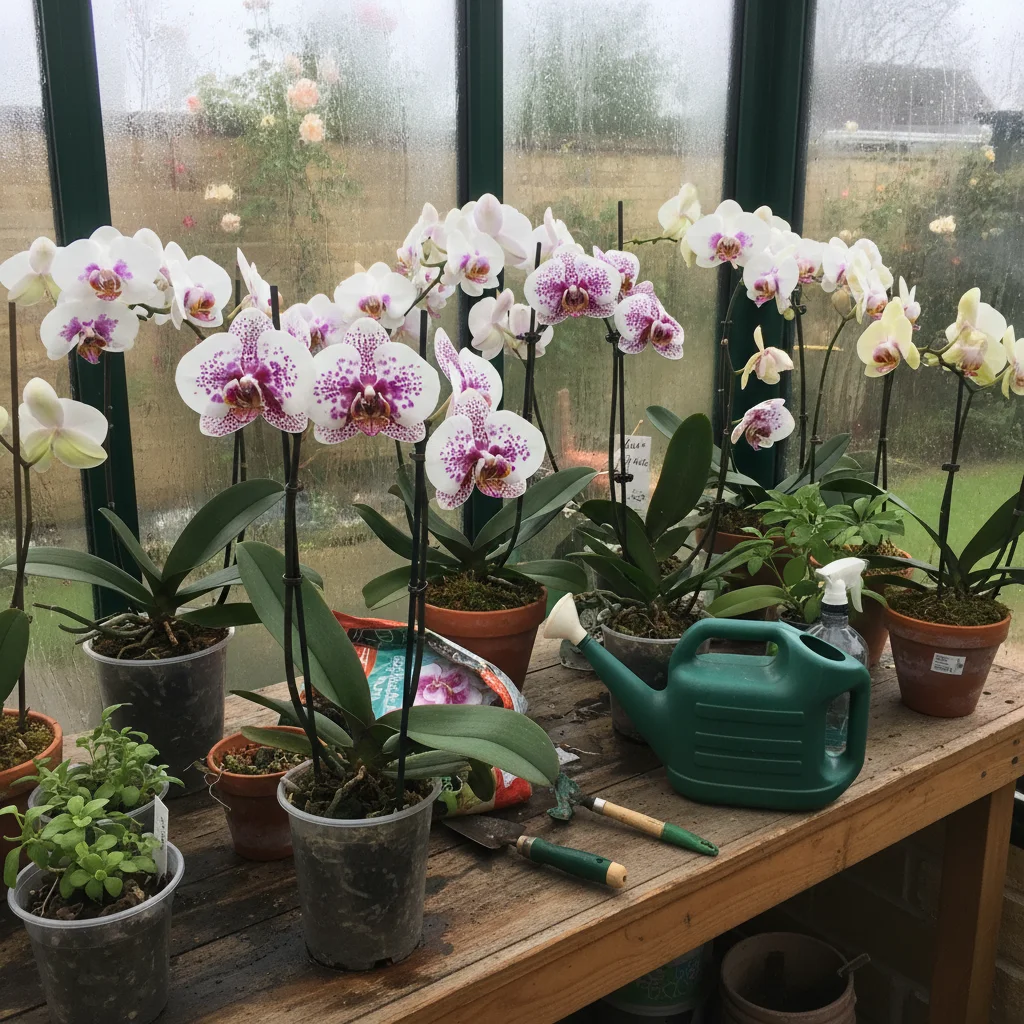
Orchids have a reputation for being fussy and difficult, but that doesn't have to be the case. With a few simple tricks, you can keep your orchid happy and blooming, even if you're a complete beginner. The key is understanding their natural environment and mimicking it as closely as possible in your home.
Choosing the Right Orchid
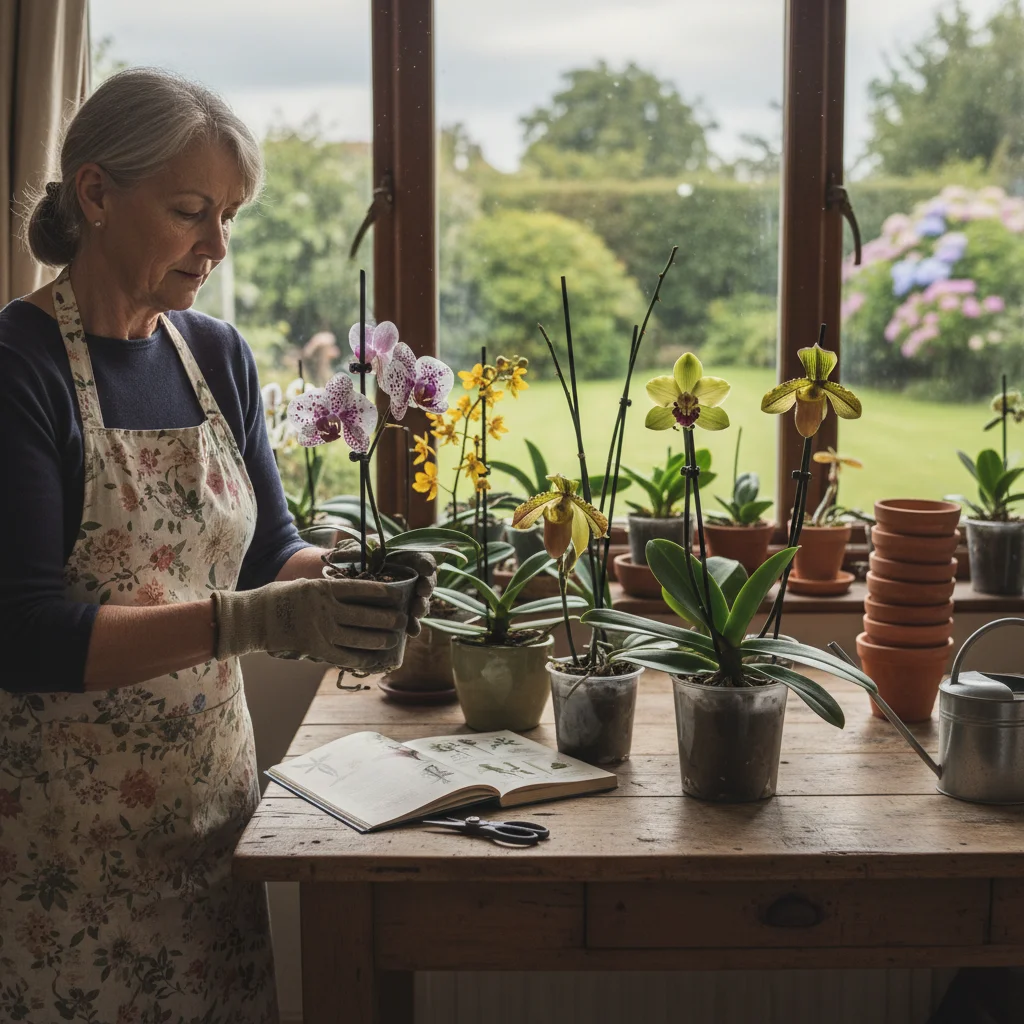
Not all orchids are created equal, especially when it comes to indoor growing. Phalaenopsis orchids, often called moth orchids, are the most common and easiest to care for. They're readily available in garden centres and supermarkets, and they're quite forgiving of beginner mistakes. Avoid more exotic varieties until you've gained some experience.
Look for plants with healthy, green leaves and firm roots. Avoid plants with yellowing leaves, mushy roots, or signs of pests. A few brown spots are usually nothing to worry about, but widespread damage is a red flag.
Getting the Light Right
Orchids need bright, indirect light to thrive. A south- or east-facing windowsill is ideal, but be careful to avoid direct sunlight, which can scorch the leaves. If you're growing orchids in a darker room, you may need to supplement with a grow light.
You'll know your orchid isn't getting enough light if the leaves are dark green and it's not flowering. If the leaves are reddish or yellow, it's getting too much light.
Watering Wisely
Overwatering is the most common cause of orchid death. Orchids are epiphytes, meaning they grow on other plants and don't like to sit in soggy soil. The frequency of watering will depend on your environment, but generally, you should water your orchid every 1-2 weeks.
Here's how to water your orchid properly:
- Check the potting mix: Stick your finger into the potting mix. If it's dry to the touch, it's time to water.
- Water thoroughly: Take your orchid to the sink and water it thoroughly, allowing the water to drain out of the bottom of the pot.
- Don't let it sit in water: Make sure all the excess water has drained away before returning the orchid to its spot. Never let the pot sit in a saucer of water, as this will lead to root rot.
Providing the Right Humidity
Orchids love humidity, which can be a challenge in many homes, especially during the winter months when the heating is on. Here are a few ways to increase the humidity around your orchid:
- Use a humidifier: A humidifier is the most effective way to increase the humidity in a room.
- Place the orchid on a pebble tray: Fill a tray with pebbles and water, and place the orchid pot on top of the pebbles. As the water evaporates, it will increase the humidity around the plant.
- Group orchids together: Grouping plants together creates a microclimate of higher humidity.
Feeding Your Orchid
Orchids need regular feeding to stay healthy and bloom. Use a balanced orchid fertiliser diluted to half strength, and feed your orchid every 2-4 weeks during the growing season (spring and summer). Reduce feeding during the winter months when the plant is dormant.
Repotting Your Orchid
Orchids need to be repotted every 1-2 years, or when the potting mix starts to break down. Use a special orchid potting mix, which is coarser than regular potting soil and allows for good drainage.
When repotting, gently remove the orchid from its old pot and remove any dead or decaying roots. Place the orchid in a new pot and fill it with fresh potting mix. Water thoroughly after repotting.
Encouraging Blooms
Getting your orchid to rebloom can be a challenge, but it's definitely possible. Here are a few tips:
- Provide a temperature drop: Orchids need a temperature drop of about 10-15 degrees Fahrenheit at night to initiate blooming.
- Give it a rest: After blooming, reduce watering and feeding to give the orchid a rest period.
- Be patient: It can take several months for an orchid to rebloom, so don't give up!
With a little bit of knowledge and care, you can enjoy beautiful orchid blooms in your home for years to come. Don't be afraid to experiment and find what works best for your plant and your environment. Your first orchid success is closer than you think – imagine the joy of seeing those first buds appear, a splash of the tropics thriving right here in the UK!