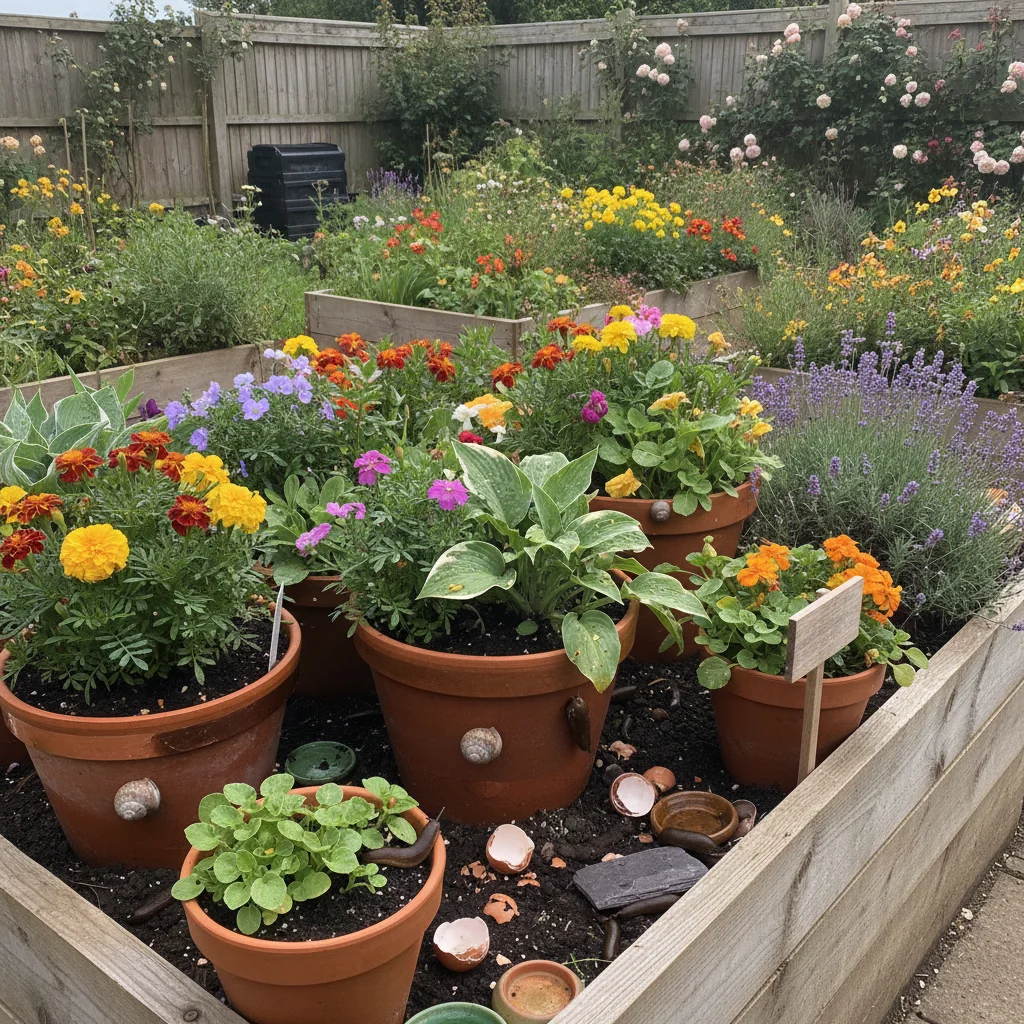
We have all been there. You spend a Saturday afternoon carefully potting up some beautiful Petunias or Marigolds on your balcony, only to wake up the next morning to find nothing but sticky silver trails and jagged green stumps. It is one of the most frustrating experiences for any gardener, especially when you are working with a limited number of plants in a small urban space. In a large garden, losing one or two hostas is a nuisance, but on a window sill or a small patio, it can feel like your entire display has been wiped out overnight.
Living in London, I have learned that slugs are surprisingly adventurous. They don't just stick to the ground; they will happily scale brick walls, climb up drainpipes, and navigate their way into third-storey window boxes if there is a tasty snack waiting for them. Because many of us garden in close quarters with our neighbours or have pets and children running around small patios, using harsh chemical pellets isn't just bad for the environment—it often feels too risky for our immediate living space.
The good news is that you do not need a shed full of toxic chemicals to win this battle. By understanding how these gastropods move and what they dislike, we can create a flower display that remains lush and hole-free all summer long. Whether you are dealing with a few pots or a tiny courtyard, these practical, urban-friendly methods will help you reclaim your flowers from the slimy invaders.
Create a Barrier They Cannot Cross
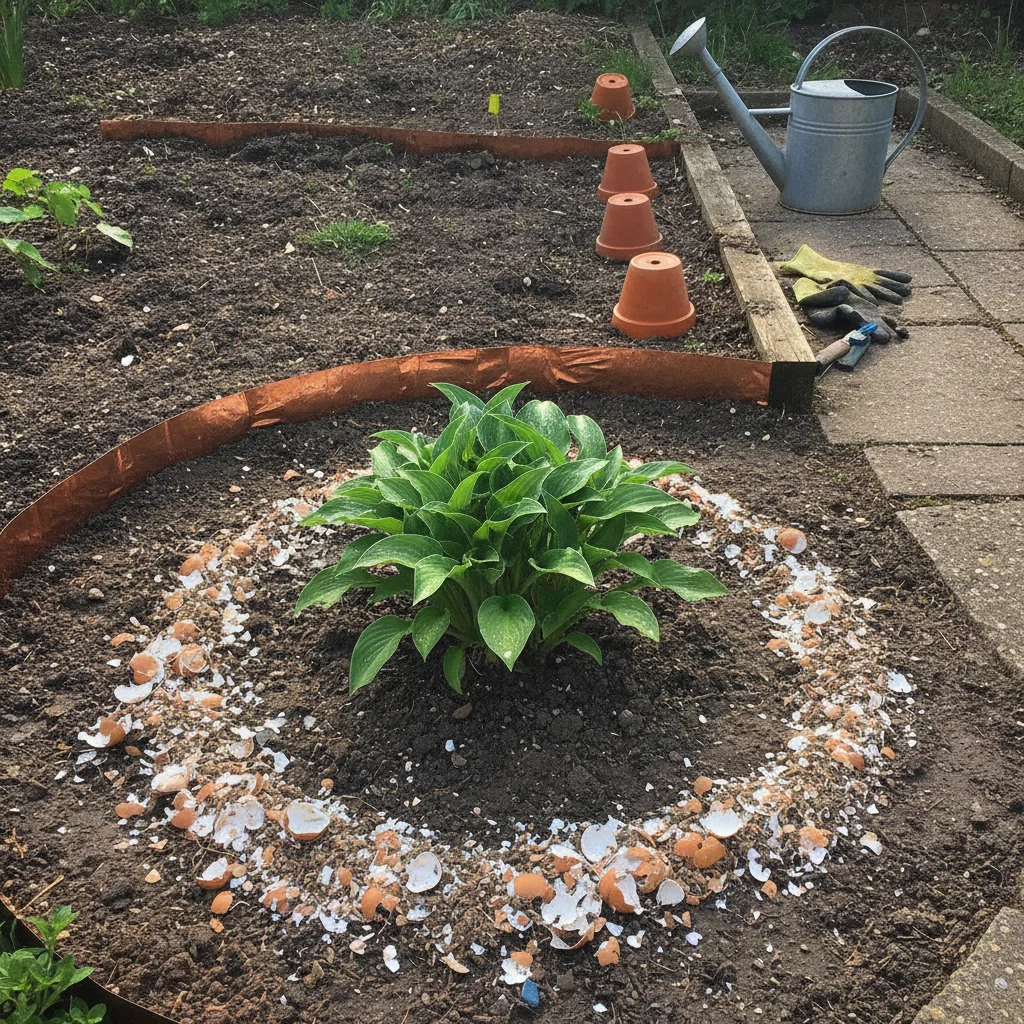
One of the most effective ways to protect container-grown flowers is to use copper tape. This is a game-changer for those of us with pots and troughs because it is clean, easy to apply, and lasts for a long time. When a slug tries to cross the copper, it reacts with their slime to produce a tiny, harmless electric shock that sends them heading in the opposite direction.
To make this work, ensure you wipe the rim of your pot clean and dry before sticking the tape down in a complete loop. If there is even a tiny gap in the circle, the slugs will find it. I always recommend placing the tape near the top of the pot so that trailing leaves don't create a "bridge" over the barrier. If a leaf touches the ground or a nearby wall, the slug will simply walk across the leaf and bypass your copper defences entirely.
For those gardening in small borders or raised beds, sheep's wool pellets are a fantastic alternative. These are made from waste wool and form a textured mat that slugs find incredibly uncomfortable to crawl over. As a bonus, the wool eventually breaks down and adds nitrogen to your soil, which your flowers will love. It is a win-win for your plants and the environment, and it looks much more natural than blue chemical pellets.
Use Kitchen Scraps to Protect Your Blooms
You don't always need to head to the garden centre to find slug deterrents; often, the best solutions are sitting in your kitchen bin. Used coffee grounds are a personal favourite of mine for balcony pots. Slugs dislike the caffeine and the gritty texture, and while it won't stop a truly determined slug, it acts as a brilliant secondary layer of defence.
Simply sprinkle your leftover morning grounds around the base of your most vulnerable flowers. The dark colour of the coffee blends in well with the compost, so it won't ruin the look of your display. Just remember that you will need to top this up after a heavy British rainstorm, as the grounds can wash away or sink into the soil over time.
Eggshells are another classic remedy that works well in small spaces. Crushing them up into sharp shards and creating a ring around your plants creates a miniature "no-go zone" for soft-bellied pests. For the best results, make sure you bake the shells in the oven for a few minutes or rinse them thoroughly to remove any residue, as the smell of raw egg can sometimes attract other unwanted visitors like foxes or rats in the city.
Set Up a Simple Beer Trap
If you find that barriers aren't quite enough, you might need to reduce the slug population more directly. The beer trap is a time-tested method that works brilliantly in pots and small flower beds. Slugs are naturally attracted to the scent of yeast, and they will crawl into a container of beer and drown before they ever reach your flowers.
You don't need anything fancy for this; an old yoghurt pot or a small plastic tub buried so the rim is level with the soil surface works perfectly. Fill it halfway with the cheapest bitter or lager you can find. I usually tuck these behind a larger pot or under some foliage so they aren't an eyesore on the patio.
Check the traps every few days and empty them out. It is a slightly grizzly task, but it is incredibly effective during a wet spell in May or June when slug activity is at its peak. If you are worried about rain diluting the beer, you can prop a large stone or a piece of slate over the top of the pot to act as a little roof, leaving just enough space for the slugs to crawl underneath.
Choose Plants That Slugs Dislike
Sometimes the easiest way to stop slugs from eating your flowers is to grow things they simply don't find tasty. While we all love a Marigold or a Petunia, these are like chocolate bars to a slug. By mixing in some "slug-proof" varieties, you can ensure your garden stays green even if the pests are lurking nearby.
Slugs generally avoid plants with thick, waxy leaves, hairy stems, or strong scents. If you are tired of seeing your hard work destroyed, consider focusing on these reliable options for your pots and window boxes:
- Lavender: The strong scent and woody stems make this a no-go for most slugs.
- Fuchsias: These are surprisingly hardy against pests and look stunning in hanging baskets.
- Geraniums (Pelargoniums): Their thick, fuzzy leaves are rarely touched by gastropods.
- Aquilegia: Also known as Granny’s Bonnet, these are beautiful and slug-resistant.
- Snapdragons (Antirrhinum): These provide great height in pots and are usually left alone.
- Foxgloves: A classic choice for a shady courtyard that slugs will almost always avoid.
By incorporating these into your planting scheme, you create a less attractive buffet for the local slug population. I like to use Lavender as a "border" plant in my larger troughs, placing the more vulnerable flowers in the centre where they are harder to reach.
Try Biological Control in Your Pots
If you are dealing with a persistent slug problem in your containers, you might want to try nematodes. These are microscopic worms that naturally occur in the soil and specifically hunt out slugs. They are completely safe for humans, pets, birds, and even the "good" bugs in your garden like bees and ladybirds.
You can buy nematodes online; they usually arrive in a packet that looks like a damp sponge or a powder. You simply mix them with water and apply them to your pots using a watering can. The nematodes enter the slugs and stop them from feeding within a few days. Because they are living organisms, you need to apply them when the soil is warm and moist, typically from April through to October.
This is a fantastic solution for urban gardeners because it targets the slugs where they hide—under the soil surface and in the drainage holes of your pots. One application can keep your flower pots slug-free for up to six weeks. It is a bit of an investment compared to eggshells, but for a high-value display of dahlias or lilies, it is worth every penny.
Change Your Watering Routine
The timing of your gardening chores can have a massive impact on how many slugs visit your flowers. Most of us find it easier to water our pots in the evening after work, but this is actually an open invitation for slugs. By watering at dusk, you create a damp, cool environment exactly when slugs are waking up and starting their nightly hunt.
Try to switch to morning watering instead. This gives the surface of the compost and the surrounding patio time to dry out during the day. Slugs find it much harder to travel over dry surfaces, so by keeping the top layer of your pots dry at night, you make it significantly more difficult for them to reach your flowers.
If you have a balcony or a small patio, try to keep the area as tidy as possible. Slugs love to hide in dark, damp spots during the day, such as under empty pots, beneath piles of leaves, or in the gaps between paving stones. By clearing away clutter and keeping your pots spaced out, you remove their daytime "hotels" and force them to move elsewhere.
Go on a Midnight Patrol
It might sound a bit extreme, but the most effective way to protect your flowers is to physically remove the culprits. On a damp evening, grab a torch and head out to your pots about an hour after sunset. You will be amazed at how many slugs you can find in a small space once they think the coast is clear.
I keep a dedicated pair of old kitchen tongs for this job. Simply pick them up and drop them into a bucket of salty water or move them to a nearby park or wasteland far away from your flowers. If you do this for three or four nights in a row, you can dramatically reduce the local population and give your young plants a chance to grow strong enough to withstand a bit of future nibbling.
This is also a great time to check the undersides of your pots. Slugs often cling to the bottom of containers during the day, so give them a quick lift every now and then to see who is hiding underneath. In a small garden, being observant is your best weapon. Once you know where they are coming from, you can target your barriers and traps much more effectively.
Protect Your Most Vulnerable Seedlings
Young plants are at the highest risk because they are tender and have very little leaf area to spare. A single slug can devour a whole tray of seedlings in one night. If you are starting flowers from seed on a window sill or in a small cold frame, you need to be extra vigilant during the first few weeks of growth.
Using cloches is a brilliant way to give young plants a head start. You don't need to buy expensive glass ones; a clear plastic bottle with the bottom cut off works perfectly. Place the bottle over the seedling and push it slightly into the soil. This creates a physical wall that slugs cannot get past, while also acting as a mini-greenhouse to speed up growth.
Once the plant is larger and the stems have become a bit tougher, you can remove the protection. Most slugs prefer the soft, new growth of babies over the tougher leaves of established plants. By protecting them during their "toddler" phase, you ensure they have the strength to survive the occasional bite once they are fully grown and flowering.
Make Your Balcony Less Slug Friendly
Even if you don't have a lawn, slugs can find plenty of places to thrive in an urban setting. We often overlook the "highways" they use to get around. If your balcony has climbing plants like Ivy or Clematis growing up the walls, these provide a perfect, sheltered ladder for slugs to reach your higher shelves and window boxes.
Try to keep your flower pots slightly away from the walls and avoid letting foliage touch any vertical surfaces. Creating a "moat" of dry space around your most precious pots can be very effective. I have even seen some clever urban gardeners place their pot feet in small saucers of water to create a literal moat that slugs cannot cross.
Finally, remember that a healthy garden is a balanced one. Even in the city, we can encourage natural predators. If you have space for a small bird feeder, you might attract thrushes or starlings, both of which find slugs to be a delicious snack. By avoiding chemicals, you keep your small space safe for these helpful visitors, who will do much of the pest control work for you.
Taking these steps now will save you the heartache of ruined displays later in the season. By combining a few simple barriers with a change in watering habits and a careful choice of plants, you can enjoy a vibrant, flower-filled balcony or patio all summer long. Start today by checking your pots for hiding spots, and you will be well on your way to a slug-free sanctuary.