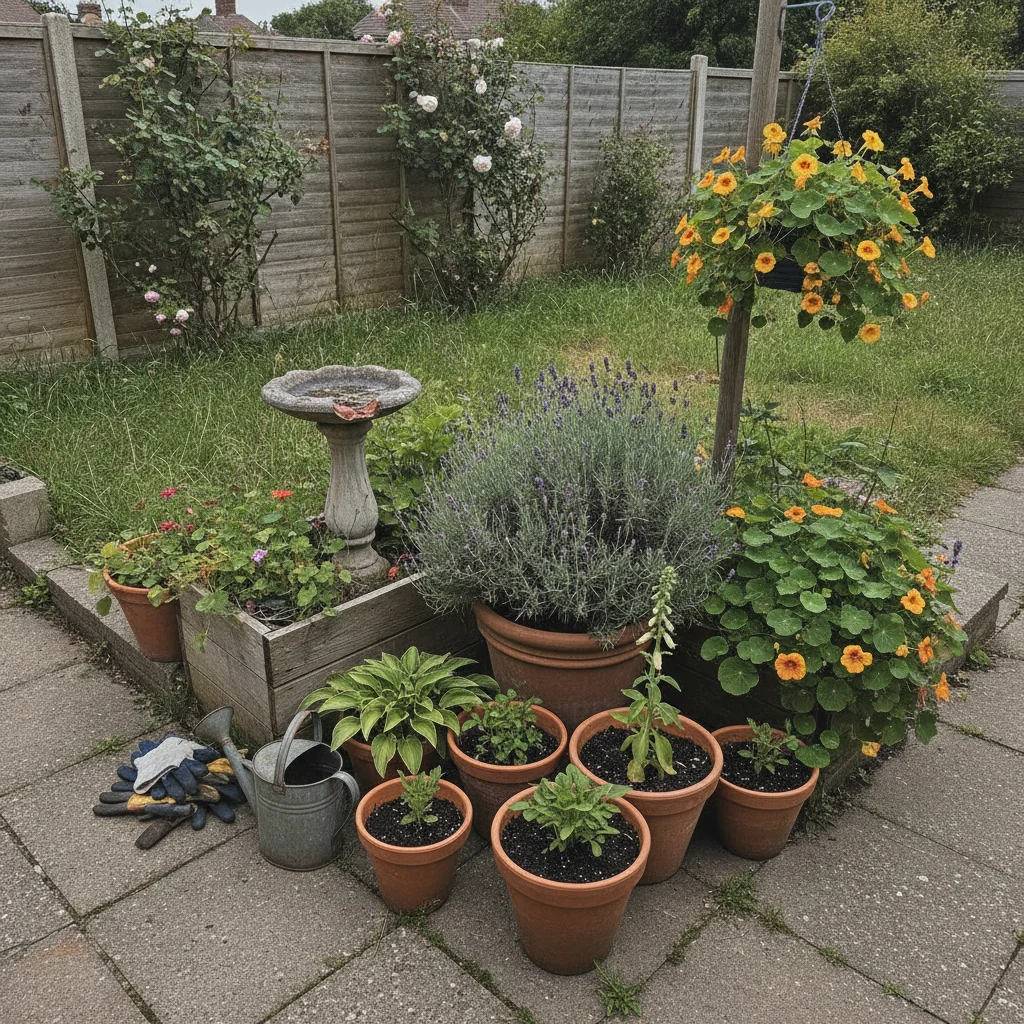
We have all been seduced by those glossy photos of minimalist roof terraces and perfectly symmetrical courtyards. They look incredible in the soft glow of a professional camera, but the reality of living with them can be a bit of a headache. If you have ever tried to enjoy a coffee on a designer metal chair that freezes your backside, or realised you have nowhere to hide your unsightly bags of potting compost, you have experienced a garden that is all style and no substance.
In my years of gardening on London balconies and tiny paved patios, I have learned that a garden has to work for you before it can truly look good. A space that is difficult to maintain or uncomfortable to use will eventually be ignored, no matter how expensive the paving was. We need to bridge the gap between the "showroom" look and the practicalities of British urban living, from dealing with sudden downpours to finding a home for the recycling bins.
Fixing a garden that feels "useless" doesn't mean you have to rip everything out and start again. Often, it is about layering functionality back into the design. We can keep the sleek lines and the chic colour palette while making sure there is actually somewhere to sit, something to eat, and a place to put the trowel.
The Problem With Minimalist Design
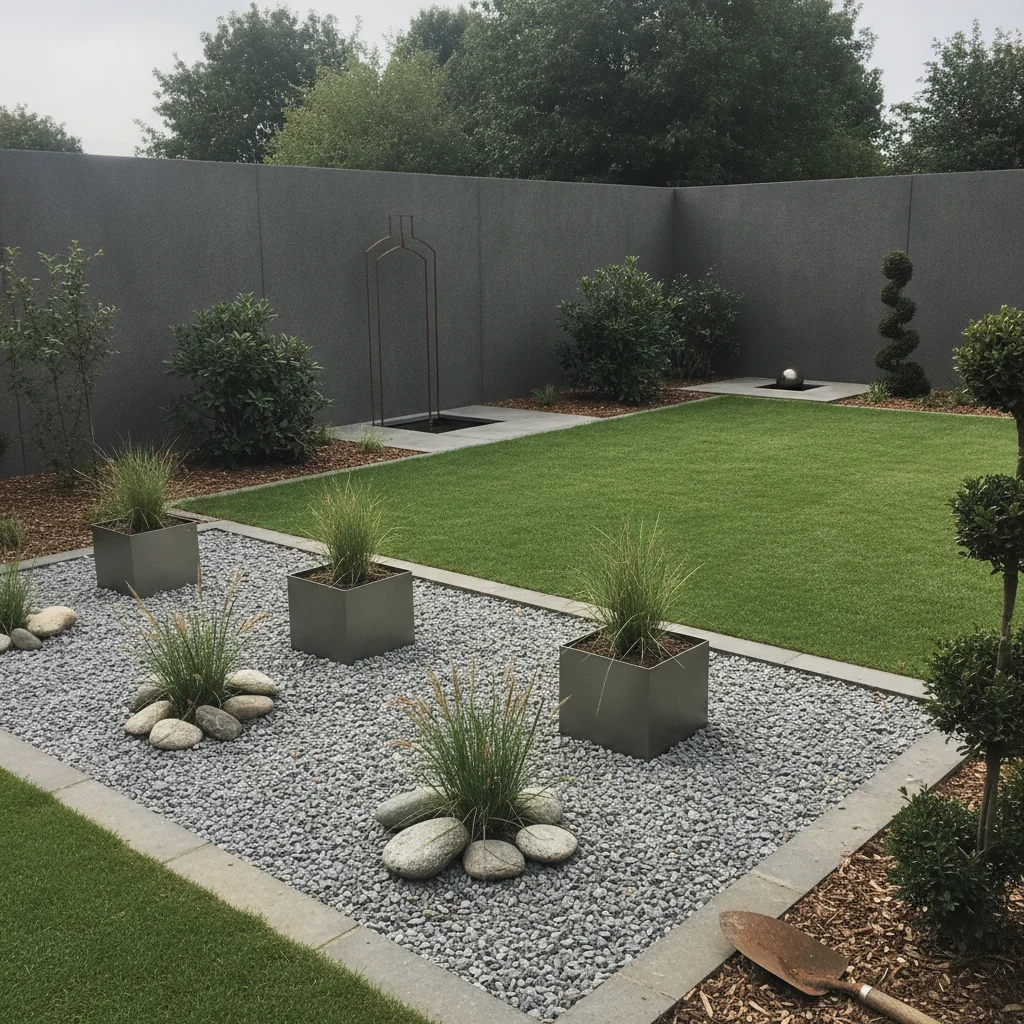
Minimalism is a popular choice for small urban gardens because it makes a tiny space feel larger and less cluttered. However, the "less is more" approach often forgets that humans are messy and gardening is a tactile, dirty hobby. If your garden consists of nothing but grey slate and three architectural box balls, you might find it feels more like a waiting room than a sanctuary.
One major issue with high-style gardens is the lack of "softness" and biodiversity. A sea of hard landscaping can become an oven in the heat of a British summer and a cold, echoing box in the winter. Without a variety of plants, you also miss out on the joy of watching bees and butterflies visit your balcony, which is one of the greatest rewards of city gardening.
We also have to consider the "soot factor" in our cities. Those pristine white outdoor sofas and pale limestone pavers look stunning for about a week before the London grime settles in. A garden that requires a jet wash every Sunday just to look presentable is a garden that has become a chore rather than a pleasure.
Assessing How You Actually Use the Space
Before you buy another pot or a piece of furniture, take a week to observe how you actually move through your garden. Do you find yourself standing up because the designer stools are too high for the table? Are you avoiding the sunniest corner because there is no shade for your laptop screen?
Most of us use our outdoor spaces for three main things: relaxing, entertaining, and growing. If your garden is tilted too far towards "looking pretty," it probably fails at at least two of these. Think about the "flow" of your morning—if you want to pick some fresh mint for your tea, do you have to navigate a maze of decorative gravel and heavy sculptures to get to it?
Real functionality means making the things you do most often as easy as possible. If you have a south-facing balcony that gets blisteringly hot, style should take a backseat to a high-quality parasol or a climbing screen of beans. A garden that supports your lifestyle will always feel more beautiful than one that forces you to adapt to it.
Clever Storage for Small Spaces
One of the biggest "substance" killers in a garden is clutter. We all need bags of grit, spare terracotta pots, and perhaps a watering can, but these items rarely fit the "designer" aesthetic. In a small space, you don't have the luxury of a shed, so you have to get creative with how you hide the essentials.
Look for furniture that earns its keep by offering hidden storage. A wooden bench with a lift-up seat is a lifesaver for stashing bags of compost and hand tools. If you are handy with a drill, you can even build a simple slatted screen to hide the "ugly" corner where the bins or the bike live, then use the top of that screen to hang small herb pots.
Vertical space is your best friend when it comes to keeping a stylish garden functional. Wall-mounted racks can hold your tools as if they are part of the decor, or you can use a stylish outdoor cabinet that matches your fence colour. When the "mess" has a dedicated home, the rest of your garden can breathe and maintain that polished look you love.
Plants That Work Harder
In a small garden, every plant needs to justify its footprint. If you have a garden that is all style, you might have plants that look good for two weeks in June and then look like sticks for the rest of the year. To add substance, we need to choose varieties that offer multiple benefits, such as scent, privacy, and perhaps something for the kitchen.
Instead of just planting ornamental ivy, why not try a climbing hydrangea or a star jasmine? These give you the lush green backdrop you want but add incredible fragrance and beautiful flowers. If you have room for a small tree in a pot, choose an amelanchier; it gives you spring blossom, summer berries for the birds, and stunning autumn colour.
Multi-purpose Varieties for Urban Plots
To help you choose, here are a few of my favourite "workhorse" plants that look designer-chic but offer real practical value:
- Rosemary 'Miss Jessopp's Upright': Provides structural height, evergreen foliage, blue flowers for bees, and constant supplies for your Sunday roast.
- Trellised Fruit Trees: Apple or pear trees grown as "espaliers" take up almost no horizontal space but create a living fence that yields delicious fruit.
- Sarcococca (Sweet Box): A glossy evergreen that thrives in the deep shade of city courtyards and produces a powerful perfume in the middle of winter.
- Chard 'Bright Lights': With its neon-coloured stems, this looks like an exotic ornamental plant but provides continuous salad leaves for months.
- Lavender 'Hidcote': A classic for a reason; it defines edges beautifully, smells divine, and is incredibly drought-tolerant for busy people.
Lighting for Living Not Just Looking
Lighting is often treated as an afterthought or a purely decorative element, like a string of fairy lights draped over a railing. While those look sweet, they don't help you see what you are doing when you are firing up a small portable BBQ or trying to read a book after the sun goes down.
Functional lighting should be layered. You want "task lighting" near your seating or cooking area so you can actually see, and "ambient lighting" to highlight your favourite plants. Solar lights have improved massively, but if you have a North-facing balcony, they might struggle to charge; in that case, battery-powered lanterns are a more reliable, practical choice.
Avoid the "airport runway" look of bright white LEDs spaced evenly along a path. Instead, tuck small spotlights into your pots to up-light the foliage of a Japanese Maple or a Fatsia japonica. This creates a sense of depth and drama that makes the garden feel like an extra room of your house, extending its use well into the autumn evenings.
Dealing With the British Elements
A garden that is all style often ignores the reality of our weather. Those beautiful Mediterranean-style tiled floors can become lethal ice rinks after a British frost, and lightweight plastic furniture will end up in your neighbour's garden during a typical October gale. To fix a garden's substance, you have to design for the "worst-case" weather scenario.
If you are choosing new flooring, always check the "slip rating." Riven stone or treated timber decking with anti-slip inserts are much safer for our damp climate. For furniture, weight is a good thing in an urban wind tunnel; heavy FSC-certified wood or powder-coated steel will stay put when the wind whistles between the buildings.
Don't forget about drainage. A stylish patio that pools water every time it rains is a failure of design. Ensure your pots are raised on "pot feet" so they don't leave permanent rings on your paving and so the water can escape freely. This simple, unglamorous fix prevents root rot and keeps your expensive containers looking better for longer.
Making Maintenance Manageable
The most functional garden is one you can actually look after. We have all bought that high-maintenance "diva" plant because it looked stunning in the garden centre, only to watch it wither because we forgot to water it for two days. If your garden requires professional-level pruning and daily attention, it lacks the substance of a truly liveable space.
Quick Wins for a Practical Garden
If you want to shift the balance back towards functionality today, try these simple adjustments:
- Group your pots: Move your containers into clusters; they will hold moisture better and are much easier to water all at once than if they are scattered.
- Install a water butt: Even a small, slimline version tucked behind a downpipe saves you countless trips to the kitchen tap.
- Add a mulch: A layer of decorative gravel or bark on top of your pots looks neat and stops the soil from drying out in the wind.
- Invest in a good trowel: Stop struggling with flimsy tools; a solid, stainless steel hand trowel makes every job faster and more enjoyable.
- Create a "landing zone": Dedicate a small table near the door for your keys, coffee, or harvested herbs so you aren't constantly bending down.
Furniture That Earns Its Keep
In a tiny city garden, every centimetre counts. If you have a large dining set that you only use twice a year when friends visit, it is stealing valuable space from your daily life. A more functional approach is to use "modular" or folding furniture that can be tucked away when not in use.
I am a big fan of the "bistro set" for balconies. These small tables and chairs are perfect for a morning coffee or a laptop session, and most models fold completely flat. If you want to host a dinner party, you can always bring out a folding trestle table and cover it with a nice linen cloth; it is far more practical than having a permanent large table blocking your path all year.
Think about the materials too. While natural wood is beautiful, it requires regular oiling to stay looking good in the UK. If you know you won't do that, look for high-quality recycled plastic furniture that mimics the look of wood but can be wiped clean with a damp cloth. It is a practical choice that doesn't sacrifice the "style" you worked so hard to create.
The Joy of a Productive Space
There is a unique kind of satisfaction that comes from a garden that gives something back. Even the most stylish, minimalist space has room for a few "Patio" variety tomatoes or a window box of spicy salad leaves. Adding an edible element is the ultimate way to give your garden substance.
You don't need a veg patch to grow food. Many herbs, like purple sage or variegated thyme, are beautiful enough to be used in purely ornamental displays. When you can step outside and snip some fresh basil for your pasta, your garden stops being a static "picture" and becomes a functioning part of your home.
Start by replacing one purely decorative pot with something you can eat. You will find that the more you interact with your plants, the more you will enjoy the space, and the more "at home" you will feel in your garden. A garden that feeds your soul and your plate is always going to be more successful than one that just looks good on a screen.
The secret to a great garden isn't choosing between beauty and utility; it's realising that they are two sides of the same coin. When you solve the practical problems of storage, weather, and maintenance, you create a space that feels calm and effortless. That sense of ease is exactly what makes a garden truly stylish in the first place. Take a look at your outdoor space this weekend and pick one small, practical fix—your future self will thank you for it during the next British summer.