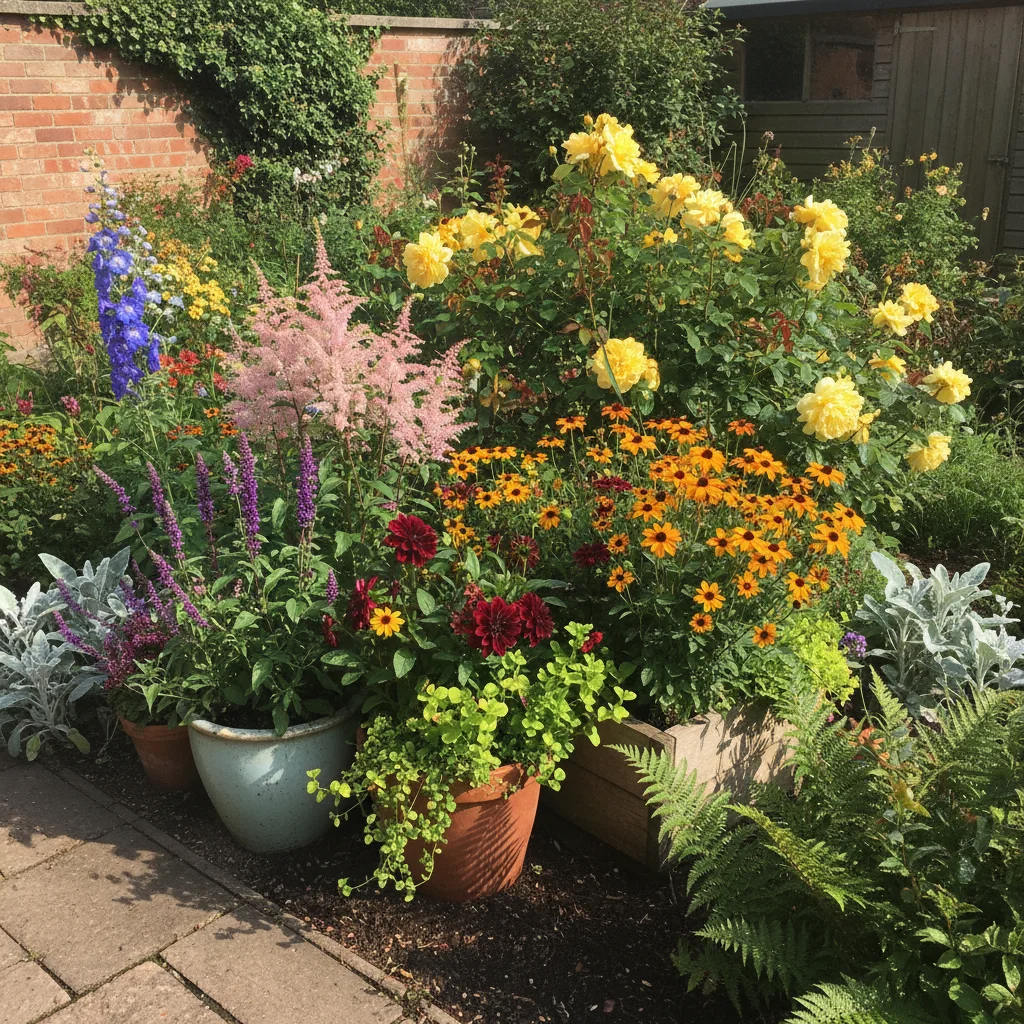
We have all been there. You look out at your garden, balcony, or patio and feel a bit underwhelmed. Maybe there is a narrow strip of soil along a fence that looks more like a weed nursery than a flower bed, or perhaps your collection of pots feels a bit disjointed. It is easy to think that beautiful, captivating borders are only for people with rolling country estates and a team of full-time gardeners.
The truth is that you can create a stunning, professional-looking border in the smallest of spaces. Whether you are working with a tiny urban courtyard, a sunny balcony, or just a few window boxes, the principles of great design remain the same. You do not need a massive lawn to enjoy a riot of colour and interesting textures throughout the British seasons.
In an urban environment, our borders often have to work harder. They are frequently the focal point of the entire outdoor space, seen through glass doors all year round. By using a few simple design secrets, you can turn a boring patch of ground into a captivating display that lifts your mood every time you look outside.
Rethink what a garden border means
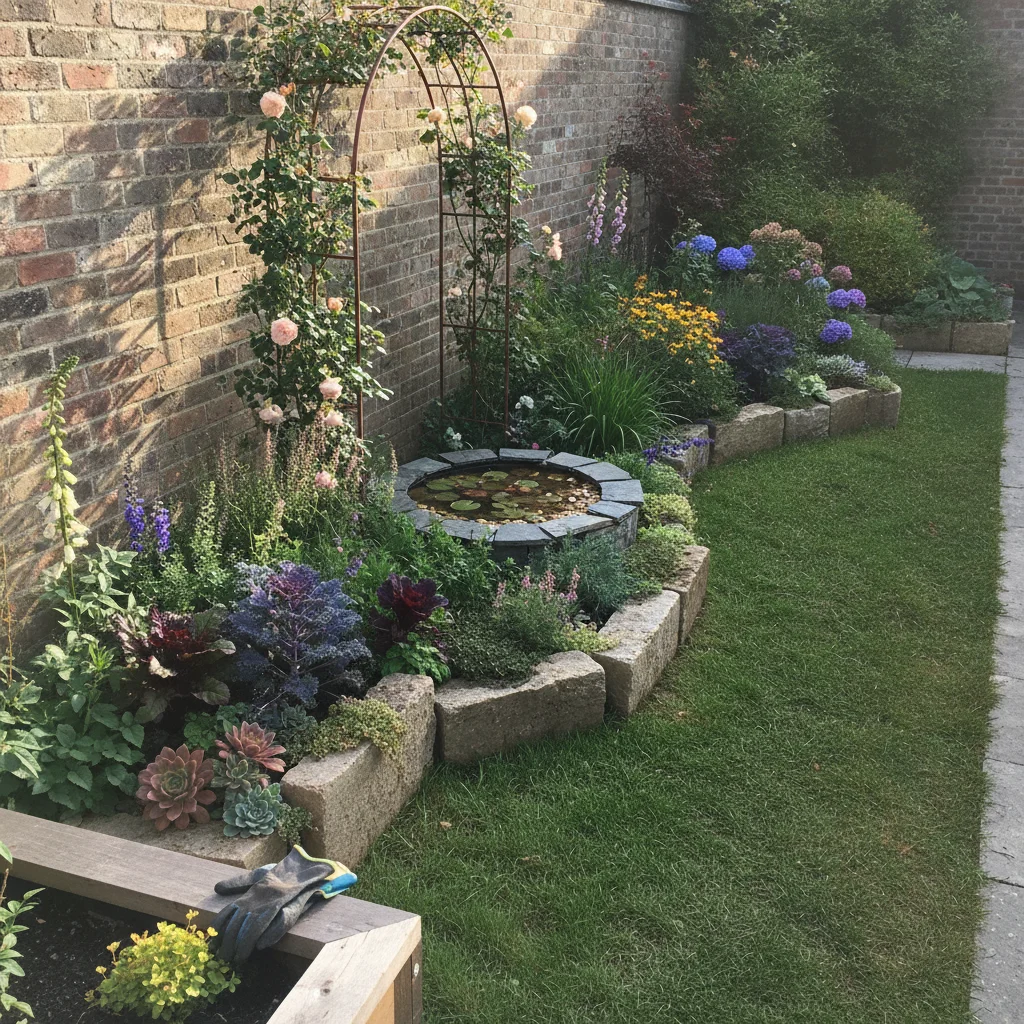
When we talk about garden borders, we often think of long, deep beds filled with herbaceous perennials. In a small urban garden, we have to be more creative. A border can be a narrow 30cm strip alongside a path, a raised bed built into a corner, or even a tiered arrangement of containers that mimics the look of a traditional bed.
The key is to treat whatever space you have as a single cohesive unit. If you are using pots, group them closely together rather than dotting them around. This creates a "container border" that feels lush and full. Think about the boundaries of your space and how you can soften them with plants to make the area feel larger and more inviting.
If you have a balcony or a small patio, your border might actually be vertical. Using wall-mounted planters or trellis can give you the height and depth of a traditional border without taking up precious floor space. The goal is to create a sense of abundance, regardless of how many square inches of soil you actually have.
Choose a colour palette that works for you
One of the biggest mistakes we make is buying one of everything at the garden centre because it looks pretty in the moment. This often leads to a "fruit salad" effect that feels chaotic rather than captivating. For a professional look, it is much better to stick to a limited colour palette that creates a specific mood.
Consider the light in your garden. Many urban spaces are overshadowed by buildings or trees, creating a cool, shady environment. In these spots, whites, pale yellows, and silvers work beautifully to brighten up the gloom. If you have a south-facing balcony that gets baked in the sun, you can go bold with hot oranges, fiery reds, and deep purples.
Try to pick three main colours and repeat them throughout your border. This repetition creates a sense of rhythm that leads the eye along the space. You might choose a primary colour, a secondary harmonising colour, and a tiny "pop" of a contrasting shade to keep things interesting.
Create depth with clever layering
Even in a very shallow border, you can create the illusion of depth by layering your plants. The traditional rule is "short at the front, tall at the back," but in small spaces, we can be a bit more playful. Weaving taller, airy plants like Verbena bonariensis through the middle can add a sense of see-through layers that makes a space feel deeper.
For those of us gardening in pots, layering means using different heights of containers. Put your largest, tallest pots at the back and smaller ones at the front. You can even use upturned buckets or bricks to give certain pots an extra boost of height, hiding the "props" behind the foliage of the plants in front.
Think about the "shoulders" of your plants too. You want them to knit together so there is no bare soil or plastic pot showing. This "closed canopy" look is what makes a border look lush and established. It also helps to suppress weeds and keep moisture in the soil, which is a massive win for busy city gardeners.
Prioritise foliage for year round interest
Flowers are wonderful, but in the UK, they can be fleeting. A truly captivating border relies on foliage to do the heavy lifting for most of the year. When you are choosing plants, look at the shape, size, and texture of the leaves first. A mix of different leaf forms will look interesting even when nothing is in bloom.
Contrast is your best friend here. Pair a plant with large, glossy leaves, like a Fatsia japonica, with something fine and feathery, like a fern or a light grass. The way light hits different leaf surfaces adds a dynamic quality to the border. In a small space, these details are much more noticeable than they would be in a massive park.
Evergreens are essential for urban borders. Since we often see our gardens through the window during the winter, we need something that stays green and structural when the frost hits. Look for compact evergreens like Sarcococca confusa (Sweet Box), which offers incredible scent in the depths of winter, or Euonymus 'Silver Queen' for a splash of bright variegated foliage.
Design for the British seasons
Our weather is famously unpredictable, but our borders should be ready for anything. A great design secret is to plant in "succession." This means as one plant finishes its star turn, another is ready to take over. This is especially important in small gardens where every plant has to earn its keep.
In a small border, you can layer bulbs underneath your perennials. In early spring, crocuses and snowdrops provide the first bits of colour. As they fade, tulips and daffodils take over. By the time the bulb foliage is looking a bit tatty, your summer perennials like Geraniums or Hostas are growing up to hide the mess and provide the next wave of interest.
- Spring: Focus on bulbs and early flowering shrubs like Forsythia or Chaenomeles.
- Summer: This is the time for high-impact perennials, roses, and lavender.
- Autumn: Use grasses and late bloomers like Rudbeckia or Japanese Anemones.
- Winter: Rely on evergreens, colourful stems like Cornus, and winter-flowering heathers.
- Structure: Use small obelisks or even attractive branches to support climbers.
Manage shade and wind in urban spots
Urban gardening comes with its own set of challenges, namely wind tunnels between buildings and deep shade from high walls. Before you plant, spend a day watching where the sun actually falls. A "sunny" garden might only get two hours of direct light if there is a tall block of flats next door.
If your border is in a windy spot, such as a high-rise balcony, avoid plants with massive, floppy leaves or tall, brittle stems. Instead, go for "flexible" plants like ornamental grasses that look beautiful when they catch the breeze. Stipa tenuissima is a fantastic choice; it is tough, compact, and shimmers in the wind.
For shady borders, don't despair. Some of the most elegant plants thrive in the shadows. Look for Heucheras in a range of colours from lime green to deep plum, or the classic Blechnum spicant (Hard Fern). These plants bring a lush, woodland feel to even the most industrial-looking city corner.
Build a border with containers
If you are renting or have a completely paved outdoor space, you can still have a captivating border. The secret is to use a variety of pots in different sizes but perhaps stick to one material, like terracotta or grey zinc, to keep it looking intentional. This creates a cohesive "border" feel rather than a random collection of containers.
When planting up pots for your border, use the "Thrillers, Fillers, and Spillers" method. The "Thriller" is your tall, focal point plant. The "Fillers" are mounding plants that fill the bulk of the pot. The "Spillers" are trailing plants that hang over the edge, softening the lines of the container and helping it blend into the "border."
Remember that container borders need more frequent watering and feeding than plants in the ground. In the height of a British summer, a small pot can dry out in hours. Consider setting up a simple drip irrigation system if you have an outside tap, or choose larger pots that hold more compost and moisture to make your life easier.
Keep your plants healthy with less effort
A boring border is often just a neglected one. However, you don't need to spend every weekend weeding and pruning to keep things looking sharp. Choosing the right plants for your specific conditions is the best way to reduce maintenance. "Right plant, right place" is the golden rule of gardening.
Mulching is a fantastic "secret" for any border. A thick layer of bark chippings, gravel, or compost over the soil surface does three things: it stops weeds from germinating, it keeps moisture in the soil, and it makes the whole border look finished and tidy. In an urban garden, a decorative mulch like slate chippings can also add a contemporary, stylish touch.
- Watering: Water at the base of the plants in the evening to reduce evaporation.
- Deadheading: Snip off faded flowers to encourage the plant to produce more.
- Feeding: Use a liquid seaweed fertiliser every few weeks during the summer.
- Pruning: Cut back untidy growth to keep the border looking intentional.
- Observation: Spend five minutes a day just looking at your plants to catch pests early.
Add a touch of wildlife to the city
Even in the heart of London or Manchester, your border can be a haven for birds, bees, and butterflies. A captivating border isn't just about what we see; it is about the life it supports. Including a few pollinator-friendly plants will bring your garden to life with the sound of humming bees and the sight of butterflies.
Single-flowered varieties (where you can see the yellow centre of the flower) are much better for insects than "double" flowers which have too many petals for bees to get through. Plants like Lavender, Salvia, and Buddleja (look for compact "Patio" varieties) are magnets for wildlife and look stunning in any border design.
Adding a small water feature, even just a shallow stone bowl filled with water and a few pebbles for bees to land on, can transform the atmosphere. The sound of water and the sight of birds bathing adds a layer of sensory interest that makes your border feel like a true escape from the hustle and bustle of city life.
Designing a captivating border is really about making intentional choices that suit your space and your lifestyle. Start small, perhaps with just one corner or a group of three pots, and experiment with textures and colours that you love. There is nothing quite like the satisfaction of seeing your own little patch of greenery thrive and burst into colour, proving that you really don't need a huge garden to create something truly beautiful.