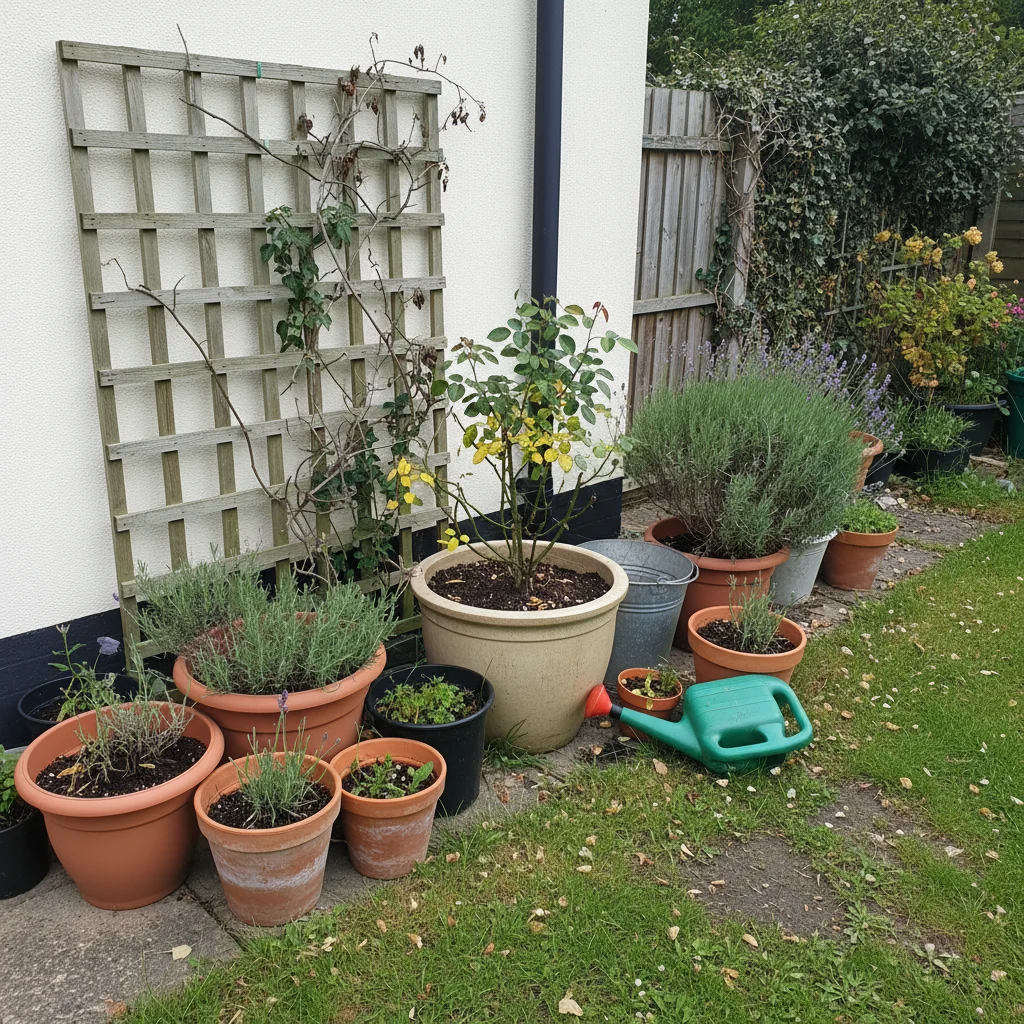
We have all been there. You spend a Saturday afternoon at the garden centre, seduced by the vibrant colours of a flowering shrub or the lush leaves of a tropical-looking fern. You bring it home to your balcony or small patio, tuck it into a pot, and within three weeks, it looks like a collection of sad, brown sticks. It is frustrating, expensive, and enough to make anyone want to give up on their green-fingered dreams.
The truth is that most gardening failures aren't down to a lack of talent or "black thumbs." Usually, they are the result of a few common garden design mistakes that are incredibly easy to make but equally easy to avoid. When you are working with a limited urban space, every square inch and every pound spent counts. By planning for your specific conditions rather than the "ideal" garden, you can save yourself a lot of heartache and a significant amount of money.
The Sunny Spot Delusion
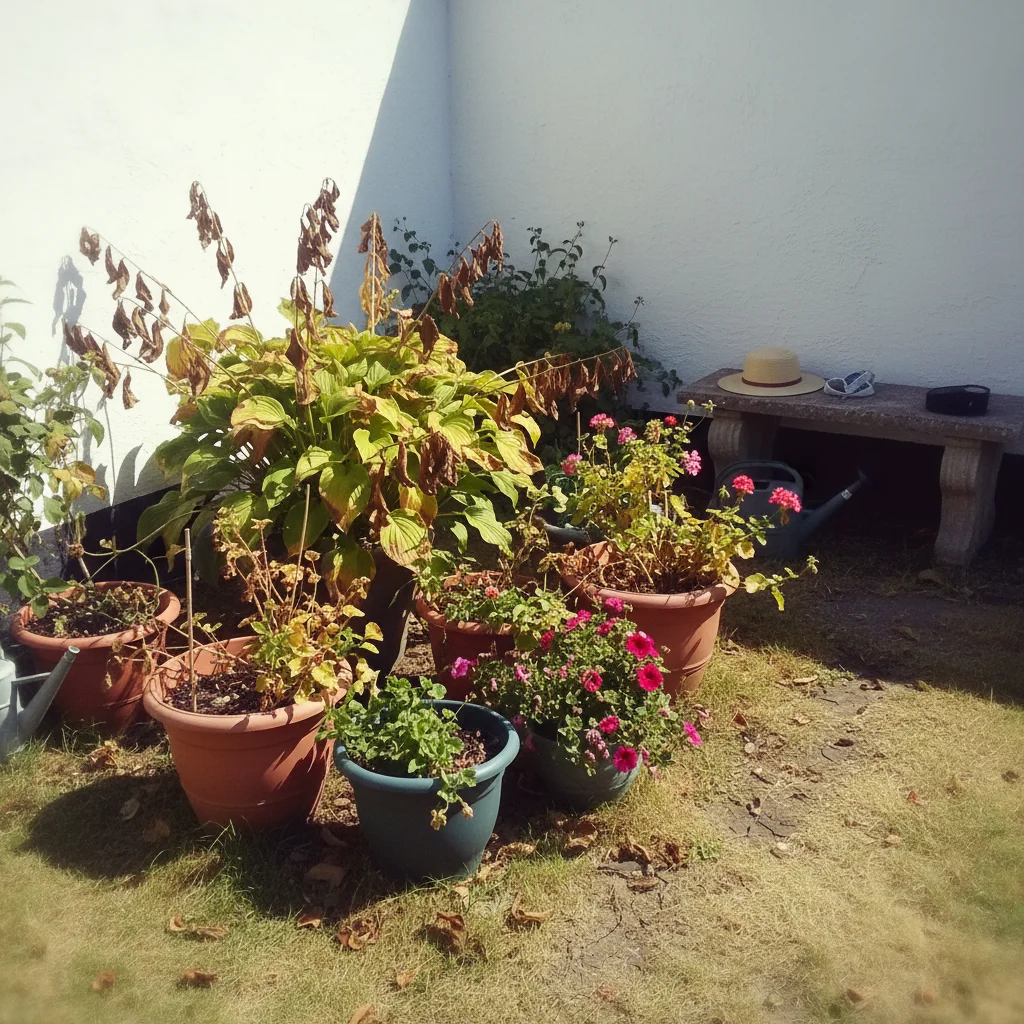
One of the most frequent errors I see in London gardens and balconies is a misunderstanding of light. We often assume that because a space feels bright to us, it is "full sun." However, plants have a much stricter definition of light than we do. A south-facing balcony might get scorched in the summer, while a small courtyard surrounded by tall brick walls might technically be in deep shade for most of the day.
Before you buy a single plant, you need to track the sun. Spend a weekend observing where the light hits at 9 am, 12 pm, and 4 pm. If your space gets less than six hours of direct sunlight, you should avoid sun-loving Mediterranean herbs like rosemary or lavender. They will simply become leggy and prone to disease as they stretch for light that isn't there.
Instead, embrace the shade. If you have a north-facing patio, look for plants that naturally thrive on the forest floor. Varieties like Heuchera with their stunning purple foliage or the reliable Sarcococca (Christmas Box) will look lush and healthy in lower light. Choosing plants that actually like your conditions is the single best way to ensure your garden looks professional without the constant replacement costs.
Ignoring the Urban Microclimate
Urban gardening comes with its own set of atmospheric challenges that many traditional gardening books overlook. Wind is a major factor, especially if you are several floors up on a balcony. High winds can dry out pots in a matter of hours and physically snap delicate stems. If you live in a "wind tunnel" between city buildings, you need to design with this in mind.
Choose low-growing, flexible plants or those with needle-like leaves that let the wind pass through, such as ornamental grasses. Avoid large-leaved plants like Fatsia japonica in very windy spots, as the leaves will end up shredded and brown-edged. Using heavier pots or securing your containers to railings is also a practical step that prevents a gust of wind from destroying your hard work.
Pollution and heat radiation are other city-specific issues. Brick walls and concrete floors soak up heat during the day and radiate it back at night, which can cook the roots of plants in small containers. If your patio feels like an oven in July, opt for light-coloured pots that reflect heat rather than dark plastic or metal ones that absorb it.
The Balcony Weight Trap
This is a mistake that can be more than just expensive; it can be dangerous. Many people forget that wet soil is incredibly heavy. If you fill a dozen large terracotta pots with traditional compost and place them on a cantilevered balcony, you might be exceeding the structural weight limit of your home. It is a sobering thought that often gets lost in the excitement of a makeover.
To avoid this, look for lightweight alternatives. Fibre-clay or high-quality plastic pots can look just like stone or ceramic but weigh a fraction of the amount. You can also use "pot fillers" like recycled polystyrene at the bottom of deep containers where the roots won't reach anyway. This reduces the amount of heavy compost needed and improves drainage at the same time.
When choosing your growing medium, consider using a mix that includes perlite or vermiculite. These volcanic minerals are very light and help to aerate the soil. They keep the weight down while ensuring your plants don't end up sitting in a waterlogged, heavy mess after a typical British downpour.
The Impulse Purchase Hangover
We’ve all done it—the "supermarket sweep" approach to gardening. You see a beautiful plant on sale and buy it without knowing where it will go or what it needs. This leads to a cluttered, messy look that lacks cohesion. In a small space, a "bits and pieces" garden often feels smaller and more claustrophobic than it really is.
To create a space that feels like a deliberate design, try to stick to a limited palette. This doesn't mean your garden has to be boring, but choosing three or four main colours or textures will make it feel much more expensive and professional. For example, a mix of silver foliage, white flowers, and deep greens always looks sophisticated in an urban setting.
Before you go shopping, make a list of what you actually need. If you have space for five pots, decide what role each pot will play. Maybe one is for a dwarf fruit tree like a 'Patio' cherry, two are for seasonal bedding, and two are for perennial evergreens. Having a plan prevents you from wasting money on plants that don't fit your aesthetic or your available space.
Forgetting Year Round Interest
A common design error is focusing entirely on the "Chelsea Flower Show" peak of May and June. While it’s lovely to have a riot of colour in early summer, a garden that looks like a graveyard of brown sticks from October to March is depressing. In a small urban garden, you are likely to see your outdoor space through the window every single day.
Ensure at least half of your plants are evergreen. This provides a structural backbone that keeps the garden looking "furnished" even in the depths of winter. Many evergreens also offer winter interest through scent or berries. Here are a few reliable options for small UK spaces:
- Skimmia japonica for red berries and glossy green leaves.
- Helleborus (Lenten Rose) for stunning winter flowers in the shade.
- Carex grasses for movement and texture that stays green all year.
- Trachelospermum jasminoides (Star Jasmine) for evergreen climbing cover.
By balancing your seasonal "divas" with these reliable "backstage" plants, you create a garden that feels permanent and well-maintained. You won't feel the urge to rip everything out and start again every spring, which is a massive saving for your wallet.
The Drainage Disaster
If I could give only one piece of advice to container gardeners, it would be this: check your drainage. More plants die from "wet feet" than from underwatering. When roots sit in stagnant water, they rot, the plant can no longer take up nutrients, and it eventually dies. This is a very common mistake when using decorative pots that don't have holes in the bottom.
Always ensure your growing containers have adequate drainage holes. If you find a beautiful ceramic pot without a hole, use it as an "outer" pot. Keep the plant in a slightly smaller plastic nursery pot with holes, and place that inside the decorative one. This allows you to lift the plant out to check if water is pooling at the bottom.
Adding "feet" to your pots is another simple, cheap fix. By raising the pot just a centimetre off the ground using bricks or purpose-made pot feet, you allow water to escape freely. This also prevents those unsightly rings from forming on your patio or balcony floor. It is a small detail that makes a huge difference to the health of your plants.
Thinking Too Small
It sounds counter-intuitive, but one of the biggest mistakes in a small garden is using lots of tiny pots. A collection of twenty small pots looks cluttered, dries out almost instantly, and is a nightmare to water. It also makes the space feel smaller because the eye is constantly jumping from one small object to the next.
Instead, go for fewer, larger containers. A single large trough or a substantial 50cm pot can hold a variety of plants and will retain moisture much better than several small ones. Large pots create a sense of scale and drama, making a tiny balcony feel like a proper outdoor room. They also allow you to grow larger, more impactful plants like a compact 'Clementine' tree or a climbing rose.
When you use larger containers, you are also creating a more stable environment for the roots. The temperature of the soil stays more consistent, and there is more room for beneficial soil life to thrive. You’ll find yourself watering less often and your plants will be much more resilient to the stresses of city life.
Neglecting the Human Element
Finally, don't forget that your garden is for you, not just the plants. A common error is filling every available inch with pots, leaving no room for a chair or a place to put a coffee cup. A garden should be an extension of your living space, a place where you can actually sit and enjoy the fresh air.
Before you buy your plants, decide on your seating. Even a tiny folding bistro set can transform a balcony into a breakfast spot. Once the furniture is in place, you can see exactly how much room is left for greenery. Think about vertical space too; using wall-mounted planters or trellises allows you to have a lush, green feel without sacrificing precious floor space.
Access is also vital. Make sure you can reach every plant with a watering can without having to perform a gymnastics routine. If a plant is hard to get to, you will inevitably neglect it. Leave small pathways or "stepping stones" between your pots so that maintenance remains a joy rather than a chore.
By avoiding these common pitfalls, you can create a thriving, beautiful urban oasis that doesn't break the bank. Gardening in the city is all about working with what you have and choosing the right tools for the job. Once you stop fighting your environment and start working with it, you'll be amazed at how much you can grow in even the smallest of spaces. Now is the perfect time to grab a tape measure, track the sun, and start planning a garden that will bring you joy all year round.