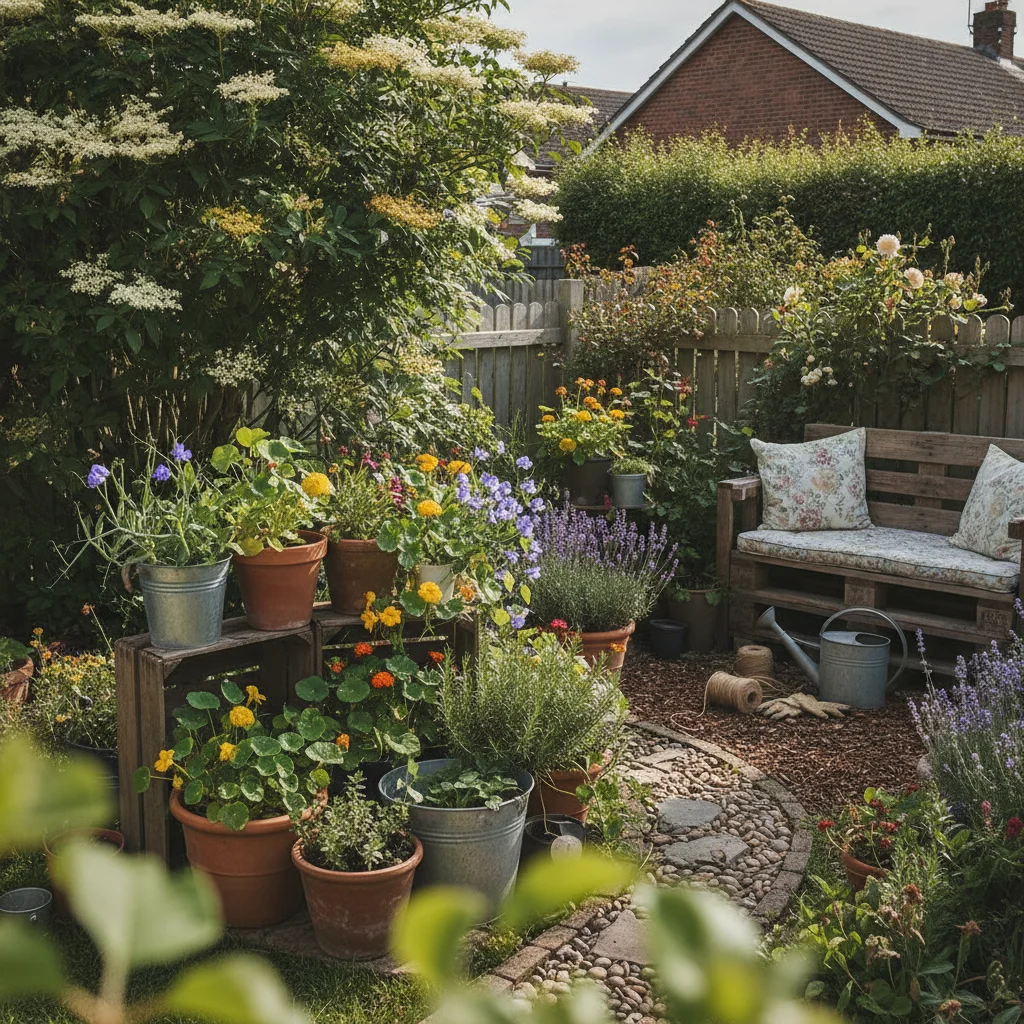
We have all looked at those glossy magazine spreads of sprawling country estates and felt a little bit of garden envy. When you are working with a London balcony, a tiny concrete courtyard, or a rented patio, those high-end designs feel worlds away from reality. But creating a lush, inviting outdoor space doesn't require a lottery win or a massive plot of land.
In fact, some of the most charming gardens I have ever seen were built on a shoestring budget. Gardening on a budget is actually a brilliant way to spark your creativity. It forces us to look at what we already have and think about how we can repurpose, rescue, and grow our way to a beautiful space.
Whether you want to grow your own salad on a windowsill or turn a grey backyard into a green sanctuary, the principles remain the same. You just need a bit of patience, a willingness to get your hands dirty, and a few clever tricks to keep your costs down. Let's look at how you can transform your space without breaking the bank.
Work with what you have
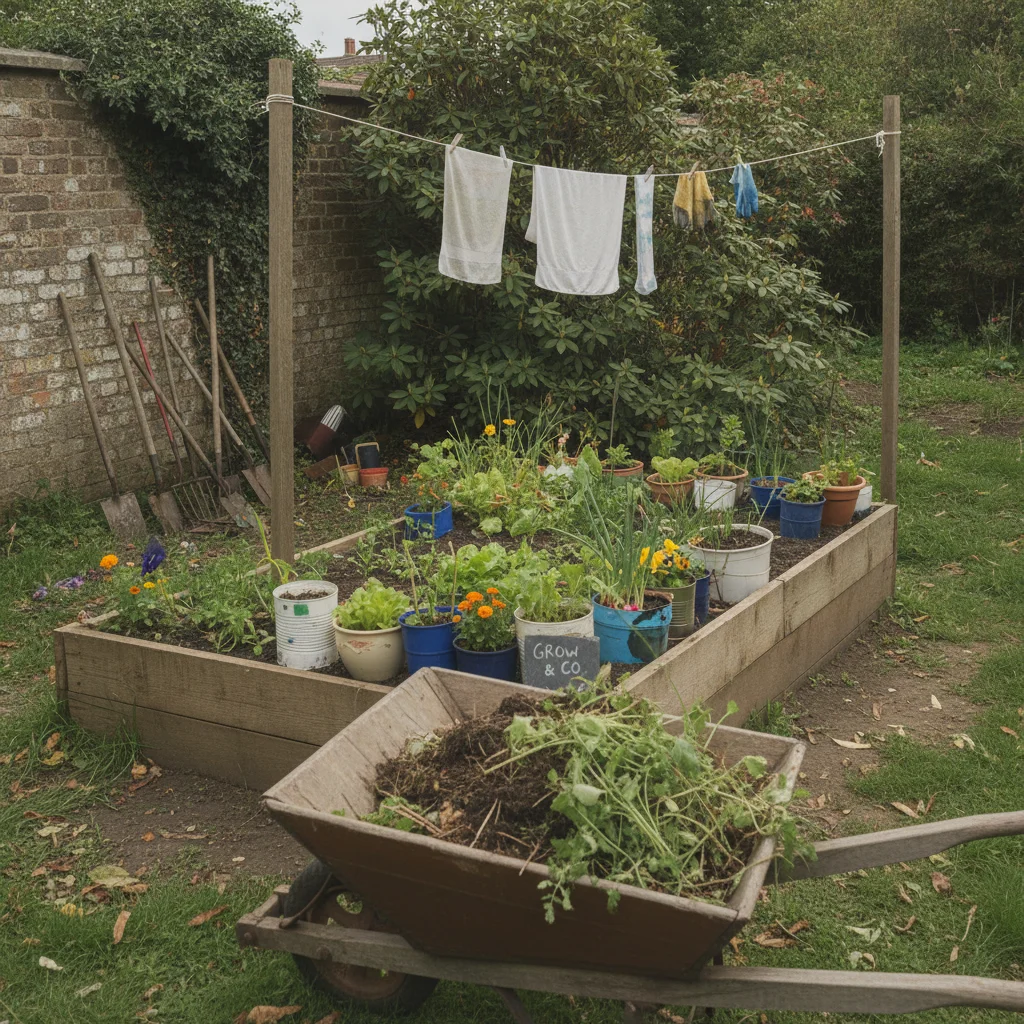
Before you head to the garden centre and load up a trolley, take a long look at your current space. We often overlook the potential of what is already there because we are too focused on what we want to change. If you have old pots tucked in a corner, a pile of bricks, or even some sturdy wooden crates, you have the foundations of a design.
Clean up your existing containers with some warm soapy water to give them a fresh start. If you have a paved area that looks a bit tired, a simple scrub with a stiff brush and some water can make a world of difference. You don't always need to buy new paving or decking to make a space feel cared for and intentional.
Think about the light levels in your specific spot throughout the day. A balcony might get scorching sun for three hours and then be in deep shade for the rest of the afternoon. Knowing your microclimate prevents you from wasting money on plants that simply won't survive in your conditions.
Sourcing plants for pennies
Plants are usually the biggest expense when designing a garden, but they don't have to be. If you buy large, established shrubs or trees, you will pay a premium for the time the nursery spent growing them. If you are willing to wait a season or two, you can save a significant amount of money by starting small.
Seed sowing is the ultimate budget hack for any gardener. A packet of seeds often costs less than a single takeaway coffee and can provide you with dozens of plants. For urban gardeners, compact varieties like 'Patio' tomatoes or dwarf sunflowers are perfect because they thrive in pots and don't take up much room.
Don't forget to check the "reduced" or "clearance" shelf at your local garden centre. These are often plants that have finished flowering or look a bit sad because they haven't been watered enough. With a bit of a trim, a good soak, and some fresh compost, these "death row" plants often bounce back and look beautiful within weeks.
There are several ways to expand your plant collection without spending any money at all:
- Swap seeds with neighbours or join a local community gardening group online.
- Divide overgrown perennials like hostas or hardy geraniums to create two plants from one.
- Take softwood cuttings from herbs like rosemary and mint to grow new plants for free.
- Keep an eye on local "Freecycle" groups where people often give away excess seedlings.
- Save seeds from your own flowers and vegetables at the end of the summer for next year.
Creative containers and upcycling
In a small garden or on a balcony, containers are your best friend. You don't need to buy expensive ceramic pots to make a statement. Almost anything that can hold soil and has drainage holes can become a planter. We’ve all seen the charm of an old galvanized bucket or a wooden wine crate filled with trailing lobelia.
Old food tins can be painted and turned into a vibrant herb garden for a sunny windowsill. Just make sure you hammer a few holes into the bottom so the roots don't sit in water. Larger items like old colanders make fantastic hanging baskets because they already have built-in drainage.
If you are looking for larger planters, try sourcing old wooden pallets. You can often find these for free behind local shops or on industrial estates. With a bit of sandpaper and some outdoor wood stain, they can be transformed into rustic planters or even a small bench for your patio.
Vertical gardening for small spaces
When you don't have much floor space, the only way to go is up. Vertical gardening is a game-changer for urban spaces, and it is surprisingly cheap to implement. Using your walls, fences, and railings allows you to create a "green wall" effect that makes a small area feel much more private and lush.
You can use simple hooks and wire to encourage climbing plants like sweet peas or clematis to grow up a wall. These plants provide a lot of greenery and scent for a very small footprint. Even a simple trellis made from garden twine can be enough to support lightweight climbers over a summer.
If you have a sturdy wall or a strong fence, you can use various household items to create vertical interest:
- Fix old wooden crates to a wall at different heights for a modular shelving look.
- Use a hanging shoe organiser to grow salad leaves or strawberries in each pocket.
- Repurpose an old step ladder to create a tiered display for your smaller pots.
- Mount lengths of plastic guttering to a fence to create long, shallow planters.
- Use "S" hooks to hang lightweight pots directly from a balcony railing or wire mesh.
Making your own compost and mulch
Soil health is the secret to a successful garden, but buying bags of compost every year adds up. Even if you only have a small space, you can start a miniature composting system. A small bokashi bin can sit under a kitchen sink and turn your food scraps into nutrient-rich liquid fertiliser for your pots.
If you have a bit of space in a corner of a courtyard, a small compost tumbler or a wormery is a great investment. These systems work quickly and don't take up much room. They turn your vegetable peelings and shredded paper into "black gold" that will keep your plants healthy for years.
Mulching is another way to save money and effort. A layer of bark chips, gravel, or even cocoa shells on top of your pots helps to retain moisture. This means you won't have to water your balcony plants as often during a dry British summer, saving you time and reducing your water bill.
Smart shopping across the seasons
Timing is everything when you are gardening on a budget. Most people head to the garden centre on the first warm weekend of May, which is exactly when prices are at their highest. If you can plan ahead, you can pick up some incredible bargains by shopping out of season.
Bulbs for spring, like daffodils and tulips, are often sold at a massive discount in late autumn or early winter. As long as the ground isn't frozen, you can still plant them, and they will reward you with colour in a few months. Similarly, buying garden furniture or tools in the late summer sales can save you a fortune.
Keep an eye out for "plug plants" in the early spring. These are tiny seedlings that are much cheaper than the larger plants you see in May and June. You will need to keep them on a sunny windowsill for a few weeks until the risk of frost has passed, but they will quickly grow to full size once they are planted out.
Lighting and finishing touches
A garden isn't just about the plants; it is about how the space feels when you are sitting in it. You can create a magical atmosphere in the evening with some very simple lighting. Solar-powered fairy lights are incredibly affordable now and don't require any complicated wiring or expensive electricity.
Drape lights over a fence or weave them through the branches of a potted tree to create a soft glow. You can also make your own lanterns by placing tea lights inside clean glass jam jars. Scatter these on a table or along a windowsill for a cosy, intimate feel during a summer evening.
Adding a small water feature can also elevate a budget design. You don't need a pond; a simple large bowl filled with water and a few floating plants can be mesmerising. It provides a focal point for the eye and a much-needed drink for local birds and bees in the middle of the city.
Designing a dreamy garden really comes down to your imagination rather than the size of your wallet. By focusing on small, incremental changes and making the most of every square inch, you can create a space that feels like a true escape from the urban hustle. Start with one or two pots this weekend and see how quickly your little sanctuary grows.