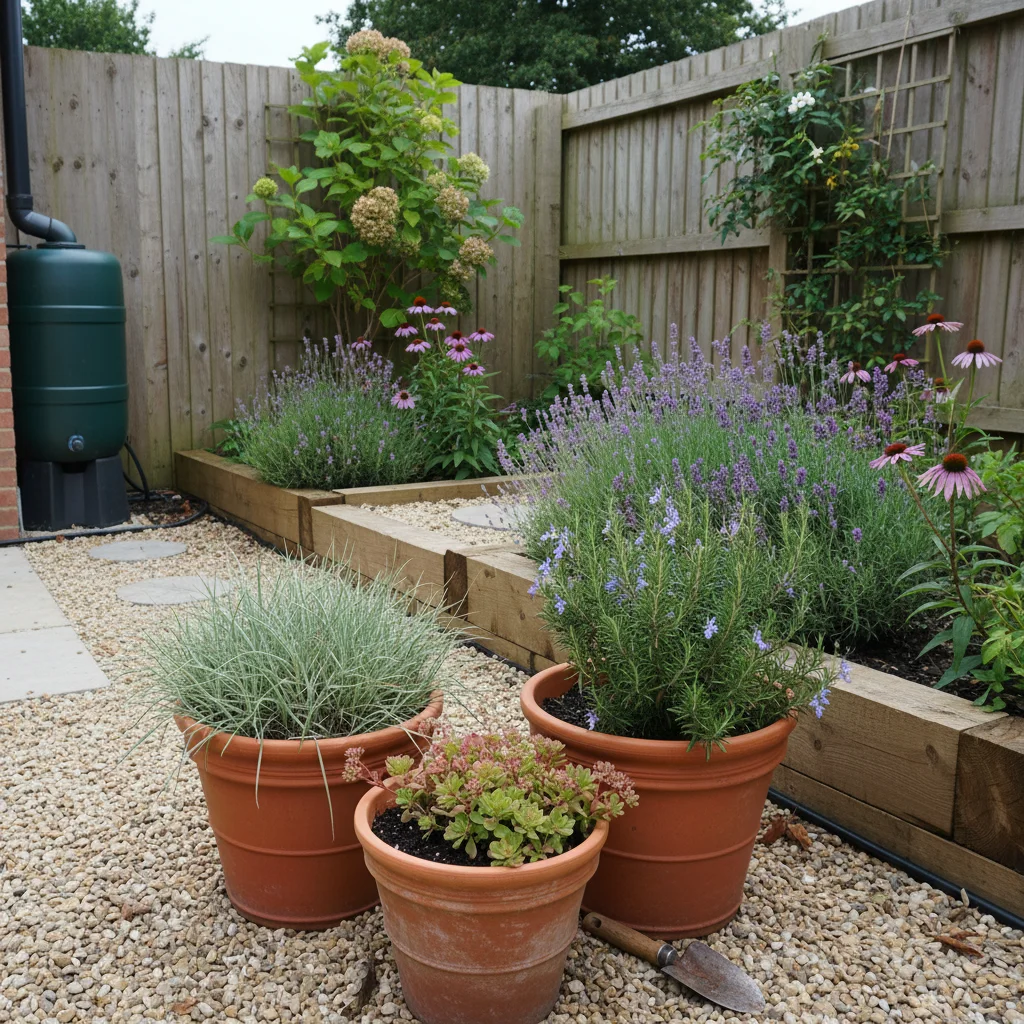
We’ve all been there. You spend your rare Saturday off hacking away at overgrown brambles or wrestling with a temperamental lawnmower, only to feel too exhausted to actually sit down and enjoy the space. For those of us living in the city with small patios, balconies, or modest back gardens, gardening shouldn't feel like a second job. We want a green sanctuary that looks after itself while we’re busy with work, family, or simply catching the few hours of British sunshine we get each year.
The secret to a low-maintenance garden isn't about doing nothing at all. It is about making smarter choices at the design stage so that the garden works for you, rather than the other way around. By selecting the right materials and the hardiest plants for our unpredictable UK climate, you can create a stunning outdoor room that requires only a fraction of the effort. You don't need a massive shed or a degree in horticulture to make this happen.
Whether you are dealing with a windswept balcony in London or a shaded courtyard in Manchester, the principles of easy-care gardening remain the same. We focus on "right plant, right place" and prioritise structural elements that look good throughout the damp winters and the occasional summer heatwave. Let’s look at how you can reclaim your weekends without sacrificing your slice of greenery.
Ditch the High Maintenance Lawn
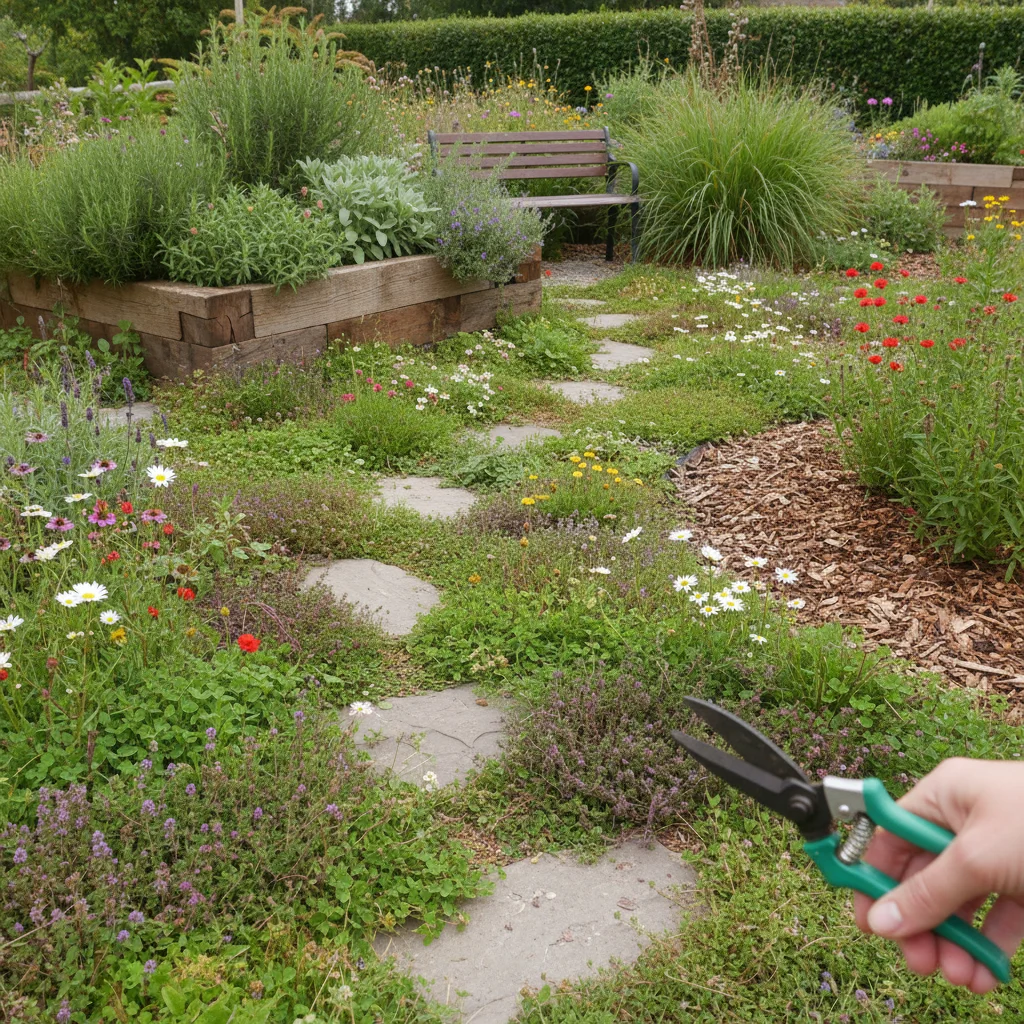
If you want to reduce your garden chores instantly, the lawn is the first thing to reconsider. In a small urban garden, a patch of grass often causes more trouble than it is worth. Between the weekly mowing in summer, the moss in winter, and the need for edging and fertilising, it’s a massive time sink. For many of us with limited storage, even finding a place to keep a lawnmower is a headache we can do without.
Consider replacing the grass with high-quality hardscaping. Porcelain paving is a fantastic choice for UK gardens because it is non-porous, meaning it won't grow algae or become slippery in our wet winters. It requires nothing more than a quick sweep or an occasional wash with soapy water to look brand new. If paving feels too clinical, gravel or slate chippings offer a softer, more permeable alternative that allows rainwater to drain away easily.
If you really miss the look of grass, high-quality artificial turf has come a long way and is perfect for small shaded areas where real grass struggles to grow. However, for a more natural feel that supports local pollinators, a gravel garden planted with drought-tolerant species is far more rewarding. You get the visual softness of foliage without the relentless cycle of mowing and weeding.
Choose Plants That Look After Themselves
The key to a low-effort garden is choosing "thugs" – plants that are tough, reliable, and won't keel over the moment you forget to water them for two days. In the UK, we need plants that can handle a late frost in April and a soggy July. Avoid anything too "fussy" or plants that require staking, deadheading every afternoon, or complex pruning regimes.
Shrubs and perennials are your best friends here. Unlike annual bedding plants that need replacing every season, these stalwarts come back year after year, getting bigger and better with almost no intervention. Look for varieties that have been awarded the RHS Award of Garden Merit (AGM), as this is a reliable stamp of approval for plants that perform well in British conditions.
When you are planting, aim for "ground cover" varieties. These are plants that spread horizontally, creating a living carpet that smothers weeds before they can even start. If there is no bare soil visible, there is nowhere for weed seeds to land and germinate. This single trick can reduce your weeding time by eighty per cent, leaving you more time to enjoy your morning coffee outside.
Reliable Plants for the British Climate
- Geranium Rozanne: This hardy perennial is a miracle worker, flowering from June until the first frosts with virtually no help.
- Lavandula Hidcote: A classic English lavender that stays compact, smells divine, and only needs a quick trim once a year.
- Sarcococca Confusa: Also known as Christmas Box, this evergreen shrub thrives in shade and produces incredibly scented flowers in the depths of winter.
- Hebe Rakaiensis: This neat, ball-shaped evergreen looks like a clipped box hedge but requires almost no pruning to keep its shape.
- Sedum Autumn Joy: A drought-tolerant hero that provides structure in summer and beautiful copper-coloured seed heads in winter.
Smart Container Gardening for Busy People
For those of us with balconies or small patios, containers are often the only way to grow. However, small pots are the enemy of the low-maintenance gardener. They dry out in hours during a British summer breeze, leaving you tethered to a watering can every evening. The solution is to go big. One large, heavy planter is much easier to manage than five small ones.
Large containers hold more compost, which means they hold more moisture and nutrients. This creates a more stable environment for the roots, making your plants far more resilient. If you are worried about the weight on a balcony, look for modern "faux-lead" or fibre-clay pots. They look like heavy stone or metal but are actually lightweight and frost-proof.
Self-watering pots are another game-changer for the urban gardener. These have a built-in reservoir at the base that allows the plant to drink as needed. We’ve all forgotten to water the pots during a busy week, and these systems provide a vital safety net. You can even find stylish window boxes with these features, perfect for growing herbs or salad leaves without the constant worry of wilting.
The Magic of Mulch and Ground Cover
Weeding is arguably the most hated task in gardening. To avoid it, you need to stop thinking about your soil as something that should be seen. Bare soil is an invitation for weeds to take over. The simplest way to prevent this is by applying a thick layer of mulch every spring. This can be decorative bark, slate chippings, or even well-rotted compost from the garden centre.
A two-inch layer of mulch does three things: it suppresses weeds, it keeps moisture in the soil, and it makes the garden look instantly finished and professional. In our UK climate, where we can have dry spells followed by heavy downpours, mulch acts as a buffer that protects your plants' roots from extreme changes. It is the closest thing to "set it and forget it" gardening.
For a more natural look, use "living mulch." This involves planting low-growing species like Alchemilla mollis (Lady's Mantle) or Vinca minor (Periwinkle) around the base of your larger shrubs. These plants will knit together to form a green shield. Not only does this look beautiful and lush, but it also provides a habitat for beneficial garden wildlife like ground beetles, which help keep pests in check naturally.
Automate Your Watering Routine
Watering is the one chore that can’t be skipped, especially if you have a collection of pots on a sunny south-facing balcony. However, you don't have to be the one holding the hose. Simple, battery-operated water timers are now incredibly affordable and easy to fit to any standard outdoor tap. You can set them to turn on for ten minutes at dawn, ensuring your plants are hydrated before the sun gets too high.
Pair a timer with a drip irrigation kit. These kits consist of thin pipes and small drippers that deliver water directly to the base of each plant. It is far more efficient than a sprinkler or a hose, as no water is wasted through evaporation or runoff. Because the water goes straight to the roots, your plants will grow stronger and be more resistant to pests and diseases.
Even if you don't have an outdoor tap, there are solar-powered irrigation systems designed specifically for balconies and greenhouses. They use a small pump to draw water from a decorative water butt or even a large bucket. It’s a brilliant way to keep your "Patio" tomatoes or Mediterranean herbs thriving while you’re away on your summer holidays or stuck at the office.
Design for Year Round Interest
A common mistake in UK garden design is focusing entirely on the summer months. This often leads to a garden that looks like a graveyard from November to March, which can be quite depressing when you’re looking out of the window. A low-maintenance garden should be designed to look good 365 days a year with minimal intervention.
This is where evergreens and structural plants come in. Box balls, ornamental grasses, and shrubs with interesting bark provide the "bones" of the garden. In the winter, these elements provide shape and texture, especially when covered in a light frost. Grasses like Miscanthus or Calamagrostis are particularly good; you simply leave them standing all winter and cut them back to the ground once in February.
Think about scent, too. Many low-maintenance shrubs, like the aforementioned Sarcococca or Daphne, flower in the winter when little else is happening. Placing these near your front door or balcony entrance means you get a hit of fragrance every time you come home, without having to do a lick of work. It’s about choosing plants that give you the maximum reward for the minimum effort.
Keep Your Tool Kit Minimal
You don't need a shed full of expensive gadgets to maintain a small, well-designed garden. In fact, having too many tools often makes the job feel more daunting. For most urban gardens, a few high-quality hand tools are all you need. Investing in stainless steel tools is a smart move; they don't rust if you accidentally leave them out in the rain, and soil slides off them easily.
- A sharp pair of secateurs: Essential for the occasional prune or for snigging off a dead flower head.
- A sturdy hand trowel: For planting out new additions or refreshing the top inch of compost in your pots.
- A long-handled oscillating hoe: This is the best tool for gravel gardens; it cuts through any stray weeds with a simple push-pull motion.
- A collapsible watering can: Perfect for balconies where space is at a premium and you don't want a bulky plastic can taking up room.
- A pair of comfortable gloves: To protect your hands from thorns and keep your fingernails clean if you're heading straight out after a quick garden tidy.
Small Space Solutions for City Living
When space is tight, we have to think vertically. Climbing plants are the ultimate low-maintenance way to add a lot of greenery without taking up precious floor space. Clematis montana or a hardy jasmine can cover a fence or a balcony railing in a couple of seasons. Once established, they generally only need a quick tidy-up once a year to keep them from wandering too far.
Mirrors are another fantastic trick for small urban gardens. A well-placed, weather-proof mirror can make a tiny courtyard feel twice the size and bounce light into dark corners. Pair this with some simple outdoor LED string lights on a timer, and your garden becomes an inviting room you can enjoy from the sofa, even when it’s too chilly to sit outside.
Finally, remember that a garden is there to be enjoyed, not just worked on. By choosing durable materials, hardy plants, and a bit of clever automation, you can create a space that stays beautiful with just a few minutes of attention here and there. Start small—perhaps with a couple of large pots and a bag of mulch—and you’ll soon see that you don't need to be green-fingered to have a garden you’re proud of.
Creating a low-maintenance garden is really about giving yourself permission to relax. Once you move away from the "perfect lawn" ideal and embrace the beauty of hardy perennials and smart hardscaping, the pressure disappears. You’ll find that you spend less time worrying about weeds and more time actually living in your outdoor space, which is exactly what a garden should be for.