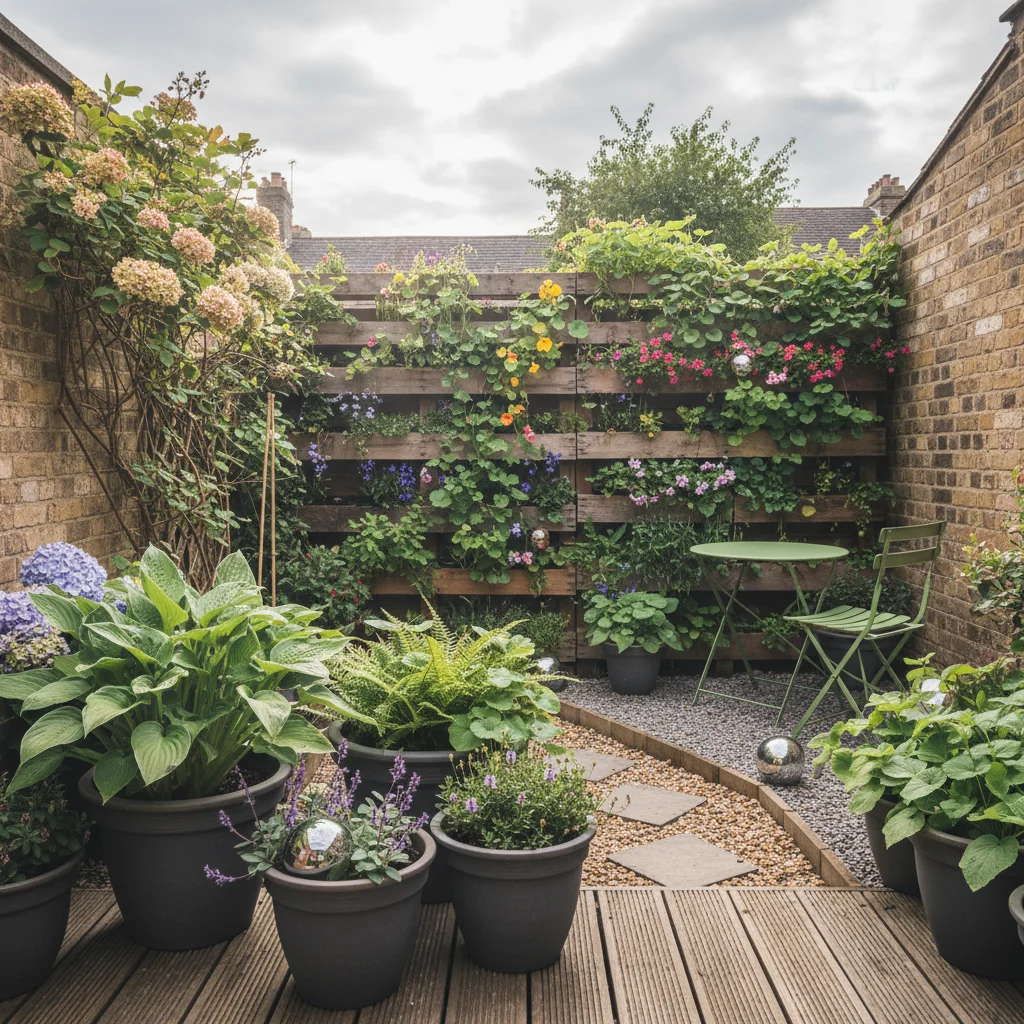
We have all stood at the back door of a new flat or a terraced house and felt that slight pang of disappointment. Looking out at a patch of grey paving or a tiny rectangle of grass can make you feel like your gardening dreams are on hold. It is easy to think that if you don't have an acre of land, you can't truly be a gardener, but that simply isn't true.
In the city, space is the ultimate luxury, but a small plot is actually a brilliant opportunity to get creative. Whether you have a windy balcony on the tenth floor or a basement courtyard that hasn't seen the sun since 1995, you can grow something beautiful. Small gardens are easier to maintain, cheaper to plant, and can become a true extension of your living room if you treat them with a bit of design savvy.
The secret to a successful small garden isn't about how much you can cram in, but how you use the space you have. We are going to look at how to stop thinking about your garden as a flat floor and start seeing it as a three-dimensional room. By the time we are finished, you will see that even a couple of grow bags and a window box can provide a summer’s worth of salad and a place to breathe.
Use Every Inch of Vertical Space
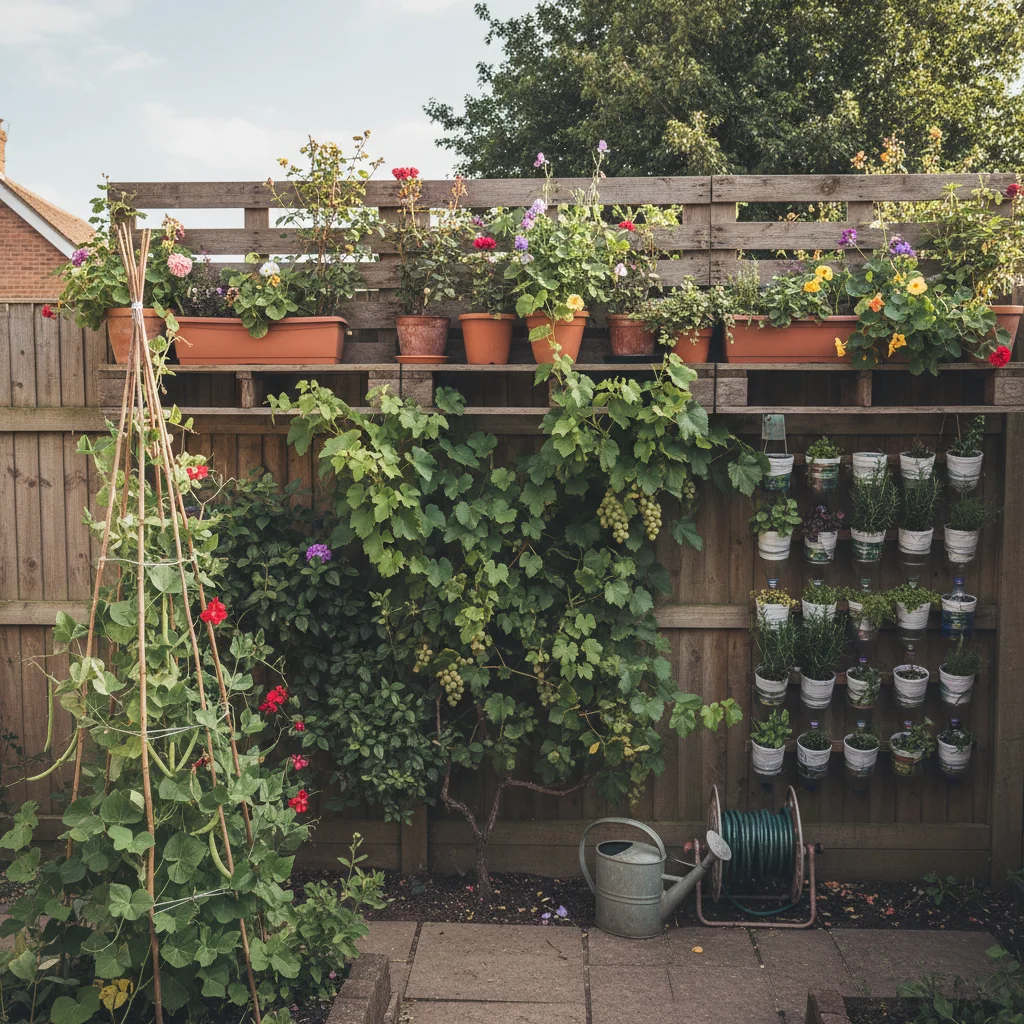
When floor space is at a premium, the only way to go is up. Most of us ignore our walls and fences, seeing them only as boundaries, but they are actually your most valuable planting real estate. A sturdy trellis or a series of simple wooden battening can turn a boring brick wall into a living tapestry of green.
Climbing plants like Clematis or star jasmine are perfect for UK gardens because they have a small footprint but a massive visual impact. They take up almost no room at the base but will happily cover a fence in a single season, providing privacy and scent. If you are renting and can't drill into the walls, free-standing obelisks or even tall bamboo canes in large pots can do the same job.
Don't stop at climbers; think about wall-mounted troughs and "living wall" pockets. These are fantastic for growing herbs like thyme and oregano right outside your kitchen door. Just remember that wall-mounted pots dry out much faster than those on the ground, so you will need to stay on top of the watering during those rare British heatwaves.
S-hooks are a small-space gardener's best friend, especially if you have a balcony with railings. You can hang lightweight pots directly off the bars to keep the floor clear for a chair and a small table. This keeps the "sightline" of the floor open, which instantly makes the whole area feel less cluttered and much larger than it actually is.
Choose Plants That Earn Their Keep
In a large garden, you can afford to have plants that only look good for two weeks of the year. In a tiny space, every single leaf has to work for its living. This means choosing varieties that offer multiple benefits, such as beautiful flowers followed by edible fruit, or evergreen foliage that looks great even in the depths of January.
Compact varieties are your secret weapon here. Look for plants with names like 'Patio', 'Nano', or 'Dwarf' on the label. For example, 'Tumbling Tom' tomatoes are bred specifically for hanging baskets and window boxes, cascading down with fruit rather than growing into a six-foot-tall jungle that requires constant staking.
We should also think about "step-over" apple trees or columnar fruit trees. These are grafted to stay small and can be grown in large pots or along a path, giving you a harvest without needing an orchard. They look stunning in the spring when the blossom arrives and provide a lovely architectural shape in the winter months.
If you love the idea of a kitchen garden but only have a patio, focus on high-value crops. Salad leaves, radishes, and herbs are much better choices than main-crop potatoes or sprawling pumpkins. You can sow a pinch of mixed salad seeds every two weeks in a shallow window box to ensure you have fresh greens all through the summer.
Design Tricks to Fool the Eye
Designing a small garden is a bit like stage management; it is all about creating an illusion. One of the oldest tricks in the book is using mirrors to reflect light and greenery. A well-placed outdoor mirror at the end of a path can make a tiny courtyard look like it continues into another hidden room.
Diagonal lines are another powerful tool for small spaces. Instead of laying your paving slabs in a straight grid, try laying them at a 45-degree angle to the house. This draws the eye to the widest part of the garden and tricks the brain into thinking the area is broader than it is. It is a simple change that makes a huge difference to the feel of a terrace.
Color palettes also play a massive role in how we perceive space. While we might love hot oranges and bright reds, these "warm" colors tend to jump forward and make a space feel smaller. Cooler tones like pale blues, whites, and soft purples recede from the eye, making the boundaries of your garden feel further away.
Furniture should be scaled to fit the space, rather than trying to squeeze in a full-sized dining set. Opt for "bistro" style tables and chairs that can be folded away when you are gardening or hanging out the washing. Transparent furniture made of polycarbonate can also be a great shout, as it provides a place to sit without creating a visual block in a small area.
Master the Art of Container Gardening
Most small UK gardens rely heavily on pots, but a sea of tiny plastic containers can look messy and be a nightmare to water. Instead, go for fewer, larger pots. A single large planter filled with a mix of plants looks much more intentional and sophisticated than ten small ones scattered around.
Large pots also hold more compost, which means they stay moist for longer. This is vital if you work in the city and can't get home to water your plants the moment the sun comes out. If you are worried about the weight on a balcony, look for high-quality resin or fiberglass pots that look like stone but weigh a fraction of the amount.
When planting up your containers, use the "thriller, filler, spiller" method. The "thriller" is a tall, eye-catching plant in the center; the "filler" consists of mounding plants that cover the soil; and the "spiller" is something that hangs over the edge. This creates a lush, professional look that provides interest at every level.
- 'Little Gem' Lettuce: Perfect for tight rows in window boxes.
- 'Swift' Potatoes: High-yield early varieties for grow bags.
- Chives: Beautiful purple flowers and edible stems for years.
- 'Patio' Blueberries: Acid-loving fruit that thrives in small pots.
- Trailing Rosemary: Scented, evergreen, and great for balcony edges.
Manage the Challenges of Urban Microclimates
Urban gardening comes with its own set of weather rules. Tall buildings can create wind tunnels that dry out plants in minutes, while high walls often create deep shade. Before you buy anything, spend a day watching how the light moves across your space. A "sunny" garden in the city might only get three hours of direct light between the shadows of neighbouring houses.
If your space is shaded, don't fight it by trying to grow sun-loving lavender. Embrace the lush, woodland look with ferns, hostas, and bleeding hearts. These plants actually prefer the damp, cooler corners of a UK courtyard and will reward you with beautiful textures and deep greens that feel like a cool escape from the city heat.
Wind is the silent killer of balcony plants. If you are high up, your plants will take a battering from the breeze, which increases evaporation. Use heavy pots that won't blow over and choose tough, flexible plants like ornamental grasses. They look beautiful when the wind catches them and won't snap like more brittle, woody shrubs might.
Don't forget the "rain shadow" effect either. If your garden is right next to a high wall or under a balcony above, the rain might never actually reach your pots. We often assume that because it’s a typical rainy Tuesday in Manchester or London, our plants are fine. Always stick your finger an inch into the soil; if it’s dry, get the watering can out regardless of the weather forecast.
Bring Wildlife to Your Doorstep
You don't need a massive wildflower meadow to help our struggling pollinators. Even a fourth-floor balcony can become a vital pitstop for bees and butterflies if you provide the right fuel. In fact, urban gardens are increasingly important corridors for wildlife as natural habitats disappear.
A small bird feeder or a "bug hotel" tucked into a corner takes up almost no space but brings so much life to a garden. Watching a blue tit visit your window box while you drink your morning coffee is one of the great joys of small-space gardening. It connects you to the seasons and the wider environment, even in the heart of a concrete jungle.
Water is the one thing every garden needs, but you don't need a pond. A simple birdbath or even a shallow stone bowl filled with water and a few pebbles (so bees don't drown) will be used constantly. It also adds a lovely reflective quality to your design, catching the sky and bringing a sense of movement to a static space.
- Lavender: A magnet for bees that thrives in sunny pots.
- Sedum: Great for late-season nectar and very drought-tolerant.
- Single-flowered Roses: Easier for insects to access than "double" varieties.
- Buddleja 'Buzz': A dwarf version of the butterfly bush for containers.
- Foxgloves: Perfect for adding vertical height in shady corners.
Gardening Through the British Seasons
One of the mistakes we make in small gardens is only thinking about the summer. In the UK, we spend a lot of time looking out of the window at our gardens rather than being in them. This means your winter view is just as important as your July BBQ. Plan for "winter interest" by using evergreens and plants with interesting bark or berries.
Spring bulbs are a gift for the small-space gardener. You can "layer" them in pots, a technique often called a bulb lasagne. Plant the largest, latest-flowering bulbs like tulips at the bottom, cover with soil, add a layer of daffodils, more soil, and then crocus or snowdrops at the top. You will get a continuous display of flowers from February through to May in a single pot.
As autumn approaches, don't be too quick to tidy everything away. Leaving seed heads on plants like sunflowers or ornamental grasses provides food for birds and creates beautiful frost-covered silhouettes in the winter. In a small space, these skeletal shapes add a ghostly beauty that keeps the garden interesting even when everything is dormant.
Remember that our frost dates vary wildly across the UK. In London, we might get away with leaving pots out much later than someone in Edinburgh or rural Yorkshire. If you have tender plants like citrus or certain succulents, have some horticultural fleece ready to wrap them up when the first frost is predicted. It only takes five minutes in a small garden, but it can save your favorite plants for next year.
The most important thing to remember is that gardening is a process, not a destination. Your tiny space will change and evolve as you learn what works and what doesn't. Start with one or two large pots, a few bags of good quality peat-free compost, and the plants that truly make you happy. You will be amazed at how quickly a small, forgotten corner can become your favorite part of the home.