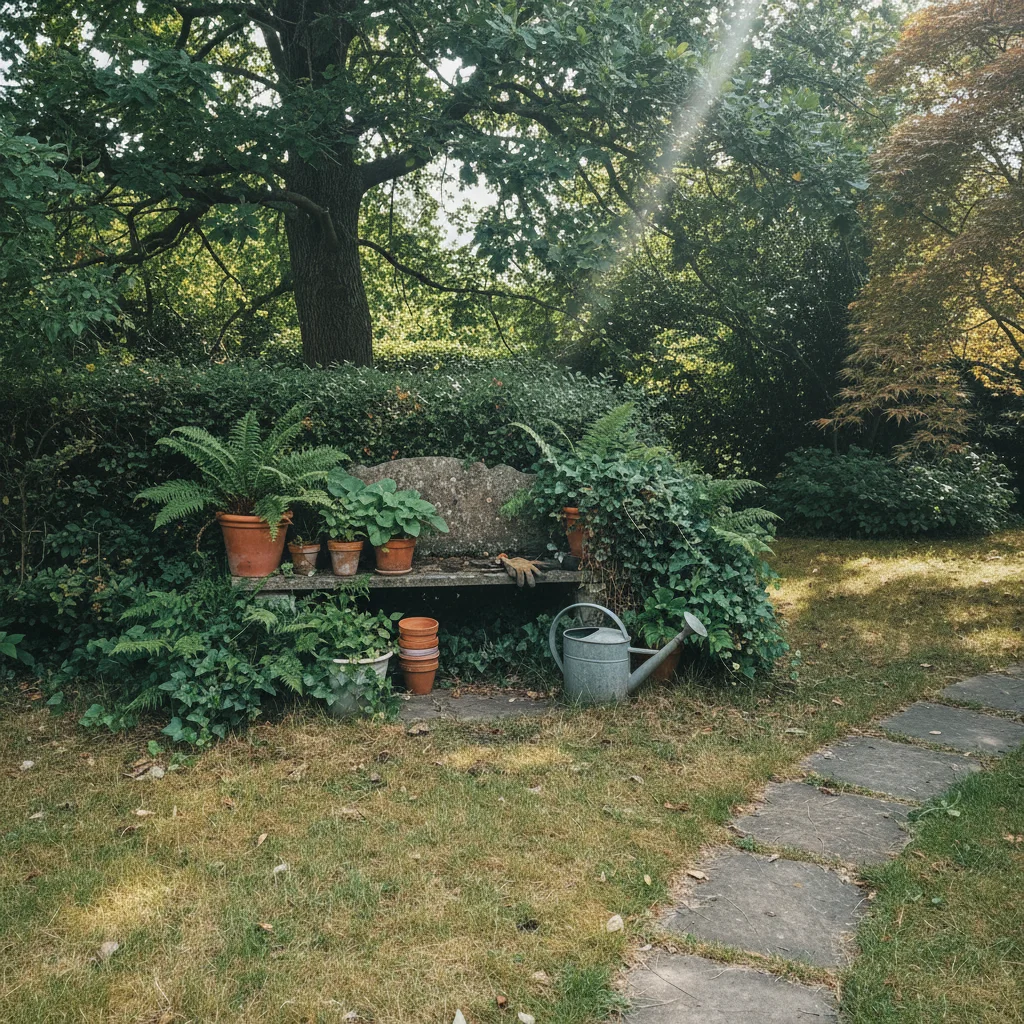
Grass not growing in shade is usually too little light, not the wrong fertiliser. Shade-tolerant seed helps a bit; thinning the canopy or switching to a shade planting often works better.
We have all stood at the edge of a patio looking at that one stubborn patch of lawn that refuses to cooperate. Whether it is tucked under the canopy of an old oak or sits in the permanent shadow of a north-facing fence, shaded grass often looks thin, yellow, or entirely overtaken by moss. It is one of the most common frustrations I hear from gardeners, but it is rarely a hopeless case.
The fundamental issue is that most traditional lawn grasses are descendants of meadow species that evolved in wide-open, sun-drenched plains. When we place them in the deep shade of a suburban garden, we are asking them to perform a biological miracle without the fuel they need. Sunlight is the primary energy source for photosynthesis, and without it, the grass plant cannot produce the carbohydrates required to maintain a strong root system or recover from foot traffic.
However, "shade" is not a single, uniform condition. Understanding the specific type of shade you are dealing with is the first step toward a solution. Dappled shade, where sunlight filters through a light tree canopy, is far easier to manage than the "deep shade" found in narrow side-passages or under dense evergreen hedges. By adjusting our expectations and our techniques, we can turn these thinning patches into resilient green spaces.
Why Grass Struggles Without Direct Sun
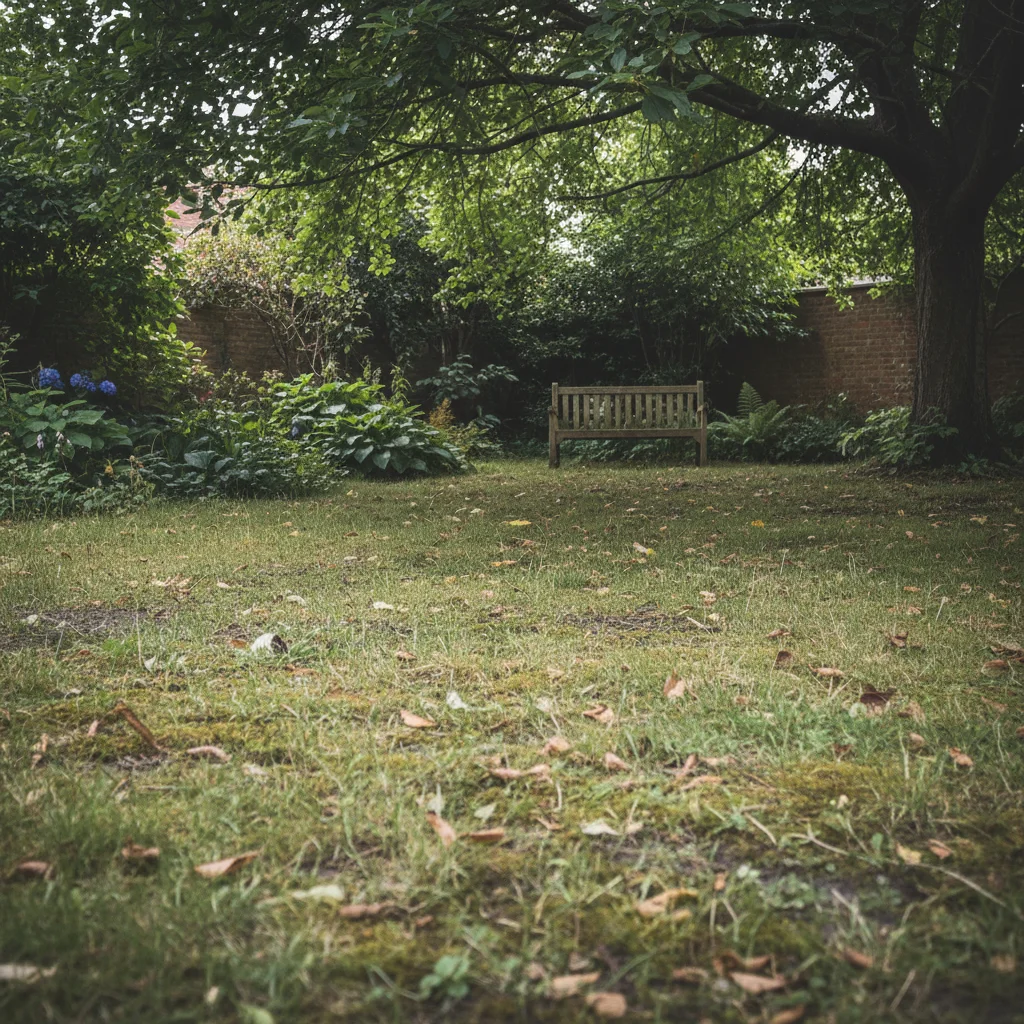
To help your lawn, we need to look at what is happening beneath the surface. In shaded areas, grass plants often undergo a process called etiolation. This is when the blades grow unusually tall, thin, and pale as they desperately stretch toward whatever light they can find. This leggy growth is physically weak and highly susceptible to fungal diseases like fusarium patch or red thread, which thrive in the damp, still air often found in shaded corners.
Competition for resources is another significant factor, especially when the shade is caused by large trees. A mature tree has a vast root system that is far more efficient at sucking up moisture and nutrients than the shallow roots of a lawn. This means the grass is not just starving for light; it is also parched and undernourished. We often see the soil becoming hydrophobic, or water-repellent, under large canopies, which makes it even harder for grass to survive the summer months.
Airflow also plays a vital role in lawn health that many gardeners overlook. Shaded areas are often enclosed by walls or dense foliage, which prevents wind from drying out the grass blades after rain or morning dew. Prolonged leaf wetness is an open invitation for moss and mould. When we combine low light, poor nutrition, and stagnant air, it is no wonder that standard grass seed mixtures fail to take hold.
Choosing Shade Tolerant Grass Varieties
If you are trying to grow a lawn in the shade using a standard "family" or "utility" seed mix, you are likely fighting a losing battle. These mixes usually contain high proportions of Perennial Ryegrass (Lolium perenne), which is fantastic for hard-wearing sunny lawns but struggles significantly in low light. To succeed, we must look toward the fescues and specialized meadow grasses that have evolved to live on the forest floor or in the shadow of taller vegetation.
When browsing the garden centre or ordering online, look for mixes specifically labelled for "Dry Shade" or "Woodland" conditions. These will often feature a high percentage of Creeping Red Fescue (Festuca rubra) and Hard Fescue (Festuca triformis). These species have much finer leaves, which reduces their surface area but also allows them to maintain a slower, more efficient metabolic rate. They are the marathon runners of the grass world, capable of surviving on very little "fuel" compared to the high-energy Ryegrass.
Another excellent addition to a shaded seed mix is Poa nemoralis, commonly known as Wood Meadow-grass. Unlike most grasses, this species actually prefers to be out of the direct sun and can maintain a decent green colour even in quite deep shade. It isn't particularly hard-wearing, so it shouldn't be used for a football pitch, but for a visual green carpet under trees, it is unsurpassed.
I recommend choosing a mix that contains at least three or four different shade-tolerant species. This genetic diversity acts as an insurance policy for your garden. Some species might prefer the drier soil near the tree trunk, while others will thrive in the damper, cooler areas near a fence. A blend ensures that something will always be growing, regardless of the micro-climate.
Preparing Your Soil for Success
Before you sow a single seed, you must address the state of the soil. In shaded areas, the soil is often either compacted and waterlogged or bone-dry and depleted of nutrients. I always suggest starting with a simple soil test to check the pH levels. Grass generally prefers a slightly acidic to neutral pH (around 6.5), but shaded soil under certain trees can become overly acidic due to falling needles or leaf litter, which encourages moss over grass.
Compaction is the enemy of healthy roots. In the shade, the ground stays damp longer, and walking on it squashes the air pockets out of the soil. I recommend using a hollow-tine aerator in the autumn or spring to remove small plugs of soil. This allows oxygen to reach the roots and improves drainage. After aerating, top-dress the area with a mix of sharp sand and well-rotted organic matter to keep those new channels open and improve the soil structure.
Nutrition is a delicate balance in the shade. It is a mistake to throw down heavy doses of high-nitrogen fertiliser in an attempt to "force" the grass to grow. This results in soft, lush growth that is easily damaged and prone to disease. Instead, use a slow-release organic fertiliser that provides a steady, gentle stream of nutrients. This encourages the plant to invest in its root system rather than just putting on top-growth that it cannot support.
Managing Tree Canopies and Airflow
Sometimes the best thing you can do for your lawn has nothing to do with the grass itself. If your shade is caused by overgrown trees or shrubs, a little bit of sympathetic pruning can make a world of difference. We are not looking to remove the trees entirely, but rather to increase the amount of "filtered" light that reaches the ground. This is often better for the tree's health as well, as it improves wind resistance.
There are two main techniques I use: crown lifting and crown thinning. Crown lifting involves removing the lowest branches of a tree to increase the gap between the ground and the canopy. This allows more light to hit the grass at an angle, especially in the early morning and late afternoon. Crown thinning involves removing some of the smaller branches within the canopy to let more light and air pass through without changing the overall shape of the tree.
Improving airflow is just as important as increasing light. If you have a solid lap-panel fence that blocks all wind and light, consider replacing a section with trellis or a "hit and miss" style fence that allows air to circulate. This simple change helps dry the lawn more quickly after rain, significantly reducing the risk of fungal infections and moss encroachment. It also creates a more pleasant environment for you to sit in during the summer months.
The Secret to Mowing Shaded Lawns
The way you mow a shaded lawn should be completely different from how you treat a sunny one. The most common mistake I see is people cutting the grass too short. In the shade, every millimetre of grass blade acts like a tiny solar panel. If you scalp the lawn, you are removing the plant's only way of collecting energy. This leads to a rapid decline in health and allows weeds to move in.
I advise keeping shaded grass at a height of at least 5cm to 7cm. This extra length provides more surface area for photosynthesis, helping the plant stay strong. It also helps to shade the soil, reducing moisture evaporation and making it harder for moss spores to find a place to settle. If the grass looks a little "shaggy," remember that a healthy, slightly longer lawn looks much better than a short, patchy, and brown one.
Always ensure your mower blades are as sharp as possible. A dull blade tears the grass rather than cutting it, leaving a jagged edge that loses moisture quickly and provides an entry point for disease. In the shade, where the grass is already stressed, these clean cuts are vital for recovery. I also suggest leaving the clippings on the lawn occasionally, provided they are fine and not clumping, as they return valuable nutrients to the soil.
Watering and Feeding Shaded Turf
Watering a shaded lawn requires a thoughtful approach. If the shade is caused by a building, the area might be in a "rain shadow" and stay dry even during a downpour. Conversely, if it is under a tree, the leaves act as an umbrella, preventing light rain from ever reaching the ground. You should check the soil moisture by pushing a finger into the top 2cm of soil; if it feels dry and dusty, it is time to water.
When you do water, do it deeply and infrequently. This encourages the grass roots to grow deeper into the soil to find moisture, making the lawn more drought-tolerant in the long run. Shallow, daily sprinkling only encourages surface roots, which will wither the moment the weather turns hot. I prefer to water in the early morning so the grass blades have all day to dry out, reducing the risk of damp-related diseases.
Feeding should be done with a focus on autumn care. While we all think about spring feeding, an autumn application of a potassium-rich fertiliser is crucial for shaded areas. Potassium helps strengthen the cell walls of the grass, making it more resistant to the cold, damp conditions of a UK winter. Avoid "weed and feed" products in the shade, as the harsh chemicals can be too much for stressed grass to handle.
How to Manage Moss Naturally
In many shaded gardens, moss is the primary competitor for space. Moss loves the exact conditions that grass hates: compacted soil, low light, and high moisture. While many people reach for chemical moss killers, these are only a temporary fix. Unless you change the underlying conditions, the moss will return within a single season. I prefer a more holistic, sustainable approach to moss management.
The first step is to improve drainage and airflow as we discussed earlier. Once the conditions are less "moss-friendly," you can physically remove the bulk of the moss through scarification. This involves raking the lawn vigorously to pull up the moss and thatch. It will look dreadful for a few weeks, but it clears the way for new grass seed to make contact with the soil. Always follow scarification with overseeding using a shade-tolerant mix.
- Aerate the soil annually to reduce compaction and improve drainage.
- Overseed every spring to keep the grass density high, leaving no room for moss.
- Remove fallen leaves promptly in autumn so they don't smother the grass.
- Test your soil pH and apply lime if the soil has become too acidic.
- Avoid over-watering in the autumn and winter months when moss is most active.
When to Consider Alternatives
There are some areas where, no matter how much effort you put in, grass will simply never thrive. If you are dealing with "deep shade" where there is zero direct sunlight and very little reflected light, it might be time to work with nature rather than against it. Trying to force a lawn to grow in a dark side-return is a recipe for frustration and wasted money.
In these spots, I often recommend woodland groundcover plants that naturally thrive in low light. Species like Galium odoratum (Sweet Woodruff), Vinca minor (Lesser Periwinkle), or even certain types of clover can create a beautiful, low-maintenance green carpet. These plants are far better adapted to the conditions and will provide a much more attractive result than a struggling, yellowing lawn.
Alternatively, you could embrace the shade by creating a woodland garden bed. Using shade-loving ferns, hostas, and hellebores can turn a "problem area" into a lush, architectural highlight of the garden. By mulching these areas with bark or woodchip, you also improve the soil health for any surrounding trees and reduce your weekend maintenance.
If you are determined to have a green space in a shaded corner, start by assessing your light levels tomorrow morning and seeing where a little pruning might help. Once you have opened up the canopy and selected a high-quality fescue mix, you will be well on your way to a lawn that stays healthy all year round.
Frequently asked questions
Will shade lawn seed fix a dark patch?
It helps if there is still several hours of light. Under a dense evergreen, seed is a yearly disappointment. Raise the canopy or plant something else.
Should I feed a shady lawn more?
No. Extra nitrogen on weak grass in shade encourages disease. Improve light and drainage first.
What can I plant instead of grass?
Woodland groundcover, bark, or a simple path. That is often cheaper than reseeding the same rectangle every spring.