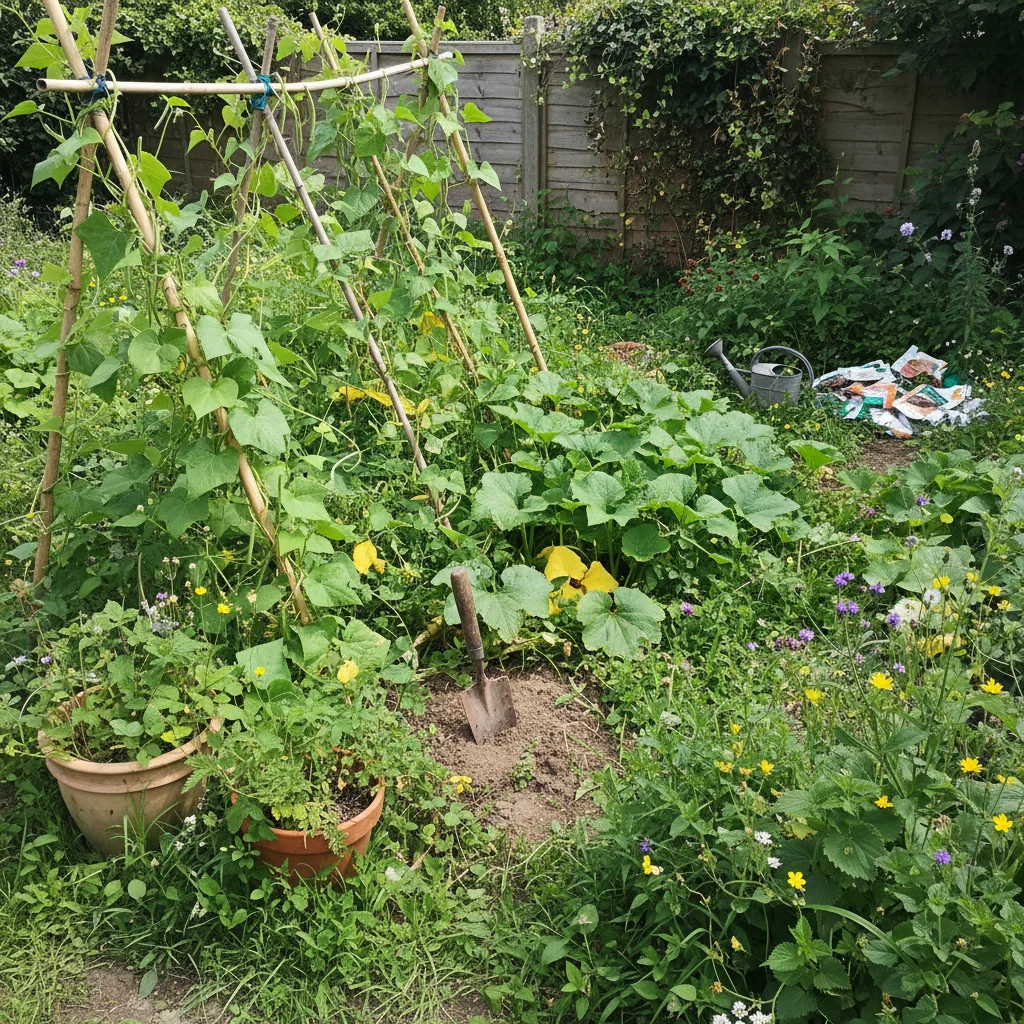
An overgrown vegetable patch is recovered by clearing, covering, and improving soil — not by rotavating weed roots into a thousand pieces. Start with one bed you can finish.
It happens to the best of us. Life gets busy, weeds take over, and suddenly your once-thriving vegetable patch is looking more like a wilderness. Don't despair! Reclaiming an overgrown vegetable patch is entirely achievable, and with a bit of effort, you can transform it back into a productive garden. This guide will walk you through the process, step-by-step, so you can enjoy fresh, homegrown vegetables again.
Assess the Situation
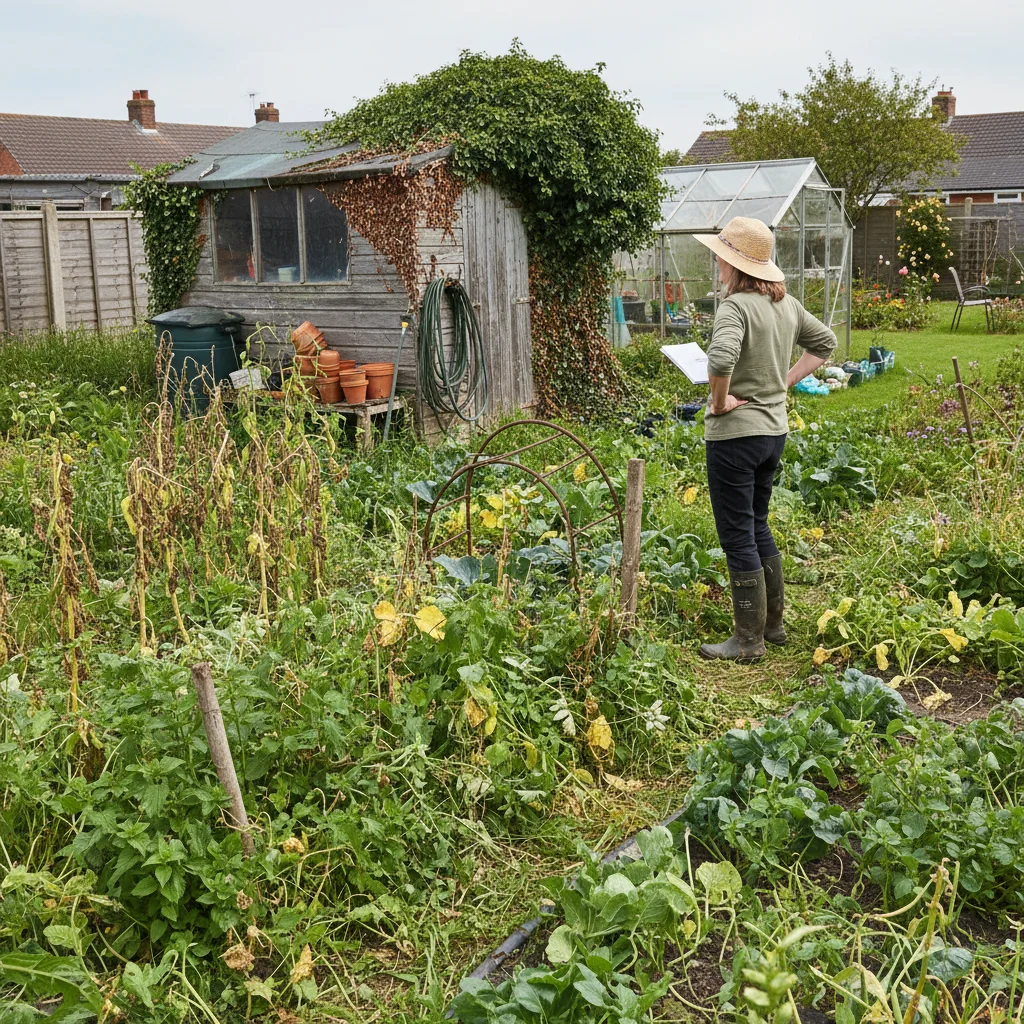
Before you start hacking away, take a good look at what you're dealing with. Understanding the extent of the problem will help you plan your attack. Consider these questions:
- What kind of weeds are present? Are they mostly annuals (easy to pull), or are there persistent perennials with deep roots?
- How compacted is the soil? Overgrown patches often have heavily compacted soil, which needs addressing.
- Is there any remaining plant debris? Old stems, leaves, and decaying vegetables need to be cleared.
- What is the overall size of the area? This will help you estimate the time and resources needed.
Clearing the Overgrowth
This is the most physically demanding part of the process, but it's crucial for success. Choose a dry day for this task, as working with wet soil can make it even more compacted.
- Cut back the larger vegetation: Use loppers or a scythe to remove tall weeds and overgrown plants. Chop them into smaller pieces for composting later.
- Remove the remaining debris: Rake up loose leaves, twigs, and other surface debris.
- Tackle the weeds: There are several ways to remove weeds, depending on your preference and the type of weeds present.
Weed Removal Methods
- Hand-pulling: Effective for smaller areas and annual weeds. Make sure to remove the entire root system to prevent regrowth.
- Hoeing: Use a hoe to slice through the weed stems at ground level. This works well for annual weeds but may require repeated applications for perennials.
- Digging: For persistent perennial weeds like bindweed or couch grass, digging them out is often the most effective method. Use a garden fork to loosen the soil around the roots and carefully lift them out.
- Covering: Smothering weeds with cardboard or black plastic is a great organic option. Cover the area for several months to kill the weeds and suppress new growth. This is best done in autumn or winter.
Preparing the Soil
Once you've cleared the overgrowth, it's time to focus on improving the soil. Healthy soil is the foundation of a productive vegetable patch.
Digging or No-Dig?
The traditional method involves digging over the entire vegetable patch to loosen the soil and incorporate organic matter. However, the "no-dig" method is becoming increasingly popular, as it avoids disturbing the soil structure and beneficial soil organisms.
- Digging: Use a garden fork to turn over the soil to a depth of about 20-30cm (8-12 inches). Remove any large stones or roots. Break up any large clumps of soil.
- No-Dig: Spread a thick layer of organic matter (such as compost, well-rotted manure, or leaf mould) over the surface of the soil. This will gradually improve the soil structure and fertility.
Improving Soil Structure and Fertility
Regardless of whether you dig or not, it's essential to improve the soil's structure and fertility. Here's how:
- Add organic matter: Incorporate plenty of compost, well-rotted manure, or leaf mould into the soil. This will improve drainage, aeration, and water retention. It also provides essential nutrients for plant growth.
- Check the soil pH: Most vegetables prefer a slightly acidic to neutral soil pH (around 6.0-7.0). Use a soil testing kit to check the pH and amend the soil accordingly. Lime can be added to raise the pH, while sulphur can be added to lower it.
- Consider green manures: Sowing a green manure crop (such as clover or mustard) can help to improve soil structure and fertility. Sow in autumn and dig in before planting your vegetables in spring.
Dealing with Compacted Soil
Compacted soil is a common problem in overgrown vegetable patches. It restricts root growth, reduces drainage, and limits the availability of nutrients. Here's how to tackle it:
- Double digging: For severely compacted soil, double digging may be necessary. This involves digging two layers of soil, which helps to break up the hardpan and improve drainage.
- Adding organic matter: As mentioned earlier, adding plenty of organic matter will help to improve soil structure and reduce compaction over time.
- Worm power: Encourage earthworms in your vegetable patch. Their burrowing activity helps to aerate the soil and improve drainage.
Preventing Future Overgrowth
Once you've reclaimed your vegetable patch, it's important to take steps to prevent it from becoming overgrown again. Regular maintenance is key.
- Weed regularly: Don't let weeds get a foothold. Hoe or hand-pull them as soon as they appear.
- Mulch: Apply a layer of mulch around your plants to suppress weeds and retain moisture.
- Plant densely: Planting vegetables close together will help to shade the soil and prevent weed growth.
- Rotate crops: Rotating your crops each year will help to prevent the build-up of soil-borne diseases and pests.
- Keep on top of harvesting: Promptly harvest vegetables as they ripen to prevent them from rotting and attracting pests.
- Compost regularly: Turn your green waste into valuable compost to feed your soil and reduce waste.
What to Grow Now
With your vegetable patch cleared and the soil improved, it's time to start planning what to grow. Consider the time of year and your local climate. Some vegetables, like salad leaves and radishes, can be sown directly into the soil in early spring. Others, like tomatoes and peppers, need to be started indoors and transplanted later. Research suitable varieties for your region and get planting.
Reclaiming an overgrown vegetable patch takes some effort, but the rewards are well worth it. Imagine fresh, homegrown vegetables on your table, knowing you nurtured them from seed to harvest. Start planning your crops, get your hands dirty, and enjoy the satisfaction of a thriving vegetable garden.
Frequently asked questions
Should I rotavate an overgrown veg patch?
Usually no if perennials like couch or bindweed are in it — you chop roots and multiply them. Clear, cover, then cultivate once you can see what is left.
How long before I can sow?
A season of covering can kill a lot of weeds. You can still grow in containers or a cleared corner while the rest rests.
When is it worth hiring?
When the area is large, woody, or full of rubbish as well as weeds. That is garden clearance, then you take the growing back.