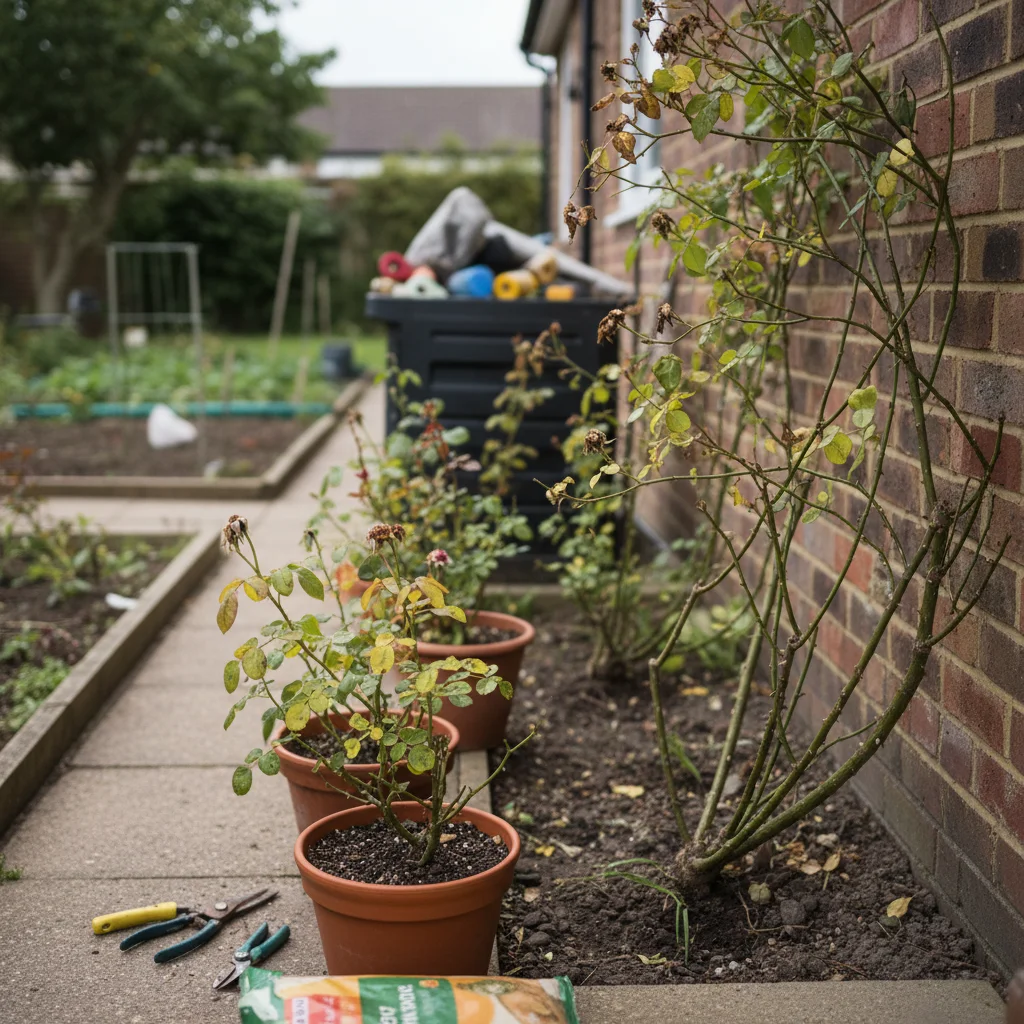
Roses not flowering are usually pruned at the wrong time, starved, or sitting in too much shade — not “the wrong variety” as a first guess. Check last year’s wood, feed, and light before you replace the plant.
There is nothing quite as frustrating for a gardener as a rose bush that refuses to bloom. We put in the effort to plant, mulch, and care for these iconic plants, expecting a reward of scent and colour, only to be met with a stubborn mass of green leaves. In my years as a head gardener, I have seen this happen in even the most well-tended borders, and usually, the plant is trying to tell us something about its environment or its care routine.
Roses are remarkably resilient plants, but they are also quite communicative. If they aren't flowering, they are usually diverting their energy elsewhere or they simply lack the raw materials needed to produce a bud. Understanding the biology of the rose is the first step toward fixing the problem. We need to look at the balance of light, nutrients, and how we use our secateurs to guide the plant back into a flowering cycle.
The good news is that a lack of flowers is rarely a terminal issue. Most of the time, a few simple adjustments to your seasonal habits will see those buds returning by the next flush. Whether you are dealing with a classic hybrid tea, a rambling rose, or a modern shrub variety, the principles of encouraging blooms remain largely the same. Let’s walk through the most common reasons your roses are staying green and how we can bring the colour back to your garden.
Why Sunlight Matters Most
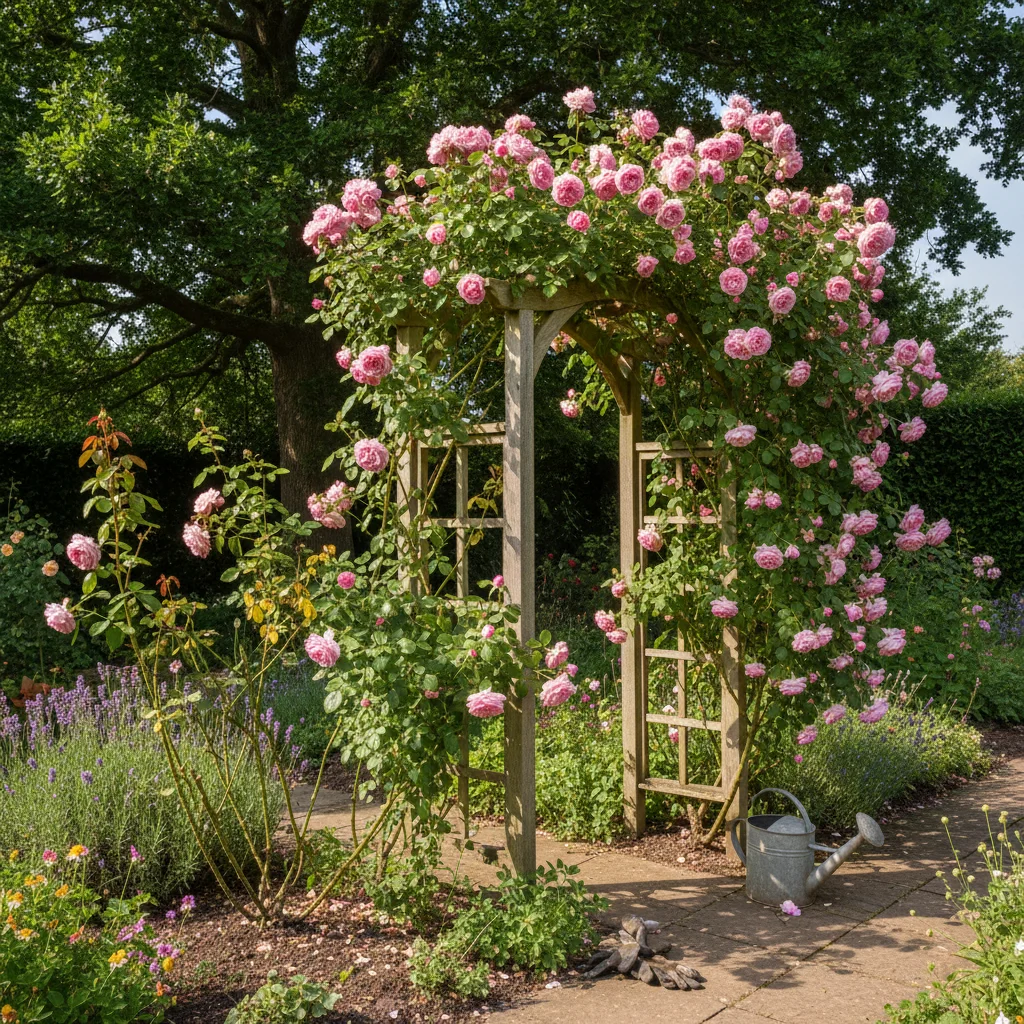
If I had to pick the single most common reason for a rose failing to flower, it would be a lack of direct sunlight. Roses are sun-worshippers by nature and require a significant amount of energy to produce those complex, multi-petalled blooms. In the UK, where our light levels can be temperamental, positioning is everything. Most varieties need at least six hours of direct sunlight every day to perform at their best.
When a rose is planted in too much shade, it often becomes "leggy." This means the plant is stretching its stems upward as fast as possible to reach the light, prioritising height over flower production. You might see plenty of healthy leaves, but the plant simply hasn't stored enough sugars through photosynthesis to invest in a bloom. If your garden has matured and nearby trees or shrubs are now casting longer shadows, your rose may be struggling in the new conditions.
If you suspect light is the issue, you might not need to move the plant immediately. Sometimes, a bit of "light pruning" of overhanging branches from neighbouring trees can make a world of difference. However, if the rose is truly stuck in a dark corner, the best course of action is to transplant it during the dormant season, typically between November and March. Moving it to a south-facing or west-facing spot will often result in a dramatic increase in flowers the following summer.
Feeding Your Roses and the NPK Balance
We often think that any fertiliser will help a plant grow, but using the wrong type can actually prevent roses from flowering. All fertilisers have an NPK ratio, which stands for Nitrogen (N), Phosphorus (P), and Potassium (K). Nitrogen encourages lush, green leafy growth, while Potassium is the key ingredient for flower and fruit development. If you are using a high-nitrogen lawn feed near your roses, or a generic "all-purpose" feed that is too heavy on the Nitrogen, you are essentially telling the plant to grow more leaves instead of buds.
In my own garden, I prefer to use a dedicated rose food or a high-potash feed like organic tomato fertiliser once the first buds start to form. This shift in nutrients signals to the plant that it is time to stop focusing on foliage and start investing in reproductive growth. It is also worth considering the health of your soil. Roses are "heavy feeders," meaning they deplete the soil of nutrients quite quickly, especially in established borders.
To keep the soil healthy and the blooms coming, I always recommend a thick mulch of well-rotted manure or garden compost in early spring. This not only provides a slow-release source of nutrients but also improves the soil structure and helps retain moisture. Avoid using fresh manure, as the high ammonia content can scorch the delicate roots of the rose. A sustainable, peat-free compost is an excellent choice for top-dressing your rose beds and supporting long-term soil health.
When and How to Prune Your Roses
Pruning is often a source of anxiety for gardeners, but it is one of the most effective ways to stimulate new flowering wood. If you don't prune at all, the rose can become a tangled mess of old, unproductive wood. Conversely, if you prune at the wrong time of year, you might accidentally cut off the stems that were meant to carry this year's flowers. This is particularly true for rambling roses, which often flower on wood produced in the previous growing season.
For most bush and climbing roses in the UK, the main prune should happen in late winter, just as the buds are beginning to swell but before the leaves emerge. We aim to remove the "three Ds"—dead, damaged, and diseased wood. By opening up the centre of the plant to allow for better air circulation, we reduce the risk of fungal issues and encourage the plant to send up strong, new shoots from the base. These new shoots are where your best flowers will appear.
It is also important to consider the "blind wood" phenomenon. Sometimes a rose produces a perfectly healthy-looking stem that simply ends in a cluster of leaves rather than a bud. This is often caused by a sudden cold snap in spring or fluctuating temperatures. If you spot these blind shoots, the best remedy is to prune them back by about half to a strong outward-facing bud. This usually stimulates the plant to try again, often resulting in a flower a few weeks later.
Watering Tips for Healthy Growth
Watering might seem straightforward, but roses have specific needs that can affect their ability to bloom. A rose that is under drought stress will often drop its buds or fail to form them entirely as a survival mechanism. It is prioritising the hydration of its core stems and roots over the "luxury" of flowering. In the height of a UK summer, a rose can require a surprising amount of water, especially if it is planted in sandy soil that drains quickly.
The key is to water deeply and at the base of the plant. I always advise against overhead watering, as getting the leaves wet encourages diseases like black spot and powdery mildew, which can weaken the plant and reduce flowering. Instead, give each rose a good bucketful of water once or twice a week during dry spells. This encourages the roots to grow deep into the soil where it stays cooler and more moist, rather than staying near the surface where they are vulnerable to heat.
Effective watering is also about retention. This is where mulching becomes your best friend. A 5cm layer of organic matter around the base of the rose—keeping it a few centimetres away from the actual stem to prevent rotting—will lock in moisture and keep the root zone at a stable temperature. We want to avoid the "boom and bust" cycle of the soil drying out completely and then being flooded, as this stress is a major bloom-killer.
Identify Pests and Diseases Early
A rose that is constantly fighting off pests or fungal infections will have very little energy left for flowering. Common culprits like aphids (greenfly) can cluster around the developing tips of stems, sucking the sap and distorting the growth before a bud can even form. Similarly, diseases like black spot can cause the plant to lose its leaves prematurely. Without leaves, the plant cannot photosynthesise, and without photosynthesis, there is no energy for flowers.
I take a preventative and sustainable approach to these issues. Rather than reaching for harsh chemical sprays, which can harm beneficial pollinators like bees and hoverflies, I encourage natural predators. Planting companion plants like Alliums, Marigolds, or Lavender nearby can help deter pests and attract the ladybirds that feast on aphids. If you do need to treat an outbreak, a simple spray of water and a tiny drop of eco-friendly dish soap can often do the trick without damaging the wider ecosystem.
Signs Your Rose Needs Extra Attention
Sometimes it helps to have a quick checklist to see if your rose is struggling with its environment. If you notice any of these signs, it is time to adjust your care routine:
- Yellowing lower leaves: Often a sign of nitrogen deficiency or over-watering.
- Spindly, thin stems: Usually indicates the plant is not getting enough direct sunlight.
- Dark spots on leaves: A clear symptom of black spot, which requires better airflow and hygiene.
- White powdery coating: Powdery mildew, often caused by dry roots and humid air.
- Lush leaves but no buds: Likely a sign of too much nitrogen fertiliser and not enough potash.
- Stunted new growth: Could be a sign of aphid damage or a lack of water.
Understanding the Age and Variety of Your Rose
It is worth remembering that not all roses are programmed to bloom all the time. Some traditional rambling roses, for example, only flower once a year in a magnificent burst during June or July. If you are expecting flowers in September from a summer-fruiting rambler, you will be disappointed regardless of how much you feed it. Always check the variety of your rose to understand its natural flowering cycle—some are "remontant" (repeat-flowering), while others are "summer-fruiting."
The age of the plant also plays a significant role. A newly planted rose often spends its first year or two establishing a strong root system. During this time, it might produce only a few small flowers or none at all. We call this "settling in," and it is perfectly normal. On the other end of the spectrum, very old roses can become "woody" and lose their vigour. These older plants often benefit from a "rejuvenation prune," where you remove one or two of the oldest, thickest stems right down to the ground each year to encourage fresh growth from the base.
Finally, consider the possibility of "Rose Replant Disease" if you have planted a new rose in the exact spot where an old one recently died. This is a poorly understood condition where soil organisms that were tailored to the old rose attack the new one. If you must plant in the same spot, I recommend using mycorrhizal fungi—often sold as "Rootgrow"—to help the new rose establish its own healthy root network. It’s a small investment that makes a massive difference in the long-term health and flowering potential of the plant.
The Importance of Deadheading
One of the simplest yet most overlooked tasks in the rose garden is deadheading. For repeat-flowering roses, the plant's goal is to produce seeds (hips). Once a flower has been pollinated and starts to fade, the plant pours its energy into developing that seed pod. By snipping off the faded blooms, we "trick" the plant into thinking it has failed to reproduce, prompting it to send out another flush of flowers to try again.
When deadheading, don't just pull the petals off. Use your secateurs to cut the stem back to the first strong, five-leaflet leaf. This ensures you are cutting back to a point where the stem is thick enough to support the weight of a new flower. It is a meditative task that keeps the garden looking tidy and ensures a continuous display of colour from early summer right through to the first frosts of autumn.
By taking a methodical approach to sunlight, soil health, and pruning, you can transform a stubborn green bush into the centrepiece of your garden. It’s all about working with the plant's natural rhythms and providing the right environment for it to thrive. Once you get the balance right, you’ll find that roses are some of the most rewarding plants you can grow, filling your outdoor space with incomparable scent and beauty for months on end.
| Feed Type | Best Time to Apply | Benefit |
|---|---|---|
| Well-rotted manure | Early Spring (March) | Improves soil structure and provides slow-release nutrients |
| Granular rose food | After Pruning (March/April) | High-potash boost for early bud formation |
| Liquid seaweed/Tomato feed | Summer (June-August) | Quick-acting nutrient boost for repeat flowering |
| Mycorrhizal fungi | At Planting | Helps roots establish and prevents replant disease |
As you spend more time observing your roses, you’ll begin to recognise the subtle signs they give when they need a little extra help. Whether it’s a quick mulch to protect against a dry spell or a strategic prune to remove blind wood, these small acts of stewardship are what make a garden truly flourish. There is nothing quite like the satisfaction of seeing those first fat buds finally crack open to reveal their colour, knowing that your care and patience made it happen.
Frequently asked questions
Did I prune them at the wrong time?
Often. Many repeat-flowering roses are pruned in late winter. Cutting new flowering wood off in summer is a classic way to get leaves and no blooms.
Should I feed more?
A rose fertiliser in spring helps if the soil is poor. Nitrogen-only lawn feed nearby makes leaves, not flowers. Water in drought; dry roots stall buds.
When is it disease rather than pruning?
Blackspot and rust weaken the plant. Yellow leaves plus no flowers can be both. Improve air flow and cleanliness; replace only if the plant is exhausted.