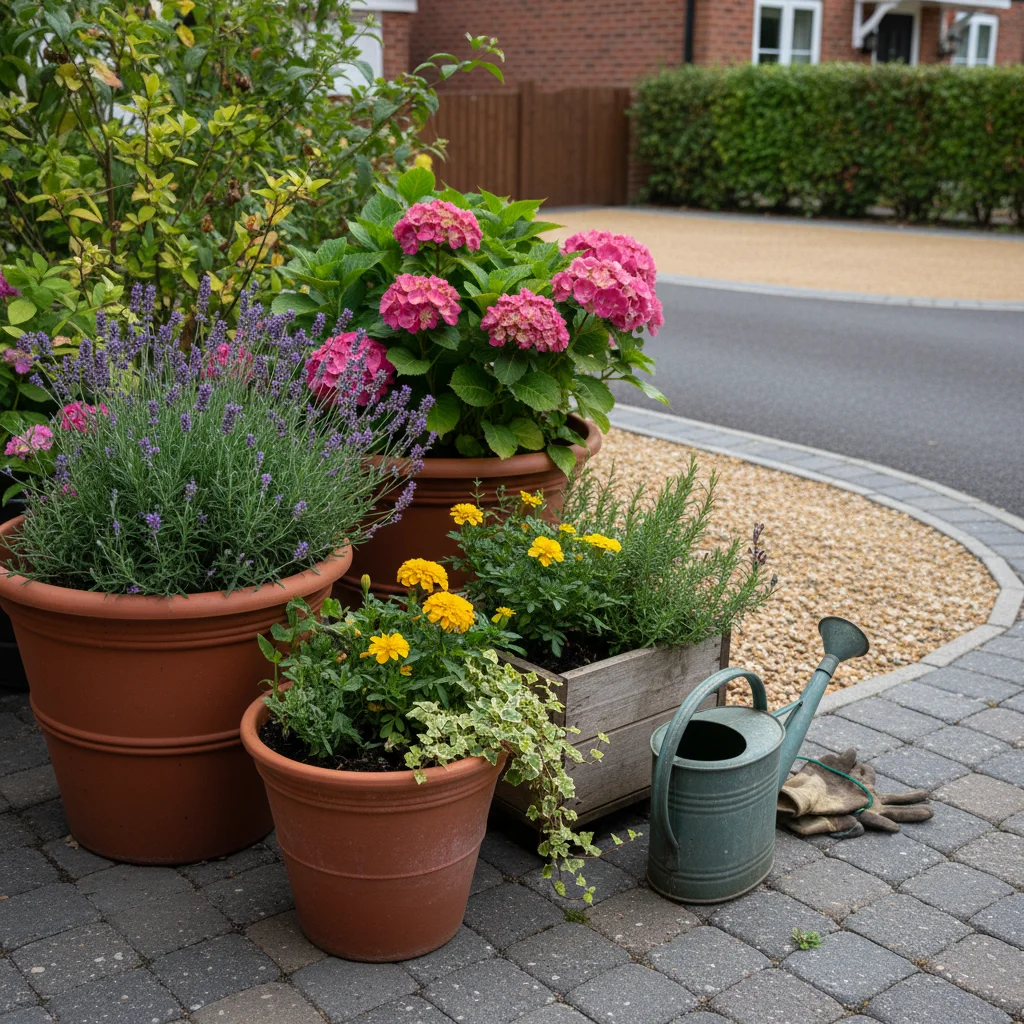
Driveway options in the UK come down to use, drainage, and planning rules: tarmac and resin for a clean finish, gravel for cost, block paving when you want repairable bays.
A driveway is far more than just a functional strip of land where we park our cars. It is the first thing you see when you return home and the primary element that defines your property’s kerb appeal. For many of us, it is also a significant piece of hard landscaping that interacts directly with our garden’s ecosystem, particularly when it comes to managing rainwater.
When you begin looking at the various driveway options available in the UK, it is easy to feel overwhelmed by the technical jargon. Between permeability regulations and sub-base specifications, the choices can seem complex. However, selecting the right material is a balance of aesthetics, how much time you want to spend on maintenance, and how the surface handles the unpredictable British weather.
Understanding drainage and regulations
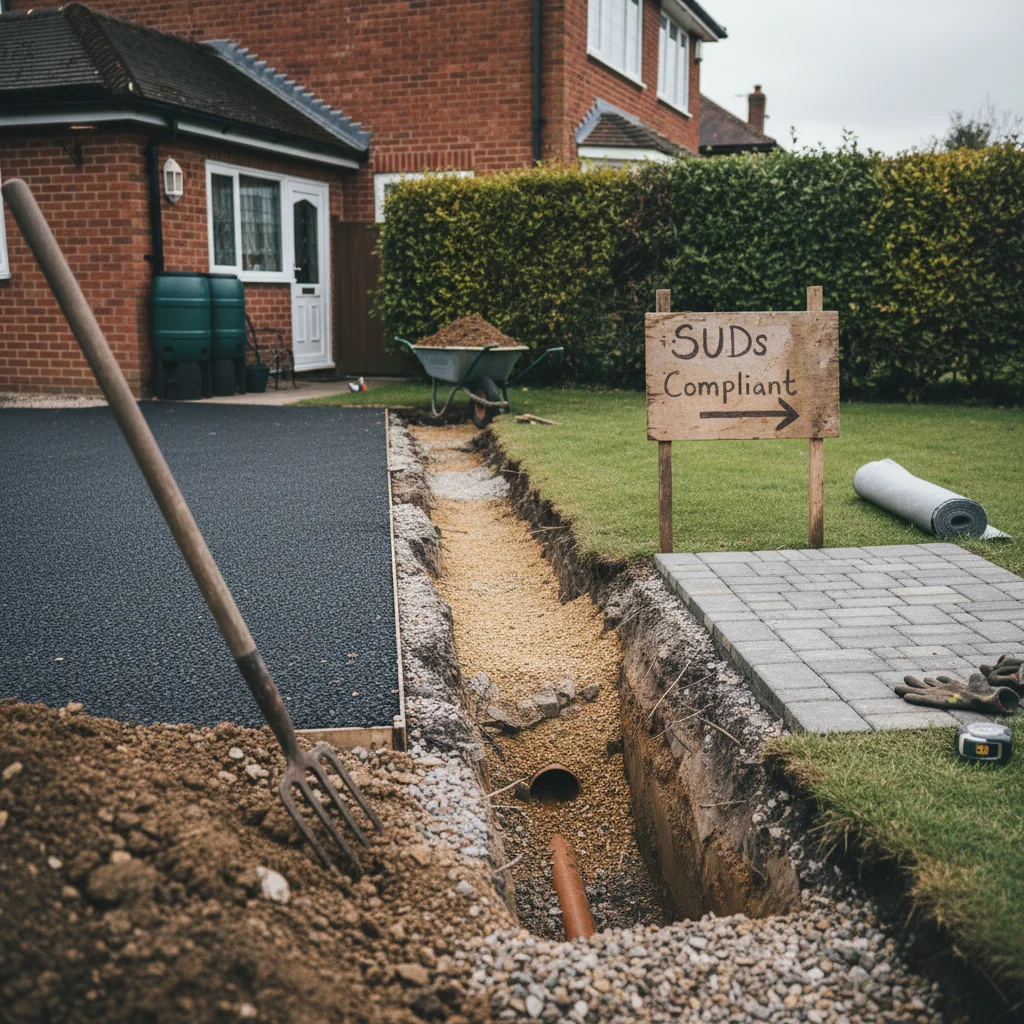
Before we look at specific materials, we must address the most critical technical aspect of any modern driveway: drainage. In 2008, the UK government introduced legislation regarding Sustainable Urban Drainage Systems, often referred to as SUDS. These rules were designed to prevent surface water from new driveways flowing directly into public sewers, which can lead to flooding during heavy downpours.
If your new driveway uses a permeable surface that allows water to soak through into the ground, you generally do not need planning permission. However, if you choose a non-permeable material over an area larger than five square metres, you must ensure that the water is directed to a lawn or a border to drain naturally. This is not just a legal requirement; it is a vital part of responsible gardening and home ownership that protects our local environment.
The classic appeal of gravel
Gravel remains one of the most popular choices for UK homeowners, and for good reason. It is a traditional material that suits almost any style of property, from a rustic country cottage to a sleek, contemporary new build. Because it is naturally permeable, it is an excellent choice for those who want to comply with SUDS regulations without installing complex drainage systems.
The scope of a gravel installation involves more than just tipping stones onto the ground. A professional installation requires a sturdy sub-base, typically made of compacted MOT Type 1 crushed stone, covered by a heavy-duty weed membrane. To prevent the gravel from shifting or "rutting" under the weight of tyres, many installers now use honeycomb plastic grids that lock the stones in place, creating a much firmer surface for walking and driving.
Maintenance for gravel is relatively straightforward but does require a bit of regular attention. You will need to rake the stones occasionally to keep the surface level and top up the gravel every few years as it settles or gets carried away in tyre treads. While the weed membrane helps, some wind-blown seeds will inevitably settle in the gravel, so a quick session with a hoe or a spot-treatment of organic weedkiller may be necessary in the spring.
The versatility of block paving
Block paving offers an incredible amount of design flexibility, allowing you to create intricate patterns, borders, and colour contrasts. Whether you prefer the weathered look of tumbled "cobble" blocks or the sharp lines of modern clay pavers, this method provides a highly durable and premium finish. It is a "flexible" pavement, meaning the blocks are laid on a bed of sand and held in place by the friction of kiln-dried sand brushed into the joints.
The installation process for block paving is labour-intensive. It begins with a deep excavation to accommodate a thick sub-base, followed by a layer of sharp sand that is screeded to a perfectly level finish. Each block is then laid by hand, and once the pattern is complete, a heavy vibrating plate compactor is used to "bed" the blocks and lock the sand into the joints. This creates a surface that can withstand significant weight without shifting.
One of the greatest advantages of block paving is that it is easy to repair. If a single block becomes stained by oil or a utility company needs to dig up a section of your drive, the blocks can be lifted and replaced without leaving a visible "patch" in the finish. To keep it looking its best, you should expect to sweep it regularly and occasionally top up the jointing sand, especially after a heavy winter or a session with a pressure washer.
Modern resin bound surfaces
Resin-bound surfacing has seen a massive surge in popularity over the last decade. It is created by mixing high-quality clear resin with small, cleaned aggregates—usually natural gravel or crushed granite—and trowelling the mixture onto a prepared base. The result is a smooth, seamless finish that looks like gravel but has none of the loose stones. Crucially, resin-bound systems are fully permeable, allowing water to drain through the surface at a remarkable rate.
It is important to distinguish between resin-bound and resin-bonded surfaces. Resin-bonded involves scattering stones over a layer of resin, resulting in a non-permeable, rougher surface where stones can eventually work loose. Resin-bound, however, encapsulates every stone in resin, creating a flat, "open-matrix" structure that is both durable and SuDS compliant when laid over the correct porous sub-base.
The scope of a resin project usually involves laying the material over an existing or new base of porous asphalt or concrete. Because the finish is so smooth, it is an excellent choice for households where mobility is a priority, as it is easy to navigate with wheelchairs, prams, or bicycles. Maintenance is minimal; a simple wash with a garden hose and a stiff brush is usually enough to remove any dirt or debris that might clog the pores of the surface.
The durability of tarmac
Tarmac, or more accurately "bitmac" in modern terms, is often the go-to choice for those seeking a clean, no-nonsense finish that lasts for decades. It consists of a mixture of stone aggregates and a bitumen binder, which is laid hot and rolled to a smooth finish. While black is the most common colour, you can also find red tarmac or options with coloured stone chippings rolled into the surface to add a bit of character.
Tarmac is exceptionally resilient and can handle heavy traffic without showing much wear. However, traditional tarmac is not permeable, meaning you must carefully plan your drainage. This might involve installing "Aco" drains—long metal or plastic channels—that catch the water at the edge of the driveway and redirect it to a soakaway or a suitable garden area.
Over time, tarmac can be affected by the sun’s UV rays, which can cause the bitumen to dry out and become brittle, potentially leading to small cracks. Fortunately, modern bitumen "revivers" can be painted on every few years to restore the deep black colour and add a protective layer. It is also worth noting that tarmac can be softened by fuel spills, so it is best suited to vehicles that are well-maintained and leak-free.
Choosing the right surface for your needs
Deciding between these options often comes down to the specific conditions of your site and your personal lifestyle. If you live in an area with heavy clay soil, drainage will be your biggest challenge, making permeable options like gravel or resin-bound particularly attractive. If you have a steep incline, loose gravel might be impractical as it will naturally migrate downhill, whereas block paving or tarmac would provide a much more stable footing.
We should also consider the environmental impact of our choices beyond just drainage. Using locally sourced stone for your gravel or block paving reduces the carbon footprint of your project. Similarly, choosing a durable material that will last thirty years rather than ten is a form of sustainability in itself, as it reduces the need for future excavation and waste.
To help you compare the practicalities of each material, here is a summary of their typical characteristics:
- Gravel: High permeability, high maintenance, low installation complexity.
- Block Paving: Moderate permeability (with specific blocks), moderate maintenance, high installation complexity.
- Resin-Bound: High permeability, low maintenance, moderate installation complexity.
- Tarmac: Low permeability, low maintenance, moderate installation complexity.
Maintaining your investment
Regardless of the material you choose, the longevity of your driveway depends on how well it is cared for. Moss and algae can be a common issue in the damp UK climate, particularly on north-facing drives or areas shaded by large trees. These organic growths are not just an aesthetic problem; they can become incredibly slippery when wet and, in the case of block paving, their roots can eventually displace the jointing sand.
A regular maintenance routine will prevent these issues from taking hold. For most surfaces, a simple sweep to remove fallen leaves and organic debris is the most important task. Leaves left to rot on a resin or tarmac surface can cause tannins to stain the material, while on gravel, they eventually break down into a soil-like mulch that encourages weed growth.
By taking the time to understand the requirements of each material, you can ensure your driveway remains a beautiful and functional part of your home for many years. Whether you prefer the crunch of gravel under your tyres or the sleek, modern look of resin, the right choice will harmonise with your garden and provide a welcoming entrance every time you return home. Once you have narrowed down your preferred material, the next step is to observe how water currently moves across your front garden during a heavy rainstorm to plan your drainage effectively.
Frequently asked questions
Which driveway material is best?
Tarmac is tough and familiar. Resin looks neat but needs a sound base. Gravel is cheapest and permeable. Block paving is repairable if a bay sinks.
Do I need planning permission?
Often yes if you are paving a front garden and water cannot soak away on the property. Permeable materials or a drain to a soakaway usually keep you within the rules.
What should I ask before hiring?
Sub-base depth, edge restraints, drainage, and whether the quote includes excavation and waste. Cheap driveways fail at the base, not the surface.