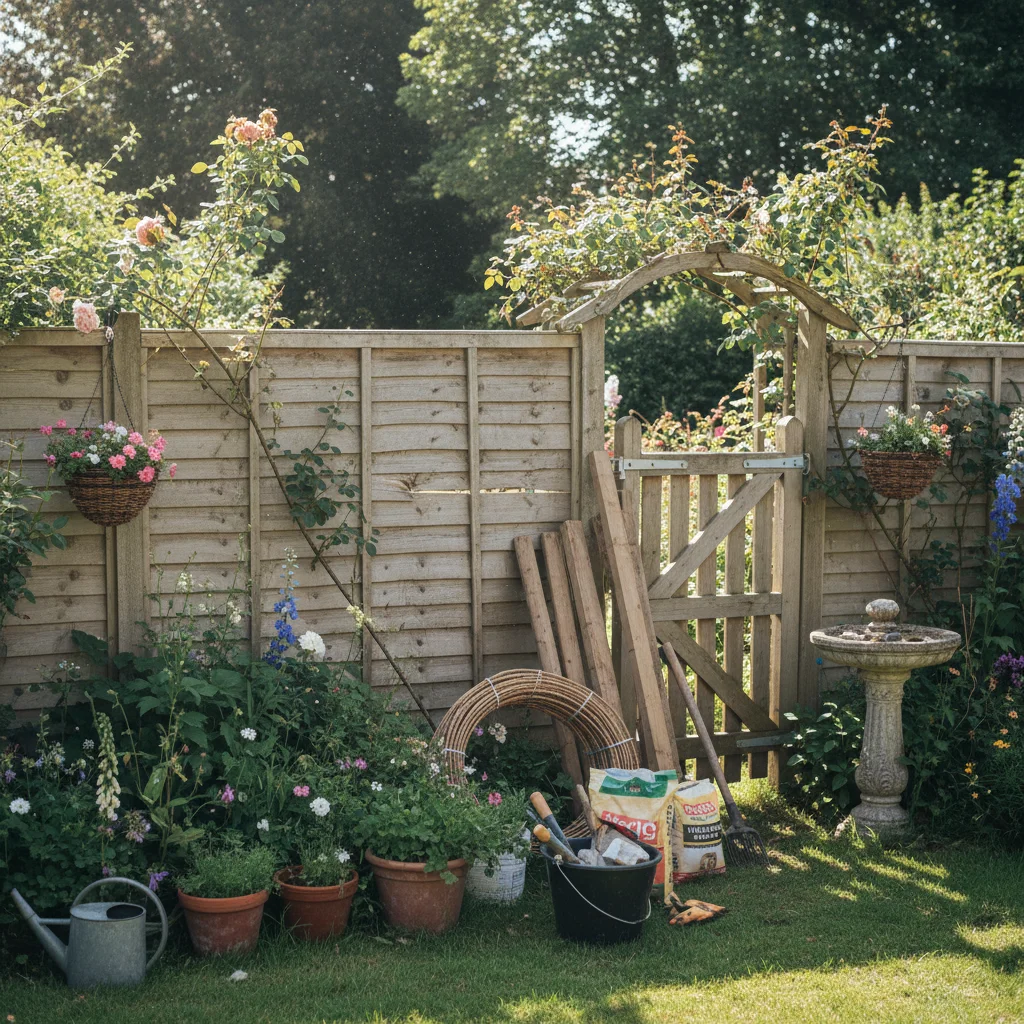
Garden fencing in the UK is posts, gravel boards, and panels that can take wind and wet. A cheap panel job without proper posts is why so many fences lean after the first winter storm.
A garden fence is far more than just a boundary line. It serves as the frame for your outdoor space, providing a backdrop for your planting schemes while offering essential privacy and security. For many of us, the fence is also the first line of defence against the unpredictable British weather, acting as a windbreak that protects delicate shrubs and provides a sheltered microclimate for our favourite perennials.
When we think about installing or upgrading a fence, it is easy to focus solely on the aesthetics. However, as someone who has spent years managing large estates and small urban plots alike, I know that the structural integrity of your fencing is what truly matters in the long run. A poorly installed fence will not only look untidy after a few seasons but can become a genuine hazard during the winter gales that frequently sweep across our islands.
Understanding traditional panel fencing
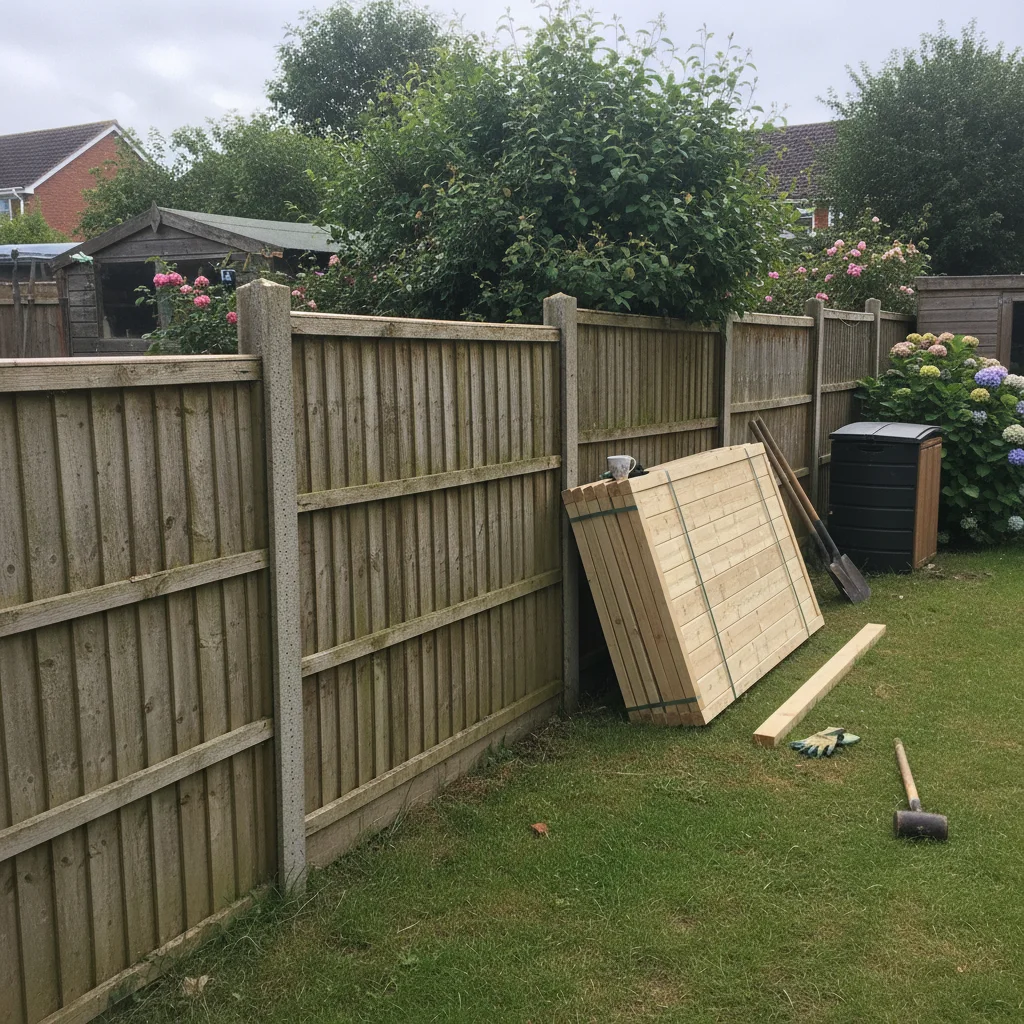
The most common sight in UK gardens is the pre-made fence panel. These are typically six feet wide and available in various heights, usually ranging from three to six feet. They are designed to slide between or be nailed to posts, making them a relatively quick and cost-effective way to enclose a space.
Overlap panels, often called waney-edge panels, are the most budget-friendly option. They consist of horizontal slats that overlap each other slightly, held within a wooden frame. While they provide excellent privacy, they are generally less robust than other types and can be prone to warping if the timber is not of a high quality or if they are left untreated for too long.
For a more decorative look, many gardeners opt for hit-and-miss or pale panels. These allow some wind to pass through the gaps, which actually reduces the "sail effect" during high winds, making the fence less likely to blow over. They offer a softer boundary that blends beautifully with climbing plants like clematis or honeysuckle, which can weave through the gaps over time.
The strength of closeboard fencing
If you are looking for a fence that will stand the test of time, closeboard fencing is often the superior choice. Unlike pre-made panels, closeboard is usually constructed on-site using individual vertical featheredge boards. These boards overlap and are nailed to horizontal arris rails, which are securely fixed into heavy-duty posts.
The primary advantage of closeboard fencing is its sheer strength and versatility. Because it is built piece by piece, it can easily follow the natural contours of a sloping garden without the need for awkward "stepping" that you often see with rigid panels. It is a solid, heavy-duty option that provides maximum privacy and a very high level of security for your property.
I always recommend including a gravel board at the base of a closeboard fence. This is a horizontal board, often pressure-treated or made of concrete, that sits directly on the ground. It prevents the vertical featheredge boards from touching the damp soil, significantly reducing the risk of ground-rot and extending the life of your fence by several years.
Choosing between timber and concrete posts
The debate between timber and concrete posts is one of the most frequent conversations I have with homeowners. Timber posts offer a seamless, natural look that many prefer, especially in traditional or cottage-style gardens. When using timber, it is vital to ensure the wood is UC4 rated, meaning it has been treated for permanent contact with the ground.
Concrete posts, while perhaps less aesthetically pleasing to some, are practically indestructible in terms of rot. They are the "set and forget" option for garden boundaries. In a damp climate like ours, where the soil stays moist for much of the year, concrete provides a level of permanence that timber simply cannot match.
From a sustainability perspective, timber is a renewable resource, provided it is FSC-certified. Concrete has a much higher carbon footprint during manufacture, but its longevity means you won't be replacing it every decade. If you choose timber, I suggest using a "Postsaver" sleeve or a similar bitumen-based wrap at the ground line to prevent the "wet-dry" cycle that causes most wooden posts to snap at the base.
Modern composite fencing options
In recent years, composite fencing has become a popular alternative to traditional wood. Made from a blend of recycled plastic and wood fibres, these systems offer the look of timber without the need for annual staining or painting. They are entirely resistant to rot, mould, and wood-boring insects, which makes them an attractive prospect for busy gardeners.
Composite panels are often designed as a tongue-and-groove system that stacks together, creating a very sleek and contemporary finish. While the initial investment is higher than timber, the lack of maintenance costs over twenty years can make it a sensible financial decision. It is an excellent choice for modern, low-maintenance gardens where clean lines are the priority.
We should always consider the environmental impact of our choices. High-quality composite fencing often uses recycled materials that would otherwise end up in landfill. However, unlike pure timber, it is more difficult to recycle at the end of its life, so it is a choice that requires balancing long-term durability against immediate sustainability goals.
Gates and garden security
A fence is only as secure as its weakest point, which is almost always the gate. A well-constructed gate should match the style of your fencing but requires much heavier framing to prevent sagging over time. I always look for gates that feature a diagonal "brace" or "Z-frame" on the back, which transfers the weight of the gate back towards the hinges.
The hardware you choose is just as important as the wood itself. For standard garden gates, heavy-duty tee hinges are the industry standard, and they should be long enough to cover at least a third of the gate's width. Always use galvanised or stainless steel fittings to prevent rust streaks from ruining the look of your timber.
Security is a major factor for many UK homeowners, particularly for side gates leading to the rear of the property. A simple sliding bolt is often insufficient. I recommend a heavy-duty long-throw bolt or a key-lockable Gatemate system, which allows you to lock the gate from both sides, providing peace of mind when you are away from home.
Understanding boundaries and planning rules
Before you pick up a spade, it is essential to understand the legalities of garden boundaries. There is a common myth in the UK that you always own the fence on the right-hand side of your property, but this is not always true. You should always check your house deeds or the Title Plan from the Land Registry to confirm exactly where your boundary lies.
In most parts of the UK, you can install a fence up to two metres high without needing planning permission. However, if the fence is adjacent to a highway or a footpath used by vehicles, the limit is usually restricted to just one metre. If you live in a Conservation Area or a listed building, different rules may apply, so a quick call to your local planning office is always a wise move.
Communication with your neighbours is perhaps the most important part of any fencing project. Even if the fence is entirely on your land, discussing your plans beforehand can prevent disputes and ensure everyone is happy with the chosen style. A shared fence often means shared costs, which can allow you to invest in higher-quality materials that benefit both parties.
When to repair and when to replace
Not every leaning fence requires a full replacement. Often, a fence fails because a single post has rotted at the ground level while the panels themselves remain in good condition. In these cases, a "repair spur" or "Godfather post" can be used. This is a short concrete post that is bolted to the existing timber post and set in fresh concrete to provide new stability.
If the rails of a closeboard fence have snapped but the boards are fine, you can often splice in a new section of arris rail using a galvanised bracket. This is a sustainable way to extend the life of your boundary without the waste of a full tear-down. However, if the timber feels soft or "punky" to the touch in multiple places, it is likely that the rot has taken hold throughout the structure.
Deciding whether to start fresh or patch up depends on the overall condition of the materials. To help you decide, consider the following checklist of tools and signs of wear.
To carry out basic fence maintenance and small repairs, you will generally need:
- A heavy-duty crowbar for removing old concrete.
- A post-hole digger or a narrow spade.
- A spirit level to ensure everything is perfectly vertical.
- A cordless drill with exterior-grade wood screws.
- A tub of Postcrete for fast-setting foundations.
If you are unsure whether your fence has reached the end of its life, look for these specific warning signs:
- Visible leaning that does not return to centre after a wind gust.
- Posts that wobble significantly when pushed at the top.
- Featheredge boards that have curled or pulled away from the rails.
- Dark, soft patches at the base of the timber indicating advanced rot.
- Frequent "patch repairs" that seem to fail every winter.
Long term maintenance for timber
To keep a timber fence looking its best and functioning well, a little annual maintenance goes a long way. I recommend checking your fence every spring for any damage caused by winter storms. Look for loose nails, cracked boards, or signs of movement in the posts. Tightening a few screws early on can prevent a much larger repair job later in the year.
Applying a wood preservative every two to three years is the best way to protect against the damp UK climate. Modern water-based stains are much better for the environment than the old solvent-based treatments and are safer to use around your garden plants. Always clear away any climbing foliage or tall grass from the base of the fence before painting to ensure you reach the most vulnerable areas.
Choosing the right fencing is an investment in your home’s security and your garden’s beauty. By selecting the right materials for your specific site and keeping up with basic maintenance, you can ensure your boundaries remain strong and attractive for many years to come. Take the time to plan your project carefully, and you will enjoy a private, sheltered sanctuary that stands up to whatever the British weather throws at it.
Frequently asked questions
What should a fencing quote include?
Posts (concrete or treated timber), gravel boards, panels or closeboard, fixings, and making good. Confirm who owns the fence and whether neighbours have been told.
Repair or replace?
Replace rotten posts; you can often keep decent panels. If posts are concrete and sound, swapping panels is the cheaper job.
How high can I go without planning permission?
Usually 2 metres in the rear garden and 1 metre next to a highway, but check local rules and any covenants before you hire.