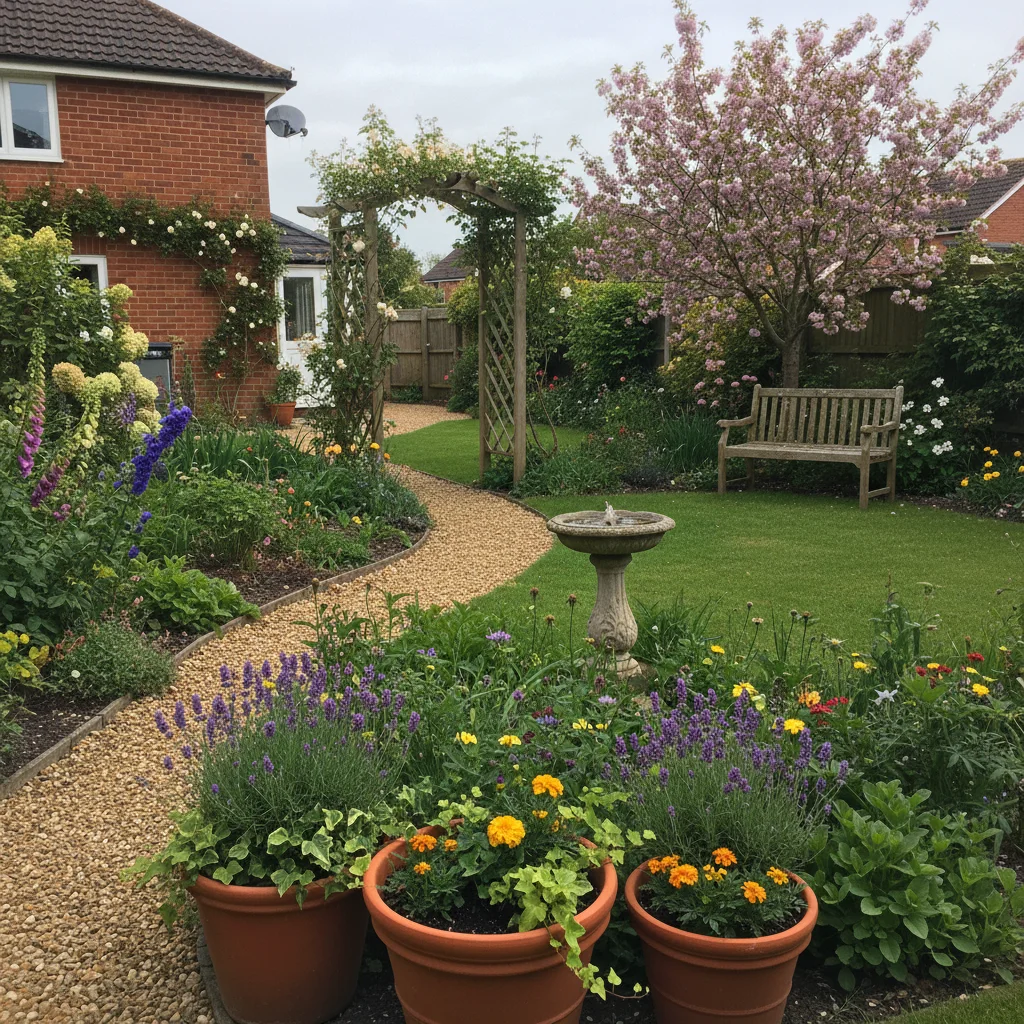
Garden design vs landscape design is the difference between a planting and layout plan, and a build that moves earth, paving, and levels. Know which you are hiring before you compare quotes.
When you look out at a tired lawn or a patch of overgrown weeds, you likely see a project that needs a professional touch. However, the terminology used in the industry can be confusing for many homeowners. You might find yourself searching for a garden designer one moment and a landscape designer the next, wondering if there is any real difference between the two.
In my years as a head gardener, I have worked alongside both disciplines to bring outdoor spaces to life. While the terms are often used interchangeably in casual conversation, they represent different approaches to your outdoor space. Understanding these nuances is the first step toward ensuring your investment yields a garden that is both beautiful and functional.
Choosing the right professional depends entirely on the scope of your vision and the existing state of your land. Whether you are looking to install a complex tiered patio or simply want a perennial border that sings with colour throughout the summer, knowing what you are hiring for will save you time and frustration.
Understanding the two disciplines
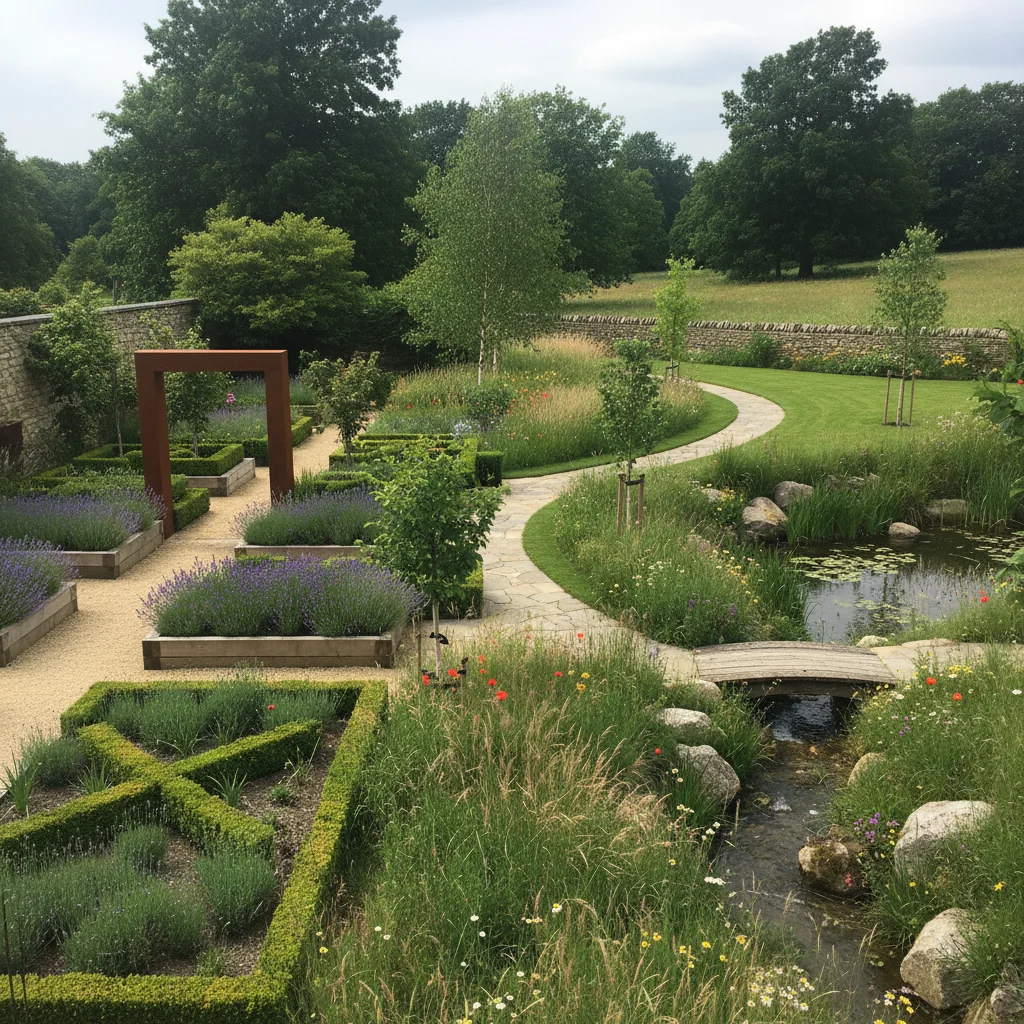
Garden design is primarily focused on the aesthetic and horticultural aspects of a space. A garden designer usually works on a more intimate, human scale, focusing on how you will experience the garden through sight, scent, and touch. They are experts in plant associations, soil health, and creating "rooms" within your outdoor space that feel like an extension of your home.
Landscape design often encompasses a broader scope that includes significant structural changes and environmental considerations. This might involve complex drainage systems, major earthmoving, or the integration of large-scale hardscaping like retaining walls and driveways. Landscape designers frequently deal with the technical challenges of a site, ensuring that the "bones" of the garden are engineered to last for decades.
In the UK, many professionals bridge the gap between these two worlds. A good designer will consider the pH of your soil and the prevailing winds just as much as the choice of paving stone. They look at the garden as a living ecosystem where the hard materials provide the structure and the soft planting provides the soul.
What a garden designer delivers to you
When you hire a professional, you aren't just paying for their ideas; you are paying for a set of technical documents that serve as a blueprint for your garden. The first thing you will usually see is a concept plan. This is a high-level drawing that shows the proposed layout, shapes, and the general mood of the new garden without getting bogged down in every individual plant species.
Once the concept is agreed upon, the designer produces a masterplan. This is a precise, scaled drawing that outlines exactly where everything goes, from the edge of the lawn to the position of a water feature. It serves as the definitive guide for anyone physically building the garden, ensuring that every measurement is accurate to the millimetre.
Beyond the layout, you should expect a detailed planting scheme. This is not just a list of pretty flowers; it is a technical document that specifies the Latin names of plants, the quantities required, and their exact positions. A professional scheme considers the eventual height and spread of each plant, ensuring that your borders don't become a crowded mess of "thugs" and "weaklings" within three years.
| Document Type | Purpose | What it includes |
|---|---|---|
| Concept Plan | Visualising the big picture | Mood boards, rough layouts, and flow |
| Masterplan | The technical blueprint | Scaled measurements, levels, and materials |
| Planting Scheme | The horticultural heart | Latin names, pot sizes, and spacing |
| Construction Drawings | Building instructions | Cross-sections of walls, steps, or pergolas |
| Maintenance Schedule | Long-term care | Pruning dates, feeding, and mulching |
The technical side of planting schemes
A professional planting scheme is where a designer’s horticultural expertise truly shines. They will assess your soil texture—whether it is heavy clay that holds moisture or sandy soil that drains rapidly—and select plants that will thrive in those specific conditions. This "right plant, right place" approach is the cornerstone of a sustainable, low-maintenance garden.
You will receive a plant list that includes the pot sizes for the initial installation. This is crucial for budgeting, as a 10-litre shrub costs significantly more than a 2-litre one, even if they are the same species. The designer will balance the use of structural evergreens with deciduous shrubs and herbaceous perennials to ensure the garden has interest even in the depths of a grey British January.
Furthermore, a designer will often provide a maintenance schedule tailored to your new plants. This guide tells you when to prune your roses, when to divide your perennials, and how to manage your mulch. In my experience, this document is just as important as the design itself, as it empowers you to keep the vision alive long after the designer has finished their work.
Choosing between design only and design and build
One of the biggest decisions you will face is whether to hire a design-only professional or a design-and-build firm. A design-only professional acts as an independent consultant. They provide the creative vision and the technical drawings, but they do not employ the labourers who will lay the stones. This gives you the flexibility to put the project out to tender and find a landscaper who fits your budget.
A design-and-build company offers an all-in-one service. They have designers in the office and landscapers on the ground. This approach can lead to a more seamless transition from paper to patio, as the people building the garden are in constant communication with the person who designed it. It often reduces the stress of project management for the homeowner, as there is only one point of contact.
However, there is a benefit to the independence of a design-only professional. They can act as your representative on-site, ensuring that the contractor is following the plans to the letter and using the specified materials. Whichever route you choose, ensure you understand exactly who is responsible for what, especially when it comes to site waste management and the sourcing of sustainable materials like peat-free compost.
Preparing for your initial consultation
Before a designer arrives at your home, you can do a significant amount of groundwork to make the meeting more productive. Designers appreciate clarity, so it helps to have a firm idea of how you intend to use the space. Is it a place for entertaining large groups, a safe haven for children to play, or a quiet sanctuary for wildlife and reflection?
You should also take a moment to look at your existing garden with a critical eye. Note where the sun falls at different times of the day and identify any areas where water tends to sit after a heavy downpour. This information is vital for the designer as they begin their site analysis. If you have a particular style in mind, such as a formal knot garden or a wilder, naturalistic meadow, gather some images to show them.
To get the most out of your first meeting, try to have the following items ready:
- A rough map of your property boundaries and any existing trees you wish to keep.
- A clear list of "must-haves" versus "nice-to-haves" for the final design.
- An honest assessment of your maximum budget for both the design fees and the build.
- Inspiration photos or a Pinterest board showing styles and colours you enjoy.
- Information on any underground services or drainage issues you are aware of.
The importance of site analysis and soil testing
A professional designer will never start drawing until they have thoroughly analysed the site. This involves measuring the levels of the ground, as even a seemingly flat lawn often has a subtle slope that affects drainage. They will also look at the "borrowed landscape"—the views beyond your fence—and decide whether to frame them or screen them out for privacy.
Soil testing is perhaps the most underrated part of the design process. I always recommend a thorough check of the pH levels and the soil structure before a single plant is purchased. If you have acidic soil, your designer can specify rhododendrons and camellias; if it is alkaline, they will look toward clematis and lavender. Ignoring the soil is the quickest way to waste money on plants that will simply struggle and die.
Sustainability is another key factor in modern site analysis. A good designer will look for ways to recycle materials already on-site, such as crushing old concrete to use as a sub-base for a new path. They will also consider how to manage rainwater, perhaps by incorporating a rain garden or using permeable paving to reduce the burden on local drainage systems.
Managing your budget and expectations
It is important to be realistic about what can be achieved within your budget. Garden construction is often more expensive than people anticipate because it involves significant groundworks and high-quality materials that must withstand the British weather. A designer can help you phase a project, perhaps building the main terrace this year and adding the pergola or the lighting scheme the following year.
Be open about your budget from the very beginning. A designer who knows they are working with a tighter limit can choose more cost-effective materials or suggest smaller plant sizes that will grow into the space over time. They are skilled at finding creative solutions that don't compromise the overall aesthetic, such as using high-quality gravel instead of expensive stone for secondary paths.
Remember that a well-designed garden is an investment that adds significant value to your property. Beyond the financial aspect, the mental health benefits of a functional, beautiful outdoor space are immeasurable. By hiring the right professional and providing them with a clear brief, you are setting the stage for a garden that will bring joy for many years to come.
Once you have your plans in hand and your soil is prepared, you are ready to begin the transformation. Taking the time to understand exactly what your designer delivers ensures that the transition from a messy plot to a polished landscape is a smooth and rewarding journey. Reach out to a qualified designer today to start the process of turning your outdoor vision into a reality.
Frequently asked questions
What is the difference between garden design and landscape design?
Garden design is usually the plan: layout, planting, atmosphere. Landscape design and landscaping lean toward the build: levels, drainage, hard surfaces.
Do I need a designer before a landscaper?
For a simple planting refresh, no. For a full redesign with paving and changes of level, a plan first stops you paying twice for mistakes.
What should I ask a designer?
What drawings you get, whether 3D is included, whether they project-manage the build, and how many site visits are in the fee.