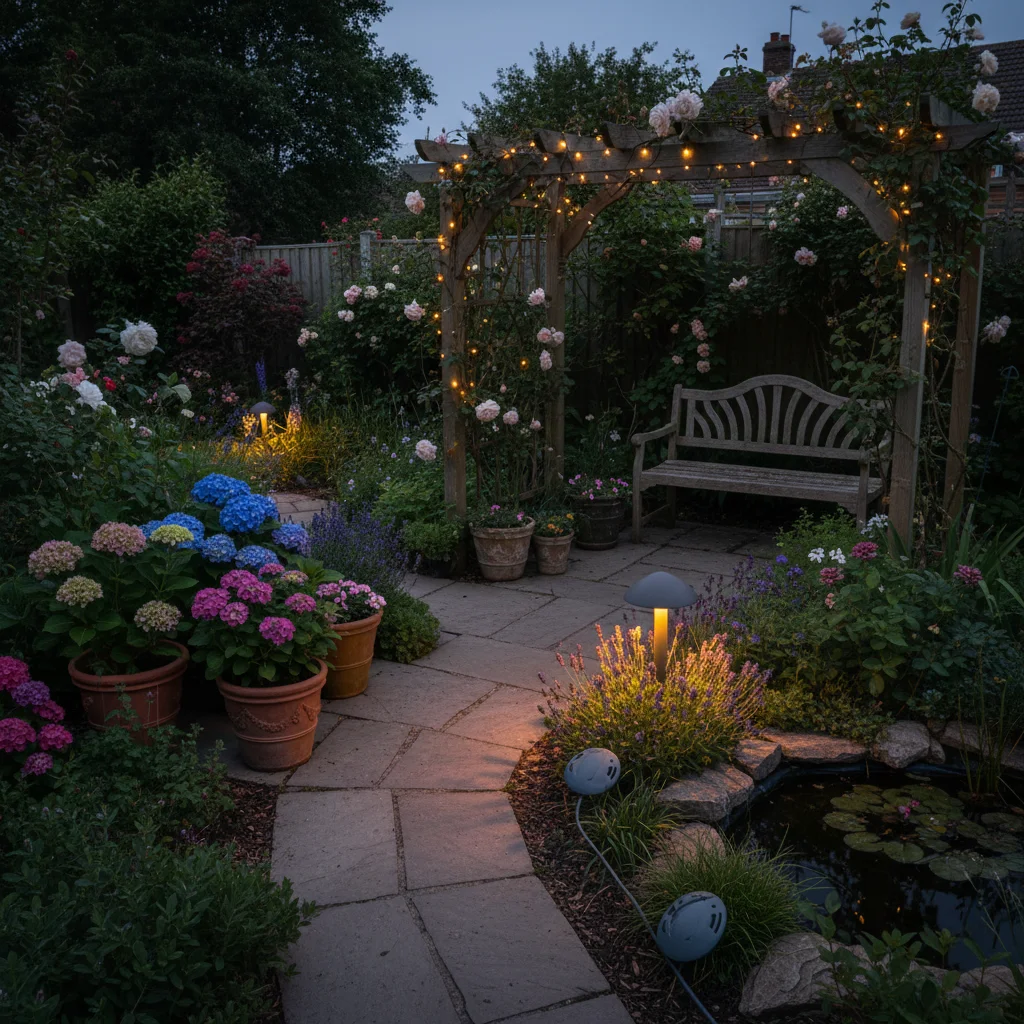
Garden lighting is an outdoor electrical job as much as a design one. Low-voltage LED kits can be DIY; anything on mains in the garden should be installed by someone competent, with the right IP ratings and cable routes.
As the sun sets over a well-tended garden, the landscape undergoes a profound transformation. The vibrant greens of the lawn and the bright hues of the herbaceous borders begin to fade into shadow, and the space often becomes off-limits until the next morning. However, with a thoughtfully designed lighting scheme, your garden can take on a second life after dark, offering a completely different aesthetic and a welcoming atmosphere for evening relaxation.
I have spent many years designing and maintaining gardens across the country, and I have seen how the right illumination can turn a dark patch of grass into a theatrical masterpiece. It is about more than just visibility; it is about highlighting the architectural form of a silver birch or casting a soft glow over a stone path. When we approach garden lighting, we must balance our creative desires with two critical factors: the safety of our home’s electrical system and the health of our local environment.
Before you reach for the spade to start burying cables, it is vital to understand that outdoor electrics are a serious undertaking. The British weather is notoriously damp, and electricity and water are a dangerous combination. This article will guide you through the principles of beautiful garden design and the essential regulations you must follow to ensure your evening retreat is both stunning and safe.
Understanding the safety of outdoor electrics
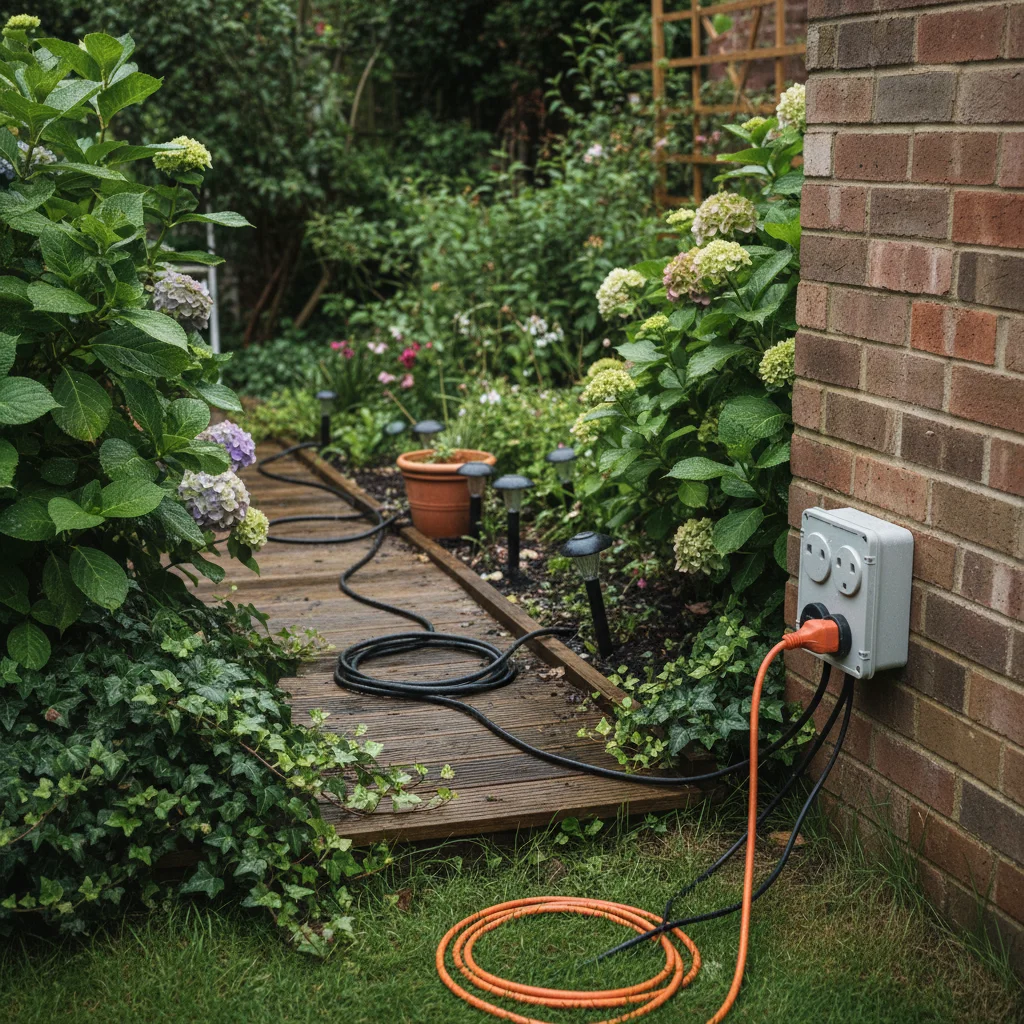
When we talk about installing permanent outdoor lighting in the UK, we must talk about Part P of the Building Regulations. Introduced to reduce the number of accidents caused by faulty electrical work, Part P dictates that most electrical work in the garden must be carried out by a competent person. This usually means a qualified electrician who is registered with a government-approved scheme such as NICEIC or NAPIT.
Any new circuit or an extension of an existing circuit in your garden is considered "notifiable" to your local building control department. While it might be tempting to try a bit of DIY wiring to save on costs, the risks are simply too high. A professional will ensure that all cables are suitable for outdoor use, typically using Steel Wired Armoured (SWA) cable that can withstand accidental strikes from a garden fork or spade.
Your electrician will also ensure that the circuit is protected by a Residual Current Device (RCD). This is a life-saving piece of equipment that instantly cuts the power if it detects a fault, such as a cable being cut or water entering a fitting. Safety is the foundation of any good garden project, and starting with a qualified professional is the only way to ensure your peace of course remains intact.
Designing with purpose and intent
Once you have secured the services of a professional, the fun part begins: deciding what you actually want to see at night. A common mistake I see is "over-lighting," where a garden ends up looking like a brightly lit car park. Effective garden lighting is actually more about the shadows than the light itself; it is the contrast between the two that creates depth and drama.
Start by identifying the primary reason for the lighting. Are you looking to improve safety along a winding path, or do you want to create a focal point out of a water feature? Perhaps you want to extend the use of your patio for evening dining. By defining the "intent" of each light source, you can avoid cluttering the garden with unnecessary fixtures that only serve to wash out the natural beauty of the plants.
Think about the "viewing positions" from inside your house as well. In the depths of a British winter, you will likely spend more time looking at your garden through a window than sitting in it. Positioning lights to catch the structure of a frosted deciduous tree or a group of architectural grasses can provide a beautiful vista that connects your home to the outdoors even on the coldest nights.
Choosing the right lighting effects
There are several ways to manipulate light to achieve different moods in the garden. Each technique serves a specific purpose and works best with certain types of plants or structures. By mixing these methods, you can create a layered effect that feels sophisticated and professional.
- Uplighting involves placing a light at the base of a tree or statue to highlight its vertical form and texture.
- Downlighting mimics moonlight when placed high in a tree, casting a gentle wash over the ground below.
- Path lighting uses low-level fixtures to guide the eye and the feet safely along walkways and steps.
- Silhouetting places a light behind a plant with a strong shape, such as a Phormium, to cast its dark outline against a lit wall.
- Grazing positions a light close to a textured surface like a stone wall to highlight every nook and cranny.
When choosing where to apply these techniques, look for the "bones" of your garden. Evergreens with interesting foliage, such as Fatsia japonica, respond beautifully to uplighting because their large, glossy leaves reflect the light. Meanwhile, delicate, airy plants like ornamental grasses are better suited to a soft wash of light that catches their movement in the breeze.
Selecting fixtures for the British climate
The UK climate presents a unique challenge for outdoor equipment. We deal with everything from driving rain to hard frosts, so your light fittings need to be robust. This is where the IP (Ingress Protection) rating comes into play. Every outdoor light will have an IP rating consisting of two numbers; the first indicates protection against solid objects, and the second indicates protection against water.
For most garden applications, you should look for a minimum of IP44, which protects against splashes of water. However, for lights that are ground-mounted or likely to be hit by a heavy jet from a hosepipe, I always recommend moving up to IP65 or higher. If you are lighting a pond or a water feature where the light will be submerged, you must use IP68 rated fixtures, which are designed for permanent immersion.
Materials matter just as much as the internal seals. While plastic fittings are cheaper, they often become brittle and fade under UV light. I prefer to use high-quality materials like marine-grade stainless steel, solid brass, or copper. These materials not only last longer but also develop a beautiful patina over time that allows them to blend naturally into the garden landscape.
Managing light levels and colour temperature
The "colour" of the light you choose will have a massive impact on the atmosphere. In the gardening world, we generally measure this in Kelvin (K). A lower number, around 2700K to 3000K, produces a "warm white" light that feels cosy and inviting. This is usually the best choice for domestic gardens as it complements the natural greens and browns of the landscape.
Higher Kelvin ratings, such as 5000K or 6000K, produce a "cool white" or blueish light. While this can look modern, it often feels clinical and harsh in a natural setting. It can also make plants look slightly sickly or washed out. I always advise sticking to warm tones to create a space where you actually want to spend time.
Brightness, measured in lumens, should also be used sparingly. You don't need a high-powered floodlight to see a path; a few low-lumen bollards will do the job without blinding you. Using lower-wattage LED bulbs is not only better for your energy bills but also allows for a more subtle, layered design. Modern LEDs are incredibly efficient and have a long lifespan, making them the most sustainable choice for any garden project.
Protecting our nocturnal wildlife
As gardeners, we have a responsibility to look after the creatures that share our outdoor spaces. Artificial light can be highly disruptive to nocturnal wildlife, including bats, moths, and hedgehogs. Excessive light can interfere with their foraging patterns, mating habits, and navigation. Being a "green" gardener means considering these impacts before we flip the switch.
To minimise the impact on wildlife, we should use light only where and when it is needed. Installing timers or motion sensors ensures that the garden isn't bathed in light throughout the entire night. You should also aim to point lights downwards wherever possible to reduce "sky glow" and light spill into neighbouring properties or natural habitats.
The colour of the light matters here too. Research suggests that blue-rich "cool" white lights are more disruptive to insects and bats than warmer, amber-toned lights. By choosing warm LEDs and shielding the light source so it doesn't glare upwards, we can enjoy our gardens while still providing a safe haven for the local fauna.
Planning the installation with your electrician
When you are ready to move forward, sit down with your electrician and a plan of your garden. Mark out the locations of your existing plants and any new features you intend to add. It is much easier to lay the necessary cabling before you put down a new patio or plant up a fresh border. If you are doing a full garden renovation, the electrical "first fix" should happen early in the process.
Ask your electrician about "zoning" your lights. This allows you to control different areas of the garden independently. You might want the path lights on a motion sensor for safety, while the decorative uplights on the trees are controlled by a switch in the house for when you have guests. Smart lighting systems are also becoming increasingly popular, allowing you to dim the lights or change schedules from your phone.
Remember that a good electrician will provide you with a certificate once the work is completed. This document is important not just for your peace of mind, but also for when you eventually come to sell your home. It proves that the work meets the required safety standards and was carried out by a professional.
A well-lit garden is one of the most rewarding investments you can make in your property. It extends your living space, provides a beautiful view throughout the year, and adds a layer of security to your home. By focusing on high-quality materials, professional installation, and a subtle design that respects the environment, you can create an evening sanctuary that will bring joy for many seasons to come. If you are ready to see your borders in a new light, the first step is to sketch out your ideas and find a qualified local electrician to help bring that vision to life safely.
Frequently asked questions
Can I install garden lighting myself?
Solar and transformer-fed low-voltage kits, often yes. Mains voltage in the garden, buried cable, and switching from inside the house is not a DIY weekend.
What should a lighting quote cover?
Fitting types, cable route, transformers, timers or smart control, and making good. Ask about spare capacity if you add lights later.
Will lighting bother neighbours or wildlife?
Warm, downward light on paths and features is enough. Uplighting every tree and bright white floods is what causes complaints and disrupts wildlife.