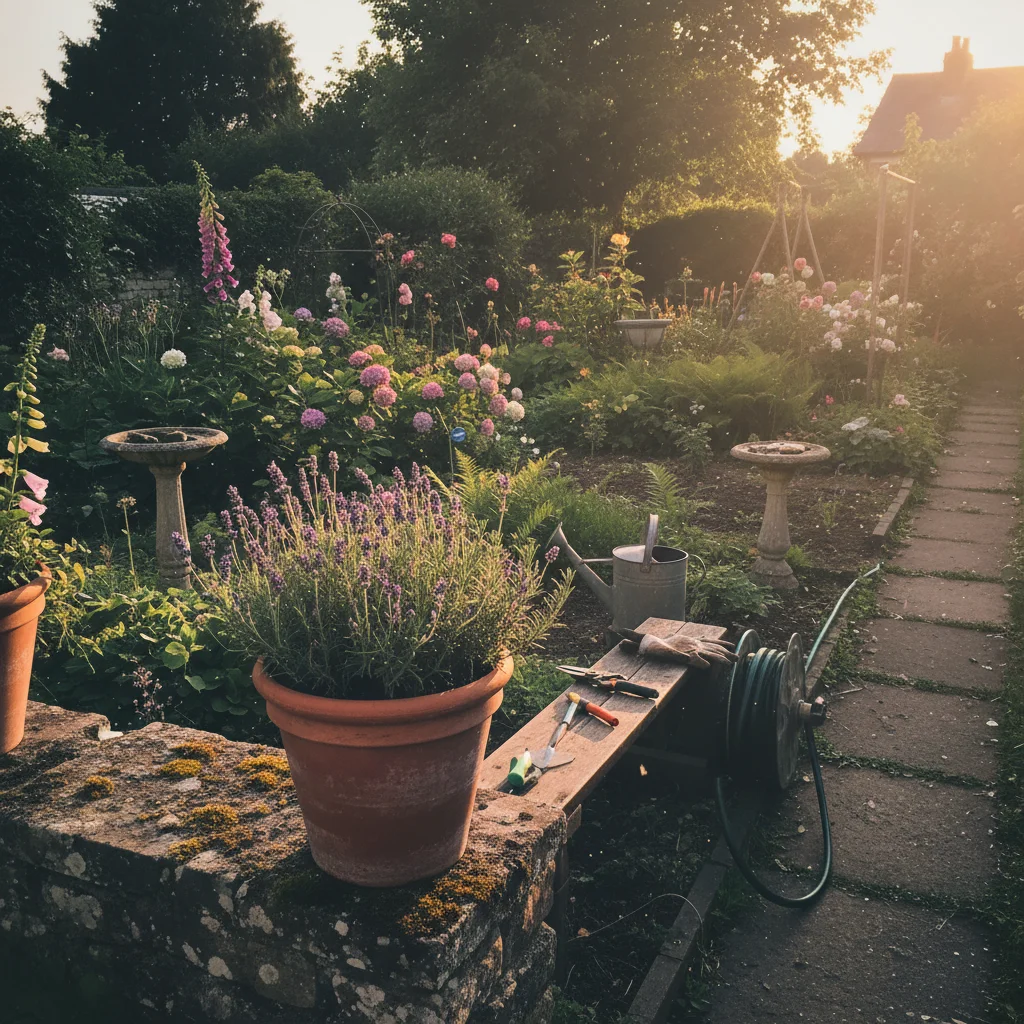
Garden renovations are a reset of an existing plot — tired lawns, jammed borders, failed paving — rather than a blank-site landscape. Scope the mess before you compare day-rates.
A garden renovation is far more than a seasonal tidy-up or a few hours of weeding. It is a fundamental transformation of your outdoor space that often involves structural changes, soil restoration, and a complete rethink of how the land is used. Whether you have inherited a neglected plot or your current garden no longer suits your lifestyle, a professional renovation can breathe new life into the environment while significantly increasing the value of your home.
When we talk about renovation in a horticultural context, we are looking at the "bones" of the garden. This might involve clearing decades of overgrown woody shrubs, correcting drainage issues that leave your lawn boggy in winter, or installing new hard landscaping like patios and retaining walls. It is a process of stripping back the unnecessary to reveal the potential of the site, ensuring that the new design is built on a healthy, sustainable foundation.
Before you pick up the phone to a contractor, it is helpful to understand that this work is often a collaboration between different skill sets. You might require a landscape designer to draw up the vision, a hard landscaper for the construction elements, and a skilled gardener to handle the soil preparation and specialist planting. Understanding these roles ensures you hire the right person for the specific scale of your project.
Identifying when your garden needs a renovation
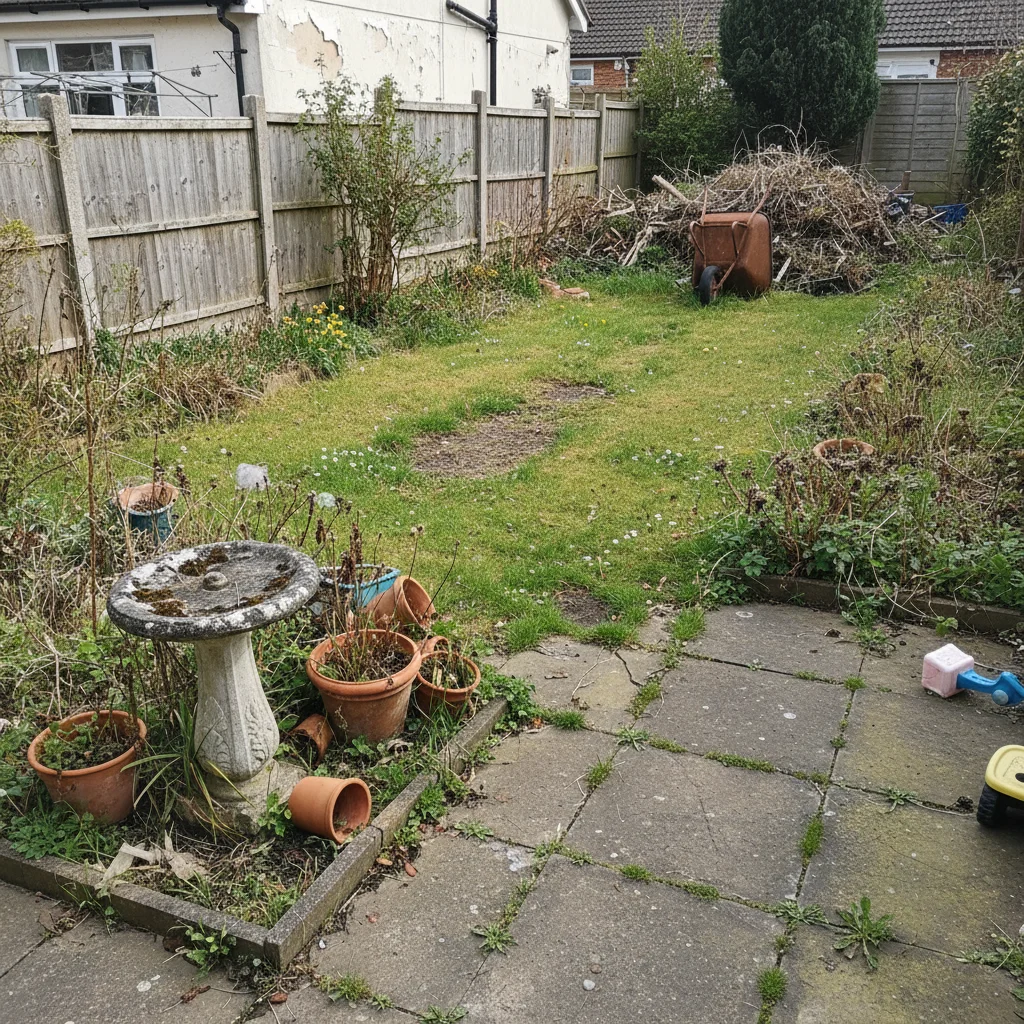
Most gardens reach a point where routine maintenance is no longer enough to keep them looking their best. You might notice that your borders have become a dense tangle of invasive species or that your once-level lawn is now a series of humps and hollows. If you find yourself spending every weekend fighting back the overgrowth rather than enjoying the space, it is usually a sign that the original design has reached the end of its natural lifespan.
Structural issues are another primary driver for renovation work. Retaining walls may begin to lean, paving can become dangerously uneven due to root heave, or old timber decking might be reaching a state of decay. These are not just aesthetic problems; they can be safety hazards that require professional intervention to rectify properly. Addressing these issues early prevents further damage to the surrounding landscape and your home's foundations.
You should also consider a renovation if your needs have changed significantly. A garden designed for a young family with large play areas might not serve you well once the children have grown and you desire a more sophisticated space for entertaining or growing your own produce. Renovating allows you to repurpose the square footage, perhaps by introducing more sustainable features like a dedicated composting area or a drought-tolerant gravel garden.
The typical stages of a professional renovation
The process usually begins with a thorough site clearance, which is often the most dramatic phase for a homeowner. Professionals will remove "green waste"—the organic matter like old hedges, dead trees, and weeds—and dispose of it responsibly, often via large-scale composting facilities. During this stage, we also identify any hidden problems, such as old concrete footings or buried rubbish from previous builds, which must be cleared before any new work begins.
Groundworks and drainage follow the clearance and are arguably the most critical part of the entire project. In the UK, our heavy clay soils often suffer from compaction, leading to standing water during our wet winters. A professional team may install land drains or soakaways and will certainly work to improve the soil structure by incorporating organic matter. This ensures that your new plants have the best possible start and that your hard landscaping remains stable for years to come.
Once the "invisible" work is done, the hard landscaping begins. This involves the construction of paths, walls, pergolas, and patios. A good contractor will ensure that all stone and timber are sourced sustainably and that the sub-base for any paving is deep enough to prevent sinking. This phase provides the framework of the garden, creating the "rooms" and pathways that define how you will move through and experience the finished space.
Choosing the right professional for the job
Finding the right person for a renovation requires more than just looking for the lowest quote. You need someone who understands the local climate and soil conditions, as well as the technical requirements of construction. A general builder might be able to lay a patio, but a dedicated landscaper or gardener will understand how that patio interacts with the rest of the living ecosystem, such as ensuring runoff doesn't drown your prize roses.
When you begin your search, look for professionals who can demonstrate a portfolio of similar renovation projects. Ask to see "before and after" photos, as these provide a clear indication of their ability to handle the clearance and structural phases of a renovation. It is also worth checking if they are members of professional bodies, such as the British Association of Landscape Industries (BALI) or the Association of Professional Landscapers (APL).
Communication is the foundation of a successful renovation. During your initial consultation, pay attention to whether the contractor asks about your soil type or how much time you realistically have for maintenance. A professional who takes an interest in the long-term health of the garden is far more valuable than one who simply wants to install a design and move on to the next job. To help you narrow down your choices, consider these points during the interview:
- Can they provide references from local clients with similar-sized gardens?
- Do they use peat-free compost and sustainable, UK-sourced timber?
- How do they handle the removal and recycling of green waste?
- What is their plan for protecting existing features you wish to keep?
- Do they offer a maintenance period or aftercare advice once the work is finished?
- Are they fully insured for both public liability and professional indemnity?
Setting expectations and managing the project
A garden renovation is a major undertaking that will inevitably cause some disruption to your daily life. You should expect a certain amount of noise and dust, and depending on the layout of your property, contractors may need to move heavy machinery through your side gate or even through the house. Discussing site access early on will help the team plan their movements and minimise the impact on your home.
Timelines in gardening are often at the mercy of the British weather. While a professional will give you an estimated completion date, heavy rain or hard frost can delay certain tasks like laying turf or pouring concrete. It is best to approach the project with a degree of flexibility. Most renovations are best started in late autumn or early spring, allowing the heavy structural work to be completed while the garden is dormant, ready for planting as the weather warms.
Budgeting for a renovation should always include a contingency fund of around 10 to 15 percent. Once the ground is opened up, professionals may discover unexpected issues like old drainage pipes that need replacing or large underground rocks. Being prepared for these "known unknowns" reduces stress and ensures the project doesn't stall halfway through. A clear, written contract detailing the scope of work and payment stages is essential for both parties.
Prioritising soil health and sustainability
In my years as a head gardener, I have seen many beautiful renovations fail because the soil was treated as an afterthought. Soil is a living community of fungi, bacteria, and insects that support your plants. During a renovation, heavy machinery can easily compact the soil, squeezing out the air pockets that roots need to breathe. A professional team should take steps to avoid this, perhaps by using protective boards or working from the back of the garden towards the exit.
Sustainability should be at the heart of any modern renovation. This means choosing permeable paving to allow rainwater to soak back into the ground rather than overwhelming our sewers. It also involves selecting plants that are "right plant, right place," meaning they are naturally suited to your garden's light and moisture levels. This reduces the need for artificial fertilisers and excessive watering once the garden is established.
We should also think about the lifecycle of the materials we use. Reclaimed bricks or locally sourced stone have a much lower carbon footprint than imported materials. If you are replacing old wooden structures, ensure the new timber is FSC-certified. Many professionals are now happy to incorporate "wilder" areas into a renovation, such as a small wildlife pond or a native hedgerow, which helps support local biodiversity without sacrificing the polished look of a renovated space.
Planning for the future of your new garden
The day the contractors leave is just the beginning of your garden's new life. A renovated garden is an evolving entity that will take a few seasons to fully "knit together." Newly planted trees and shrubs will need regular watering during their first two years, especially during dry spells. Your professional should provide you with a basic aftercare schedule, explaining when to mulch, when to prune, and how to care for any new lawn areas.
Maintenance is the key to protecting your investment. If you have had a significant renovation, you might consider hiring a professional gardener for a few hours a month to keep on top of the specialist tasks. They can ensure that the vision created during the renovation is maintained as the plants grow and mature. Regular mulching with well-rotted organic matter will keep the soil healthy and suppress the weeds that inevitably try to move into newly cleared ground.
To ensure your renovation remains a success for years to come, keep these sustainable practices in mind:
- Apply a thick layer of peat-free mulch every spring to retain moisture.
- Install water butts to collect rainfall from your house or shed roof.
- Avoid the use of harsh chemical pesticides which can harm beneficial insects.
- Check the health of your wooden structures annually and treat them with eco-friendly oils.
- Leave some seed heads on plants over winter to provide food for birds.
By approaching your garden renovation with a focus on structural integrity and soil health, you are creating a space that will flourish for decades. A well-executed project doesn't just look good on the day it is finished; it grows into its beauty, becoming a resilient and vibrant part of your home. Taking the time to hire the right expertise and plan the stages carefully ensures that your outdoor space remains a source of joy rather than a burden of chores.
Frequently asked questions
What counts as a garden renovation?
Clearance plus rebuilding: lawn, borders, and often paths or a patio. It sits between a tidy-up and a full landscape design.
How long does a renovation take?
A small garden can be a week. Anything with drainage, new paving, or mature shrub removal stretches into several visits. Get a staged plan, not just a start date.
What should I budget for besides labour?
Waste, soil, plants, and hire of machinery. The skip and the new turf often cost as much as the person doing the work.