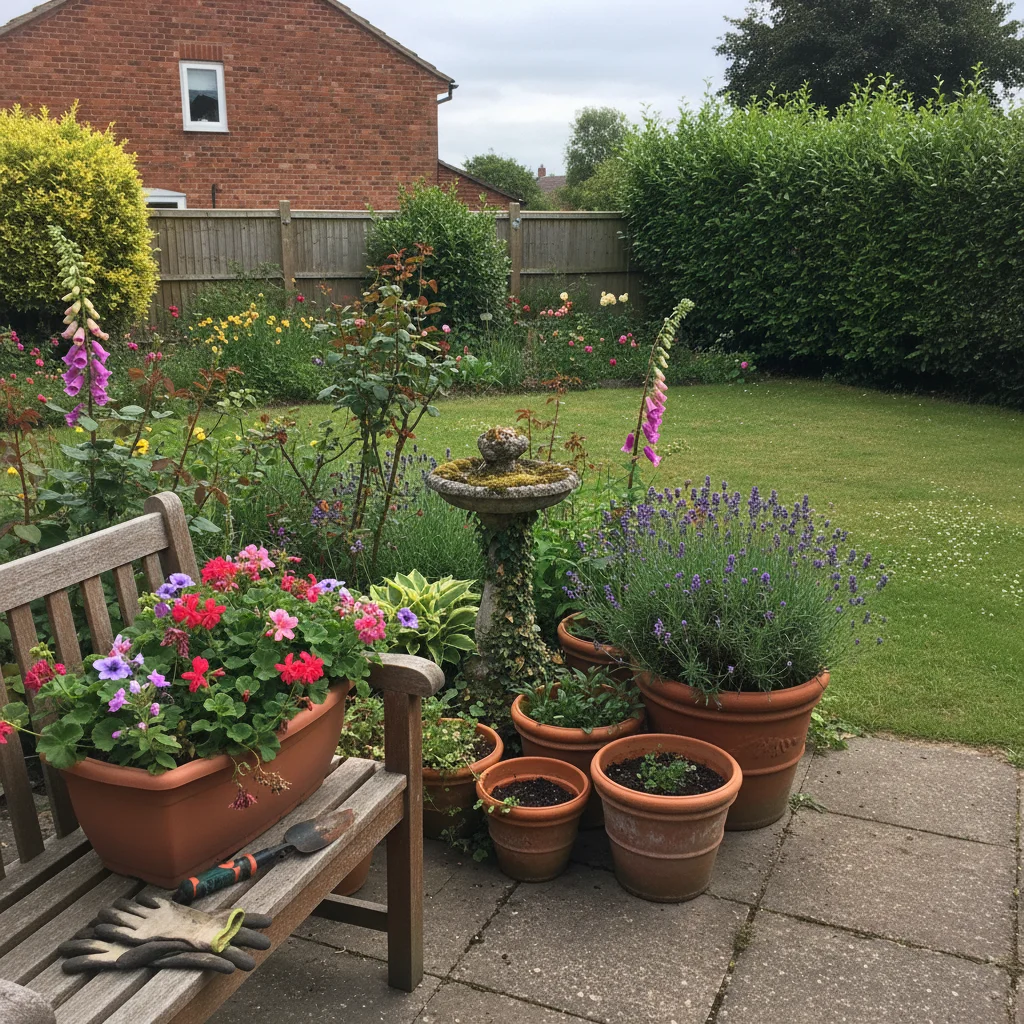
Ground maintenance is the regular upkeep of grass, hedges, and hard surfaces — more “keep it usable” than ornamental gardening. On a domestic plot it often overlaps with garden maintenance.
When we talk about ground maintenance, we are looking at the long-term health and presentation of your outdoor space. It is a service that goes beyond simple "mowing and blowing." For most UK homeowners, hiring a professional for ground maintenance is an investment in the structural integrity and aesthetic value of their property. Whether you have a sprawling country garden or a modest urban plot, understanding the scope of this work ensures you get the best value from your tradesperson.
Ground maintenance is essentially the proactive management of your garden’s living and non-living elements. It is designed to prevent the "wilding" of a space that occurs when nature is left to its own devices. By bringing in an expert, you are ensuring that tasks are performed at the correct horticultural moment, rather than just when the weeds become too tall to ignore.
In this guide, I will walk you through what you should expect from a professional service. We will cover the technical aspects of the work, how to manage the seasonal shifts in our British climate, and the practicalities of hiring someone who will treat your soil and plants with the respect they deserve.
Understanding professional ground maintenance
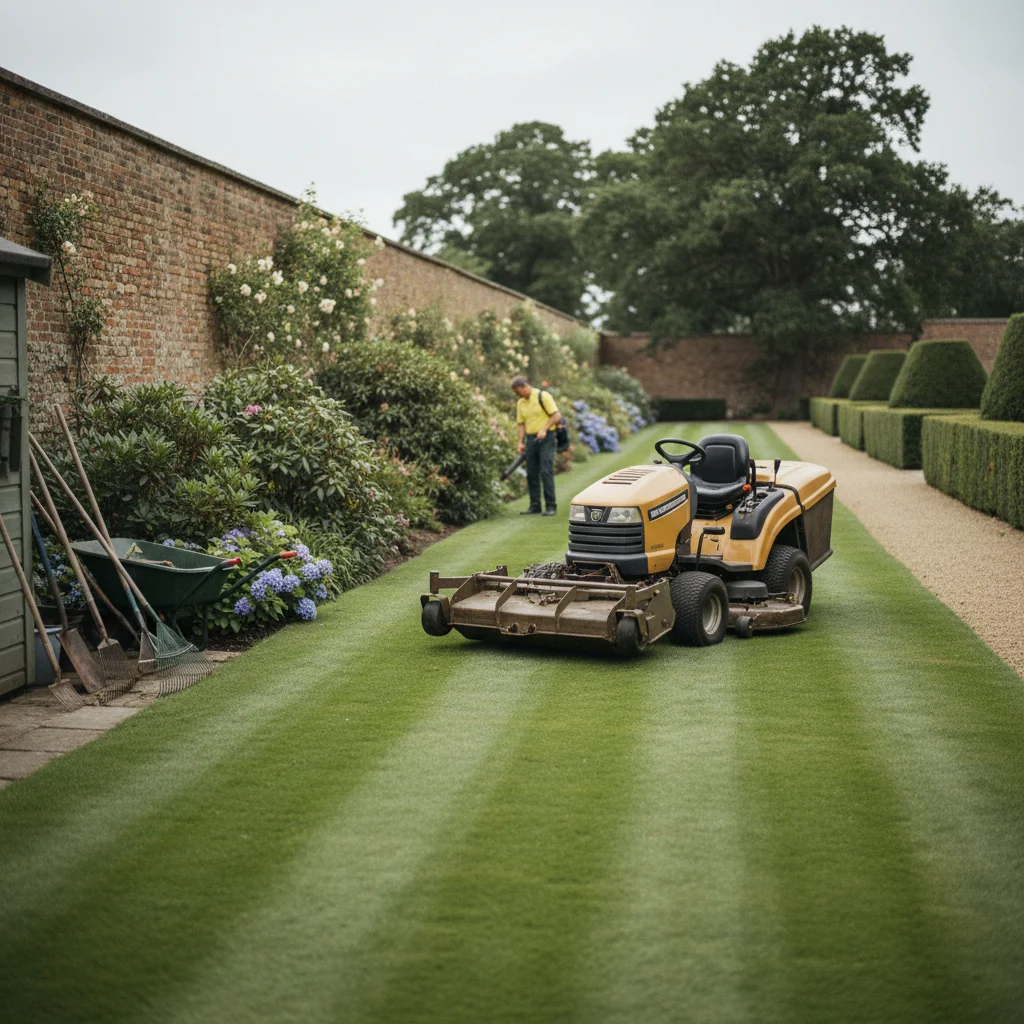
At its core, ground maintenance is about consistency. While a landscaper might come in to build a new patio or plant a fresh border, a maintenance professional is there to ensure those features thrive over time. This service is typically scheduled on a recurring basis, often fortnightly during the growing season and monthly during the winter months.
The scope of the work is broad. It encompasses everything from the biology of the soil to the safety of your pathways. A good professional will look at your garden as a whole ecosystem. They will notice if a hedge is showing signs of blight or if your lawn is suffering from compaction before these issues become expensive problems to fix.
Because the term is broad, it is vital to define the specific tasks you need. Some firms specialise in "soft" maintenance, which focuses on plants and lawns. Others include "hard" maintenance, which involves pressure washing, leaf clearance from gutters, and checking the stability of fences or gates.
The difference between gardening and maintenance
It is helpful to distinguish between a "hobbyist gardener" and a professional ground maintenance contractor. While both may love plants, the maintenance professional works to a specific brief and a set schedule. They bring professional-grade machinery that is often more powerful and precise than domestic tools, allowing them to achieve a finish that is difficult to replicate with DIY equipment.
Maintenance is often more focused on the "infrastructure" of the garden. This includes keeping sightlines clear, ensuring drainage remains functional, and managing the growth of large shrubs and trees. It is a disciplined approach to horticulture that prioritises the longevity of the garden over short-term floral displays.
When you hire a professional, you are paying for their eye as much as their labor. They should be able to identify pests like box moth caterpillar or diseases like honey fungus early. This preventative approach is the hallmark of a high-quality maintenance service, saving you from replacing expensive specimens later on.
Core tasks included in a maintenance package
A standard maintenance visit usually begins with the lawn. This involves more than just cutting the grass. A professional will manage the height of the cut based on the weather conditions, ensuring they never remove more than one-third of the grass blade at once. This "one-third rule" is essential for maintaining a healthy root system and preventing the grass from "scorching" in the summer or becoming susceptible to moss in the winter.
Edging is another critical task. Crisp, clean edges between lawns and borders instantly elevate the appearance of a garden. A maintenance expert will use manual or mechanical edging tools to ensure these lines stay sharp, preventing the grass from creeping into your flower beds.
Weed management is the next priority. Rather than just pulling the tops off weeds, a professional will ensure the root is removed. They may also suggest mulching with well-rotted organic matter. Mulching is one of the best things you can do for your garden; it suppresses weeds, retains moisture, and improves the soil structure as worms pull the nutrients down.
Managing your lawn throughout the year
Our UK climate means lawn care is a year-round job. In the spring, your maintenance professional might suggest scarification. This is the process of removing "thatch"—the layer of dead grass and moss that sits on the soil surface. Removing this allows air, water, and nutrients to reach the roots, which is vital for a lush, green lawn.
Aeration is another key task, usually performed in autumn. By creating small holes in the soil, the professional relieves compaction caused by foot traffic. This is particularly important on heavy clay soils, which are common across much of the UK. Without aeration, the soil becomes anaerobic, leading to poor drainage and weak grass growth.
Feeding the lawn is also part of the maintenance cycle. A professional will understand NPK ratios—Nitrogen, Phosphorus, and Potassium. In the spring, they will apply a high-nitrogen feed to encourage green growth. In the autumn, they will switch to a feed higher in potassium to strengthen the roots for the winter frosts.
Caring for trees and shrubs
Pruning is both an art and a science. Every plant has a specific window in which it should be pruned. For example, most deciduous trees are best pruned in the winter when they are dormant, whereas many spring-flowering shrubs should be pruned immediately after they have finished blooming.
A ground maintenance professional will manage the "Three Ds": dead, damaged, and diseased wood. Removing these branches prevents decay from spreading into the heart of the plant. They will also perform "crown lifting" or thinning to allow more light into the garden and improve air circulation, which reduces the risk of fungal infections.
Hedge maintenance is another significant part of the job. Regular trimming keeps hedges dense and prevents them from becoming "leggy." However, a professional will always be mindful of the Wildlife and Countryside Act, ensuring that no nesting birds are disturbed during the breeding season, which typically runs from March to August.
Keeping hard surfaces safe and tidy
The "grounds" part of the service includes your paths, driveways, and patios. Over time, these surfaces can accumulate algae and moss, which become incredibly slippery in our damp winters. Regular maintenance includes sweeping and, where necessary, treating these areas with eco-friendly cleansers to keep them safe.
Leaf clearance is a major task during the autumn. While it might seem purely aesthetic, leaving thick layers of leaves on a lawn will kill the grass underneath by blocking out light. Furthermore, leaves left in damp corners can become a breeding ground for slugs and snails, which will then migrate to your prized hostas in the spring.
A maintenance professional will also keep an eye on your drainage. They will ensure that gully grates are clear of debris and that water is flowing away from the house correctly. This kind of proactive checking can prevent localized flooding during the heavy downpours we frequently experience.
When to book your maintenance visits
The frequency of your maintenance visits will depend on the size of your garden and your desired level of perfection. For most UK gardens, a fortnightly visit between March and October is the gold standard. This covers the peak growing season when grass and weeds are at their most active.
During the winter months, from November to February, many homeowners drop down to a monthly visit. This is the time for "heavy" work, such as renovation pruning, mulching, and cleaning hard surfaces. It is also the best time to tackle any structural repairs to fences or pergolas while the plants are dormant and out of the way.
| Season | Primary Tasks | Frequency |
|---|---|---|
| Spring | Scarifying, feeding, first mows, mulching | Fortnightly |
| Summer | Regular mowing, deadheading, weeding, watering | Fortnightly |
| Autumn | Leaf clearance, aeration, hedge trimming | Fortnightly |
| Winter | Structural pruning, tool care, hard surface cleaning | Monthly |
How to choose the right professional
When you begin looking for a ground maintenance contractor, it is important to look for more than just the lowest price. A professional should be able to demonstrate a good understanding of horticulture. Ask them about their approach to soil health or how they handle specific pests. Their answers will tell you a lot about their level of expertise.
Insurance is non-negotiable. Any tradesperson working on your property should have public liability insurance. This protects both you and them in the event of accidental damage to your property or an injury on site. You should also ask if they have an Upper Tier Waste Carrier Licence if they intend to take garden waste away from your property.
Before you commit to a long-term arrangement, it is worth asking a few specific questions to ensure they are the right fit for your garden.
- Do you bring your own professional-grade equipment and fuel?
- Are you able to identify and manage specific plant diseases?
- Do you have a waste carrier licence for disposing of green waste?
- Can you provide references from other local clients?
- How do you handle work during periods of very wet weather?
Setting clear expectations for the work
To avoid misunderstandings, it is always best to have a written agreement. This doesn't need to be a complex legal document, but it should clearly outline what is included in the service and, just as importantly, what is not. For example, does the "lawn care" include weed-and-feed treatments, or is that an additional cost?
Communication is key to a successful relationship. If you want certain areas of the garden left wild to encourage pollinators, make sure your contractor knows this. Conversely, if you have a zero-tolerance policy for weeds in your gravel driveway, be clear about that from the start.
A good maintenance contract should be transparent about costs and schedules. It should also specify how the waste will be handled. Many professionals prefer to compost on-site if you have the space, as this is the most sustainable option. If they are taking waste away, ensure you know how much that service costs.
- A detailed list of recurring tasks for each season.
- The agreed frequency of visits and the hourly or per-visit rate.
- The policy on waste disposal and any associated fees.
- A clear process for requesting additional one-off tasks.
- The notice period required for cancelling or rescheduling a visit.
Environmental considerations for your garden
In modern ground maintenance, sustainability should be at the forefront. As a former head gardener, I always encourage homeowners to look for contractors who use peat-free products and minimize the use of harsh chemicals. Improving the "soil food web" through organic mulches is far more effective in the long run than relying on synthetic fertilisers.
Biodiversity is another important factor. A maintenance professional can help you balance a tidy garden with a wildlife-friendly one. This might involve leaving "corridors" of longer grass or installing bird boxes and insect hotels. A healthy garden with a diverse range of insects is often more resilient to pests, reducing the need for intervention.
Water management is also becoming increasingly important in the UK. Your maintenance expert can help you install water butts to collect rainfall or suggest "drought-tolerant" planting schemes for drier areas of your garden. By working with nature rather than trying to dominate it, you will find your garden becomes much easier—and cheaper—to maintain.
By hiring a professional who understands the unique needs of your soil and plants, you are doing more than just keeping the garden tidy. You are ensuring that your outdoor space remains a healthy, vibrant, and safe environment for years to come. A well-maintained garden is a place of rest and recovery, and having the right expert by your side allows you to enjoy the results without the stress of the heavy lifting.
Frequently asked questions
How is ground maintenance different from garden maintenance?
Ground maintenance leans toward grass, hedges, and access routes. Garden maintenance usually includes ornamental borders and planting judgement.
What does a typical visit include?
Mowing, strimming, hedge cutting in season, and blowing or sweeping paths. Planting design is extra.
Do I need a grounds team or a gardener?
A house and garden is usually one gardener. Larger shared drives or paddock edges may need a grounds contractor with ride-on kit.