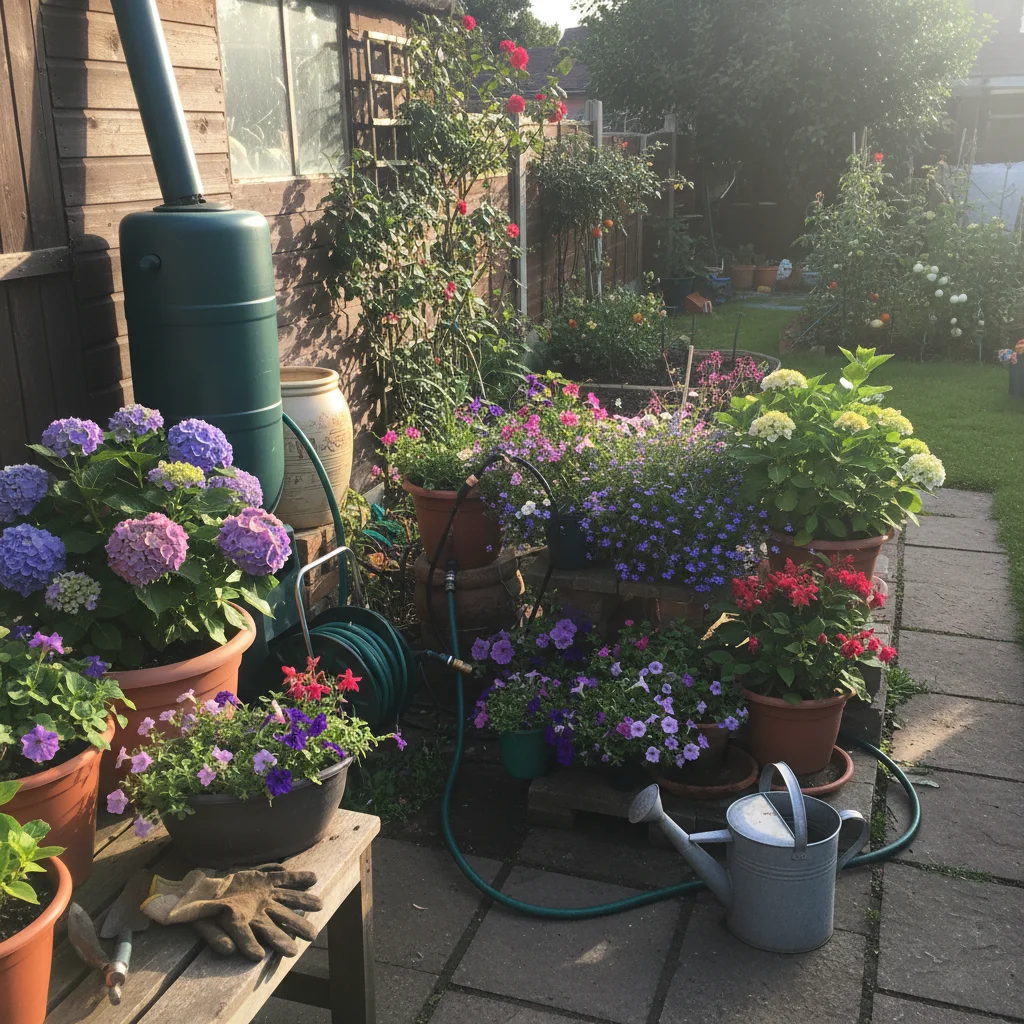
Garden irrigation systems only pay off if they water the root zone on a timer you can actually use. Drip in borders and leaky hose on veg beats a sprinkler that soaks the pavement.
Watering the garden is often seen as a relaxing evening chore, but during a dry British summer, it can quickly become an overwhelming task. For many homeowners, the struggle to keep a lawn green and borders flourishing involves hours of standing with a hosepipe or lugging heavy watering cans around. This is where professional irrigation systems become an invaluable investment for your outdoor space.
An irrigation service involves more than just laying a few leaky pipes. It is a calculated engineering project designed to deliver the precise amount of moisture your plants need, exactly when they need it. By hiring a specialist or a skilled gardener to install an automated system, you move away from the "flood and drought" cycle that stresses plants and move toward a consistent, healthy growing environment.
Understanding the components of these systems is the first step toward making an informed hire. A professional will look at your garden’s specific microclimates, considering which areas are baked in south-facing sun and which stay damp in the shade. This ensures that water is used efficiently, protecting both your plants and your water bill.
Why professional irrigation is a garden essential
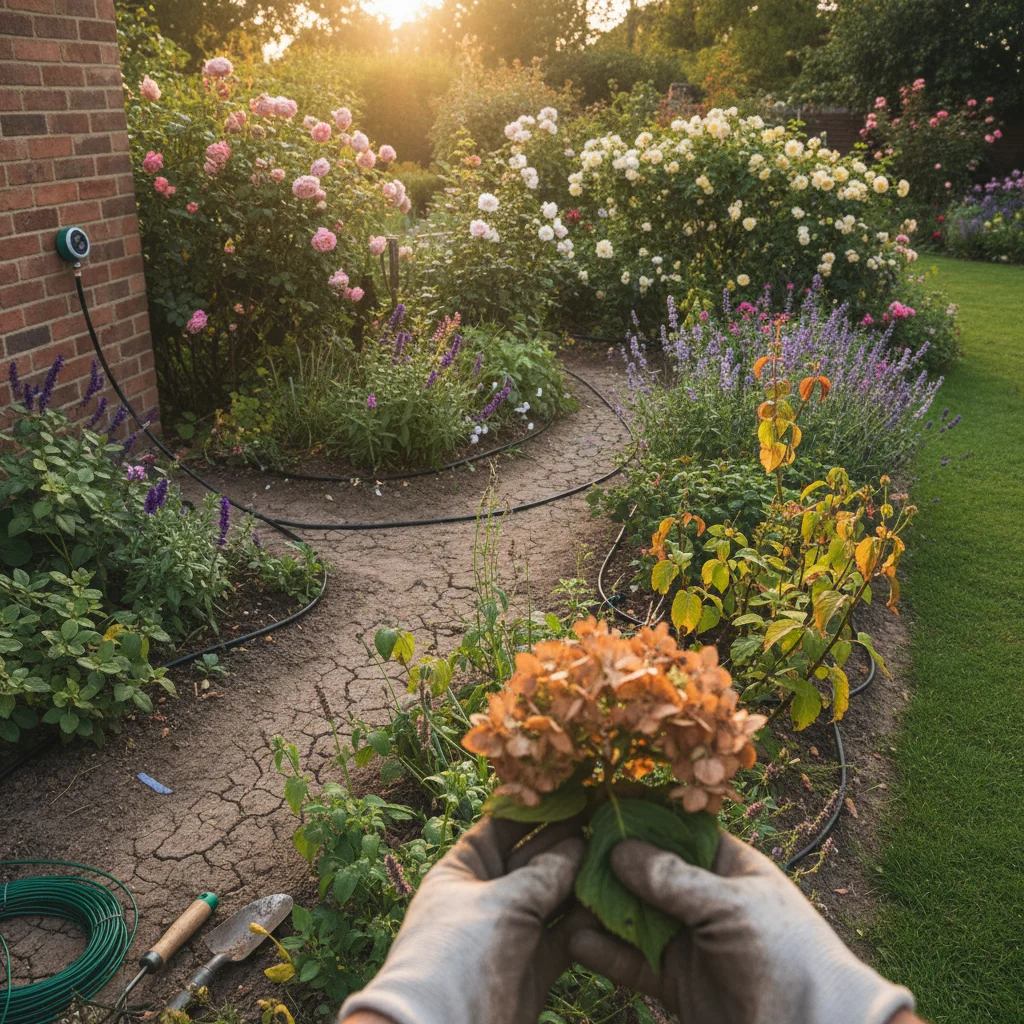
While we are used to plenty of rain in the UK, our weather patterns are becoming increasingly unpredictable. Long dry spells in spring and summer can cause irreparable damage to established shrubs and can be fatal for new plantings. A professional system ensures that your investment in plants is protected, even when you are away on holiday or simply too busy to get outside with the hose.
Efficiency is the primary reason to move away from manual watering. When we use a hosepipe, much of the water is lost to evaporation or runs off the surface before it can reach the roots. A well-designed system delivers water directly to the soil, often under a layer of mulch, which significantly reduces waste. This targeted approach is much better for soil health, as it prevents the surface capping that occurs when heavy droplets hit dry earth.
Beyond the health of the plants, there is the factor of your own time. A medium-sized garden can easily require an hour of watering every day during a heatwave. Outsourcing this task to an automated system allows you to enjoy the garden rather than just maintaining it. It also ensures that watering happens at the best possible time, which is usually in the early hours of the morning when temperatures are low and the air is still.
The main types of irrigation systems
Most UK gardens benefit from a combination of different irrigation methods tailored to the specific needs of the lawn, the borders, and the containers. A professional installer will usually suggest a "zoned" system where different areas are controlled independently. This is crucial because a thirsty lawn has very different requirements compared to a drought-tolerant rockery or a delicate vegetable patch.
Drip irrigation is perhaps the most common and effective method for garden borders. It consists of a network of pipes with small emitters that release water slowly at the base of each plant. This method is incredibly water-efficient because it targets the root zone directly. It is also excellent for preventing fungal diseases, as it keeps the foliage dry, unlike overhead sprinklers which can encourage mildew on roses or perennials.
For those who take pride in a lush green lawn, pop-up sprinklers are the standard choice. These are buried underground and rise up only when the water pressure is activated. They provide even coverage across large areas of grass and disappear back into the turf so you can mow over them without any issues. Installing these requires some excavation, so it is often best done as part of a wider landscaping project or lawn renovation.
Essential components of a reliable system
A professional setup is far more robust than the kits you might find in a local DIY store. It involves high-quality components designed to withstand the UK’s winter freezes and summer UV levels. When you hire a specialist, they will build a system that includes several key elements to ensure it runs safely and effectively for years.
- A smart controller which acts as the brain of the system, often connecting to local weather stations to skip watering if rain is forecast.
- Backflow prevention valves to ensure that garden water cannot flow back into your home’s clean drinking supply, which is a legal requirement in the UK.
- Pressure regulators that protect the pipes and emitters from being damaged by high mains water pressure.
- Solenoid valves housed in an underground box that open and close to manage the different watering zones.
- Rain or soil moisture sensors that stop the system from running when the ground is already sufficiently damp.
- Filtration units to prevent grit or sediment from the mains or a water butt from clogging up the delicate drippers.
Navigating UK water regulations
One of the most important reasons to hire a professional is to ensure your system complies with the Water Supply (Water Fittings) Regulations. In the UK, any irrigation system connected to the mains must have adequate backflow prevention. This usually means installing a "Double Check Valve" or, for more complex systems, a "Break Tank" with an air gap.
A professional installer will understand the "Fluid Category" of your garden setup. Most domestic gardens fall under Category 3 or 4, which dictates the type of safety devices required. If you hire someone who ignores these rules, you could be held liable by your water provider. A qualified tradesperson will ensure the installation is safe, legal, and won't result in a fine or a request to dismantle the system.
Furthermore, some water companies have specific rules regarding the use of automated systems during hosepipe bans. While drip irrigation is sometimes exempt if it includes a timer and moisture sensor, this varies by region. A local specialist will be familiar with the policies of your specific water supplier and can advise you on how to stay compliant while keeping your plants alive.
Assessing your water pressure and flow
Before any pipes are laid, a professional must conduct a flow and pressure test on your external tap or rising main. This is a critical step that many amateur installers skip. Water pressure is measured in "bars," while flow rate is measured in "litres per minute." These figures determine how many sprinklers or drippers can run at once on a single zone.
If your water pressure is low, a professional may need to install a pump or a storage tank to ensure the system functions correctly. Conversely, if the pressure is too high, it can blow the fittings apart, requiring a pressure-reducing valve. By calculating these figures accurately, the installer ensures that the furthest plant in the garden gets just as much water as the one closest to the tap.
This technical assessment also helps in choosing the right pipe diameters. Using a pipe that is too narrow for a long run will result in a significant drop in pressure, meaning your pop-up sprinklers might not actually "pop up." A specialist will use hydraulic calculations to ensure the system is balanced and efficient from day one.
Sustainability and water conservation
As gardeners, we have a responsibility to use water wisely. A professional irrigation system is actually a tool for sustainability when used correctly. By delivering water exactly where it is needed and avoiding the "spray and pray" method of a traditional garden sprinkler, you can significantly reduce your total water consumption.
Integrating your system with a water butt or a large underground rainwater harvesting tank is an excellent way to be more eco-friendly. Many modern pumps can be fitted with filters that allow you to use harvested rainwater to power your irrigation. This not only saves money but also provides your plants with chlorine-free water, which many species prefer.
I always recommend that my clients combine irrigation with good horticultural practices like mulching. Applying a thick layer of organic matter, such as well-rotted compost or bark chippings, over your irrigation pipes helps to lock moisture into the soil. This means you can run your system for shorter periods, as the mulch prevents the sun from baking the moisture out of the earth.
What to ask your irrigation specialist
When you are looking to hire a tradesperson for this work, it is important to set clear expectations. Irrigation is a specialised field that sits between plumbing and landscaping. You want someone who understands both the mechanical side of the pipes and the biological needs of the plants they are watering.
- Are you familiar with WRAS regulations and what backflow prevention will my specific garden require?
- Will the system be automated and does the controller have a rain-delay feature or a soil moisture sensor?
- How do you handle winterisation and can you show me how to drain the system to prevent frost damage?
- Can you provide a plan of the zones so I know exactly where the pipes are buried for future gardening work?
- Do you offer a maintenance contract to check for leaks or blocked emitters once or twice a year?
The installation process and timeline
The installation of a garden irrigation system usually begins with a site survey and a design phase. The professional will map out your garden, noting the locations of different plant groups and the water source. They will then create a plan that divides the garden into zones based on the water requirements of the plants and the available flow rate from your mains.
The physical work involves laying pipes, which may require some minor trenching. In established borders, a professional will be careful to work around existing root systems, often tucking the pipes just under the soil surface or beneath a layer of mulch. For lawns, they will use a specialized trenching tool or a spade to lift the turf neatly, lay the pipe, and replace the sod so that the garden looks undisturbed within a few days.
Once the pipes are in place, the emitters, sprinklers, and the main control manifold are installed. The final stage is the "commissioning" of the system. This involves flushing the lines to remove any debris, testing each zone to ensure even coverage, and programming the controller. A good installer will walk you through the programme settings and show you how to make manual adjustments if we have a particularly hot spell.
Long term maintenance and care
An irrigation system is not a "fit and forget" solution; it requires a small amount of seasonal maintenance to stay in peak condition. The most critical task in the UK climate is winterisation. Before the first hard frost, the system should be turned off and the pipes drained of water. If water is left inside the valves or pipes, it can freeze and expand, causing expensive cracks and leaks.
In the spring, the system needs to be recommissioned. This involves turning the water back on slowly and checking every single dripper and sprinkler head for blockages. Over time, lime-scale or fine silt can build up in the emitters, especially in hard water areas like the South East of England. A quick check and a clean of the filters once a year will keep everything running smoothly.
You should also keep an eye on your plants as they grow. A dripper that was perfectly placed next to a small shrub three years ago might now be too close to the trunk or buried under new growth. Part of the beauty of these systems is their flexibility; you can usually move or add emitters as your garden evolves, ensuring your landscape continues to thrive for years to come.
Investing in a professional irrigation system is one of the most effective ways to ensure your garden remains a vibrant, healthy sanctuary. By choosing the right specialist and a well-designed system, you can protect your plants and enjoy your outdoor space without the constant worry of the watering can. Over time, the savings in water and the health of your prize specimens will more than justify the initial setup.
Frequently asked questions
Do I need an irrigation system in the UK?
Not for every lawn. It helps containers, new planting, and south-facing beds that dry in a week. A well-mulched border often needs less kit than people think.
Drip or sprinklers?
Drip or seep hose for borders and veg. Sprinklers waste water on paving and encourage shallow lawn roots if you use them daily.
What should an installer include?
A tap timer or controller, filtration, pipe layout, and how you winterise it. Ask who is responsible if a joint leaks under a path.