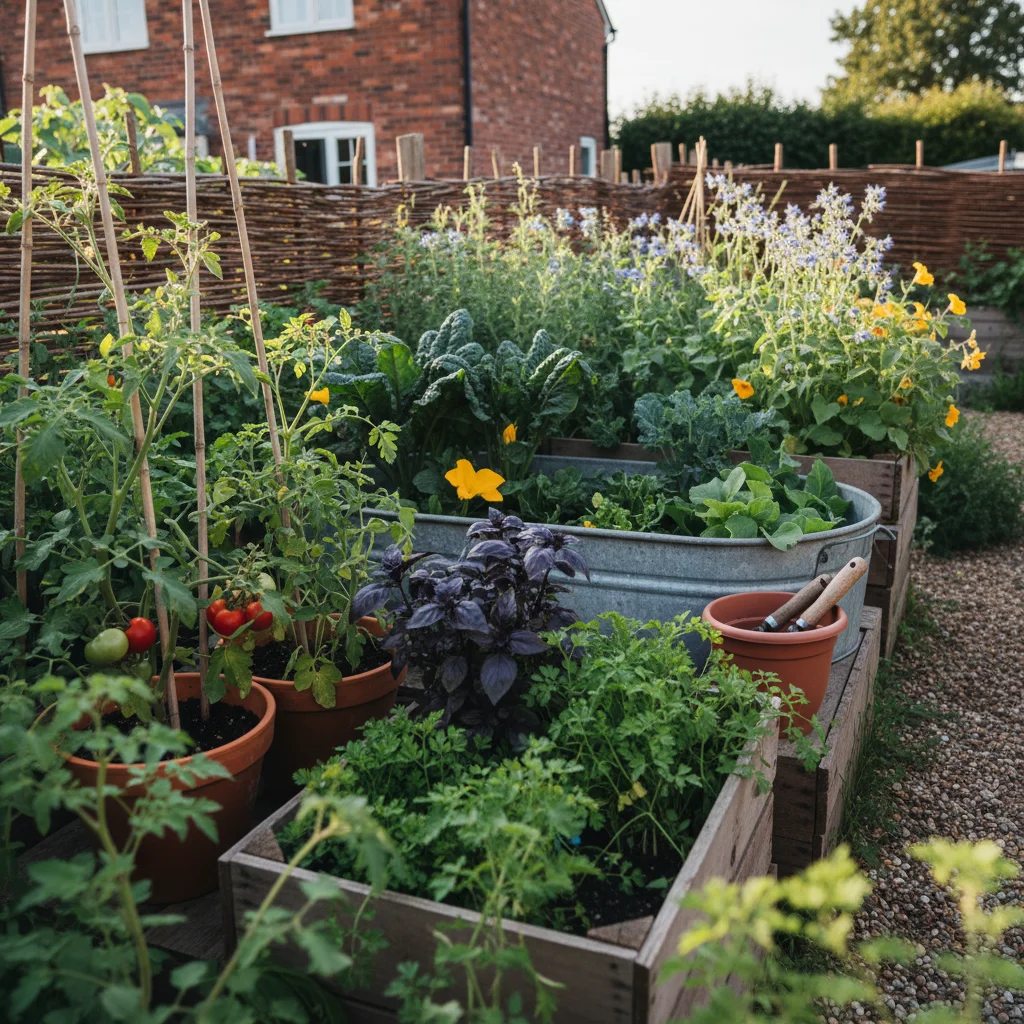
Kitchen gardens fail on soil, water, and succession, not on a lack of raised-bed kits. Hiring someone who can plan crops for a UK season is different from hiring a mowing round.
There is a profound shift in how we view our outdoor spaces today. For many years, the British garden was largely divided into two camps: the ornamental borders meant for looking at and the hidden vegetable patch tucked away behind a shed. Today, we are seeing those lines blur as more homeowners embrace the concept of the kitchen garden. This isn't just about utility; it is about creating a beautiful, productive space that integrates into your lifestyle and provides a seasonal harvest right outside your door.
A well-designed kitchen garden, or potager, combines the aesthetic appeal of traditional gardening with the practical rewards of food production. Whether you are looking to grow crisp salads, heirloom tomatoes, or perennial soft fruits, the success of your edible space depends on a methodical approach to planning and soil health. By understanding the environment of your garden and the specific needs of edible plants, you can turn a simple plot into a high-yielding sanctuary.
Choosing the Best Site for Your Edible Beds
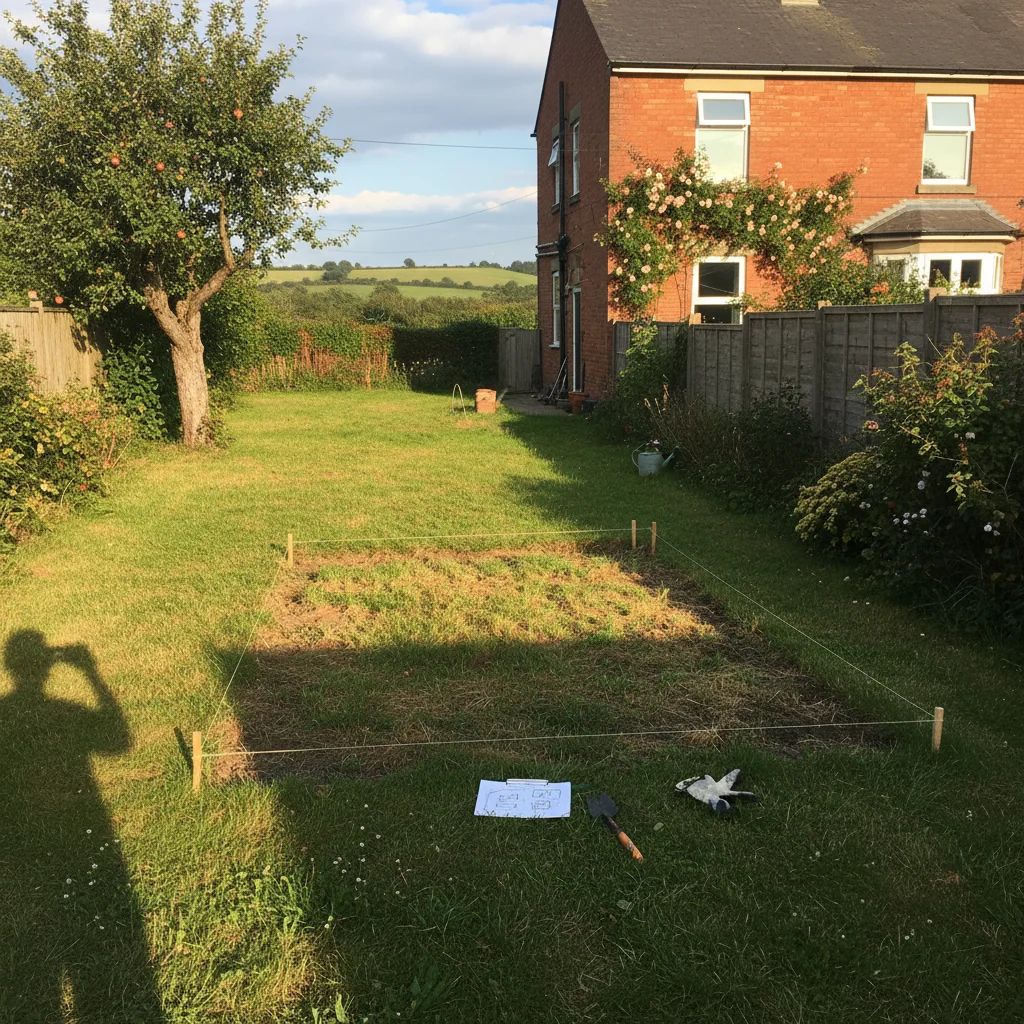
The first step in any successful kitchen garden project is finding the right location. Most edible crops are sun-worshippers, requiring at least six to eight hours of direct sunlight each day to thrive and develop full flavour. If you place your vegetable beds in a heavy shade or under the canopy of large trees, you will likely find your plants becoming leggy and prone to disease. We want to maximise the energy from the sun, particularly in the UK where light levels can be unpredictable during the shoulder seasons of spring and autumn.
Beyond sunlight, you must consider the local microclimate of your garden. Edible plants are often more delicate than hardy ornamental shrubs, so protection from prevailing winds is essential. A cold wind can physically damage young plants and significantly lower the soil temperature, delaying growth. Look for a spot that is sheltered by a fence, a hedge, or the walls of the house, but ensure there is still enough air circulation to prevent stagnant, damp air which encourages fungal issues like mildew.
Proximity to the house is a frequently overlooked factor in kitchen garden design. There is an old gardening adage that the best fertiliser is the gardener's shadow, and this is especially true for edibles. If your herbs and salads are right outside the kitchen door, you are far more likely to use them in your daily cooking and notice immediately if they need watering or if a pest problem is starting to develop. A garden that is too far away often becomes neglected during busy weeks.
The Importance of Soil Health and Nutrition
Soil is the foundation of everything we do in the garden, and for edible crops, its quality is even more critical. Unlike ornamental plants that may stay in the ground for decades, many vegetables are "hungry" crops that extract significant amounts of nutrients in a single season. To keep your kitchen garden productive year after year, you must treat your soil as a living ecosystem that needs constant replenishment.
Before you start planting, it is vital to check your soil structure and drainage. Most vegetables prefer a loamy soil that holds moisture but allows excess water to drain away freely. If you have heavy clay soil, you may find it stays too wet in winter and bakes hard in summer. In these cases, we often recommend building raised beds. These allow you to control the soil mix entirely, usually by incorporating plenty of well-rotted organic matter and peat-free compost to improve aeration and drainage.
Understanding soil nutrients is also part of the expert gardener’s toolkit. We often talk about NPK, which stands for Nitrogen, Phosphorus, and Potassium. Nitrogen is essential for leafy growth, Phosphorus helps with root development, and Potassium is the key to producing flowers and fruit. In a kitchen garden, you might use a balanced organic fertiliser in the spring, but you should also tailor your feeding to the specific crop. For example, tomatoes benefit from a high-potassium liquid feed once the first fruits have set to ensure a better harvest.
The Essentials of Crop Rotation
One of the biggest challenges in a permanent kitchen garden is the buildup of soil-borne pests and diseases. If you grow the same crop in the same spot year after year, you are essentially providing a permanent buffet for the specific insects and fungi that prey on that plant. Furthermore, different plants have different nutritional needs; growing the same thing repeatedly will eventually deplete the soil of specific elements. This is where the practice of crop rotation becomes indispensable.
A standard four-year rotation plan involves grouping your vegetables into families and moving them to a new bed each season. This systematic approach breaks the life cycle of pests and ensures the soil remains balanced. It might sound technical, but it is actually a very logical way to organise your growing year. By following a plan, you ensure that "heavy feeders" are followed by plants that actually help restore the soil, such as legumes.
When planning your rotation, you will generally work with these four main groups:
- Potatoes: These help break up the soil and are often the first crop in a new bed.
- Legumes: Peas and beans are wonderful because they "fix" nitrogen in the soil through their roots.
- Brassicas: This group includes cabbage, kale, and broccoli, which love the nitrogen left behind by legumes.
- Onions and Roots: Carrots, parsnips, and onions prefer soil that hasn't been recently manured, making them perfect for the final stage.
Managing Pests and Maintaining Sustainability
In a kitchen garden, we try to move away from harsh chemicals and towards a more balanced, sustainable approach. Because you intend to eat what you grow, the health of the environment is directly linked to your own health. This means embracing "integrated pest management," which is a fancy way of saying we use nature to help us. Encouraging biodiversity is your best defence against the common problems that plague vegetable patches.
Companion planting is a brilliant method for this. By interspersing your vegetables with specific flowers, you can either deter pests or attract the predators that eat them. For example, planting French marigolds among your tomatoes can help repel whitefly, while sowing nasturtiums can act as a "trap crop" for cabbage white butterflies, drawing them away from your precious brassicas. This approach creates a garden that feels more like a complete ecosystem than a sterile production line.
Watering is another area where sustainability is key. Edible plants often have high water requirements, especially during the height of summer. Rather than relying solely on the mains, we recommend installing water butts to collect rainfall from shed or greenhouse roofs. When you do water, aim for the base of the plant rather than the leaves to reduce the risk of disease, and do it early in the morning or late in the evening to minimise evaporation. Mulching the surface of the soil with organic matter can also help retain moisture for much longer.
Integrating Fruit and Perennials
While many people focus on annual vegetables like carrots and lettuce, a truly successful kitchen garden should also include perennial crops. These are plants that stay in the ground year-round and provide a harvest for many seasons without the need for replanting. Perennials like asparagus, rhubarb, and globe artichokes add structural interest to the garden and often require less intensive daily maintenance once they are established.
Fruit trees and bushes are another vital component. Even in a small UK garden, you can grow "family trees" where multiple varieties are grafted onto one trunk, or use step-over apple trees to create low-growing borders for your vegetable beds. Soft fruits like raspberries, currants, and gooseberries are incredibly productive and often far superior in flavour to anything you can buy in a supermarket. They do, however, require specific pruning regimes in the winter to ensure they continue to fruit well the following year.
When planning for fruit, think about the timing of the harvest. By selecting a mix of early, mid, and late-season varieties, you can extend your picking window from the first strawberries in June right through to the last apples in October. This requires a bit of forward planning, but it ensures that your kitchen garden provides a steady stream of produce rather than a single, overwhelming glut that you can't possibly eat all at once.
Designing for Aesthetics and Function
A kitchen garden doesn't have to look like a messy allotment. In fact, some of the most beautiful gardens in the world are those that prioritise food production. When we design these spaces, we look for ways to make them as attractive as they are functional. This often involves using permanent structures like raised timber beds, brick-edged paths, and decorative obelisks for climbing beans or sweet peas.
Pathways are a critical but often overlooked part of the design. In a kitchen garden, you need paths that are wide enough for a wheelbarrow and solid enough to use in the middle of a wet British winter. We prefer using gravel, bark mulch, or even reclaimed bricks rather than just leaving grass strips, which can become muddy and compacted. These hard-landscaping elements provide the "bones" of the garden, ensuring it looks structured and purposeful even in the depths of January when the beds are empty.
To keep your kitchen garden looking its best throughout the year, consider these design elements:
- Permanent Edging: Use stone, timber, or woven willow to define your growing areas.
- Vertical Interest: Incorporate arches for runner beans or espaliered fruit trees to save space.
- Herbaceous Borders: Surround your veg with perennial herbs like rosemary and sage for year-round greenery.
- Symmetry: A formal layout with a central focal point can make a productive space feel like a grand estate garden.
How Professional Gardeners and Designers Can Help
While many homeowners enjoy the day-to-day tasks of sowing and weeding, setting up a kitchen garden from scratch can be a daunting technical challenge. This is where a professional gardener or designer provides immense value. Unlike an ornamental garden where the focus is primarily on visual composition, an edible garden requires a deep understanding of soil science, irrigation, and crop timing.
A professional can help you with the heavy lifting of site preparation, such as testing soil pH and installing drainage systems. They can design a layout that maximises your specific light conditions and ensures that your beds are the correct width for easy reaching without compacting the soil. Furthermore, a gardener can help you establish a maintenance calendar, showing you exactly when to prune your fruit trees or when to sow your next round of salad crops to avoid gaps in production.
There is also the distinction between a designer and a maintenance gardener. A designer will look at the long-term structure, ensuring that your kitchen garden complements the architecture of your home and the rest of your landscape. A skilled gardener, on the other hand, provides the ongoing expertise needed to manage the nuances of the growing season, from identifying early signs of blight to knowing exactly how much fertiliser to apply to your hungry pumpkins.
Building a kitchen garden is one of the most rewarding investments you can make in your home. It changes your relationship with the seasons and provides a level of freshness and flavour that is simply unavailable elsewhere. By focusing on the health of your soil and the logic of your layout, you create a space that is both a productive resource and a beautiful retreat. Whether you are starting with a few pots of herbs or a full-scale walled garden, the journey toward growing your own food is a path toward a more sustainable and fulfilling way of living.
Frequently asked questions
What does hiring for a kitchen garden include?
Bed building or recovery, soil improvement, planting, and a harvest calendar. Weekly picking and watering may be extra if you want them to run it like an allotment.
Raised beds or in-ground?
In-ground is cheaper and holds moisture better on most UK soils. Raised beds help on compacted clay or if you need access, but they dry out faster.
Can I start small?
Yes. Four square metres of well-kept soil beats a huge neglected patch. Hire for the setup, then decide if you want ongoing visits.