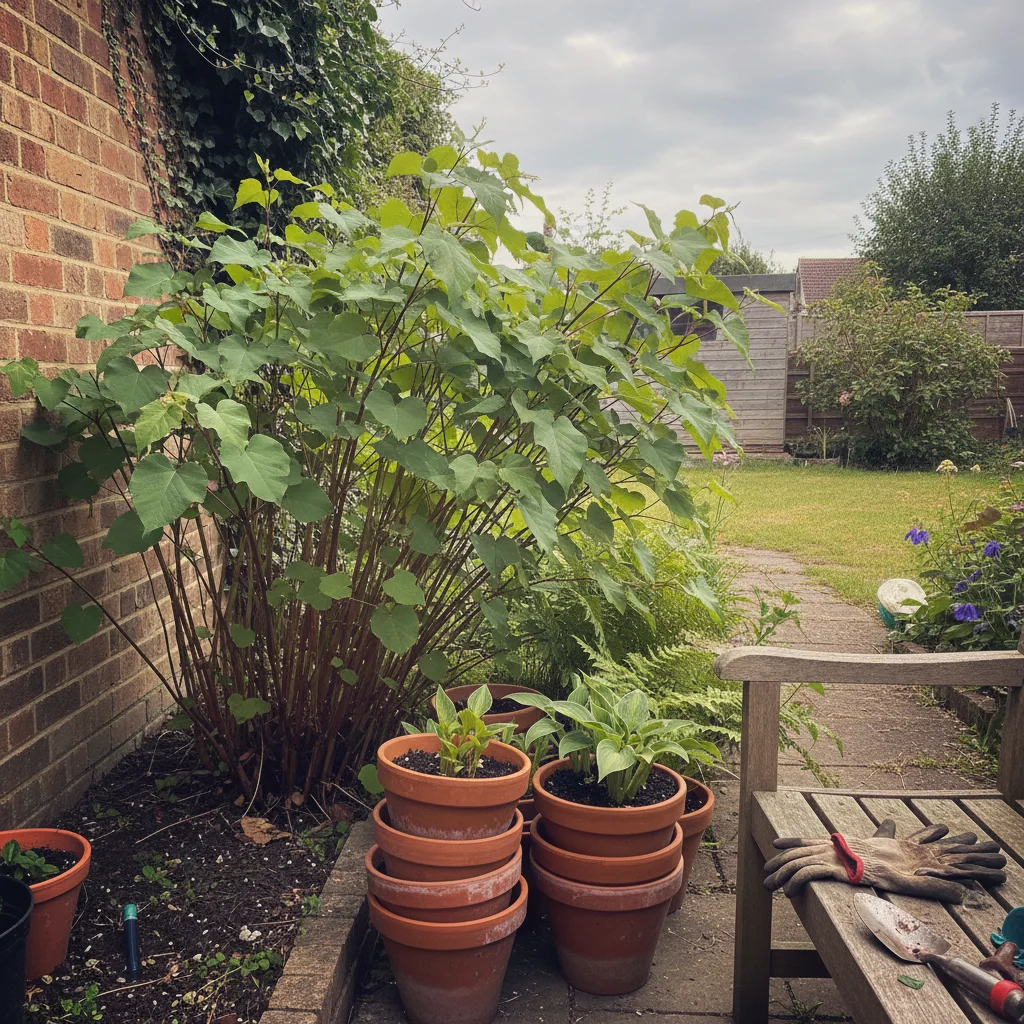
Japanese Knotweed removal is a specialist, often multi-year treatment — not a general gardener with a spade. Digging it yourself can spread the plant and complicate a mortgage or sale.
Finding Japanese Knotweed on your property can feel like a daunting discovery. As a horticulturist, I have seen the stress this plant causes homeowners, often due to the fears surrounding property values and structural integrity. While it is certainly a persistent and vigorous species, it is not an invincible one. With a methodical approach and the right professional help, it can be managed and controlled effectively.
The key to dealing with Japanese Knotweed (Fallopia japonica) is understanding that it is not a typical garden weed. It is a highly evolved survivor that spreads via an extensive underground network of rhizomes. These thick, fleshy stems can extend several metres away from the visible plant and reach deep into the subsoil. Because of this biology, simple surface-level gardening techniques like pulling or mowing often make the problem worse by stimulating further growth or spreading fragments.
How to identify Japanese Knotweed
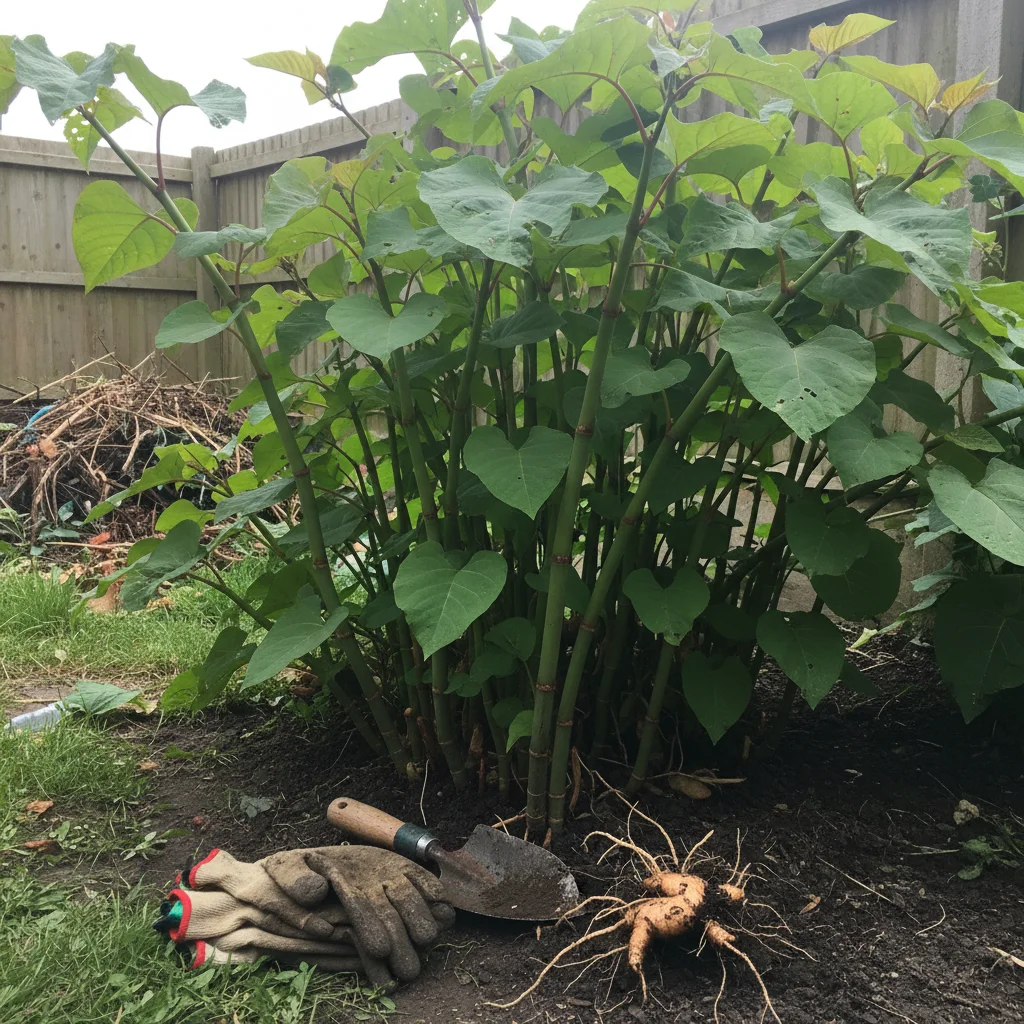
Before you look for a professional, you need to be reasonably sure of what you are looking at. In early spring, the plant emerges as fleshy, red or purple shoots that look somewhat like asparagus. These grow at an incredible rate, quickly developing into tall, hollow, bamboo-like stems with distinct purple speckles. By mid-summer, the plant can reach heights of over two metres, creating dense stands that shade out all other vegetation.
The leaves are perhaps the most distinctive feature for identification. They are heart or shovel-shaped with a flat base and grow in a clear zig-zag pattern along the stems. During late summer, the plant produces small, creamy-white flowers that hang in delicate clusters. In autumn, the leaves turn yellow and fall, leaving behind brittle, brown canes that can remain standing throughout the winter months.
If you are unsure, it is helpful to look at the stems where the leaves attach. You will see a small, papery sheath at each joint, which is a common characteristic of the dock family to which knotweed belongs. If you suspect you have it, avoid disturbing the soil around the plant. Even a fragment of rhizome the size of a fingernail can grow into a completely new plant, which is why professional containment is so vital.
The legal reality for UK homeowners
In the UK, owning Japanese Knotweed on your land is not illegal, but allowing it to spread into the wild or onto a neighbour's property can lead to significant legal complications. Under the Wildlife and Countryside Act 1981, it is an offence to plant or otherwise cause Japanese Knotweed to grow in the wild. This includes moving soil contaminated with rhizomes or disposing of plant material incorrectly.
For most homeowners, the primary concern is the impact on property sales and mortgages. When you sell a house, you are required to complete a TA6 property information form. This form specifically asks if the property is affected by Japanese Knotweed. Answering untruthfully can lead to claims of misrepresentation and costly legal battles later. Most mortgage lenders will require a professional management plan to be in place before they will approve a loan on an affected property.
Beyond property law, there are also environmental regulations regarding disposal. Japanese Knotweed is classified as "controlled waste" under the Environmental Protection Act 1990. This means you cannot simply put it in your green waste bin or take it to a local recycling centre. It must be disposed of at a licensed landfill site by a registered waste carrier, or treated on-site following very specific government guidelines.
Choosing the right treatment method
When you hire a specialist, they will typically suggest one of three main approaches based on your goals and the location of the infestation. The most common method for residential gardens is herbicidal treatment. This involves applying professional-grade systemic herbicides, usually containing glyphosate, to the leaves or injecting it directly into the stems. This chemical travels down into the rhizome system to kill the plant from the inside out.
Herbicidal treatment is a marathon, not a sprint. It usually takes between three and five years of annual applications to fully exhaust the rhizome system. This is a "suppression" strategy that eventually leads to the plant becoming dormant or non-viable. It is often the most cost-effective route, provided you are not planning to build an extension or disturb the ground in the immediate future.
For those who need the weed gone immediately, perhaps for a construction project or a quick sale, physical excavation is the alternative. This involves digging out the infested soil and either burying it deeply on-site (wrapped in a specialist root-barrier membrane) or carting it away to a licensed facility. While this is much faster, it is significantly more labour-intensive and requires heavy machinery, making it a more substantial investment.
What to look for in a professional service
Because of the legal and financial implications, you should look for a contractor who belongs to a recognised trade body. The two main organisations in the UK are the Property Care Association (PCA) and the Invasive Non-Native Specialists Association (INNSA). Members of these bodies must adhere to strict standards of practice and technical competence, which provides peace of mind for both you and your mortgage lender.
A professional service should always begin with a thorough site survey. They will map the extent of the growth, identify any risks to nearby structures or watercourses, and provide a written Knotweed Management Plan (KMP). This document is essential; it outlines the chosen treatment method, the schedule of works, and how the site will be monitored over the coming years.
One of the most important aspects of hiring a specialist is the guarantee. For a management plan to be accepted by lenders, it usually needs to be backed by an Insurance Backed Guarantee (IBG). This ensures that if the company goes out of business, the guarantee remains valid and the treatment can be completed by another firm. Always ask to see proof of this insurance before signing a contract.
Essential questions for your contractor
When you are interviewing potential specialists, you need to ensure they understand the specific constraints of your garden. Not all contractors are equal, and some may offer "quick fixes" that do not meet the standards required for property transactions. Use the following points to gauge their expertise and reliability during your initial consultation.
- Are you a member of the Property Care Association (PCA) or INNSA?
- Do you provide a written Knotweed Management Plan that meets RICS standards?
- Is your guarantee backed by an independent insurance provider?
- What specific herbicide or excavation method do you recommend for my soil type?
- How will you prevent the accidental spread of fragments during the removal process?
- Can you provide references or case studies from similar residential projects?
A reliable contractor will be happy to explain their reasoning. For instance, if your garden has a high water table or is near a pond, they should discuss the use of aquatic-safe herbicides or non-chemical barriers. They should also explain how they will clean their boots and tools before leaving your property to ensure they don't carry any "hitchhiking" fragments elsewhere.
Soil health and the environmental impact
As someone who advocates for soil health, I believe it is important to consider the aftermath of knotweed removal. High-strength herbicides are effective, but they can impact the local soil microbiome. Once the knotweed is confirmed as dead or dormant, you may need to work on restoring the soil's vitality. This might involve adding well-rotted organic matter or using green manures to encourage beneficial bacteria and fungi to return.
If you opt for excavation, you will be left with a significant void in your garden that needs filling with fresh topsoil. Ensure your contractor sources this soil from a reputable supplier to avoid importing new pests or weed seeds. I always recommend choosing peat-free composts and locally sourced soil where possible to reduce the carbon footprint of the project.
Managing the surrounding area is also vital. While the knotweed is being treated, try to keep the rest of your garden healthy and diverse. A robust garden with a variety of native plants can sometimes act as a natural buffer, though it won't stop knotweed on its own. After the treatment period is over, replanting with vigorous native shrubs can help reclaim the space and prevent other opportunistic weeds from taking hold in the disturbed ground.
Setting realistic expectations for the process
It is vital to understand that "removal" often means "long-term control" in the world of invasive species. Even after a successful five-year treatment programme, there is a small chance of regrowth if the soil is heavily disturbed years later. The rhizomes can remain in a state of dormancy for a long time. This is why the monitoring phase of your management plan is just as important as the initial spraying or digging.
Patience is your best tool when dealing with this plant. Rushing the process with DIY "home remedies" like vinegar, salt, or bleach is almost always a mistake. These methods rarely reach the deep rhizomes and can cause significant damage to the surrounding soil chemistry, making it harder for desirable plants to grow in the future. Trust the professional process and keep a clear record of all treatments and site visits.
By addressing the issue head-on and hiring a qualified professional, you protect your home’s value and fulfill your responsibilities as a land manager. Once the management plan is in place and the first treatments are underway, the shadow that knotweed casts over a property usually begins to lift. You can then return your focus to the more enjoyable aspects of gardening, knowing that the structural integrity of your home is secure.
Frequently asked questions
Can a regular gardener remove Japanese Knotweed?
No. You want a contractor who understands herbicide programmes or excavation with licensed waste, and who will give you a written plan and guarantee terms.
How long does treatment take?
Herbicide programmes often run over more than one growing season. Excavation is faster and much more expensive. Anyone promising a one-day miracle is a warning sign.
Will it affect selling the house?
Lenders often want a management plan from a specialist. Keep records. DIY digging can make the situation worse and harder to insure.