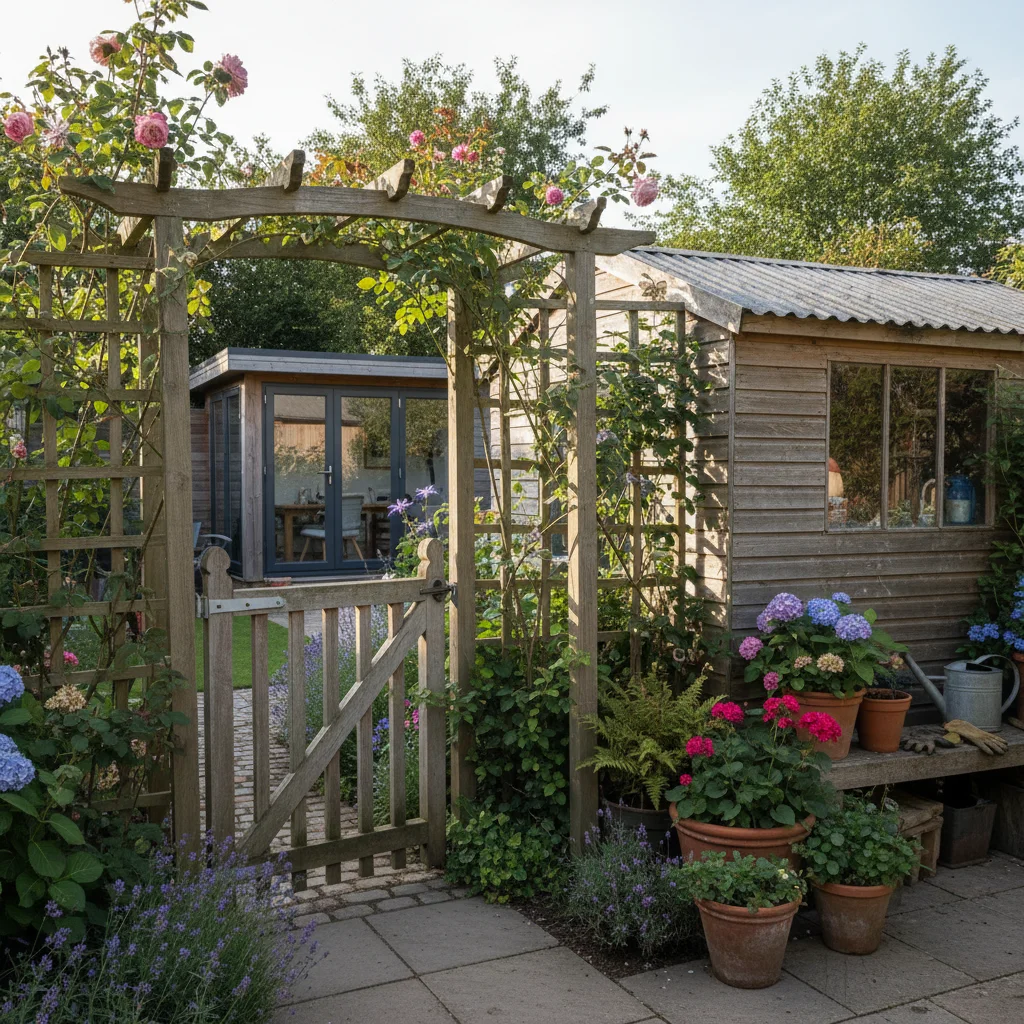
Garden structures — pergolas, sheds, gates, and garden rooms — succeed or fail on foundations, timber spec, and planning limits. Hire for anything that needs a base or sits near a boundary.
We often think of our gardens as purely living, breathing entities made of soil and sap. However, the most successful outdoor spaces rely on a permanent framework to give them shape and purpose. These structures—the "bones" of the garden—do more than just look good; they define how we use our private sanctuary, whether that is providing a shaded spot for a summer lunch or a quiet room at the end of the lawn for focused work.
Adding a structure to your garden is a significant investment of both time and money. It is not something to be rushed, as a poorly placed shed or a flimsy pergola can become a headache rather than a highlight. By taking a methodical approach to planning and understanding the technical requirements of foundations and materials, you can ensure your new addition stands the test of time and enhances your gardening experience for years to come.
Creating Vertical Interest with Pergolas
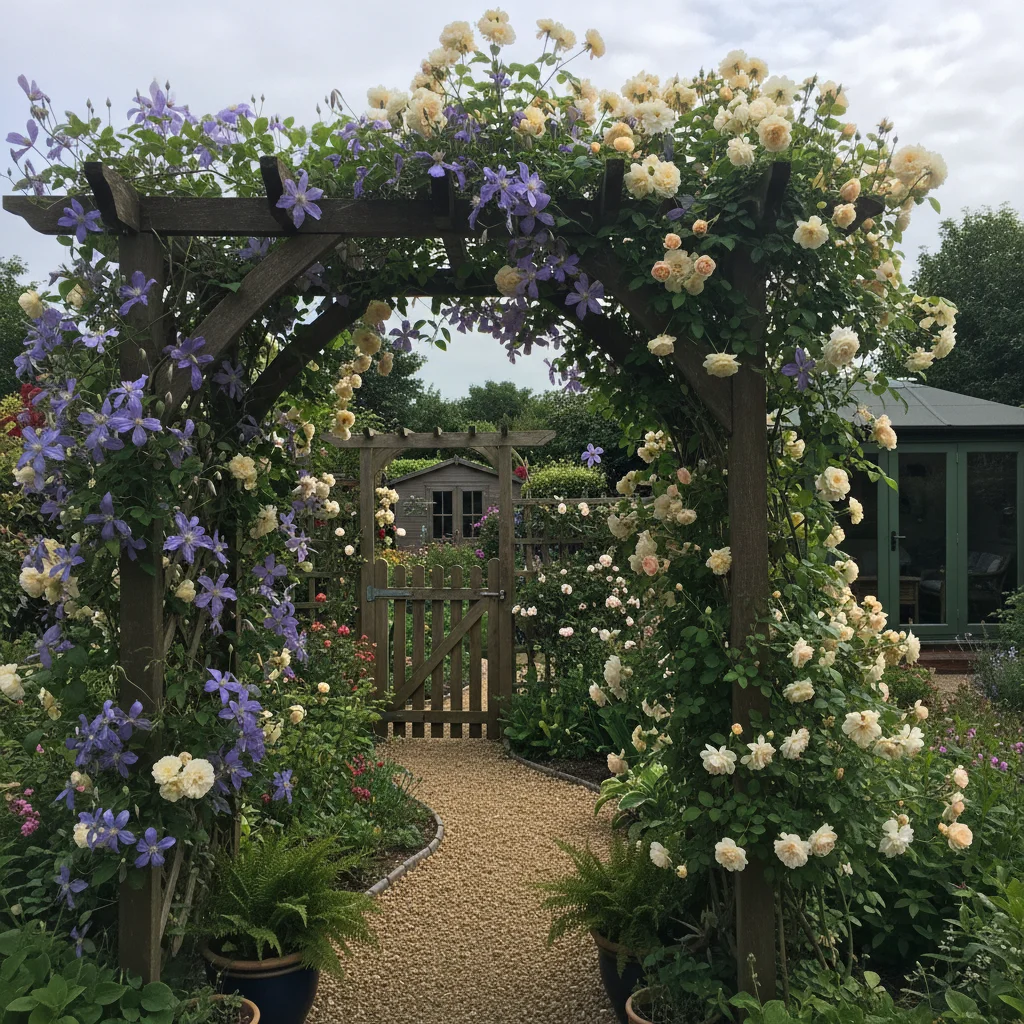
A pergola is one of the most elegant ways to add height and architectural interest to a flat landscape. Unlike a gazebo or a summerhouse, a pergola is an open structure, usually consisting of upright posts and a roof of cross-beams. It is designed to offer a dappled shade rather than total shelter, making it the perfect bridge between the indoors and the wider garden.
When positioning a pergola, consider the movement of the sun throughout the day. If you want a spot for morning coffee, an east-facing corner is ideal. For evening entertaining, you will want to capture the final rays of the sun from the west. Beyond shade, pergolas are excellent for creating "garden rooms," dividing a long lawn or framing a specific view. They also provide a vital vertical plane for those of us who love climbing plants.
To get the best from your pergola, you should choose plants that offer scent and texture without becoming so heavy they compromise the structure. We always recommend checking the weight-bearing capacity of your timber before planting vigorous species. Here are some of the best choices for a classic British pergola:
- Wisteria sinensis for spectacular spring colour and scent
- Clematis montana for rapid coverage and delicate flowers
- Trachelospermum jasminoides for evergreen leaves and summer fragrance
- Rosa 'Albéric Barbier' for a traditional, romantic climbing rose look
- Vitis vinifera if you want to try your hand at growing dessert grapes
Sustainability should be at the forefront of your material choice. Look for FSC-certified timber, which ensures the wood has been sourced from responsibly managed forests. If you prefer a more modern look, powder-coated aluminium offers incredible longevity and requires almost zero maintenance compared to traditional softwood, which will need a fresh coat of preservative every few years to prevent rot.
The Practical Beauty of Garden Gates
Gates are the transition points of the garden, marking the boundary between the public world and your private retreat. A gate should be more than just a functional barrier; it sets the tone for what lies beyond. A heavy, solid oak gate suggests privacy and security, while a low, open-picket gate feels welcoming and traditional.
Functionality is key when selecting a gate. If it is a main entrance used for bringing in wheelbarrows or lawnmowers, ensure it is wide enough—usually at least 90cm—to allow for easy passage. Always check the hardware; stainless steel or galvanised hinges and latches are essential in our damp British climate to prevent unsightly rust streaks and "gate sag" over time.
Installation requires a steady hand and a level. The gate posts are the most critical element, as they bear the entire weight of the structure. We recommend sinking posts at least 60cm into the ground and securing them with a dry-mix concrete. This ensures that as the ground swells and shrinks with the seasons, your gate remains perfectly aligned and doesn't scrape against the path.
Choosing the Right Shed for Your Needs
The humble garden shed has evolved far beyond a simple place to lean a spade. For many gardeners, it is the engine room of the plot. When choosing a shed, the first question is always about purpose. Are you looking for a dry space for high-end power tools, or a potting shed where natural light is the priority?
Timber sheds remain the most popular choice because they are breathable and aesthetically pleasing. However, they do require a bit of care. Ensure there is a gap of at least 30cm between the shed and any fences or hedges to allow for air circulation. Without this, moisture can become trapped against the wood, leading to fungal growth and premature decay.
If you are looking for something lower maintenance, high-density polyethylene or metal sheds are excellent alternatives. While they may lack the rustic charm of wood, they are incredibly durable and fire-resistant. Whichever material you choose, don't forget the roof. A quality felt or EPDM rubber roof is the only thing standing between your expensive equipment and the British rain, so it is worth investing in the best grade you can afford.
The Rise of the Garden Office and Room
In recent years, the garden room has become the ultimate "must-have" for UK homeowners. Whether it is a home office, a gym, or a hobby space, these structures offer a way to expand your living area without the upheaval of a traditional house extension. Because these rooms are intended for year-round use, the construction methods are much closer to a house than a shed.
Insulation is the most important factor here. We recommend using high-performance rigid foam boards in the floor, walls, and ceiling. This not only keeps the space warm in winter but also prevents it from becoming an oven in the height of summer. Pair this with double-glazed windows and doors, and you have a space that is comfortable regardless of the weather outside.
Before you start building, you must consider the legalities. Most garden rooms fall under "Permitted Development," meaning you don't need full planning permission, provided the building meets certain criteria regarding height and location. Generally, if the building is within 2 metres of a boundary, the maximum height is 2.5 metres. Always check with your local planning office if you are unsure, as rules can vary significantly in Conservation Areas or Areas of Outstanding Natural Beauty.
Foundations and Groundwork Basics
The longevity of any garden structure is determined by what lies beneath it. You can buy the most expensive cedar garden room in the world, but if you put it on a soft, uneven lawn, it will be ruined within two seasons. Groundwork is about two things: stability and drainage.
For smaller structures like pergolas or light sheds, a simple base of treated timber bearers on a bed of compacted gravel can suffice. However, for anything substantial, you need a more permanent solution. A level base ensures that doors and windows hang correctly and that the weight of the roof is distributed evenly across the frame.
| Foundation Type | Best For | Pros | Cons |
|---|---|---|---|
| Concrete Slab | Large garden rooms | Extremely stable and permanent | High carbon footprint and difficult to remove |
| Ground Screws | Sloping sites | Fast installation and minimal soil disruption | Requires professional equipment to install |
| Timber Bearers | Small to medium sheds | Cost-effective and DIY-friendly | Can rot if drainage is poor |
| Paving Slabs | Medium sheds and pergolas | Easy to level and aesthetically pleasing | Can shift over time if the sub-base is weak |
We always advise checking the drainage of your chosen site before the foundation goes down. If you notice puddles lingering after a heavy downpour, you may need to install a simple French drain—a trench filled with gravel—to divert water away from the structure. Keeping the base of your building dry is the single most effective way to prevent rot and structural failure.
Environmental Considerations for New Structures
As gardeners, we have a responsibility to the environment. Every new structure we add to our plots has an impact on the local ecosystem. When planning your build, think about how you can mitigate this. For instance, a large shed roof creates a significant amount of water runoff. Instead of letting this run into the drains, install a guttering system and a series of water butts. This provides a free, chlorine-free source of water for your plants during dry spells.
Consider the "footprint" of your structure on the soil. Concrete slabs seal the earth, preventing oxygen and water from reaching the soil microbes and earthworms below. Where possible, use "breathable" foundations like ground screws or elevated timber frames. These allow the soil to remain active and healthy beneath the building.
Finally, think about biodiversity. A garden room or shed doesn't have to be a dead zone for wildlife. You can add a "green roof" of sedums or wildflowers to your shed to provide a habitat for pollinators. Alternatively, fixing bat boxes or bird bricks to the exterior of a garden office can help integrate your new building into the natural rhythm of your garden.
By planning your structures with care and focusing on the quality of the foundations, you create a garden that is both functional and resilient. Whether you are installing a simple gate or a complex garden office, taking the time to do it right ensures that your outdoor space remains a place of joy and productivity for decades. Start by assessing your levels and drainage today, and you will be well on your way to a successful garden transformation.
Frequently asked questions
Do I need planning permission for a garden room?
Often permitted development if height, size, and use limits are met, but rules are specific. Check before you pay a deposit.
Who should install a pergola or shed?
Flat-pack sheds on a prepared base can be DIY. Pergolas with substantial posts, electrics, or anything used as a room should be a landscaper or specialist installer.
What goes wrong most often?
Bases that are not level or not drained. A beautiful structure on a sinking pad becomes a repair job within a couple of winters.