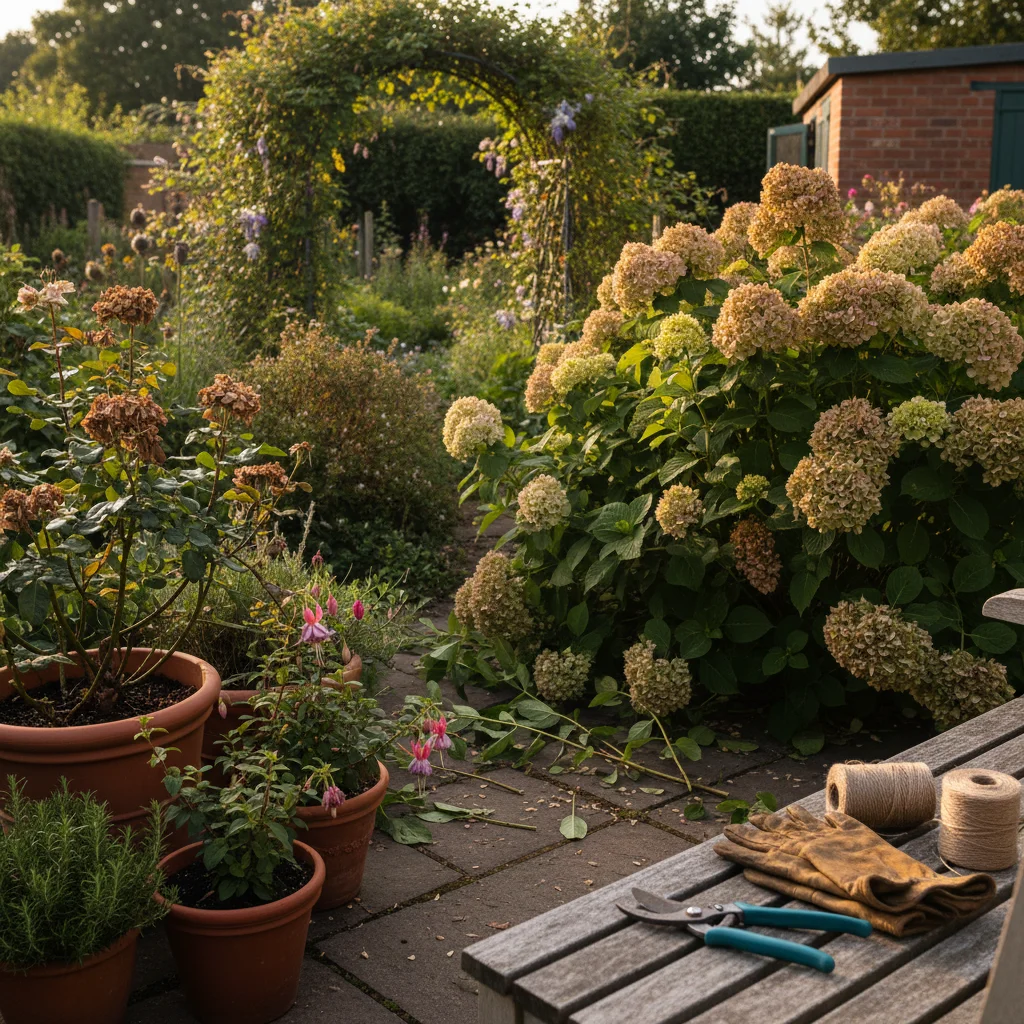
Pruning shrubs is mostly timing and clean cuts: flower on old wood or new wood, then the three Ds (dead, damaged, diseased). Hire when the plant is large, woody, or you would rather not guess.
Pruning is often one of the most daunting tasks for any homeowner. I’ve spent years in some of the UK’s finest gardens, and I can tell you that even the most confident gardeners sometimes pause with the secateurs in hand. It feels final, doesn't it? You worry about cutting too much or at the wrong time and losing a season of flowers.
However, once you understand the basic principles, pruning becomes one of the most rewarding jobs in the garden. It is a conversation between you and your plants. By removing the old, you make space for the new, directing the plant’s energy exactly where it needs to go. This isn't just about aesthetics; it is about the long-term health and vitality of your garden.
In this guide, we will look at the practicalities of pruning shrubs and ornamental plants. We will move beyond the technical jargon and focus on what you actually need to know to keep your garden looking its best. Whether you are doing the work yourself or hiring a professional to help, understanding these basics will ensure your plants thrive for years to come.
Why we prune our garden plants
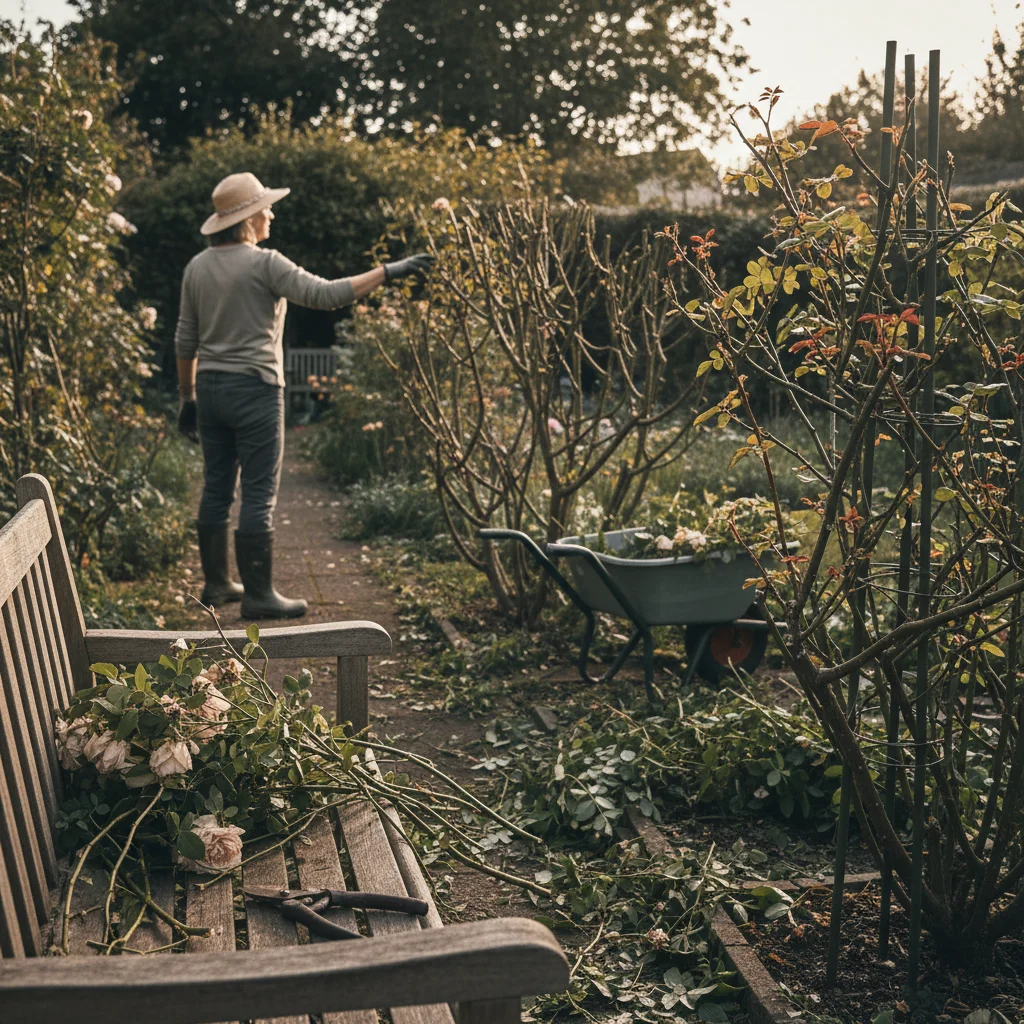
The primary reason to prune is the health of the plant. In the natural world, wind, snow, and animals often do this work for us by breaking off old branches. In a domestic garden, we take on that role to prevent the plant from becoming a tangled, congested mess. Good pruning opens up the centre of a shrub, allowing air to circulate and light to reach the inner stems.
This airflow is vital for reducing the risk of fungal diseases, which thrive in damp, stagnant conditions. We also prune to encourage better displays. For many shrubs, the best flowers or the most vibrantly coloured stems appear on new growth. By removing the older wood, we stimulate the plant to produce these fresh, vigorous shoots.
Finally, we prune for shape and size. Most of us don't have the luxury of infinite space, so we need to keep our plants within their allotted bounds. A well-pruned shrub should look like a better version of its natural self, not a hacked-back stump. We want to guide its growth rather than fight against its natural habit.
The golden rule of the three Ds
Before you consider the timing or the specific technique for a particular plant, there is one rule that applies to everything in your garden. This is the starting point for every pruning session I undertake. We always begin by looking for the three Ds, which helps us clean up the plant before we start any decorative shaping.
When you approach a shrub, look for these three things:
- Dead wood which is brittle, often barkless, and serves no purpose other than to invite decay.
- Damaged stems that may have been broken by wind or crushed by a passing lawnmower.
- Diseased growth showing signs of canker, mildew, or other infections that could spread.
By removing these first, you are already halfway to a healthier plant. Use sharp, clean tools to cut back to healthy wood, which will be creamy-white or green in the centre rather than brown and dry. Once the three Ds are gone, the structure of the plant becomes much clearer, and you can see what else needs to be done.
Understanding the timing of the seasons
The most common question I get asked is when to prune. The answer depends entirely on when the plant flowers. If you prune at the wrong time, you might cut off all the flower buds for the coming year. We generally divide shrubs into two main categories based on their flowering habits.
Spring-flowering shrubs, such as Forsythia, Philadelphus (Mock Orange), and many Spiraeas, produce their flowers on wood that grew during the previous summer. If you prune these in the winter, you are cutting off the blossoms before they’ve had a chance to open. The best time to prune these is immediately after they have finished flowering in late spring or early summer.
Summer-flowering shrubs, like Buddleja (the Butterfly Bush) or Hardy Fuchsias, are different. They produce their flowers on the growth they make in the current season. These plants are best pruned in late winter or very early spring, just as the buds are starting to swell. This gives them the whole growing season to produce the wood that will carry the summer flowers.
Pruning for winter colour and foliage
Some plants aren't grown for their flowers at all, but for the brilliant colour of their winter stems. Cornus (Dogwood) and Salix (Willow) are the classic examples here. If left to their own devices, these plants eventually become large, dull-looking woody shrubs. The brightest colours are always found on the youngest, most vigorous growth.
To get that fiery red or bright yellow winter display, we use a technique called coppicing or pollarding. In late March, just as the sap is rising but before the leaves appear, we cut the entire plant back hard. For Dogwoods, I usually cut them to within 5cm to 10cm of the ground. It looks drastic, but by mid-summer, they will have sent up a fresh thicket of stems that will glow beautifully come November.
Evergreen shrubs require a gentler touch. Most evergreens, such as Choisya or Hebes, don't need much pruning at all. If they do need a tidy up, it is usually best done in mid to late spring after the risk of hard frost has passed. Pruning evergreens too late in the autumn can encourage soft new growth that will be easily killed by the first freeze of winter.
The mechanics of a good cut
How you make the cut is just as important as when you make it. A clean, sharp cut heals quickly, whereas a jagged or crushed stem is an open door for pests and diseases. Always ensure your secateurs are sharp and clean. I carry a sharpening stone in my pocket and a small bottle of disinfectant to wipe the blades between different plants.
When you are cutting a stem back to a bud, aim for a 45-degree angle. The cut should start just above the bud and slope away from it. This ensures that rainwater runs off the cut and away from the delicate bud, rather than sitting on top of it and causing rot. Don't leave a long "snag" of wood above the bud, as this will simply die back and invite decay into the plant.
Try to prune to an outward-facing bud whenever possible. This encourages the new branch to grow away from the centre of the plant, maintaining that open, airy structure we talked about earlier. If you prune to an inward-facing bud, the new growth will head straight into the middle of the shrub, creating congestion and crossing branches that will eventually rub against each other.
Essential tools for the job
You don't need a shed full of expensive machinery to prune effectively. For most homeowners, three high-quality manual tools will cover 90% of the tasks in the garden. Investing in good tools is a sustainable choice; a pair of high-quality forged secateurs can last a lifetime if you look after them, whereas cheap plastic versions end up in the bin after a single season.
Bypass secateurs are your primary tool. These work like scissors, with two blades passing each other to create a clean cut. They are perfect for live wood up to the thickness of a pencil. For thicker branches, you will need a pair of loppers. These have longer handles to give you more leverage. Finally, a small folding pruning saw is invaluable for anything too thick for loppers.
Always choose bypass tools over anvil types for live wood. Anvil secateurs have one blade that closes down onto a flat metal plate, which tends to crush the stem rather than cutting it cleanly. I only use anvil pruners for dead, brittle wood where a clean heal isn't a priority. Keeping your tools oiled and free of sap will make the work much easier on your hands too.
How to brief a professional gardener
If your garden has become overgrown or you simply don't have the time to tackle the pruning yourself, you might decide to hire a professional. However, "pruning" can mean different things to different people. To get the result you want, you need to be specific about your goals. A quick "tidy up" might result in everything being sheared into balls, which isn't always what the plant needs.
When you speak to a gardener, explain what you value most about the plant. Is it the privacy it provides, the specific window it frames, or the abundance of flowers in June? A good professional will be able to tell you the name of the plant and explain how they intend to prune it. If they suggest "topping" everything with a hedge trimmer, they may not be the right person for ornamental shrub care.
To ensure you and your gardener are on the same page, consider these points when discussing the work:
- The desired height and spread you want the plant to reach after it has finished growing for the season.
- The flowering window of the plant, so they don't accidentally remove the upcoming season's display.
- The removal of green waste, asking if they can shred it for your compost heap or if it needs to be taken away.
- The health of the plant, specifically asking them to look for and remove any crossing or congested branches.
- The style of pruning, whether you want a naturalistic look or a more formal, structured shape.
By providing this level of detail, you ensure that the gardener works with the plant's natural habit rather than against it. It also helps them give you a more accurate quote, as thinning out a large, congested shrub takes significantly more time and skill than a simple surface trim.
Sustainability and the garden cycle
In my years as a head gardener, I’ve learned that nothing in the garden should go to waste. Pruning produces a significant amount of organic matter, and how you handle this is a key part of sustainable gardening. Instead of seeing those branches as "rubbish" to be put in a brown bin, see them as a resource for your soil and your local wildlife.
Small, soft prunings can be chopped up and added directly to your compost heap. They provide the "brown" carbon-rich material that balances out the "green" nitrogen-rich grass clippings. For larger woody stems, if you have the space, a small log pile in a shaded corner of the garden provides a vital habitat for beetles, toads, and hedgehogs.
If you have a lot of woody material, consider hiring or investing in a small electric shredder. The resulting woodchips make an excellent mulch for your borders. Spreading these chips over the soil surface helps to retain moisture, suppress weeds, and eventually breaks down to improve the soil structure. It’s a perfect closed-loop system that keeps the nutrients in your own garden.
Pruning is a skill that grows with you. Each cut you make is a lesson in how plants respond to your touch. Start with the three Ds, keep your tools sharp, and always check the flowering time before you start. Over time, you will develop an eye for the structure of your shrubs, and what once felt like a chore will become a calm, methodical way to connect with your outdoor space.
By following these simple principles, you can ensure your garden remains a healthy, vibrant, and beautiful place to spend your time. Whether you are cutting back a rose or thinning out a lilac, remember that you are helping the plant to be its best self. A well-pruned garden is a joy to behold, and the rewards of your work will return to you year after year in the form of healthy growth and spectacular blooms.
Frequently asked questions
When should shrubs be pruned in the UK?
Spring-flowering shrubs after they bloom. Summer-flowering shrubs in late winter or early spring. The three Ds can come off whenever you see them.
Is pruning the same as tree surgery?
No. Shrubs and small ornamentals are gardener work. Large trees, anything near power lines, or climbing with a chainsaw is a tree surgeon job.
What should I ask before hiring pruning?
Whether they know the species, how hard they intend to cut, and what happens to the arisings. A “haircut” on the wrong plant can cost you a year of flowers.