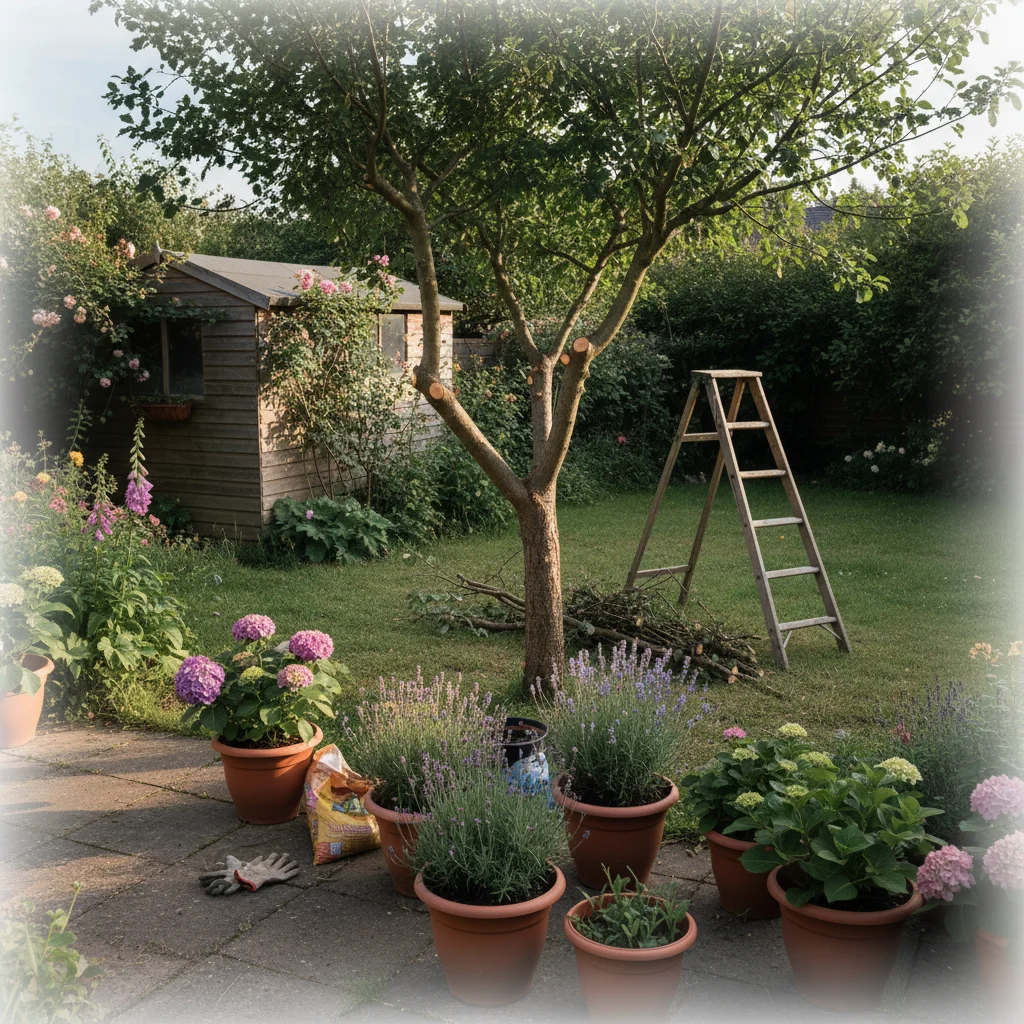
Tree surgery is skilled work on large woody plants: pruning, dismantling, and removal, usually with climbing or a chipper. It is not the same as a gardener with loppers on a shrub.
Trees are the undisputed heavyweights of the British garden. They provide the structural backbone of our outdoor spaces, offering shade in the summer, shelter for nesting birds, and a sense of permanence that smaller shrubs simply cannot match. However, owning a large tree comes with a significant responsibility that goes beyond simple seasonal tidy-ups.
Managing these living giants requires a blend of horticultural knowledge and physical skill. Whether you are looking out at an overgrown oak or a leaning silver birch, understanding the difference between routine maintenance and emergency intervention is vital. Making the wrong move can not only damage the health of the tree but can also lead to legal complications or safety risks for your home.
In my years as a head gardener, I have seen many homeowners struggle to decide when to pick up the loppers and when to pick up the phone. Tree work is rarely about a single cut; it is about the long-term health of the specimen and the safety of the environment around it. By understanding the core principles of tree surgery, you can make informed decisions that benefit both your garden and the wider local ecosystem.
The role of professional tree surgery
Tree surgery is a broad term that encompasses the skilled maintenance and repair of trees. It is often a more technical discipline than general gardening because it involves working at height and managing heavy weights. A qualified tree surgeon, or arborist, understands the biological response of a tree to every cut made, ensuring the plant can heal effectively without succumbing to decay.
A surgeon’s work is often preventative. We look for structural weaknesses, such as tight V-shaped unions in the branches or signs of fungal fruiting bodies at the base. By identifying these issues early, a surgeon can often save a tree that might otherwise have to be removed. This proactive approach helps maintain the "amenity value" of your property, keeping the landscape beautiful and functional.
Sustainability is also at the heart of modern tree surgery. When a professional works on your trees, they aren't just creating green waste; they are managing a carbon-storing asset. Many surgeons will now discuss how to repurpose the arisings, perhaps by creating a "dead hedge" for wildlife or processing the wood into mulch to improve your soil’s organic matter.
Understanding the different types of pruning
Pruning is the most common form of tree work, but it is far more nuanced than simply shortening branches. The goal is usually to improve the tree's structure, allow more light into the garden, or remove deadwood that could fall during a storm. Different species require different approaches, and the timing of these cuts is often dictated by the tree’s dormant period.
Crown thinning is a popular technique where a percentage of the smaller, secondary branches are removed from throughout the canopy. This doesn't change the overall size or shape of the tree, but it reduces the "sail area," allowing wind to pass through more easily. It also lets more dappled sunlight reach the plants growing beneath the canopy, which is essential for healthy lawn growth or woodland underplanting.
Crown lifting involves removing the lowest branches to increase the vertical clearance between the ground and the canopy. This is particularly useful if a tree is overhanging a footpath or if you want to create a better view through the garden. By lifting the crown, you can reclaim space for seating or flower beds without sacrificing the majestic presence of the tree itself.
Crown reduction is a more significant intervention where the overall height and spread of the tree are reduced. This is usually done to make a tree more suited to a confined space or to reduce the mechanical stress on specific limbs. It is a delicate task, as cutting back too hard can lead to "water sprouts"—thin, weak shoots that grow rapidly and ruin the natural form of the species.
When tree removal becomes the best option
While we always aim to preserve trees whenever possible, there are times when felling is the only responsible course of action. This is usually a last resort, triggered by concerns over safety or the health of the surrounding landscape. If a tree has become structurally unstable or is suffering from a terminal disease, leaving it in place can pose a significant risk to people and property.
Disease is a major factor in tree removal across the UK today. Issues like ash dieback or honey fungus can weaken a tree to the point where it becomes a liability. In these cases, a professional will assess whether the tree can be managed through pruning or if the infection is so advanced that removal is necessary to prevent the spread to other healthy specimens in your garden.
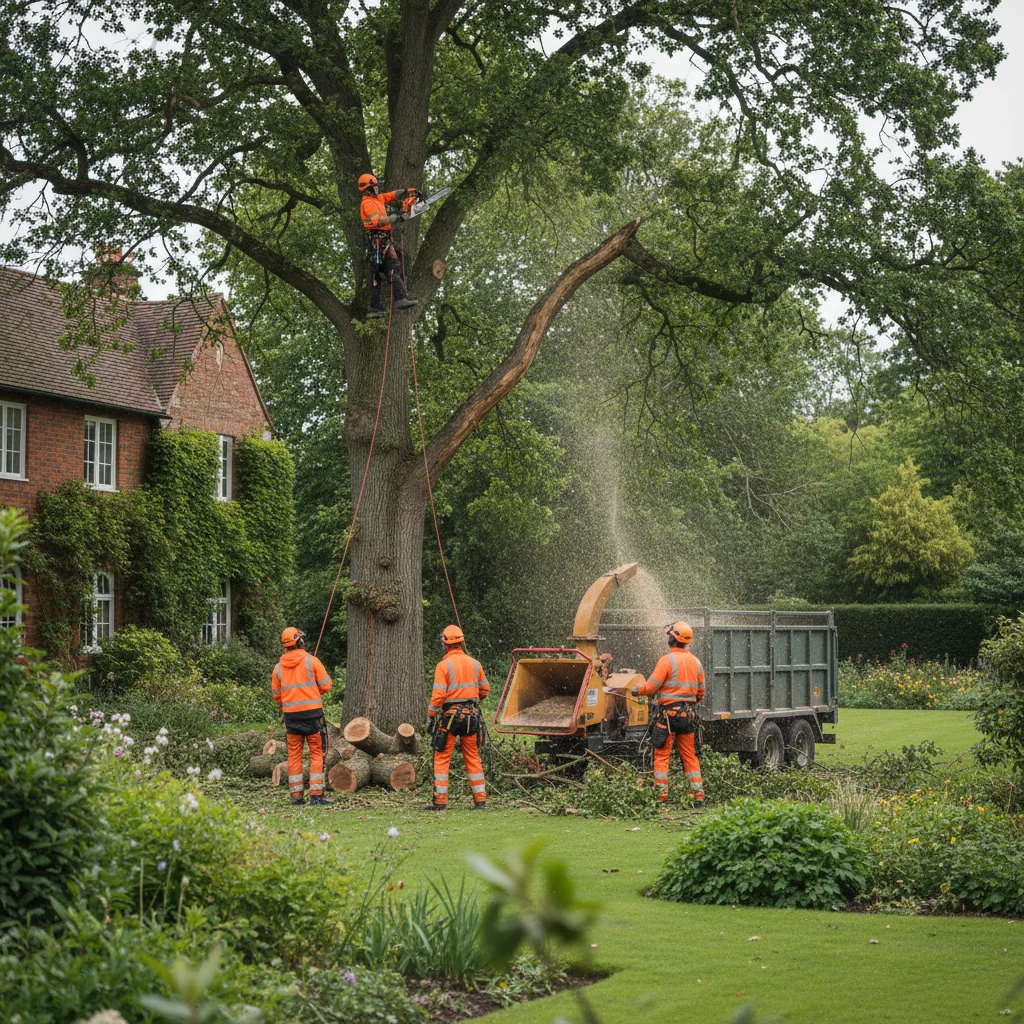
The process of removal in a domestic setting is often complex. Unlike felling a tree in an open forest, garden removals usually require "sectional felling." This involves a climber taking the tree down piece by piece, using ropes and lowering devices to ensure that heavy timber doesn't crash onto fences, sheds, or prize-winning flower borders. It is a highly skilled operation that requires precision and experience.
Space constraints and future planning also play a role. Sometimes, a tree was planted in the wrong place decades ago, and its roots are now encroaching on a house's foundations or lifting a driveway. In these instances, removing the tree and replacing it with a more suitable species for the location is often the most sustainable long-term solution for the garden's health.
Signs your tree needs professional attention
It can be difficult to know exactly when a tree has moved from "naturally rustic" to "potentially dangerous." While some signs are obvious, others require a more trained eye to spot. Regular observation of your trees through the seasons will help you notice changes that might indicate a problem.
- Large dead branches within the canopy that have lost their bark or have no leaves in summer.
- Fungal growths or "brackets" appearing on the trunk or around the visible root flare.
- Deep cracks or splits in the main trunk or where major limbs join the tree.
- A sudden lean that wasn't there before, or disturbed soil at the base of the tree.
- Significant dieback at the very tips of the branches, often a sign of root stress.
If you notice any of these symptoms, it is worth seeking professional advice. Most reputable tree surgeons will offer a site visit to assess the health of your trees. Early intervention is almost always cheaper and more effective than waiting for a limb to fail during a winter gale.
Navigating legal protections and permissions
Before you start any significant tree work, you must be aware of the legal protections that might apply to your property. In the UK, many trees are protected by Tree Preservation Orders (TPOs). These orders make it a criminal offence to cut down, top, lop, or wilfully damage a tree without the express written consent of the local planning authority.
Even if your trees aren't covered by a specific TPO, you might live in a Conservation Area. In these zones, you are required to give the local council six weeks' notice before carrying out any work on trees over a certain size. This gives the authorities time to decide if the tree should be protected by a new TPO. Working without these permissions can lead to substantial fines and a requirement to plant replacement trees.
It is always the homeowner's responsibility to check these details, though a good tree surgeon will often help with the application process. You can usually find this information on your local council's website through their planning portal. Never assume that because a tree is in your private garden, you have an absolute right to remove it; always verify the legal status first.
Why safety must always come first
Tree work is consistently ranked as one of the most dangerous professions. Working with chainsaws at height involves significant risks that should never be underestimated. While it might be tempting to tackle a small branch from a ladder, the unpredictability of wood under tension can lead to serious accidents.
A professional tree surgeon has the correct PPE (Personal Protective Equipment), including chainsaw trousers, helmets, and eye protection. More importantly, they have the training to understand how a branch will react when the tension is released. They use specialised climbing harnesses and ropes to remain secure while they work, ensuring that both they and the structures below remain safe throughout the process.
Beyond personal safety, there is the risk of property damage. A falling limb can easily crush a roof or take out a power line. Professionals carry Public Liability Insurance, which provides peace of mind for the homeowner. If you hire someone without this insurance and something goes wrong, you could be left with a very expensive repair bill and no recourse.
Finding a qualified professional for the job
When looking for someone to care for your trees, it is important to distinguish between a general "man with a van" and a qualified arborist. Tree surgery requires specific certifications, often referred to as NPTC (National Proficiency Tests Council) units. These qualifications ensure that the operator has been assessed on their ability to use equipment safely and carry out specific tasks correctly.
A good professional will be happy to provide evidence of their qualifications and insurance. They should also be able to explain their recommendations in line with the British Standard for tree work (BS3998). This standard sets out the best practices for pruning and maintenance to ensure the long-term health of the tree and the safety of the public.
I always recommend getting a few different quotes for any major work. This isn't just about finding the best price; it's about hearing different perspectives on how the tree should be managed. A surgeon who suggests "topping" a tree (cutting the main vertical stem) should generally be avoided, as this is a dated practice that often leads to rot and unstable regrowth.
Managing your garden for the long term
Once the heavy work is done, the focus shifts back to the long-term health of your garden. If a tree has been removed, think carefully about what to plant in its place. Selecting a species that is well-suited to your soil type and the eventual space available will prevent the same issues from recurring in twenty years' time.
If you have had pruning work done, remember that the tree will need time to recover. Avoid compacting the soil around the roots with heavy machinery or building projects shortly after major surgery. Applying a layer of well-rotted organic mulch around the base of the tree (keeping it away from the trunk itself) can help retain moisture and provide the nutrients the tree needs to seal its wounds and produce new growth.
By taking a thoughtful, professional approach to tree care, you are protecting one of the most valuable assets in your garden. Whether it’s through careful pruning to let in the light or the necessary removal of a hazardous stem, proactive management ensures your outdoor space remains a safe, beautiful, and sustainable environment for years to come. If you are ever in doubt about the health of a tree, the best step is to consult an expert who can help you plan the right way forward.
Frequently asked questions
Gardener or tree surgeon?
Shrubs and small ornamentals: gardener. Large trees, hanging branches, or anything near the house or power lines: a qualified tree surgeon with insurance and, ideally, NPTC tickets.
Do I need permission to fell a tree?
Check for Tree Preservation Orders and conservation areas. Felling without consent can be expensive. A decent surgeon will flag this before they start.
What should a tree work quote include?
The work, waste (chipping vs logs left), stump grinding if wanted, and access. Day-rate with no specification is hard to compare.