Garden pond design is liner, shelves, and how you keep the water clear — not just a hole with a fountain. Wildlife ponds and formal features need different builds and different maintenance.
There is a unique quality that water brings to a garden which no other element can replicate. Whether it is the gentle trickle of a stone rill or the still, reflective surface of a large wildlife pond, water changes the atmosphere of an outdoor space. As a horticulturist, I have seen how a well-placed water feature can turn a standard plot into a sanctuary, providing a focal point for the eyes and a vital resource for local biodiversity.
However, a pond is more than just a hole in the ground filled with water. It is a complex, living ecosystem that requires careful planning to remain healthy and clear. Many homeowners rush into installation only to find themselves battling green water or leaking liners a few months later. By understanding the fundamentals of siting, construction, and biological balance, you can create a feature that matures beautifully over the years.
Finding the right location
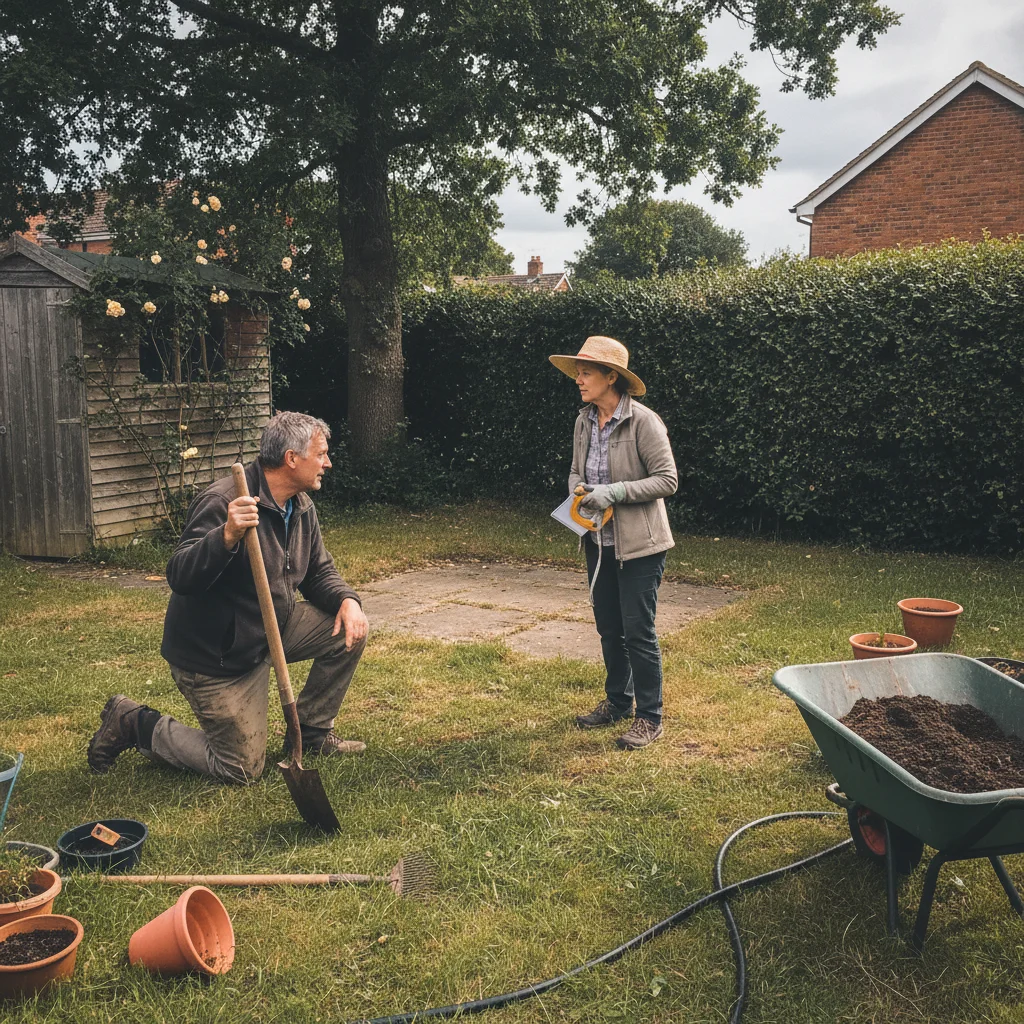
Choosing where to place your pond is the most important decision you will make. It is tempting to tuck a pond into a dark corner of the garden that isn't being used for anything else, but this is often a mistake. Most aquatic plants, particularly the spectacular Nymphaea (water lilies), require at least six hours of direct sunlight every day to bloom successfully.
Sunlight also helps the submerged oxygenating plants do their job, which is essential for keeping the water clear. However, you must strike a balance. If the pond is in a very shallow, sun-drenched spot all day, the water temperature will rise quickly in the summer, which can lead to excessive algae growth and a drop in oxygen levels.
You should also consider what is growing above the water. Avoid placing a pond directly under large deciduous trees. While they provide lovely dappled shade, the autumn leaf fall will quickly fill the pond with organic matter. As these leaves decompose, they release gases that can be harmful to fish and consume the oxygen that your pond life depends on.
Selecting the best lining material
Once you have marked out your shape, you need to decide how you will keep the water in. For small, formal features, a pre-formed plastic or fibreglass tub is a straightforward option. These are tough and come with built-in shelves for plants, but they do limit you to specific shapes and can be difficult to level perfectly during installation.
For most domestic projects, a flexible liner offers the most freedom. PVC liners are a budget-friendly entry point, but they can become brittle over time when exposed to UV light. In my experience, it is always worth investing in an EPDM (ethylene propylene diene monomer) rubber liner. It is incredibly durable, stays flexible even in our cold UK winters, and typically comes with a much longer lifespan.
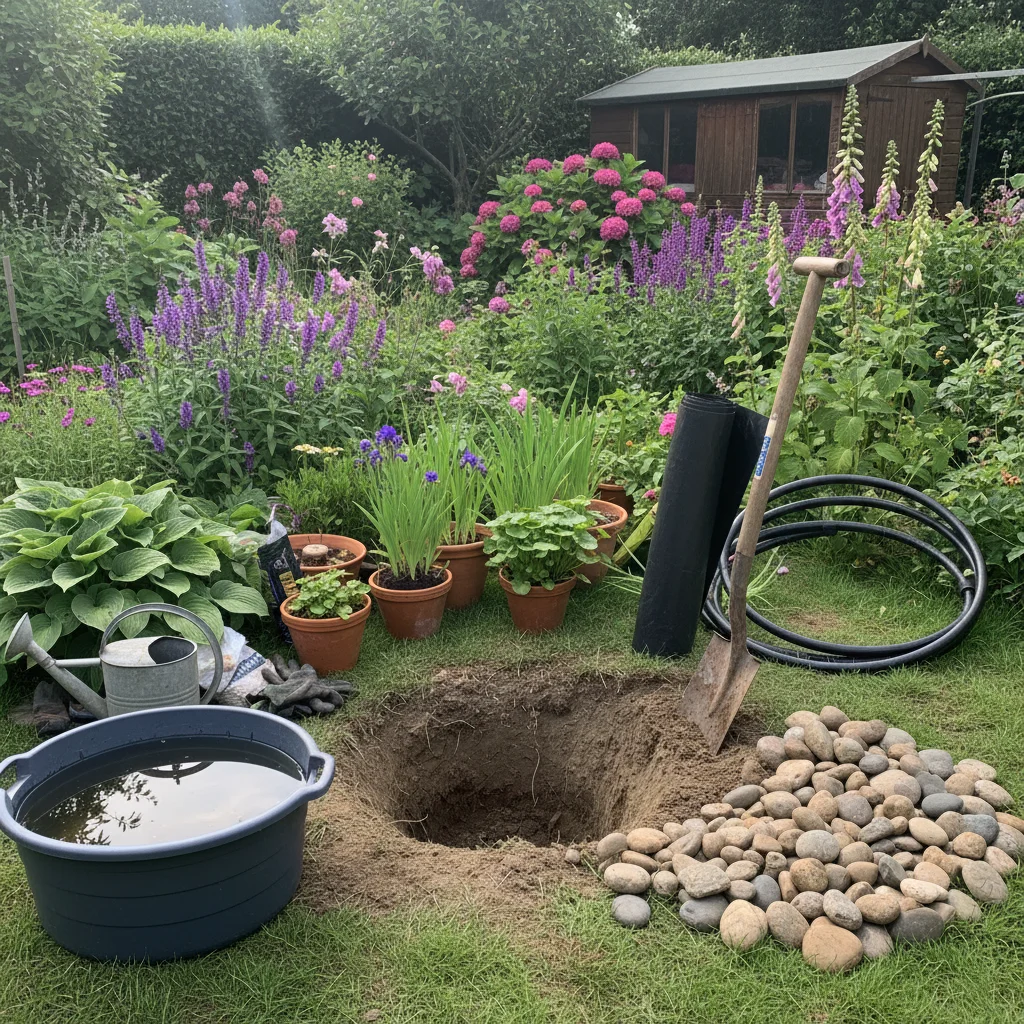
Before the liner goes in, the preparation of the ground is vital. You must remove any sharp stones or roots that could puncture the material under the weight of the water. I always recommend using a dedicated geotextile underlay. This thick, felt-like material acts as a protective cushion between the soil and the liner, ensuring your feature remains watertight for decades.
Understanding pumps and filtration
Unless you are building a dedicated wildlife pond with a very high density of plants, you will likely need a pump and filter system. A pump does more than just power a fountain; it moves water through a filter to remove physical debris and house the beneficial bacteria that break down fish waste and rotting vegetation.
There are two main types of pumps to consider. Fountain pumps are designed to push water upwards through a narrow nozzle, creating a decorative spray. Filter pumps, on the other hand, are designed to move large volumes of water containing solid particles to a filter box. If you want both a fountain and a clean pond, you can find "all-in-one" units that sit on the pond floor, though these are generally best for smaller volumes of water.
Filtration is where the science of the pond happens. A good filter uses mechanical foam to catch dirt and biological media to manage the nitrogen cycle. This is the process where harmful ammonia is converted into nitrites and then into relatively harmless nitrates. Without this biological balance, the water can quickly become toxic to any fish you might choose to keep.
Prioritising garden safety
Safety is a paramount concern, especially for families with young children or grandchildren. It takes only a few centimetres of water to pose a risk, so you must integrate safety features into your design from the very beginning. You don't have to sacrifice aesthetics to ensure your garden is a safe environment for everyone.
One of the most effective methods is to install a heavy-duty steel grid just below the surface of the water. These grids are strong enough to support the weight of a child but allow plants to grow through, eventually becoming almost invisible. Alternatively, you might consider a "pebble pool" or a bubbling water feature where the reservoir is completely hidden underground beneath a layer of decorative stones.
If you prefer an open pond, think about the profile of the edges. Instead of a steep drop-off, design your pond with a very gentle, shallow slope around the perimeter. This not only makes it safer if someone were to slip, but it also allows wildlife to get in and out easily. Fencing or dense, prickly hedging can also be used as a subtle barrier to guide foot traffic away from the water's edge.
Creating a haven for wildlife
A garden pond is arguably the single best thing you can do to support local biodiversity. Within weeks of filling a new pond, you will often find dragonflies, water boatmen, and birds visiting the site. To encourage frogs, toads, and newts, you need to provide easy access. A steep-sided pond acts as a trap; animals that fall in will struggle to climb out and may drown.
When planting for wildlife, aim for a mix of different types. Oxygenators grow entirely submerged and are the "lungs" of the pond. Floating plants, like water lilies, provide shade and cover for aquatic creatures. Marginal plants, which grow in the shallow "shelves" around the edge, offer nesting sites and perches for emerging insects.
I always advise against using tap water to fill or top up a pond if you can avoid it. Our UK tap water often contains high levels of phosphates and nitrates, which act as a fertiliser for algae. Furthermore, the chlorine and chloramines used to treat our water can be harmful to sensitive amphibians. If you can, use a water butt to collect rainwater for your pond, as this is much closer to the natural environment these creatures thrive in.
Essential tools for pond care
Maintaining a pond is not an arduous task if you have the right equipment on hand. Keeping the water clear and the equipment running smoothly requires a few specific tools that every pond owner should keep in their shed.
- A long-handled pond net: Essential for removing fallen leaves, floating weed, or the occasional bit of wind-blown litter.
- Aquatic pruning shears: These often have long handles to help you trim back yellowing lily leaves or spent flower heads without getting wet.
- A sturdy pond brush: Useful for scrubbing algae off rocks or cleaning the casing of your pump during its annual service.
- Water testing kit: To keep an eye on the pH and ammonia levels, especially if you are introducing fish to the system.
- De-icer or pond heater: Necessary for the winter months to ensure a small area of the surface stays open for gas exchange.
Seasonal maintenance routines
To keep your water feature looking its best, you should adapt your care routine to the UK seasons. In the spring, as the water warms up, it is time to check your pump and filter. Clean the foams in a bucket of pond water—never tap water, as the chlorine will kill the beneficial bacteria—and start feeding your fish once they become active.
Summer is the time for monitoring water levels and managing "blanket weed" (filamentous algae). If the weather is particularly hot, you might notice your fish gasping at the surface; this is a sign of low oxygen. You can increase oxygen levels by running a fountain or a waterfall, or by adding an air pump. Remember to top up the water using a hose with a fine spray if your rainwater stores have run dry, as this helps dissipate some of the chlorine.
As autumn approaches, your main task is to prevent organic matter from building up. You can stretch a fine net over the surface of the pond to catch falling leaves. This is also the time to cut back any overgrown marginal plants. In winter, the goal is simply to prevent the pond from freezing over completely. A floating ball or a dedicated heater will ensure that toxic gases can escape and oxygen can enter, which is vital for any hibernating life at the bottom.
Managing the biological balance
The most common complaint I hear from gardeners is that their pond has turned into "pea soup." This is caused by single-celled algae that bloom when there is an excess of nutrients and sunlight. While a UV clarifier (which uses ultraviolet light to kill the algae) is a very effective mechanical solution, the most sustainable way to manage clarity is through planting.
Aim to have about 50% of the pond surface covered by floating leaves or lilies. This shades the water and starves the algae of the light it needs to grow. Simultaneously, fast-growing oxygenating plants like Hornwort (Ceratophyllum demersum) will compete with the algae for the nutrients in the water. It is a natural race, and by providing the right conditions for your plants, you ensure they win every time.
Avoid the temptation to over-clean your pond. It is a living system, not a swimming pool. A small amount of silt at the bottom is natural and provides a habitat for various larvae. Every few years, you may need to perform a "deep clean" to remove excess sludge, but this should be done in stages to avoid shocking the ecosystem. Always leave the removed sludge on the side of the pond for 24 hours to allow any trapped creatures to crawl back into the water.
Designing and installing a water feature is one of the most rewarding projects you can undertake in your garden. By taking the time to choose the right materials, considering the needs of local wildlife, and establishing a simple maintenance routine, you create a feature that provides joy throughout the seasons. There is nothing quite like the feeling of sitting by a clear, healthy pond on a warm summer evening, watching the life that you have invited into your garden.
Frequently asked questions
Preformed pond or liner?
Preformed is simpler for a small formal shape. Flexible liner lets you create shelves for plants and is the usual choice for a wildlife pond.
Do I need a pump and filter?
Formal fish ponds usually yes. A planted wildlife pond can stay clear enough without a fountain if it is sized and planted properly.
What should I ask before hiring?
Depth, shelves, liner spec, edge treatment, and whether electricity is needed. Cheap ponds leak at the edge detail, not in the middle of the liner.