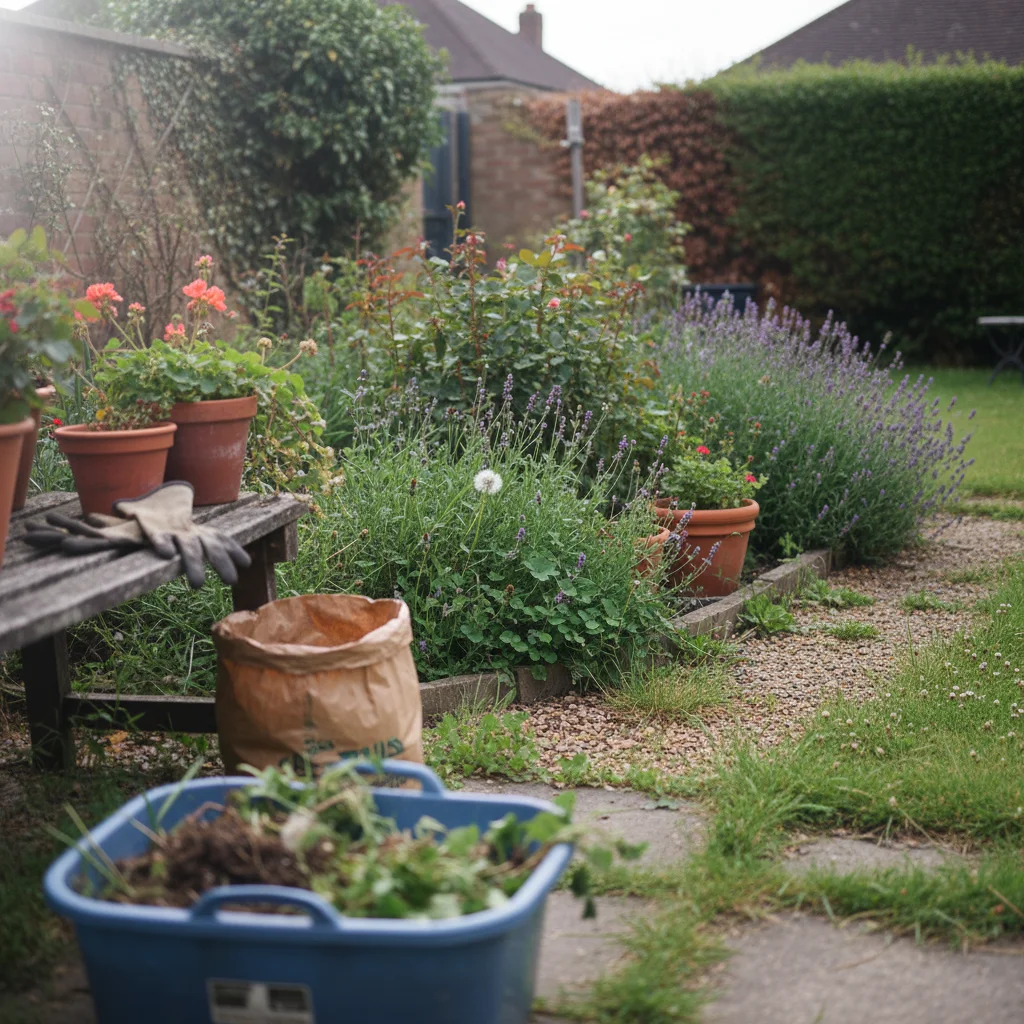
Weed control on a hired visit is usually hand weeding, hoeing, and only then a targeted herbicide if you agree to it. Persistent perennials and paving weeds are different jobs from a quick tidy.
Weeds are often described simply as plants in the wrong place, but to a gardener, they represent a constant challenge for resources. These opportunistic plants compete with your prized perennials and vegetables for light, water, and essential nutrients. If left unchecked, a small patch of groundsel or a few strands of bindweed can quickly dominate a border, stifling the growth of the plants you actually want to see.
Understanding the biology of these intruders is the first step toward effective management. In the UK, our damp, temperate climate provides the perfect breeding ground for a vast array of species, from fast-growing annuals to deep-rooted perennials. By adopting a methodical approach, we can maintain the balance of our gardens without turning the task into an exhausting weekly chore.
The goal of a good weed control strategy isn't necessarily total eradication, which is often an impossible task in a natural environment. Instead, we aim for a level of management that allows our chosen plants to thrive while supporting local biodiversity. This involves a mix of physical effort, smart planting, and the occasional targeted use of products when the situation demands it.
Understanding the two main types of weeds
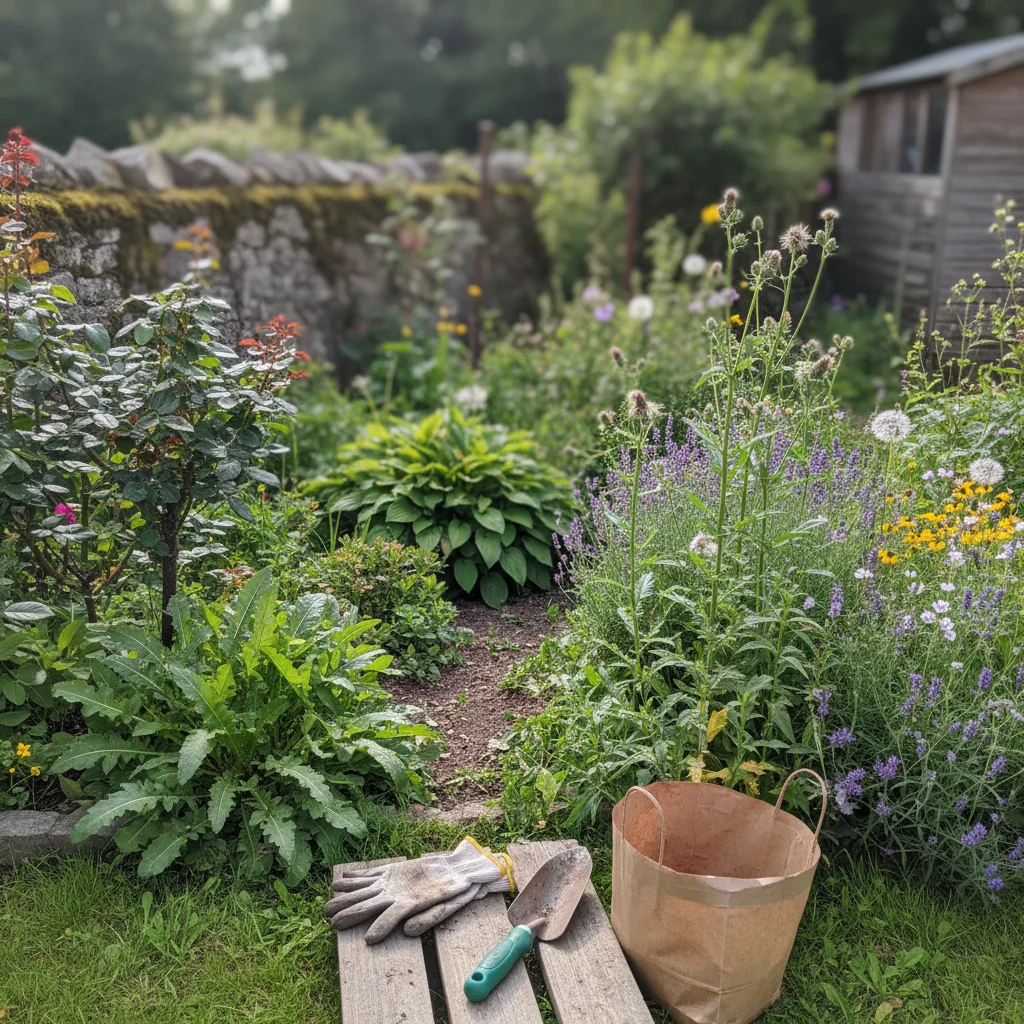
Before you reach for a tool or a spray, you must identify what you are dealing with. Annual weeds, such as chickweed or fat hen, complete their entire life cycle in a single season. They produce thousands of seeds that can lay dormant in your soil for years, waiting for the right conditions to germinate.
Perennial weeds are a more formidable opponent because they return year after year from the same root system. Plants like dandelion, couch grass, and ground elder have evolved to survive the British winter by storing energy underground. If you snap the root of a perennial weed and leave a fragment behind, many species can regenerate entirely from that single piece.
This distinction dictates your method of removal. For annuals, simply cutting off the top of the plant before it sets seed is often enough to break the cycle. For perennials, you must ensure that every inch of the root structure is removed or neutralised to prevent a swift return in the following weeks.
The principles of mechanical weed control
Mechanical control is the most traditional form of weeding and remains the cornerstone of organic gardening. It involves the physical removal or destruction of the weed using manual tools or heat. This method is highly effective for smaller gardens and is the safest option for the soil microbiome and local wildlife.
The most common mechanical technique is hand weeding or using a hand fork to lift roots. This is particularly useful in densely planted beds where you need to be precise to avoid damaging the roots of your flowers. It is always best to perform this task when the soil is moist, as the roots will slide out much more easily than they would in baked, dry summer earth.
Hoeing is another essential mechanical skill that every gardener should master. By using a sharp Dutch hoe on a dry day, you can sever the stems of young annual weeds just below the soil surface. The sun will then wither the uprooted seedlings, effectively killing them without the need for any chemical intervention or heavy digging.
Essential tools for effective weeding
Having the right equipment makes the difference between a quick tidy-up and a back-breaking afternoon. While you don't need a shed full of gadgets, a few high-quality items will handle almost any situation the UK climate throws at you. Investing in stainless steel tools is often wise as they resist rust and slide through heavy clay soil with less resistance.
- A sharp Dutch hoe for slicing through annual weeds in open soil.
- A long-handled daisy grubber or dandelion puller for extracting taproots from lawns.
- A sturdy hand fork for lifting perennial roots in borders.
- A heavy-duty oscillating hoe for clearing larger vegetable patches.
- A weeding knife or "hori hori" for clearing cracks in paving and patios.
Using these tools correctly also protects your soil structure. We try to avoid unnecessary digging, as turning the soil can bring buried weed seeds to the surface where they are exposed to light and begin to grow. Precision tools allow you to target the intruder while leaving the surrounding soil and its beneficial fungi undisturbed.
The role of chemical weed control
Chemical control involves the use of herbicides to kill or inhibit the growth of unwanted plants. While many modern gardeners prefer to avoid them, they can be a practical tool for managing large areas or particularly invasive species that resist mechanical removal. In the UK, the use of these products is strictly regulated to ensure they are safe for the user and the environment.
There are two primary types of herbicides available to the home gardener: contact and systemic. Contact weedkillers only affect the parts of the plant they touch, making them ideal for annuals. Systemic products are absorbed by the leaves and transported down to the roots, which is often necessary for killing stubborn perennials like brambles or nettles.
When using any chemical product, you must read the label thoroughly and follow the instructions exactly. This is not just a suggestion; it is a legal requirement under UK law. The label will provide vital information on dilution rates, application methods, and the specific weather conditions required for the product to work effectively and safely.
Environmental awareness and safe application
The health of our garden ecosystem depends on how we manage our interventions. Many common "weeds" are actually vital food sources for pollinators. For example, dandelions provide an early source of nectar for bees in spring, while nettles are the primary food plant for several species of butterfly larvae.
If you do choose to use a weedkiller, timing is everything. Avoid spraying on windy days to prevent "drift," which is when the product blows onto your prized roses or over the fence into a neighbour's garden. You should also avoid application if rain is forecast within six hours, as the chemicals can wash off the leaves and enter the groundwater or local watercourses.
We also encourage a "spot treatment" approach rather than blanket spraying. By targeting only the specific weed you wish to remove, you reduce the total amount of product used and minimise the impact on non-target plants and soil health. This methodical approach is better for your wallet and much kinder to the local environment.
Managing weeds in garden beds and borders
The best way to control weeds in your flower beds is to never give them the chance to establish. This is achieved through a combination of close planting and mulching. When you leave large areas of bare soil, nature will inevitably try to fill that gap with whatever seeds are blowing in the wind.
Mulching is perhaps the most effective preventative measure available. By applying a 5cm to 7cm layer of organic matter, such as peat-free compost or bark chippings, you block the light that weed seeds need to germinate. As a bonus, this layer helps retain moisture in the soil and gradually improves the soil structure as it breaks down over time.
In established borders, we use the "no-dig" principle where possible. Instead of digging over the soil every spring, which wakes up the weed seed bank, simply mulch over any small weeds. For larger perennials, use a hand fork to lift them out carefully, then immediately cover the area with mulch to prevent new seeds from taking hold in the disturbed ground.
Weed control for a healthy lawn
A lawn requires a different approach because you are trying to kill broad-leaved plants while leaving the grass unharmed. The most effective long-term weed control for a lawn isn't a bottle of spray; it is a healthy, thick sward of grass. When grass is dense and well-fed, there is simply no room for weeds like moss or clover to establish themselves.
Mowing height plays a significant role in this battle. Many UK gardeners cut their grass too short, which weakens the plants and allows light to reach the soil surface. By keeping your mower blades at a height of around 4cm to 5cm, the grass can shade out many potential weed seedlings and develop a deeper, more resilient root system.
If weeds do appear, selective herbicides can be used. These products are designed to target the physiology of broad-leaved plants without affecting the narrow-leaved grasses. However, we always recommend checking your soil pH and compaction levels first. Moss, for instance, is often a symptom of poor drainage or acidic soil rather than a problem that can be solved permanently with chemicals alone.
When to hire a professional gardening service
While many weeding tasks are manageable for the average homeowner, there are times when calling in a professional is the most sensible and cost-effective route. Professional gardeners have the experience to identify specific species quickly and the knowledge to apply the most effective treatment at the right time in the plant's life cycle.
| Situation | Why hire a professional? |
|---|---|
| Invasive Species | Plants like Japanese Knotweed require specialist handling and legal disposal. |
| Large Scale | Clearing an overgrown or neglected plot can be physically overwhelming. |
| Specialist Equipment | Pros have access to professional-grade machinery and application tools. |
| Long-term Planning | A gardener can create a seasonal maintenance schedule to prevent regrowth. |
Hiring a professional is also a wise move if you are unsure about the safe use of chemicals. They hold the necessary certifications (such as PA1 and PA6) to apply professional-grade products that are not available to the general public. This ensures that the job is done effectively while strictly adhering to UK environmental and safety regulations.
Signs you need professional weed management
It can be difficult to know when a garden has moved beyond the point of simple weekend maintenance. If you find yourself pulling the same weeds every single week with no sign of progress, it usually indicates that the root systems are well-established or the soil seed bank is heavily infested.
- You are dealing with woody invasive species like brambles or scrub.
- Weeds are spreading from a neighbouring property or wasteland.
- You have physical limitations that make bending and digging difficult.
- The garden is too large to manage alongside your work and family life.
- You want to renovate a lawn that is more than 50% weeds or moss.
A professional gardener doesn't just remove the weeds; they look at the underlying causes. They might suggest improving your drainage, adjusting your soil fertility, or changing your planting scheme to ensure that once the weeds are gone, they stay gone. This holistic approach saves you time and frustration in the long run.
Maintaining a weed-free garden is a journey rather than a destination. By combining the right mechanical tools with a sensible approach to products and a bit of professional help when needed, you can ensure your outdoor space remains a place of beauty and relaxation. If you feel like the weeds are winning the battle in your garden, reaching out to a local expert can help you reclaim your borders and enjoy your lawn once again.
Frequently asked questions
Will a gardener use weedkiller?
Only if you ask them to and it is appropriate. Many maintenance rounds are organic: hoe, hand pull, mulch. Systemic herbicide is for specific perennials, not a weekly spray.
How do I stop weeds coming back?
Mulch, closer planting, and removing roots — not just tops. Annuals are easy. Bindweed and ground elder are a season-or-more project.
Patio weeds vs border weeds?
Patio weeds need joints scraping, sometimes kiln-dried sand or polymeric grout, and less organic debris. Border weeds need soil and planting changes.