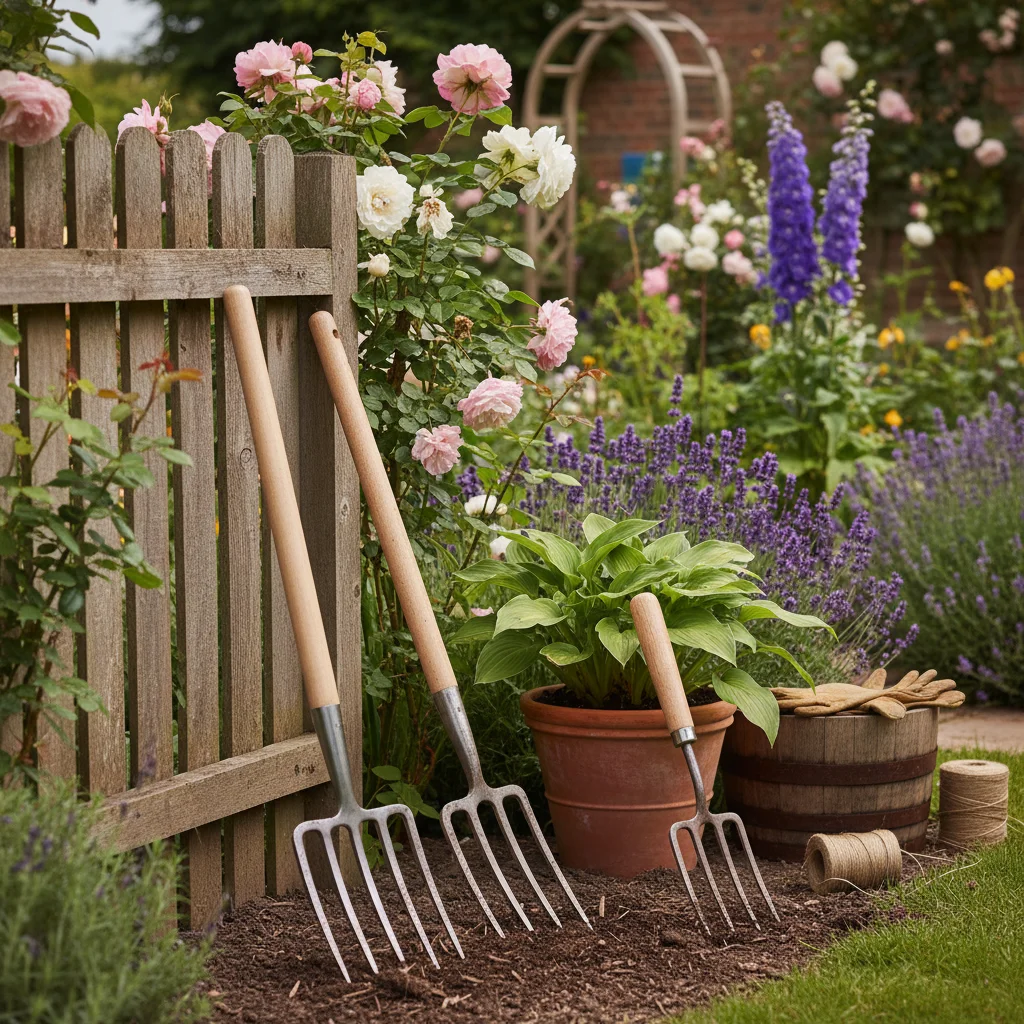
Choosing the right garden fork can be the difference between back-breaking labour and enjoyable gardening. As a former head gardener, I’ve spent countless hours turning soil, and I know firsthand how a good fork can save you time and energy. In this guide, I'll share my recommendations for the best garden forks for different soil types found across the UK, focusing on durability and ease of use so you can spend less time struggling and more time growing.
Understanding Your Soil
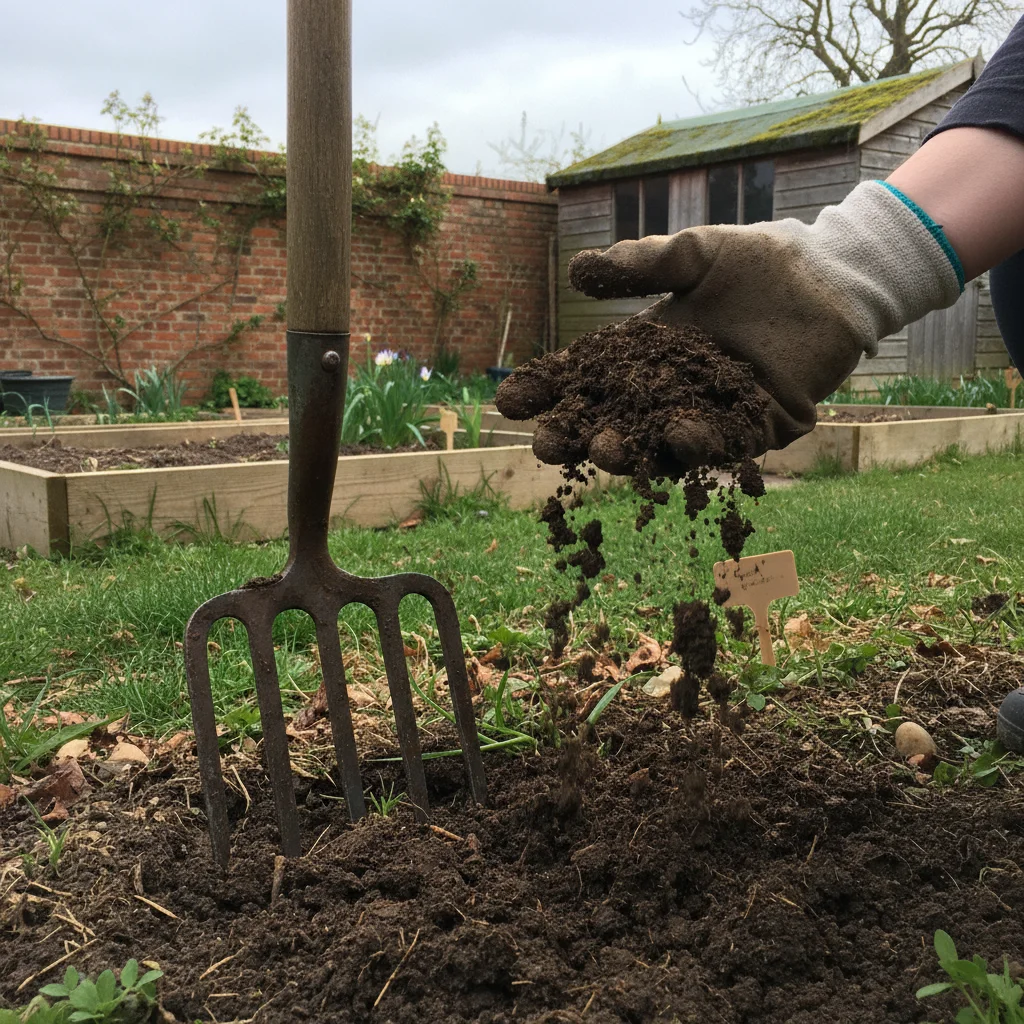
Before we dive into specific fork recommendations, it's crucial to understand your soil type. UK gardens boast a wide range, from heavy clay to light, sandy soils. Knowing your soil will help you choose a fork that's up to the task.
- Clay soil: This type is dense, holds water well, and can be nutrient-rich, but it's also prone to compaction and can be difficult to dig.
- Sandy soil: Sandy soil drains quickly, is easy to dig, but doesn't retain nutrients well.
- Loamy soil: Loam is the ideal balance of sand, silt, and clay. It drains well, retains moisture, and is rich in nutrients.
- Chalky soil: Alkaline, stony and drains freely. Can suffer from nutrient deficiencies.
- Peaty soil: Dark, acidic, and rich in organic matter. Can be waterlogged. Peat extraction is environmentally damaging, so avoid buying peat-based composts and soil improvers.
If you're unsure, a simple soil test kit can give you a more accurate assessment of your soil type and pH level. pH refers to how acidic or alkaline your soil is, which affects nutrient availability.
Forks for Heavy Clay Soil
Clay soil presents a real challenge. The best forks for this tough terrain need to be incredibly strong and designed to penetrate dense clumps.
- Spear & Jackson Select Stainless Steel Digging Fork: This fork is a solid all-rounder, with a stainless steel head that resists rust and a comfortable handle. The tines are strong enough to break up clay clods.
- Fiskars Solid Digging Fork: Known for their durability, Fiskars forks are built to last. The boron steel head and ergonomic handle make digging in clay a little less strenuous.
When working with clay, remember to avoid digging when the soil is waterlogged, as this can further compact it. Adding organic matter like well-rotted manure or garden compost will improve drainage and make digging easier in the long run. Compost improves soil structure and fertility, feeding your plants and beneficial soil microbes.
Forks for Sandy Soil
Sandy soils are much easier to dig, but you still need a reliable fork for turning compost and incorporating organic matter. A lighter fork will often suffice.
- DeWit Dutch Hand Fork: This hand-forged fork is a joy to use. It's lightweight yet strong, making it perfect for smaller tasks and turning soil in raised beds or containers. It is a high quality fork which will last for years.
- Kent & Stowe Stainless Steel Hand Fork: A good, reliable option for smaller gardens and tasks. The stainless steel resists rust, and the handle is comfortable to grip.
Sandy soil benefits greatly from the addition of organic matter to improve water retention. Consider adding compost, leaf mould, or well-rotted manure.
Forks for Loamy Soil
If you're lucky enough to have loamy soil, most garden forks will work well. However, a quality fork will still make a difference.
- Bulldog Premier Digging Fork: This is a classic choice for good reason. It's strong, durable, and well-balanced, making it a pleasure to use in loamy soil.
- Sneeboer Border Fork: These are investment pieces. Hand-forged in Holland, Sneeboer tools are renowned for their quality and craftsmanship. A Sneeboer border fork is perfect for turning soil, incorporating compost, and planting.
Even with loamy soil, regular additions of organic matter will maintain its fertility and structure.
Durability and Materials
The material and construction of a garden fork play a significant role in its durability.
- Stainless steel: Rust-resistant and relatively lightweight. A good choice for most gardeners.
- Carbon steel: Stronger than stainless steel but can rust if not properly cared for.
- Boron steel: Extremely strong and durable, ideal for heavy clay soils.
- Handles: Look for handles made from ash or fiberglass for strength and comfort.
Consider the weight of the fork as well. A heavier fork can be more tiring to use, especially for extended periods.
Ease of Use: Ergonomics and Design
A comfortable and ergonomic design can make all the difference, especially if you have back problems or other physical limitations.
- Handle length: Choose a handle length that suits your height to avoid bending over too much.
- Handle shape: Look for a handle that fits comfortably in your hand and provides a good grip. "D" handles allow for a secure two-handed grip.
- Weight distribution: A well-balanced fork will be easier to control and less tiring to use.
Maintaining Your Garden Fork
Proper maintenance will prolong the life of your garden fork. Here's how to keep it in top condition:
- Clean after each use: Remove soil and debris with a hose or brush.
- Dry thoroughly: Wipe down the fork with a cloth to prevent rust.
- Sharpen the tines: Use a file to sharpen the tines regularly for easier digging.
- Store properly: Store your fork in a dry place, away from direct sunlight and moisture.
- Oil wooden handles: Treat wooden handles with linseed oil to prevent them from drying out and cracking.
Beyond Digging: Other Uses for a Garden Fork
While primarily used for digging and turning soil, a garden fork has other valuable uses:
- Aerating lawns: Use the fork to create small holes in the lawn to improve drainage and air circulation.
- Moving compost: A fork is ideal for turning and moving compost in your compost heap.
- Lifting root vegetables: Carefully lift potatoes, carrots, and other root vegetables without damaging them.
- Breaking up compacted soil: Use the fork to loosen compacted soil around plants.
Investing in the right garden fork for your soil type will not only save you time and effort but also make gardening a more enjoyable experience. Choose wisely, take care of your tool, and you'll be rewarded with healthier soil and a thriving garden. Now that you know what to look for, why not browse some of the recommended forks and get ready to dig into spring?