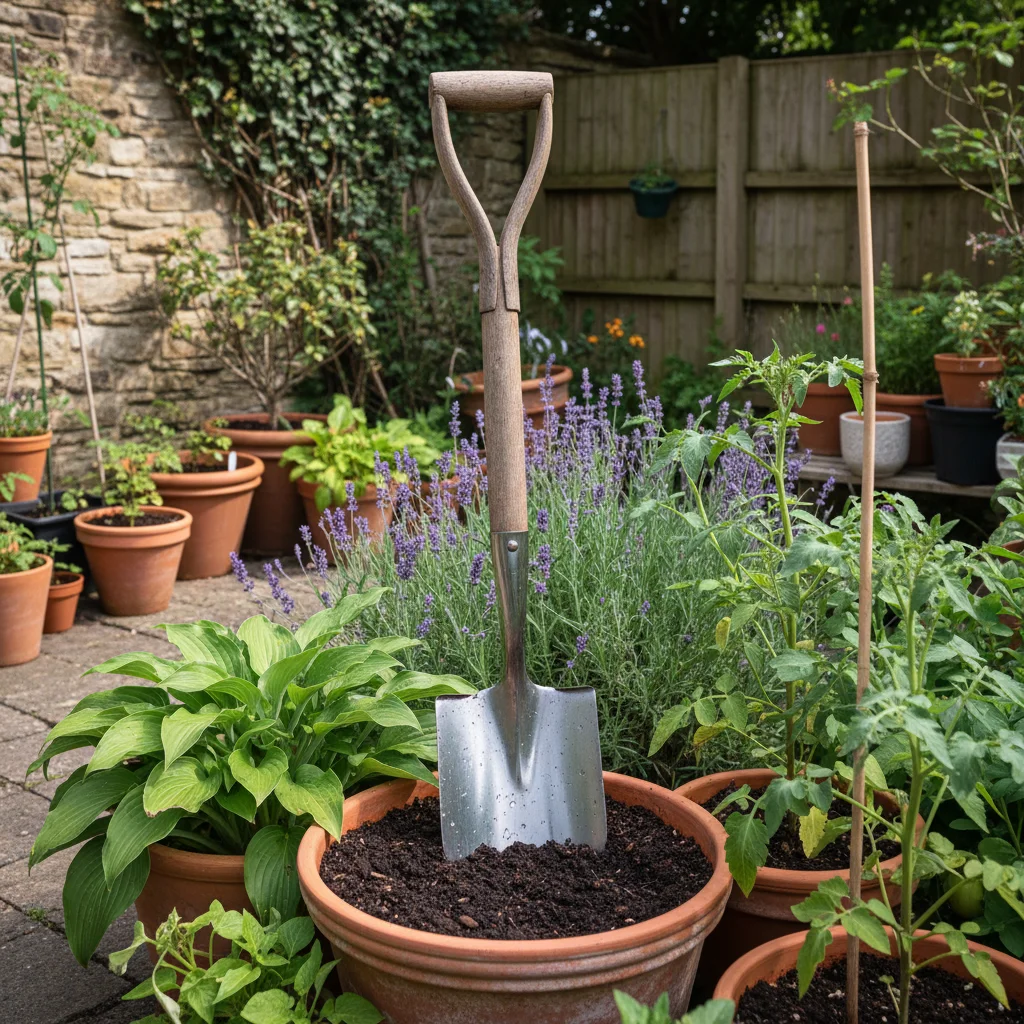
There is a specific, tactile joy in finding a tool that feels like an extension of your own arm. In my years as a head gardener, I have seen many enthusiastic beginners struggle through heavy clay with a spade far too small, or attempt delicate border work with a heavy-duty digging tool that crushes more than it creates. Choosing the right spade is not just about getting the job done; it is about protecting your posture and respecting the structure of your soil.
A good spade is arguably the most important investment you will make for your garden. While a trowel handles the surface work, the spade is what allows you to engage with the deeper health of your plot. Whether you are incorporating well-rotted organic matter or preparing a new trench for your runner beans, the right tool makes the labour feel less like a chore and more like a craft.
In the UK, we deal with a vast variety of soil conditions, from the flinty chalk of the South Downs to the heavy, sticky clays of the Midlands. One spade does not fit all. By understanding the nuances of blade shape, material, and handle ergonomics, you can find a tool that will not only last a lifetime but will also make your time in the garden significantly more productive and enjoyable.
The Workhorse Digging Spade
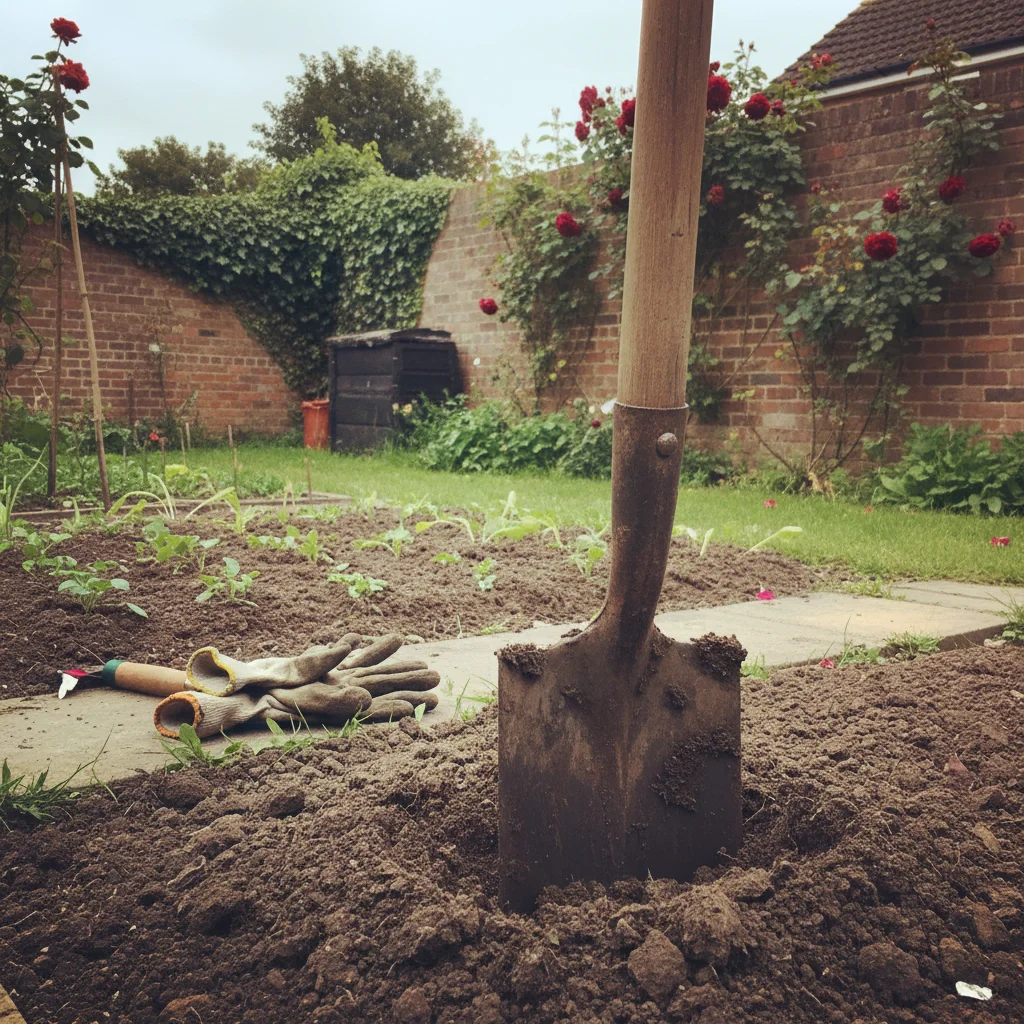
The standard digging spade is the foundation of any tool shed. It typically features a large, rectangular blade designed to move significant volumes of earth. If you are starting a new vegetable patch or turning over a large area of soil in the autumn, this is the tool you will reach for most often.
When selecting a digging spade, pay close attention to the "treads" on the top of the blade. These are the small flat areas where you place your foot to apply pressure. Without good treads, you risk slipping, which can lead to bruised arches or damaged boots. A wide, comfortable tread allows you to use your body weight effectively, which is essential when breaking through a stubborn crust of soil.
The weight of a digging spade is a delicate balance. It needs enough heft to drive into the ground with minimal effort, but it should not be so heavy that it fatigues your shoulders after twenty minutes of work. I generally prefer a tool that feels substantial but balanced, with the weight centred toward the blade rather than the handle.
Navigating Tight Spaces with a Border Spade
While the digging spade excels in open ground, the border spade is its more agile cousin. It is smaller and lighter, designed specifically for working in established flower beds where space is at a premium. If you have a smaller garden or prefer a lighter tool, the border spade often becomes the primary choice.
The narrower blade of a border spade allows you to lift and divide perennials without disturbing the root systems of neighbouring plants. It is also the ideal tool for digging planting holes for shrubs and roses in a crowded border. Because it is shorter than a digging spade, it offers greater control for precision work, though it provides less leverage for heavy lifting.
I often recommend border spades for gardeners who may find the weight of a traditional spade a bit much. It is better to use a smaller tool effectively than to struggle with a larger one. In a well-designed garden, you will often find yourself switching between the two depending on the task at hand.
Understanding Blade Materials and Construction
The material of your spade blade dictates how much maintenance it requires and how easily it slices through the earth. Most high-quality spades today are made from either stainless steel or forged carbon steel. Each has its own distinct advantages depending on your gardening style and soil type.
Stainless steel is a favourite for many because it is virtually rust-proof and highly resistant to soil sticking. If you have heavy, wet clay, a stainless steel blade will slide through the ground with much less friction than carbon steel. It stays shiny and clean with minimal effort, making it a great choice for those who want a low-maintenance tool.
Carbon steel, on the other hand, is often stronger and can be sharpened to a finer edge. While it can rust if left damp, it is incredibly durable and often preferred by professional gardeners for its "spring" and toughness. Many traditionalists enjoy the process of oiling their carbon steel tools at the end of the season, a ritual that helps the tool last for decades.
| Feature | Stainless Steel | Carbon Steel |
|---|---|---|
| Rust Resistance | Excellent | Requires oiling |
| Soil Adhesion | Very Low | Moderate |
| Strength | Good | Excellent |
| Maintenance | Low | High |
| Sharpness | Moderate | Can be very sharp |
Handle Ergonomics and Grip
The handle, or shaft, of your spade is where the physics of gardening happens. Traditionally, these were made from ash wood, which is still an excellent choice today. Ash has a natural flexibility that absorbs the shock of the blade hitting a stone, protecting your wrists and elbows from repetitive strain.
When choosing a wooden handle, look for a straight grain that runs the full length of the shaft. Any knots or cross-grained sections are potential weak points where the handle might snap under pressure. Many modern spades now use fibreglass or tubular steel for the shaft, which can be lighter and more durable, though they lack the natural "feel" of wood.
The grip at the top of the handle usually comes in two styles: the "D" handle and the "T" handle. The D-handle is the most common in the UK and provides a secure, comfortable grip for most hands. The T-handle is often preferred by those with larger hands or those who like to wrap their fingers over the top for extra downward pressure.
Choosing the Right Spade for Your Soil
Your soil type should be the primary factor in your decision. If you are blessed with light, sandy loam, almost any spade will perform well. However, if your garden sits on heavy clay or stony ground, you need a tool that can handle the resistance without bending or breaking.
For heavy clay, a sharp, narrow blade is often more effective than a wide one. It reduces the surface area that the clay can stick to, making each spit of soil easier to lift. You might also consider a "trenching spade" or a "drainage spade," which has a long, narrow blade designed for deep penetration with minimal resistance.
If your soil is particularly stony, look for a spade with a forged blade rather than one that is stamped from a flat sheet of metal. Forged blades are thicker and more resilient, meaning they won't "smile" or curl at the edges when they strike a buried flint or rock. A solid-strap socket, where the metal of the blade extends up the handle, also provides extra strength for prying out large stones.
Caring for Your Tools and the Environment
A high-quality spade is a sustainable choice. By buying a tool that is built to last, you reduce the waste associated with cheap, disposable alternatives that end up in a skip after one season. Look for tools with FSC-certified wooden handles, which ensures the timber has been sourced from responsibly managed forests.
Maintenance is the key to longevity. After each use, take a moment to scrape off any clinging soil with a wooden spatula or a stiff brush. If you have a carbon steel spade, wipe it down with a rag dipped in a little linseed oil to prevent rust. This simple habit keeps the blade smooth and ensures it glides into the soil the next time you use it.
Every few years, you may need to sharpen the leading edge of your spade. A simple metal file can be used to restore the bevel, making the tool much more efficient at cutting through roots and compacted ground. A sharp tool is a safe tool, as it requires less force and gives you more control over your movements.
- Clean the blade after every use to prevent rust and soil buildup.
- Store your spade in a dry shed or garage, preferably hanging up.
- Oil wooden handles once a year with linseed oil to prevent cracking.
- Sharpen the edge of the blade annually with a flat metal file.
- Check the rivets or bolts periodically to ensure the head remains secure.
Investing in the right spade is a commitment to your garden’s future and your own physical well-being. When you find that perfect match—a tool that balances weight, strength, and comfort—the work of digging becomes a rhythmic, meditative part of the gardening year. Once you have your ideal spade in hand, you can focus on the real reward: building the healthy, vibrant soil that your plants deserve.