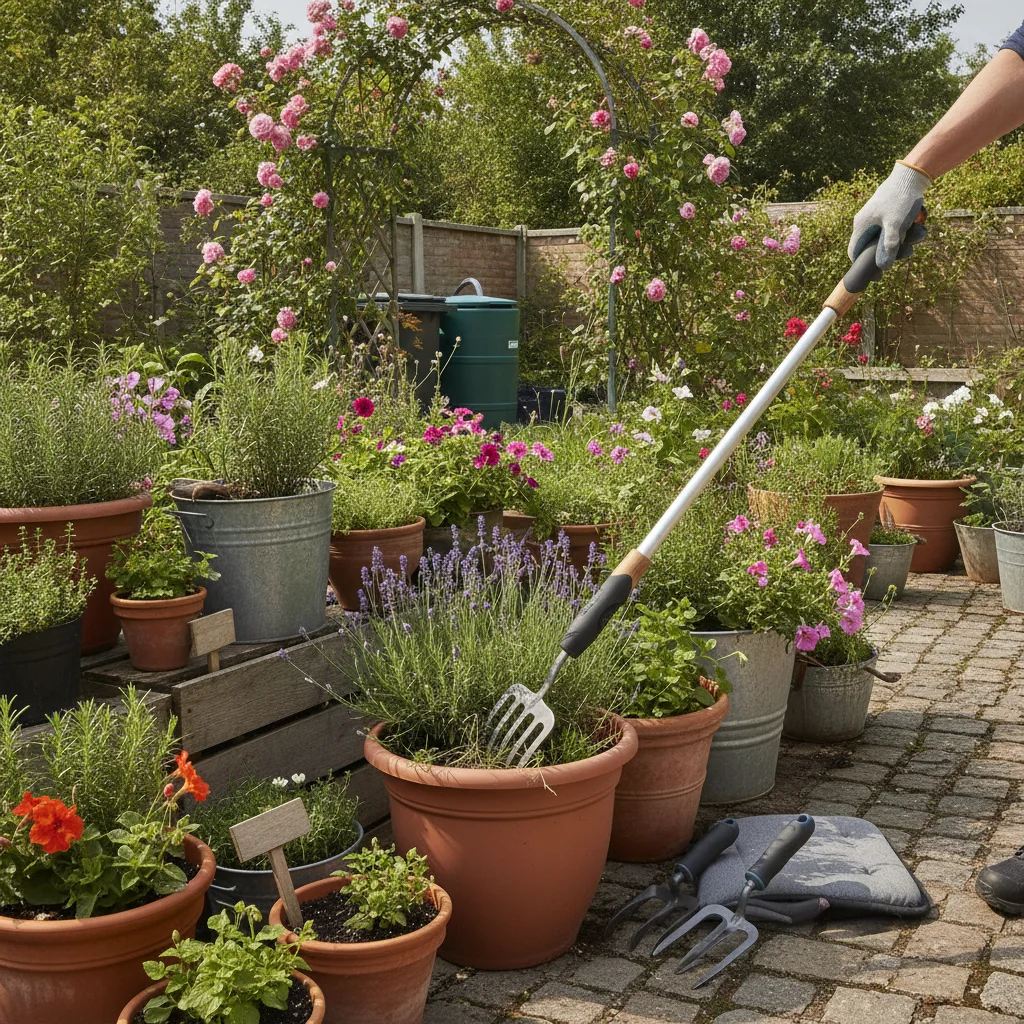
Weeding is often seen as the ultimate garden chore, a repetitive task that seems to undo itself the moment you turn your back. However, after years of managing large estates and my own vegetable patches, I have come to see weeding as a vital part of garden craft rather than a burden. It is a moment to get close to your plants, check for pests, and understand the health of your soil.
The secret to making this task manageable is not working harder, but working smarter with the right equipment. Using a blunt trowel for a deep-rooted dandelion is a recipe for frustration and a sore wrist. Conversely, using a heavy hoe in a delicate flower border can lead to accidental damage to your prized perennials. By selecting a tailored toolkit, you can clear a bed in half the time and ensure those weeds do not return.
In the UK, our damp climate and varied soil types—from heavy Sussex clay to sandy coastal pockets—mean that one tool rarely fits all. We also have to consider the "weed seed bank," which refers to the thousands of dormant seeds sitting just beneath the surface. The goal is to remove the existing weeds without churning the soil so much that you bring a fresh generation of seeds to the light.
Understanding Your Garden Weeds
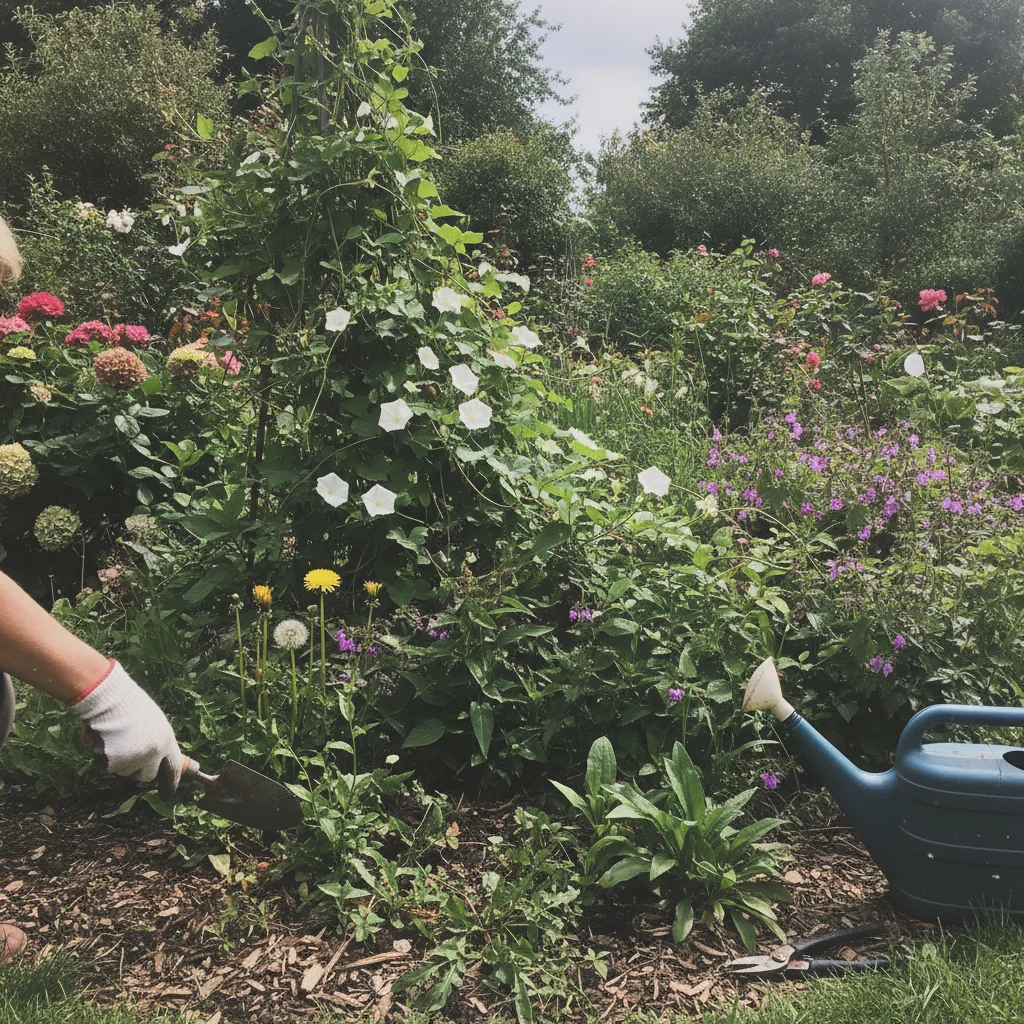
Before you reach for a tool, you must know what you are up against. Weeds generally fall into two categories: annuals and perennials. Annual weeds, like hairy bittercress or groundsel, live for a single season and spread primarily by seed. They have shallow root systems and are easily dealt with by surface hoeing on a dry day.
Perennial weeds are a different beast entirely. Plants like bindweed, ground elder, and dandelions have deep taproots or creeping rhizomes that store energy. If you leave even a small fragment of a bindweed root in the ground, it will likely regenerate into a new plant. For these, you need tools that can penetrate deep into the soil to lift the entire root system intact.
Soil moisture also plays a huge role in your choice of tool and timing. It is almost always easier to weed when the soil is moist, as the roots release their grip more readily. If you try to pull a dock weed from baked, dry summer clay, the root will almost certainly snap, leaving the crown to regrow. I always recommend weeding a day or two after a good rain or a thorough watering.
The Power of the Right Hand Tool
For close-up work in borders or raised beds, hand tools are your best allies. They allow for precision that long-handled tools simply cannot match. A standard hand trowel is a staple, but for weeding, you want something with a narrower blade. A transplanting trowel with depth markings is excellent for getting beneath the heart of a weed without disturbing the roots of neighbouring plants.
One of my personal favourites is the Japanese Hori Hori, which translates to "dig-dig." It is a serrated carbon steel knife that can slice through tough roots and dig deep into the ground. It is incredibly versatile for the sustainable gardener because it replaces several tools, reducing the amount of metal and plastic we need to buy. I use mine for everything from lifting stubborn thistles to planting out young leeks.
If you are dealing with weeds in tight spots, a hand fork is often better than a trowel. It allows you to loosen the soil around the roots without severing them. This is particularly useful for "lifting" weeds out of the ground. By gently wobbling the fork, you break the soil's seal, allowing the weed to come away in one piece.
Choosing the Best Long Handled Hoes
When you have a large vegetable patch or a long stretch of gravel, bending down becomes impractical. This is where long-handled hoes come into their own. The most common type in UK sheds is the Dutch hoe. It has a flat blade that sits parallel to the ground, designed to be pushed and pulled just under the soil surface to sever weed seedlings from their roots.
For the Dutch hoe to be effective, it must be kept sharp. A dull blade will simply bounce over the weeds or push them into the mud rather than cutting them. I keep a small whetstone in my pocket and give the blade a quick hone every twenty minutes of use. It makes a world of difference to the effort required and the cleanliness of the cut.
Another excellent option is the oscillating or "stirrup" hoe. The head moves slightly back and forth, allowing it to cut on both the push and the pull stroke. It is particularly effective on heavier soils where a standard hoe might struggle to penetrate the crust. Because the blade is thin, it creates minimal soil disturbance, which helps keep that weed seed bank buried where it belongs.
Essential Features for Your Weeding Toolkit
When you are looking to invest in new tools, quality matters more than quantity. A well-made tool should last a lifetime if cared for properly. I always look for FSC-certified ash handles, as they provide a natural shock absorption that fibreglass or metal handles lack. This is much kinder to your joints during a long afternoon in the garden.
- Forged stainless steel heads which resist rust and slide through the soil with less friction than carbon steel.
- Ergonomically shaped handles that fit comfortably in the palm to prevent blisters and hand fatigue.
- A solid tang construction where the metal of the tool head extends deep into the wooden handle.
- Long handles of at least 150cm to allow you to stand upright and protect your lower back from strain.
- A hanging hole or leather thong for easy storage in the shed, keeping the blades off the damp floor.
Beyond the handle and blade, consider the weight of the tool. While a heavy hoe might seem like it would do more work, it will quickly tire you out. A lightweight, well-balanced tool allows for a more rhythmic, "sweeping" motion. This makes the task feel less like a chore and more like a gentle workout in the fresh air.
Specialist Tools for Paving and Lawns
Not all weeds grow in the borders. Weeds in paving cracks or lawns require a different approach. For patios and driveways, a paving knife or "L-shaped" weeder is indispensable. The thin blade can hook into the narrowest gaps to pull out moss and grass that have taken hold in the sand between slabs. This prevents the roots from expanding and eventually cracking your stonework.
In the lawn, dandelions and daisies are the most common intruders. While a few wildflowers in a lawn are great for pollinators, you may want to keep your main foot traffic areas clear. A daisy grubber is a small tool with a forked end that acts as a lever. You push it into the ground at the base of the weed and use the fulcrum to pop the root out of the soil.
For those who struggle with bending, there are now excellent "stand-up" weed pullers. These tools use a claw mechanism that you trigger with your foot. You place the claws over the centre of the weed, step down, and tilt the handle to lift the weed out. They are remarkably effective for removing taproots from lawns without leaving a large hole or requiring you to get on your knees.
Why Tool Quality and Maintenance Matter
I am a firm believer in the "buy once, buy well" philosophy. Cheap tools often use inferior metals that bend under pressure or handles that snap at the first sign of a tough root. Not only is this frustrating, but it also contributes to the mountain of garden waste we see in landfills. A high-quality carbon steel or stainless steel tool is a sustainable choice that pays for itself over the years.
Maintenance is the other half of the equation. At the end of every session, I make it a habit to wipe my tools clean of soil. Wet soil trapped against metal is the primary cause of rust. Once or twice a year, usually in the quiet of winter, I rub a little linseed oil into the wooden handles to prevent them from drying out and cracking.
Sharpening is perhaps the most overlooked aspect of tool care. A sharp hoe or spade slices through soil and roots like a knife through butter. You don't need fancy equipment; a simple metal file or a medium-grit whetstone will do the job. Follow the existing bevel of the blade and work away from your body for safety. You will be amazed at how much easier weeding becomes when your tools are in top condition.
Sustainable Ways to Prevent Weed Growth
While tools are necessary for removal, the most expert way to weed is to prevent them from growing in the first place. Bare soil is an invitation for weeds to colonise. In my garden, I aim to keep the ground covered at all times. This can be achieved through "green manures" in the veg patch or a thick layer of organic mulch in the borders.
- Apply a 5cm layer of peat-free compost or well-rotted bark mulch to borders in early spring.
- Use cardboard or biodegradable weed membrane under mulch for particularly stubborn areas.
- Plant densely so that the leaves of your desired plants create a canopy that shades out weed seedlings.
- Avoid digging the soil unnecessarily to prevent bringing dormant weed seeds to the surface.
Mulching not only suppresses weeds but also improves soil structure and moisture retention. As the organic matter breaks down, it feeds the worms and soil microbes, leading to healthier, more resilient plants. It is a perfect example of working with nature rather than against it. By reducing the need for constant weeding, you give yourself more time to enjoy the beauty of your garden.
Maximising Your Success with Every Session
When you head out to weed, try to do it in short, frequent bursts rather than one marathon session. Ten minutes of hoeing once a week is far more effective than a full day of digging once a month. This "little and often" approach ensures that weeds never get the chance to set seed. If you see a weed in flower, make it your priority to remove it immediately; the old saying "one year's seeding, seven years' weeding" is unfortunately very true.
Always have a bucket or a garden trug with you as you move around. It is tempting to leave pulled weeds on the surface to wither, but many can re-root if the weather stays damp. Furthermore, if you are pulling weeds that have already developed seed heads, dropping them back on the soil is simply asking for trouble. Compost your annual weeds, but be careful with perennials like couch grass or bindweed, as most home compost heaps do not get hot enough to kill their roots.
By choosing the right tools and maintaining them well, you transform weeding from a back-breaking struggle into a satisfying part of your gardening routine. There is a deep sense of accomplishment in looking back at a clean, mulched border, knowing your plants have the space and nutrients they need to thrive. Start by investing in one high-quality hand tool and a sharp hoe, and you will soon find that keeping your garden in check is easier than you ever imagined.