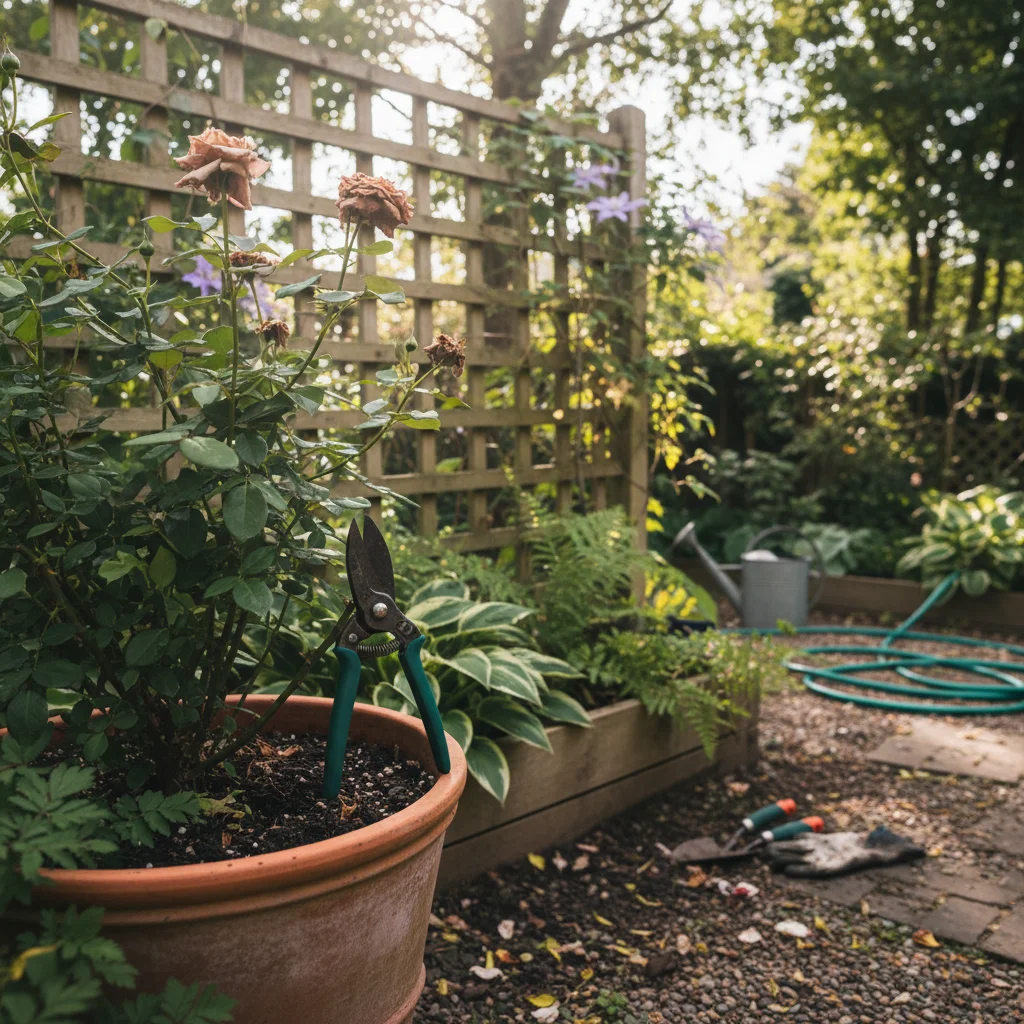
Every gardener remembers the first time they held a truly high-quality pair of secateurs. There is a specific, satisfying weight to a well-forged tool and a smoothness in the action that makes a day of pruning feel less like a chore and more like a craft. However, as any head gardener will tell you, the finest steel in the world won't help if you are using the wrong mechanism for the job at hand.
Choosing between bypass and anvil secateurs is one of the most fundamental decisions you will make for your tool shed. It is not merely a matter of personal preference or price point; it is a decision that directly impacts the health of your plants and the longevity of your tools. Using the wrong blade can lead to crushed stems, jagged wounds, and an invitation for fungal pathogens to take hold in your prize roses or fruit trees.
In my years managing large estates, I have seen many a promising shrub stunted by poor pruning technique. Often, the culprit wasn't the timing or the location of the cut, but the tool itself. By understanding the mechanical differences between these two designs, you can ensure every snip promotes vigorous growth and maintains the natural beauty of your garden.
Understanding the Bypass Mechanism
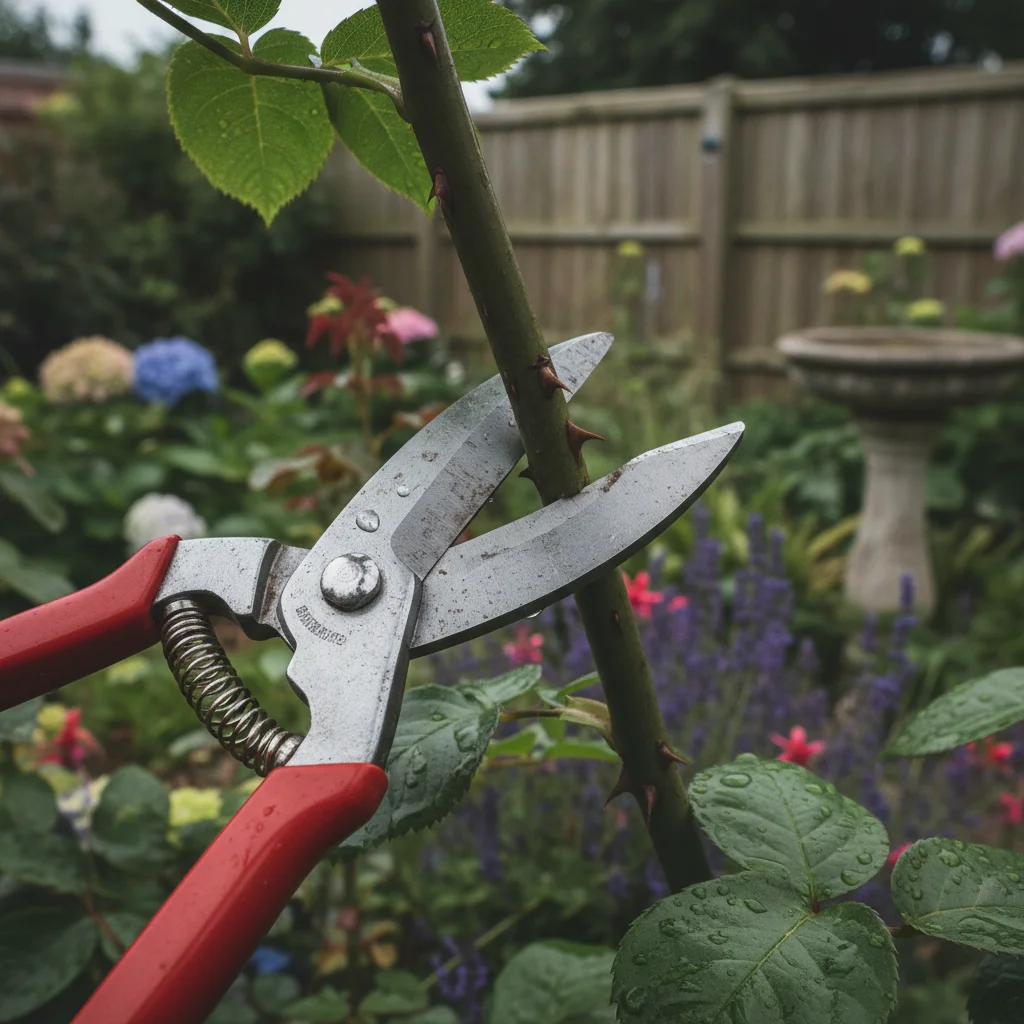
Bypass secateurs are the most common variety you will find in a UK garden centre, and for good reason. They operate exactly like a pair of scissors, with two blades passing by each other to create a clean, shearing action. One blade is usually sharpened to a fine edge, while the other is a thicker counter-blade that supports the stem during the cut.
The primary benefit of this design is the precision it offers. Because the blades "bypass" one another, they can get incredibly close to the main stem or a bud without causing unnecessary damage. This allows for the surgical accuracy required when you are thinning out delicate perennials or shaping a young ornamental tree.
When you use a sharp pair of bypass secateurs, the resulting wound is smooth and flat. In the world of horticulture, a clean wound is a healthy wound. The plant can quickly produce callus tissue to seal the area, which significantly reduces the risk of dieback or infection from airborne spores that thrive in damp British winters.
These tools are specifically designed for "live" wood—stems that are still green, flexible, and full of sap. The shearing action slices through the vascular bundles of the plant without compressing them. This ensures that the remaining part of the stem can continue to transport water and nutrients effectively as it heals.
The Power of Anvil Secateurs
Anvil secateurs operate on a completely different mechanical principle. Instead of two blades passing each other, a single sharpened blade comes down onto a flat metal or plastic base, known as the anvil. Think of it like a knife hitting a chopping board; the force is concentrated directly downwards onto a solid surface.
This design provides a significant amount of crushing power, which makes it much easier to cut through tough, resistant materials. If you have ever struggled to get a pair of bypass secateurs through a thick, woody branch, you will appreciate the mechanical advantage an anvil design provides. They are the heavy lifters of the pruning world.
However, that same crushing force is exactly why we avoid using them on green, living stems. The anvil mechanism inevitably squashes the soft tissues of a live plant before the blade finishes the cut. This creates a ragged, bruised wound that takes much longer to heal and provides a perfect entry point for rot.
Anvil secateurs are at their best when dealing with dead wood or very hard, old growth. When a branch is dead and brittle, you don't need to worry about the health of the vascular system. You simply need the raw power to snap through the dry fibres, and the anvil design excels at this without putting undue strain on your wrists.
When to Reach for Each Tool
Deciding which tool to pull from your holster depends entirely on the specific plant you are standing in front of. As a general rule, if the stem is green, soft, or flexible, you should always reach for your bypass secateurs. This includes the vast majority of deadheading, light shaping, and seasonal pruning for most garden shrubs.
If you are clearing out an overgrown corner of the garden or tackling a thicket of old, woody brambles, the anvil secateurs are your best friend. They are also excellent for reducing large, dead branches on fruit trees into smaller pieces for the compost heap or a wood pile. Using the right tool for these tougher jobs also protects your bypass blades from becoming misaligned or notched.
I find it helpful to keep a mental checklist of common garden tasks to ensure I am always using the most appropriate tool for the health of the plant.
- Use bypass for pruning roses to ensure a clean cut above the bud.
- Use bypass for harvesting herbs and cut flowers to keep stems open for water.
- Use bypass for delicate fruit tree thinning and shaping young growth.
- Use anvil for cutting back thick, dead raspberry canes at the end of the season.
- Use anvil for clearing woody brush or old, dry ivy stems.
- Use anvil for any brittle, grey wood that no longer shows signs of life.
The Importance of Clean Cuts for Plant Health
We must remember that every pruning cut is essentially a surgical intervention. Just as a surgeon requires a sterile, sharp scalpel, a gardener requires a well-maintained blade. When a cut is clean, the plant's natural defences can engage almost immediately, sealing off the exposed tissue from the environment.
Jagged cuts or crushed stems caused by using the wrong tool or a blunt blade create a larger surface area for moisture to collect. In our temperate UK climate, trapped moisture is the primary driver of fungal diseases like canker or silver leaf. A clean bypass cut allows water to run off the wound, keeping the site dry and less hospitable to pathogens.
Sustainability in the garden starts with the health of your plants. By making precise cuts with the correct tool, you reduce the need for chemical interventions or the eventual replacement of diseased specimens. A healthy, properly pruned shrub will live for decades, sequestering carbon and providing a habitat for local wildlife.
Ergonomics and Hand Health
Pruning can be a repetitive and physically demanding task, especially during the busy spring and autumn windows. The choice between bypass and anvil can also be a choice for your own physical comfort. Anvil secateurs generally require less hand strength to cut through a given diameter of wood because of the way the force is distributed against the anvil.
For gardeners who suffer from arthritis or have limited grip strength, a high-quality pair of anvil secateurs can be a revelation. Many modern designs also incorporate a "power gear" or ratchet mechanism. These systems multiply the force you apply, allowing you to cut through surprisingly thick branches with minimal effort.
Bypass secateurs, while requiring a bit more precision, are often lighter and more agile. If you are doing a lot of fine work, such as deadheading or light trimming, the lighter weight will prevent hand fatigue over a long afternoon. It is always worth visiting a local shop to hold different models and see how they fit the specific proportions of your hand.
Investing in Quality for the Long Term
In an era of disposable goods, I always advocate for buying the best tools you can afford. A cheap pair of secateurs made from inferior steel will lose its edge quickly and the spring mechanism is likely to fail within a season or two. This leads to more waste in our landfills and more frustration in the garden.
Quality brands like Felco, Niwaki, or the professional ranges from Spear & Jackson are designed to be maintained rather than replaced. They use high-carbon steel that holds an edge beautifully and, crucially, every single part is replaceable. If you lose a spring or nick a blade, you can simply buy the spare part rather than binning the entire tool.
From a sustainability perspective, a single pair of secateurs that lasts thirty years is far better for the planet than ten pairs of cheap ones. Taking care of your tools is an act of stewardship. It respects the resources used to make them and ensures they are always ready to perform when the gardening calendar demands it.
Maintaining Your Secateurs
Regardless of the type you choose, your secateurs will only perform as well as you treat them. Sap and resin from plants like conifers or fruit trees can quickly build up on the blades, making the action sticky and difficult. This extra friction forces you to work harder and can eventually lead to the blades becoming misaligned.
I make it a habit to wipe my blades down after every use with a bit of soapy water or a dedicated sap remover. Once they are dry, a quick drop of multi-purpose oil on the pivot point keeps the movement fluid. It only takes a minute, but it adds years to the life of the tool and makes your next pruning session much more enjoyable.
Sharpening is the other essential skill every gardener should master. You don't need a professional workshop; a simple diamond file or a whetstone is enough to hone the edge of a bypass blade. For anvil secateurs, you only need to sharpen the single cutting blade, making them even easier to maintain over time.
- Clean sap off blades after every use to prevent sticking.
- Oil the central pivot regularly to maintain a smooth action.
- Sharpen the cutting edge frequently with a diamond file.
- Check and tighten the tension nut if the blades begin to gap.
- Store your tools in a dry place to prevent rust over winter.
Choosing the Right Size and Weight
One often overlooked aspect of buying secateurs is the physical size of the tool. Most manufacturers offer different models for small, medium, and large hands. If the handles are too wide for your grip, you won't be able to apply force efficiently, which can lead to strained tendons and poor-quality cuts.
Left-handed gardeners should also look for specific left-handed models. Using a right-handed pair of bypass secateurs in your left hand often results in the blades being pulled apart slightly as you squeeze, which leads to the stem tearing rather than cutting. Several top-tier brands now produce dedicated left-handed versions that mirror the mechanism perfectly.
Weight is another factor to consider if you have a large garden. While a heavy, forged steel tool feels substantial, it can become a burden after three hours of pruning a long hedge or orchard. Look for models with aluminium handles, which offer a great balance of strength and lightness, ensuring you can keep working comfortably until the job is done.
Choosing the right pair of secateurs is one of the most rewarding investments you can make for your gardening journey. By matching the tool to the task—bypass for the delicate, living stems and anvil for the tough, woody challenges—you protect both your plants and your own physical well-being. Once you have found that perfect pair that fits your hand and your garden's needs, you will find yourself looking forward to every pruning session with a new sense of confidence.