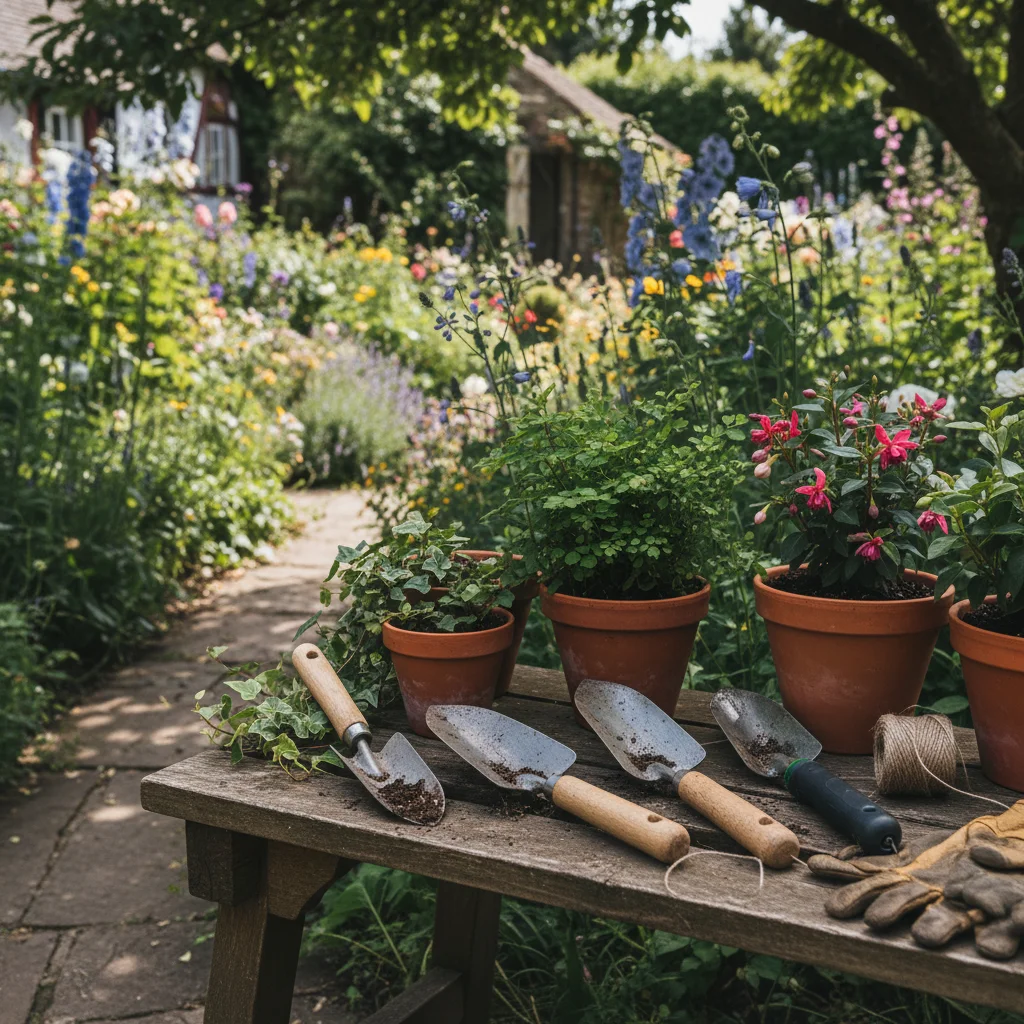
Choosing the right garden trowel might seem like a small thing, but trust me, it can make a huge difference to your gardening experience. A good trowel will be an extension of your hand, making planting, transplanting, and weeding a breeze. A bad one? Well, that's just a recipe for blisters and frustration. I've seen many a gardener struggle with the wrong tool, so let's get you set up for success.
Trowel Size: Matching the Tool to the Task
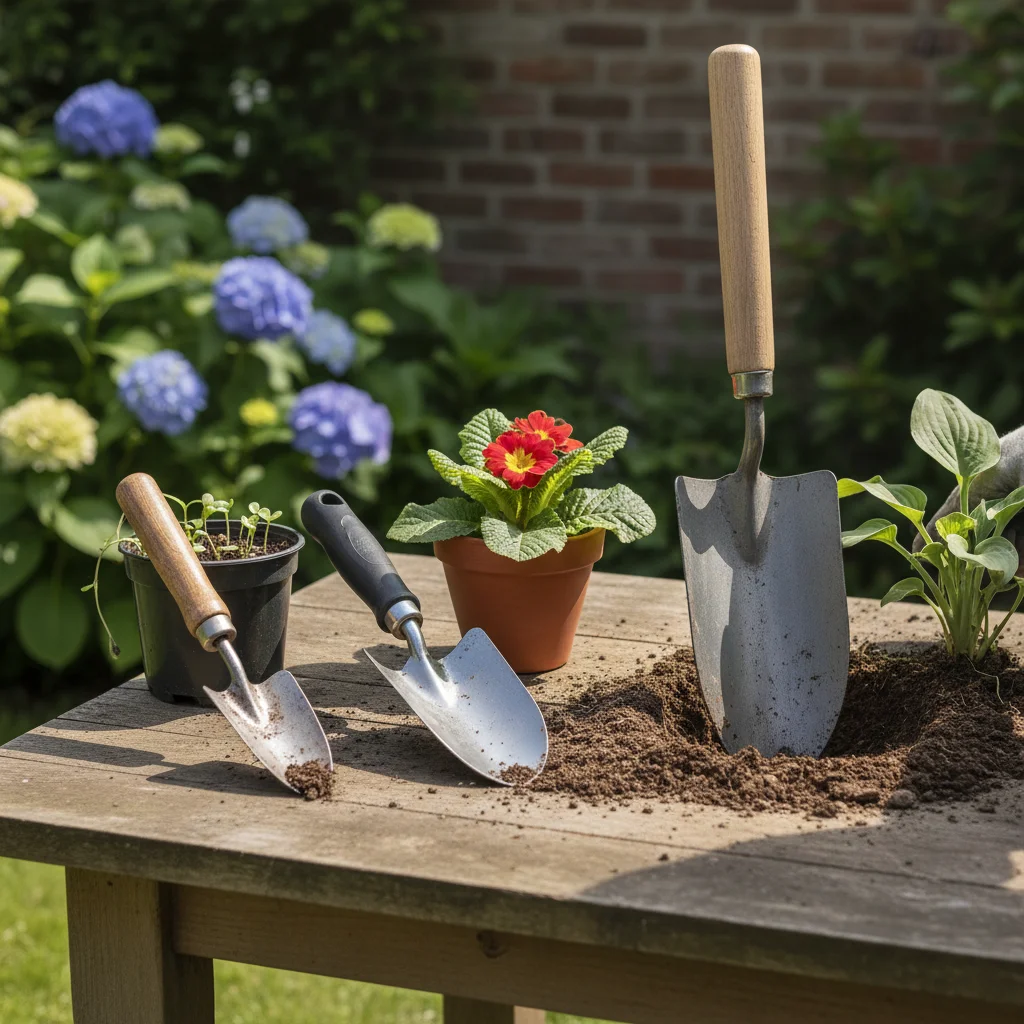
Trowels come in various sizes, and selecting the right one depends on the type of gardening you'll be doing. Think about the space you're working in and the size of the plants you'll be handling.
- Small Trowels (4-6 inches): Ideal for delicate work like transplanting seedlings, working in tight spaces like containers, and precise weeding. They offer excellent control and are lightweight, reducing strain on your wrist.
- Medium Trowels (6-8 inches): A good all-rounder for general gardening tasks such as planting small shrubs, dividing perennials, and digging in moderately compacted soil.
- Large Trowels (8+ inches): Best suited for heavier tasks like planting larger plants, digging in hard or rocky soil, and moving larger quantities of compost or soil. They require more strength but can save you time when dealing with tougher conditions.
Choosing the right size will not only make the job easier but also reduce the risk of injury. A trowel that's too large can be unwieldy, while one that's too small may not be up to the task.
Material Matters: Steel vs. Plastic
The material of the trowel blade greatly affects its durability, performance, and suitability for different soil types. You'll generally find trowels made from steel or plastic, each with its own set of advantages and disadvantages.
Steel Trowels
Steel trowels are the workhorses of the gardening world. They are known for their strength and durability, making them suitable for a wide range of tasks.
- Stainless Steel: The gold standard. Rust-resistant, strong, and easy to clean. A stainless steel trowel is a worthwhile investment that will last for years.
- Carbon Steel: Stronger than stainless steel but prone to rust if not properly cared for. Requires regular cleaning and oiling to prevent corrosion. A good option if you need extra strength and don't mind a bit of maintenance.
Plastic Trowels
Plastic trowels are lighter and often more affordable than their steel counterparts. However, they are not as durable and are best suited for light-duty tasks.
- Pros: Lightweight, rust-proof, and inexpensive. Ideal for working in soft soil or containers.
- Cons: Less durable than steel, can break or bend under pressure, and not suitable for heavy-duty tasks.
For most UK gardeners, I'd recommend a good quality stainless steel trowel. It's a versatile tool that will handle most tasks and last for years.
Handle Design: Comfort and Ergonomics
The handle is your point of contact with the trowel, so choosing a comfortable and ergonomic design is crucial. A poorly designed handle can lead to hand fatigue, blisters, and even injuries.
Consider these factors when selecting a trowel handle:
- Material: Wood, plastic, and rubber are common handle materials. Wooden handles offer a classic feel and can be comfortable, but they require maintenance to prevent splintering. Plastic handles are durable and weather-resistant, while rubber handles provide a comfortable grip, especially in wet conditions.
- Shape: Look for a handle that fits comfortably in your hand and provides a secure grip. Ergonomic handles are designed to reduce strain on your wrist and hand.
- Length: The length of the handle can affect your reach and leverage. A longer handle can be useful for reaching into deep beds or containers.
Trowel Types for Specific Tasks
While a general-purpose trowel will cover most of your needs, there are specialized trowels designed for specific gardening tasks.
- Transplanting Trowel: Features a narrow, pointed blade for digging small holes and transplanting seedlings with minimal root disturbance.
- Weeding Trowel: Has a forked or notched blade for removing weeds and their roots.
- Potting Trowel: Designed with a deep, scoop-shaped blade for transferring soil and compost into pots and containers.
Consider adding a specialized trowel to your collection if you frequently perform a particular task.
Caring for Your Trowel
Proper care will extend the life of your trowel and keep it performing at its best. Here are a few simple tips:
- Clean after each use: Remove soil and debris with a brush or cloth.
- Dry thoroughly: Moisture can lead to rust or corrosion.
- Oil regularly: Apply a light coat of oil to steel blades to prevent rust. I use linseed oil.
- Sharpen the blade: A sharp blade makes digging easier and more efficient. You can use a file or sharpening stone to maintain the edge.
- Store properly: Hang your trowel in a dry place to prevent damage.
Matching Your Trowel to Your Soil Type
The type of soil you have in your garden will influence the best trowel for you.
- Heavy Clay Soil: A strong stainless steel trowel with a pointed blade will be your best friend. The point helps break through the compacted clay, and the steel won't bend or break.
- Sandy Soil: Sandy soil is much easier to work with, so a lighter trowel, even one with a plastic handle, can be sufficient. Focus on a comfortable grip, as you'll likely be doing a lot of planting.
- Rocky Soil: Opt for a heavy-duty steel trowel with a reinforced blade. You'll need something that can withstand the impact of hitting rocks without bending or breaking.
Peat-Free Considerations
As gardeners, we should be mindful of our environmental impact. While it doesn't directly affect the trowel itself, consider using peat-free compost when you're planting with your new tool. Peat bogs are vital carbon sinks, and their destruction contributes to climate change. There are plenty of excellent peat-free alternatives available, and your plants won't know the difference.
Investing in the right trowel for your needs is an investment in your gardening enjoyment. Take the time to consider your soil type, common tasks, and personal preferences, and you'll find a trowel that will become a trusted companion in your garden for years to come. Now, get out there and start digging!