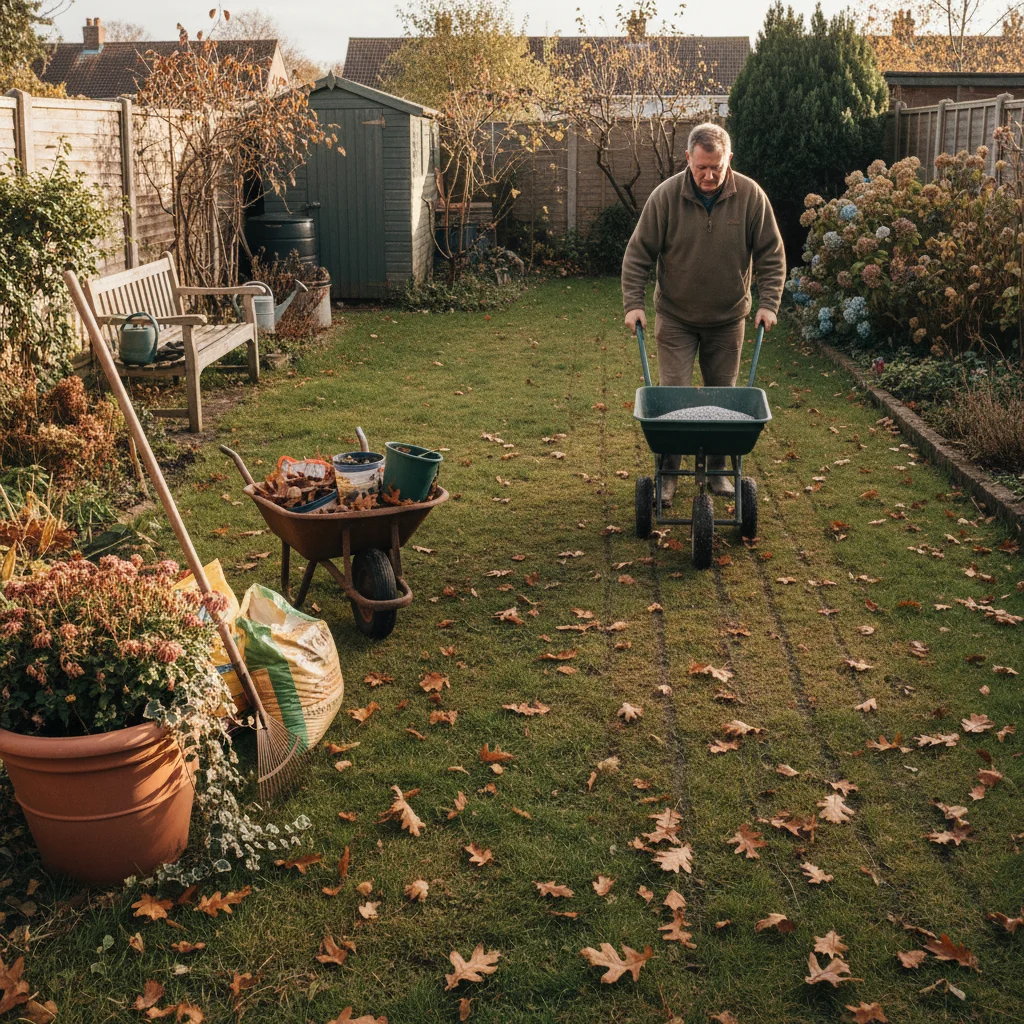
As the heat of summer fades and the morning dew lingers a little longer on the grass, our attention naturally shifts to the slower pace of the garden. For many gardeners, autumn is a time for tidying borders and harvesting the last of the tomatoes, but it is actually the most critical window for lawn maintenance. The work you put in now determines whether your grass will merely survive the winter or emerge next spring as a thick, vibrant carpet.
After a long summer of foot traffic, garden furniture, and perhaps a few dry spells, your lawn is likely tired and compacted. The soil underneath needs a chance to recover before the ground temperature drops and the grass enters its dormant phase. By focusing on soil health and root strength now, we can prevent many of the common problems that plague UK lawns, such as moss invasion, waterlogging, and fungal diseases like fusarium patch.
Taking a methodical approach to autumn care is about working with the natural lifecycle of the grass. We want to encourage deep root growth and clear away the debris that accumulated over the warmer months. It may look a little messy in the short term, but the long-term benefits for your garden’s ecosystem and your own enjoyment are well worth the effort.
Why autumn is the most important season for your lawn
Most people think of spring as the time to get the mower out and start "fixing" the lawn, but by then, you are often playing catch-up. Autumn provides the perfect conditions for recovery because the soil is still warm from the summer sun, yet the air is cool and there is usually a reliable supply of rainfall. This combination creates an ideal environment for root development without the stress of extreme heat.
During the autumn months, grass shifts its energy away from vertical leaf growth and towards building a robust root system. By supporting this transition, you ensure that the plants have the reserves they need to withstand freezing temperatures and waterlogged soil. A healthy root network also makes the lawn more resilient against the droughts we are increasingly seeing in our UK summers.
Neglecting the lawn at this time of year often leads to a cycle of moss and weeds. Moss thrives in damp, compacted, and shaded conditions where grass is weak. If you leave your lawn thin and patchy going into winter, moss will quickly move in to fill the gaps. Taking action now is the best organic way to manage moss, as a thick, healthy sward of grass is the best natural defence against any unwanted invaders.
Clear the thatch with scarification
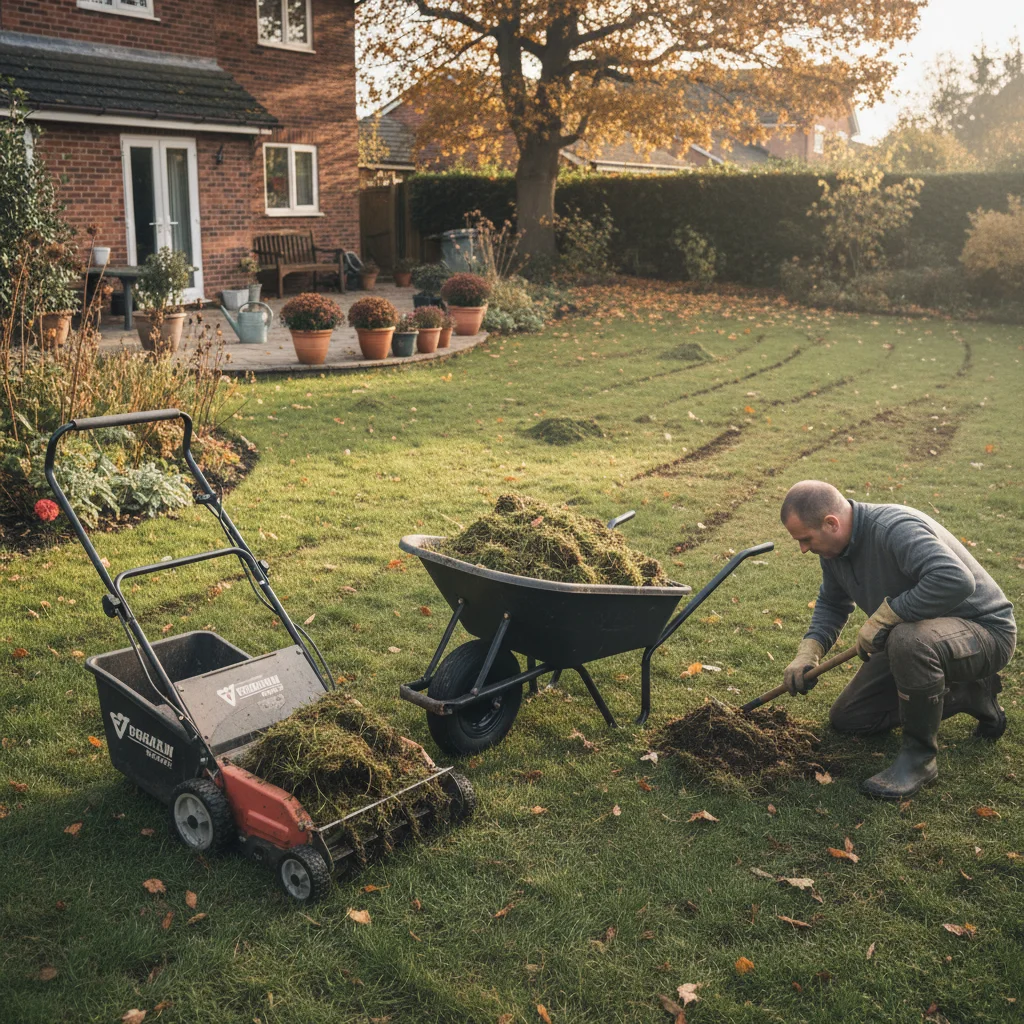
One of the most transformative tasks you can perform is scarification. Over time, a layer of organic matter known as thatch builds up at the base of the grass stems. This is a mixture of old grass clippings, dead moss, and lateral weed growth. While a tiny amount of thatch can provide a bit of cushioning, anything more than a centimetre thick acts like a waterproof sponge, preventing rain and nutrients from reaching the soil.
You can tell if your lawn needs scarifying if it feels "spongy" underfoot or if you can see a thick brown matting when you part the grass blades. To do this properly, you can use a manual spring-tined rake for smaller areas or a powered scarifier for larger lawns. The goal is to vigorously pull that debris out of the sward, allowing the base of the grass plants to see the light and breathe again.
Be prepared for the lawn to look quite ragged immediately after you have finished. It can be a shock to see so much brown earth, but this is a necessary part of the rejuvenation process. By removing the competition, you are giving the individual grass plants the space they need to tiller, which means they will grow more side-shoots and create a much denser lawn in the following weeks.
Help your soil breathe with aeration
Compaction is the silent killer of garden lawns, especially in areas with heavy clay soil. Every time we walk across the grass or the children play football, the tiny air pockets in the soil are squeezed out. Without these pockets, oxygen cannot reach the roots, and water cannot drain away, leading to a "puddled" surface and sickly, yellowing grass.
Aeration is the process of creating holes in the lawn to relieve this pressure and improve gas exchange. For a standard garden, you can use a garden fork to spike the ground at 10cm intervals, or better yet, use a hollow-tine aerator. A hollow-tine tool actually removes small "plugs" of soil rather than just pushing it aside, which is far more effective for long-term drainage improvement.
If your lawn suffers from standing water after a heavy downpour, focus your efforts on those specific areas. Once you have aerated, you can brush a top-dressing of sharp sand or a peat-free soil conditioner into the holes. This keeps the channels open and gradually improves the structure of your soil over several years, making it much more hospitable for beneficial soil microbes and earthworms.
Feed the roots for winter strength
Feeding your lawn in autumn is very different from the high-nitrogen boost we apply in the spring. In the early part of the year, we want rapid green growth, but in autumn, high nitrogen can be a mistake. It encourages soft, lush top-growth that is easily damaged by frost and highly susceptible to fungal diseases like snow mould.
Instead, look for a dedicated autumn lawn fertiliser. These blends are lower in nitrogen (N) and higher in phosphorus (P) and potassium (K). Phosphorus is essential for strong root development, while potassium strengthens the cell walls of the grass, making it more "hardy" against the cold and disease. It’s essentially like giving your lawn a vitamin boost to help it survive the winter flu season.
When applying feed, try to do it when rain is forecast so the granules are washed down to the roots. If it doesn’t rain within 48 hours, you should water it in yourself to prevent the fertiliser from scorching the grass blades. Using an organic or slow-release feed is a great choice here, as it provides a steady stream of nutrients over several weeks rather than one big chemical hit that might wash away into the groundwater.
Repair bare patches and overseed
After scarifying and aerating, you might notice some thin areas or bare patches where weeds or moss used to be. Leaving these patches empty is an invitation for weed seeds to blow in and take root. Overseeding is the simple act of sowing fresh grass seed across your existing lawn to thicken it up and improve its overall quality.
Choose a seed mix that matches your lawn's use, such as a tough rye-grass mix for family gardens or a fine fescue mix for a more ornamental look. Scatter the seed evenly, then lightly rake it in so it makes good contact with the soil. Birds will often see this as a free buffet, so you might need to cover the patches with a light dusting of compost or some netting until the seeds germinate.
Keeping the new seed moist is the key to success. If the weather stays dry, give the area a light sprinkle of water every day. Because the soil is still warm in September and early October, you should see green shoots appearing within 10 to 14 days. This new growth will have enough time to establish itself before the first hard frosts of winter arrive.
Signs your lawn needs autumn attention
If you aren't sure whether your lawn needs the full treatment this year, keep an eye out for these common indicators. Most lawns will show at least two or three of these signs after a busy summer.
- The grass feels soft or spongy when you walk on it.
- Water sits on the surface for a long time after rain.
- There are visible patches of moss or broad-leaved weeds.
- The colour has faded to a dull, pale green or yellow.
- The soil is so hard you cannot easily push a screwdriver into it.
- There are bare areas caused by pets, furniture, or heavy foot traffic.
Adjust your mowing routine
As the days get shorter and the temperature drops, the growth rate of your grass will naturally slow down. You don't need to stop mowing entirely until the frost arrives, but you must change how you do it. Raise the height of your mower blades by one or two notches to leave the grass a bit longer—around 4cm to 5cm is ideal for the winter months.
Leaving the grass slightly longer allows for more photosynthesis during the limited daylight hours, which provides more energy for the roots. It also helps to protect the "crown" of the grass plant from frost damage. When you do mow, make sure the blades are sharp; dull blades tear the grass rather than cutting it, leaving jagged edges that turn brown and provide an entry point for disease.
Always try to mow when the grass is dry, which can be a challenge in a British autumn. Mowing wet grass leads to compaction and can smear the soil, particularly if you use a heavy roller mower. If the ground is very soft, it is better to skip a week and wait for a drier spell than to risk damaging the soil structure and leaving unsightly ruts in your lawn.
Manage falling leaves and debris
While a carpet of golden autumn leaves looks beautiful in the woodland, it is bad news for your lawn. A thick layer of leaves blocks out the light and traps moisture against the grass, creating the perfect breeding ground for rot and fungus. If left for too long, the grass underneath will turn yellow and die back, leaving you with large bare patches to fix in the spring.
Try to clear leaves at least once a week using a light rake or a leaf blower. If you have a mower with a collection bag, you can often use it on a high setting to "vacuum" the leaves up, which has the added benefit of shredding them. These shredded leaves are a fantastic resource for the garden; don't throw them away in the green waste bin.
Instead, pack the leaves into black bin liners, poke a few holes in the sides, and tuck them away in a corner of the garden. After a year or two, they will break down into "leaf mould," a beautiful, crumbly soil conditioner that is perfect for mulching woodland plants or adding to your potting mixes. It’s a wonderful way to recycle nutrients back into your own patch of earth.
Essential tools for autumn lawn maintenance
You don't need a shed full of expensive machinery to keep a lawn healthy, but having a few specific tools will make the job much easier and more effective. Investing in quality tools that last a lifetime is also a more sustainable approach than buying cheap plastic versions that break after one season.
| Tool | Purpose | James's Tip |
|---|---|---|
| Spring-Tine Rake | Removing thatch and moss | Look for one with adjustable tension to suit different grass types. |
| Hollow-Tine Aerator | Relieving soil compaction | Best for clay soils; it removes plugs to let the earth breathe. |
| Border Fork | Manual aeration | Great for smaller lawns or specific problem areas with puddles. |
| Broadcast Spreader | Evenly applying feed and seed | Ensures you don't get "striping" from uneven fertiliser application. |
| Besom Broom | Brushing in top-dressing | Perfect for levelling soil and clearing worm casts without damage. |
Prepare for the first frosts
As we move into late autumn, the first frosts will begin to settle on the garden. When the grass is frozen, the water inside the plant cells is turned to ice. If you walk on the lawn during a frost, you are essentially snapping those frozen cells, which leads to black, bruised footprints that can take months to recover.
Make it a rule to stay off the grass on frosty mornings until the sun has had a chance to melt the ice. This simple habit protects the integrity of the sward and prevents unnecessary stress on the plants. If you have a path through the lawn, ensure it is clear so that people aren't tempted to take shortcuts across the grass.
By following these steps, you are doing more than just "tidying up"—you are investing in the long-term health of your garden. A well-maintained lawn acts as a carbon sink, provides a home for beneficial soil life, and serves as the beautiful green backdrop for the rest of your planting. Take the time to care for your soil this autumn, and you will be rewarded with a lush, resilient lawn that is ready to thrive the moment the first warmth of spring arrives.