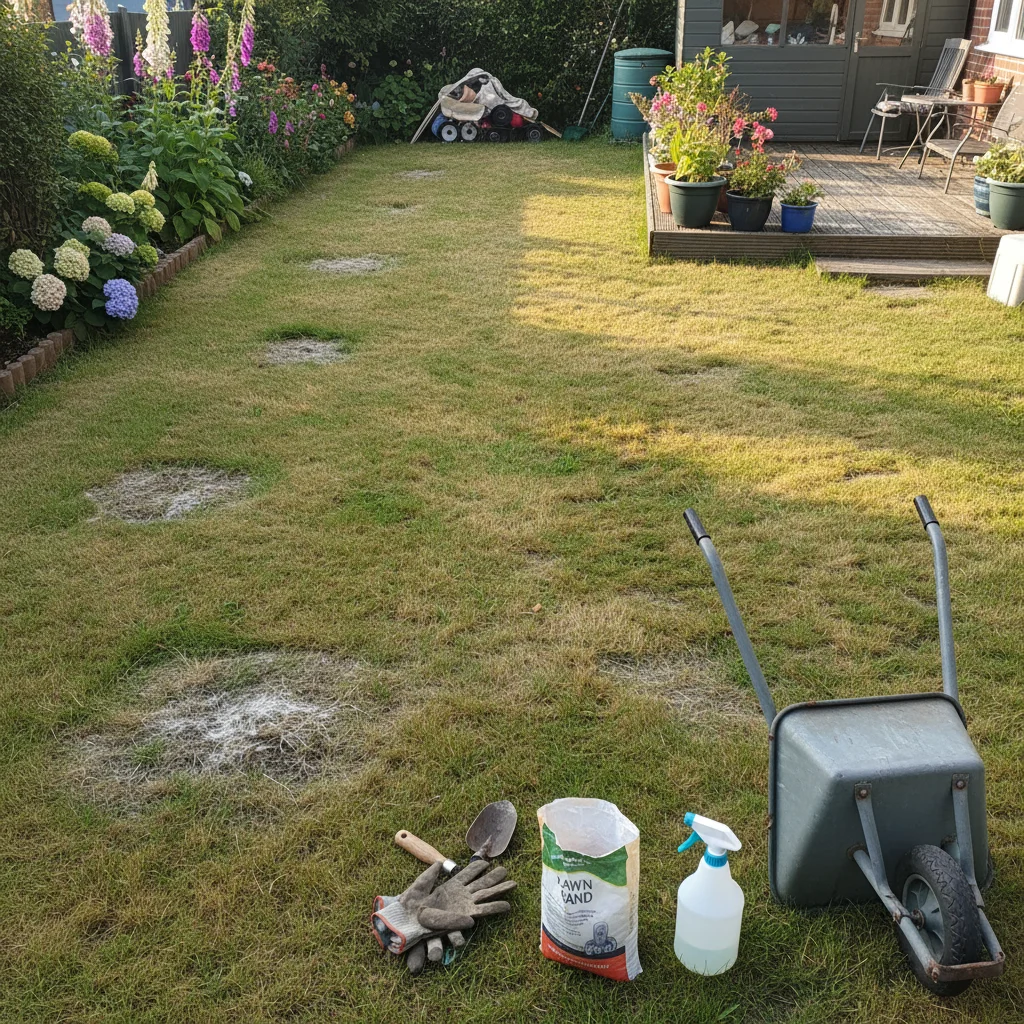
There is nothing quite as frustrating as looking out at your garden and seeing your once-pristine lawn marred by brown patches, strange pink threads, or slimy white moulds. As a former head gardener, I have seen even the most meticulously kept turf fall victim to the elements and the invisible fungi that live within our soil. It can feel like a personal defeat, but I want to reassure you that most lawn diseases are simply a signal that the environment has shifted out of balance.
Understanding why these issues occur is the first step toward a permanent fix. Our UK climate, with its damp autumns and humid summers, provides the perfect breeding ground for various fungal pathogens. However, by looking closely at the symptoms and adjusting your maintenance routine, you can restore the health of your grass without reaching for harsh chemicals.
In this guide, I will walk you through the most common lawn diseases we face in Britain. We will look at how to identify them correctly and, more importantly, how to treat the underlying causes so they don't return next season. Whether you are dealing with a sudden outbreak or want to proof your lawn against future problems, a methodical approach to soil health is always the best medicine.
Identifying Red Thread
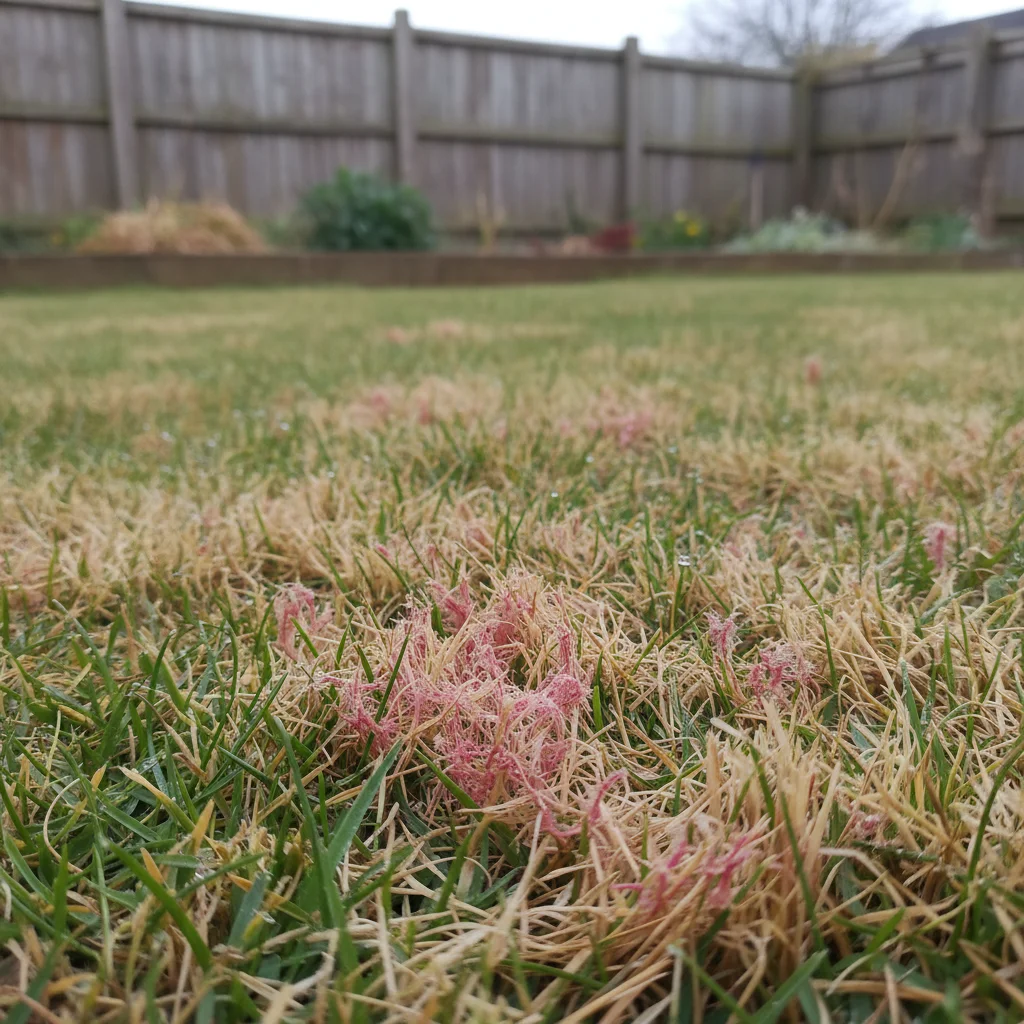
Red thread is perhaps the most common disease I encounter in UK gardens, particularly during wet summers or mild, damp autumns. You will notice it first as small, bleached-looking patches of grass that gradually take on a pinkish or reddish hue. If you look very closely at the grass blades, you will see tiny, coral-coloured needles protruding from the tips, which give the disease its name.
This fungus, Laetisaria fuciformis, does not usually kill the grass roots, but it certainly ruins the aesthetic of a fine lawn. It thrives when the nitrogen levels in your soil are low, effectively acting as a cry for help from a "hungry" lawn. When the grass is undernourished, its cell walls weaken, making it easy for the fungus to take hold and spread through the leaf tissue.
To treat red thread, your first port of call should be a high-quality nitrogen-rich fertiliser. Applying a balanced feed in late spring or summer often gives the grass enough energy to outgrow the infection. You should also make sure you are collecting your clippings when the disease is active, as leaving them on the lawn can spread the fungal spores to healthy areas.
Managing Fusarium Patch
Fusarium patch, often referred to as snow mould when it appears after a cold snap, is a more aggressive visitor. It typically appears in autumn and winter as small, water-soaked patches that can rapidly expand to 30cm or more in diameter. The edges of these patches often have a white or pinkish "fluff" which is the active fungal mycelium.
This disease is particularly fond of stagnant, moist air and poor drainage. If your lawn is shaded by high fences or overhanging trees, or if the soil is heavily compacted, you are much more likely to see fusarium. It is a surface-dweller that loves the "micro-climate" created by a layer of thatch or fallen leaves sitting on the grass.
The best way to combat fusarium is to improve the airflow across the surface of your lawn. This means regular raking to remove fallen leaves and scarifying to keep the thatch layer thin. Avoid applying high-nitrogen fertilisers in late autumn, as this encourages soft, lush growth that the fungus finds delicious; instead, use an autumn-specific feed high in potassium to strengthen the grass cells.
Dealing with Fairy Rings
Fairy rings are as mysterious as they are frustrating, often appearing as dark green circles or rings of dead grass. Sometimes you might see a circle of toadstools appearing in late summer, which is a clear indicator of the fungal activity beneath the surface. These rings are caused by various fungi that break down organic matter in the soil, such as old tree roots or buried timber.
The real problem with fairy rings isn't just the fungus itself, but the way it changes the soil structure. The fungal "mat" (the mycelium) becomes so dense that it actually repels water, leading to localized drought. This is why the grass in the middle of a ring often dies off—it simply cannot get any moisture to its roots, no matter how much you rain or water.
To manage a fairy ring, you need to break through that water-repellent layer. Use a garden fork to spike the affected area deeply and repeatedly, then apply a professional wetting agent or even a tiny amount of eco-friendly washing-up liquid in water to help the soil absorb moisture again. While it is difficult to eradicate the fungus entirely, keeping the area well-hydrated will mask the symptoms and keep the grass green.
Understanding Lawn Rust
Rust usually appears in late summer or early autumn, turning your lawn a distinct orange or yellowish colour. If you walk across the grass and find your shoes covered in a fine orange dust, you have a rust infection. It is caused by spores that thrive in warm, humid conditions where the air is still and the grass stays wet for long periods.
While rust looks dramatic, it is rarely fatal to a well-established lawn. It tends to affect lawns that are growing slowly, perhaps due to a lack of nutrients or because they are in deep shade. Because the spores need moisture to germinate, watering your lawn in the evening is one of the most common ways gardeners accidentally encourage this disease.
The solution for rust is twofold: nutrition and ventilation. Give the lawn a balanced feed to boost growth, which allows you to "mow out" the infection. By mowing regularly and removing the clippings, you take the infected leaf tips away and encourage the plant to produce fresh, healthy blades. Ensure you prune back any overhanging vegetation to let the breeze and sunlight reach the turf.
The Importance of Soil Health
In my years of gardening, I have learned that a disease is rarely the primary problem; it is usually a symptom of poor soil health. If your soil is compacted, the roots cannot breathe, and if it is waterlogged, the fungi have a permanent home. We must think of the soil as a living ecosystem that needs to be nurtured rather than just a substrate for the grass.
| Feature | Impact on Disease | Recommended Action |
|---|---|---|
| Drainage | Waterlogged soil encourages Fusarium and Moss | Hollow-tine aeration in autumn |
| Compaction | Weakens roots and limits nutrient uptake | Regular spiking with a garden fork |
| Thatch Layer | Provides a home for fungal spores | Annual scarification in spring or autumn |
| Soil pH | Extreme pH levels lock out vital nutrients | Test soil and apply lime or sulphur if needed |
| Airflow | Still air encourages Rust and Red Thread | Prune overhanging shrubs and trees |
Testing your soil pH is a simple step that many gardeners skip. Most lawn grasses prefer a slightly acidic to neutral pH (around 6.0 to 7.0). If your soil is too acidic, it can encourage certain fungi and moss to take over. Applying a bit of garden lime in the winter can help balance the pH and make your fertilisers much more effective, leading to a more resilient lawn.
Sustainable Prevention Habits
Rather than waiting for a problem to appear and then reaching for a fungicide—many of which are no longer available to the domestic gardener anyway—we should focus on cultural controls. These are the daily and seasonal habits that make your lawn an inhospitable place for disease but a paradise for grass. It starts with how you mow and ends with how you feed.
You should always aim to keep your mower blades sharp. A dull blade tears the grass rather than cutting it, leaving a ragged edge that is much more susceptible to fungal entry. Additionally, try to follow the "one-third rule"—never remove more than a third of the grass height in a single mow. This reduces stress on the plant and keeps it strong enough to fight off infections.
To keep your lawn in peak condition, consider these essential habits:
- Aerating the soil at least once a year to improve drainage and root oxygenation.
- Scarifying in the autumn to remove the "sponge" of thatch that holds onto moisture.
- Watering deeply but infrequently, and always in the early morning so the grass dries quickly.
- Using a slow-release organic fertiliser to provide a steady stream of nutrients without causing a "flush" of weak growth.
- Choosing the right seed mix for your garden's specific light and moisture levels.
By following these steps, you are not just treating a disease; you are building a robust environment. A healthy lawn with deep roots and good airflow is naturally resistant to almost everything the UK weather can throw at it.
Choosing the Right Tools
Having the right kit makes lawn maintenance much less of a chore. For a small lawn, a simple border fork is often enough for aeration, but for larger areas, a hollow-tine aerator is a worthwhile investment. This tool actually removes small plugs of soil, which is far more effective at relieving compaction than simply pushing a spike into the ground.
A good spring-tine rake is essential for scarifying smaller lawns, though a mechanical scarifier is a godsend if you have a significant amount of moss or thatch. When it comes to feeding, a broadcast spreader ensures that your fertiliser is applied evenly. Uneven application can lead to "stripping," where some areas are overfed and scorched while others remain hungry and prone to red thread.
Remember that any tools used on a diseased lawn should be cleaned afterward. Fungal spores are incredibly hardy and can easily be transported from an infected patch to a healthy one on the underside of your mower or the tines of your rake. A quick wipe down with a mild disinfectant or even a thorough hosing off can save you a lot of trouble in the long run.
Restoring Damage After Disease
Once you have identified the disease and addressed the cause, you may be left with some unsightly bare patches. Don't simply leave these to the elements, as opportunistic weeds and moss will be the first to move in. Instead, use the opportunity to "overseed" the area with a grass variety that is better suited to the conditions.
Scratch the surface of the bare patch with a rake to create a fine tilth, then sow your seed and cover it with a thin layer of peat-free compost or top-dressing. Keep the area moist until the new grass is well-established. This is also the perfect time to introduce more resilient grass species, such as fescues or ryes that have been bred specifically for disease resistance.
Managing a lawn in the UK is a journey of constant adjustment and observation. By paying attention to the signals your grass is sending you, you can intervene early and keep your garden looking its best throughout the year. The next time you see a patch of red thread or a hint of fusarium, don't panic—just check your soil, grab your fork, and give your lawn the breathing room it needs to thrive.