We all want a garden that looks like a velvet carpet, but for those of us with four-legged family members, the safety of our pets always comes first. Traditional lawn care has long relied on a cocktail of synthetic chemicals that, while effective at killing weeds or boosting growth, can pose significant risks to dogs and cats who spend their time sniffing, rolling, and occasionally tasting the grass.
As a horticulturist, I have seen first-hand how easy it is to achieve a professional-standard finish using products that work in harmony with nature rather than against it. Transitioning to a pet-friendly regime doesn't mean you have to settle for a lawn full of dandelions and moss. It simply requires a shift in how we approach soil health and a more discerning eye when browsing the garden centre shelves.
By understanding the science behind the products we use, we can create a space that is both a horticultural triumph and a safe sanctuary for our pets. This approach often leads to a more resilient lawn in the long run, as organic methods build up the soil's natural biology rather than providing a short-term chemical fix.
The Hidden Dangers in Conventional Lawn Care
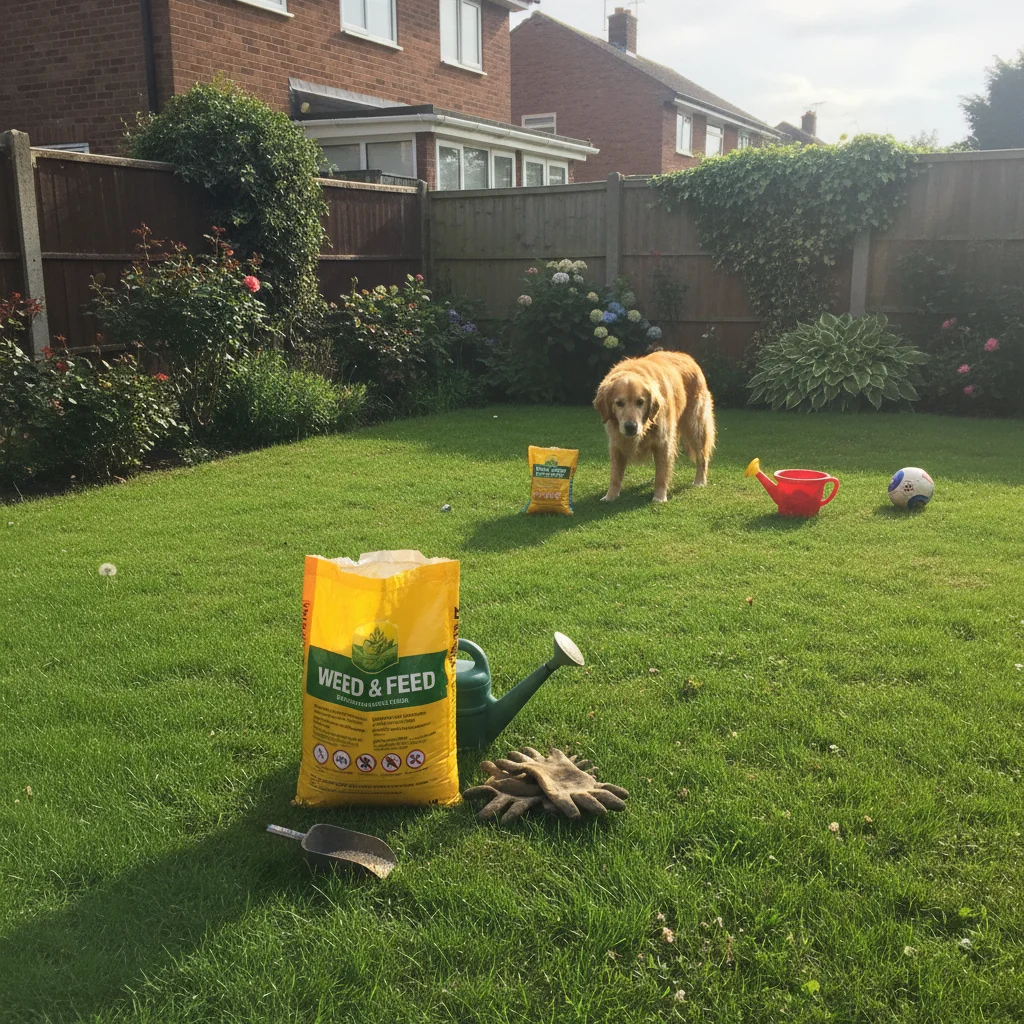
Many standard lawn fertilisers and weed killers contain ingredients that can be harmful if ingested or if they come into contact with a pet's paws. Granular fertilisers, for instance, can sit on the surface for days, waiting for rain to wash them in, providing ample opportunity for a curious dog to lick them up. These products often contain high concentrations of nitrogen, phosphorus, and potassium (NPK), which in their synthetic form can cause gastric upset or skin irritation.
Weed killers often contain glyphosate or 2,4-D, chemicals that have been the subject of much debate regarding their long-term health effects on animals. Even if a product is labelled as "safe once dry," the residue can remain on the blades of grass for some time. For a cat that spends hours grooming its fur after a stroll through the garden, this poses a direct route for chemical ingestion.
Slug pellets are perhaps the most notorious offender in the garden, traditionally containing metaldehyde. While this specific chemical is now largely banned in the UK, many alternatives still use ferric phosphate. While much safer, it is still best avoided by pets, and we should always look for the most benign methods of pest control first.
Identifying Pet Safe Fertilisers
When choosing a fertiliser, the most reliable way to ensure safety is to opt for organic, plant-based, or manure-based products. These feeds release their nutrients slowly as they are broken down by soil microbes, which is better for the grass and much safer for your pets. Look for products certified by organic bodies, as these undergo rigorous testing to ensure they don't contain hidden synthetic additives.
Seaweed-based fertilisers are a personal favourite of mine for pet-friendly gardens. They are packed with micronutrients and growth hormones that strengthen the grass from the root up without the risk of chemical burns. Because they are usually applied as a liquid, they are absorbed quickly by the plant and the soil, significantly reducing the time your pet needs to stay off the grass.
Chicken manure pellets are another excellent choice, providing a rich source of nitrogen for that deep green colour we all crave. However, be aware that the scent can be quite attractive to some dogs, who might try to dig them up or eat them. If you use pellets, it is wise to rake them into the surface and water them in well to help them break down and disappear into the sward.
Controlling Weeds Without Harsh Chemicals
The best defence against weeds is a thick, healthy lawn that leaves no room for invaders to take hold. However, when the odd thistle or dandelion does appear, there are several ways to deal with them without reaching for the spray bottle. Hand weeding remains the most effective and safest method, particularly if you use a long-handled tool designed to remove the entire taproot.
For larger areas, you might consider using a "pet-safe" weed killer based on acetic acid (concentrated vinegar) or fatty acids. These work by breaking down the waxy coating on the leaves, causing the weed to dehydrate and die. They are contact killers, meaning they don't travel through the soil or persist in the environment, making them a much safer choice for households with pets.
Corn gluten meal is an interesting organic alternative that acts as a pre-emergent weed suppressor. It prevents weed seeds from germinating while providing a mild nitrogen boost to the existing grass. It requires precise timing—usually applied in early spring—but it is entirely non-toxic and a great example of using natural by-products to manage the garden.
Safe Moss Removal Strategies
Moss is a common problem in the UK, often caused by poor drainage, shade, or compacted soil. Traditional moss killers use sulphate of iron (ferrous sulphate), which turns the moss black and easy to rake out. While iron is a natural element, it can cause severe staining on patios and can irritate a pet's paws if they walk on it before it has been thoroughly watered in.
A more modern and pet-friendly approach is the use of bacterial moss removers. These products contain naturally occurring bacteria that "eat" the moss, turning it into fertiliser for the grass. Because there is no harsh chemical reaction, there is no need to scarify the dead moss out afterwards, and the product is completely safe for pets to walk on immediately after application.
Addressing the underlying cause of moss is always more effective than a chemical fix. Improving drainage through aeration and reducing shade by thinning out overhanging branches will do more for your lawn than any bottle of moss killer. It is about creating an environment where grass thrives and moss struggles to survive.
Dealing with Dog Urine Scorch
One of the most frustrating challenges for dog owners is the appearance of brown or yellow patches caused by the high nitrogen content in dog urine. This is essentially a "fertiliser burn" where the concentration is simply too high for the grass to handle. While there are many supplements marketed to change the pH of a dog's urine, I always advise consulting a vet before altering your pet's diet.
The simplest and most effective solution is to follow your dog with a watering can and douse the area immediately. This dilutes the nitrogen, turning a potential burn into a useful liquid feed for the grass. If the patch is already dead, you will need to rake out the dead grass, top-dress with a bit of fresh soil, and re-seed the area.
Some gardeners find success by creating a designated "potty zone" using bark mulch or pea shingle. This keeps the urine away from the grass entirely and can be easily rinsed down. If you prefer to keep the lawn as the primary spot, choosing a tough grass mix containing perennial ryegrass can help, as it is more resilient to wear and tear than finer fescues.
Natural Pest Control for a Healthy Garden
A healthy lawn is home to a vast array of insects, most of which are beneficial. However, pests like leatherjackets (the larvae of crane flies) or chafer grubs can wreak havoc by eating the roots of the grass. In the past, these were treated with strong insecticides, but these are increasingly restricted and are far from pet-friendly.
The best modern solution is the use of nematodes. These are microscopic organisms that occur naturally in the soil and act as parasites to specific pests. You simply mix them with water and apply them to the lawn with a watering can or sprayer. They are completely harmless to humans, pets, and even beneficial insects like bees and ladybirds.
To keep your lawn safe and healthy, there are a few key things to look for and avoid when shopping for garden supplies.
- Avoid metaldehyde: Ensure any slug control is ferric phosphate-based or uses physical barriers like wool pellets.
- Check for "Organic" labels: Look for the Soil Association logo or similar certifications to ensure no synthetic chemicals are present.
- Look for "Child and Pet Safe": Many modern brands now explicitly state this on the front of the packaging.
- Avoid "Weed and Feed" mixes: These often contain selective herbicides that are less pet-friendly than stand-alone organic fertilisers.
- Prioritise liquid seaweed: This is one of the safest and most effective tonics for any UK lawn.
Best Practices for Pet Friendly Maintenance
Safety isn't just about the products you buy; it is also about how you manage your gardening routine. I always recommend keeping pets indoors while you are applying any treatment, even if it is labelled as safe. This prevents them from getting in the way or accidentally inhaling any dust or spray during the application process.
Mowing height also plays a role in lawn health and pet safety. Keeping your grass a little longer—around 5cm (2 inches)—shades the soil, encourages deeper root growth, and makes the lawn more resistant to urine scorch. It also provides a more robust surface for pets to play on, reducing the amount of mud they might bring back into the house during the wetter months.
If you suspect your pet has come into contact with something they shouldn't have, it is important to act quickly.
- Remove the pet from the area: Prevent further exposure immediately.
- Wash the paws: Use lukewarm water and a mild pet-safe shampoo to remove any residue.
- Check the packaging: Note down the active ingredients of the product used.
- Monitor for symptoms: Look for unusual drooling, vomiting, or lethargy.
- Contact your vet: Always seek professional advice if you are concerned, even if the symptoms seem mild.
By choosing organic feeds, mechanical weeding, and biological pest controls, you can enjoy a garden that is both beautiful and a safe haven for your pets. The shift towards sustainable, pet-friendly lawn care is a rewarding journey that benefits your local ecosystem as much as it does your dog or cat. Start by swapping your synthetic fertiliser for a seaweed-based alternative this spring and watch your lawn—and your pets—thrive in a chemical-free environment.