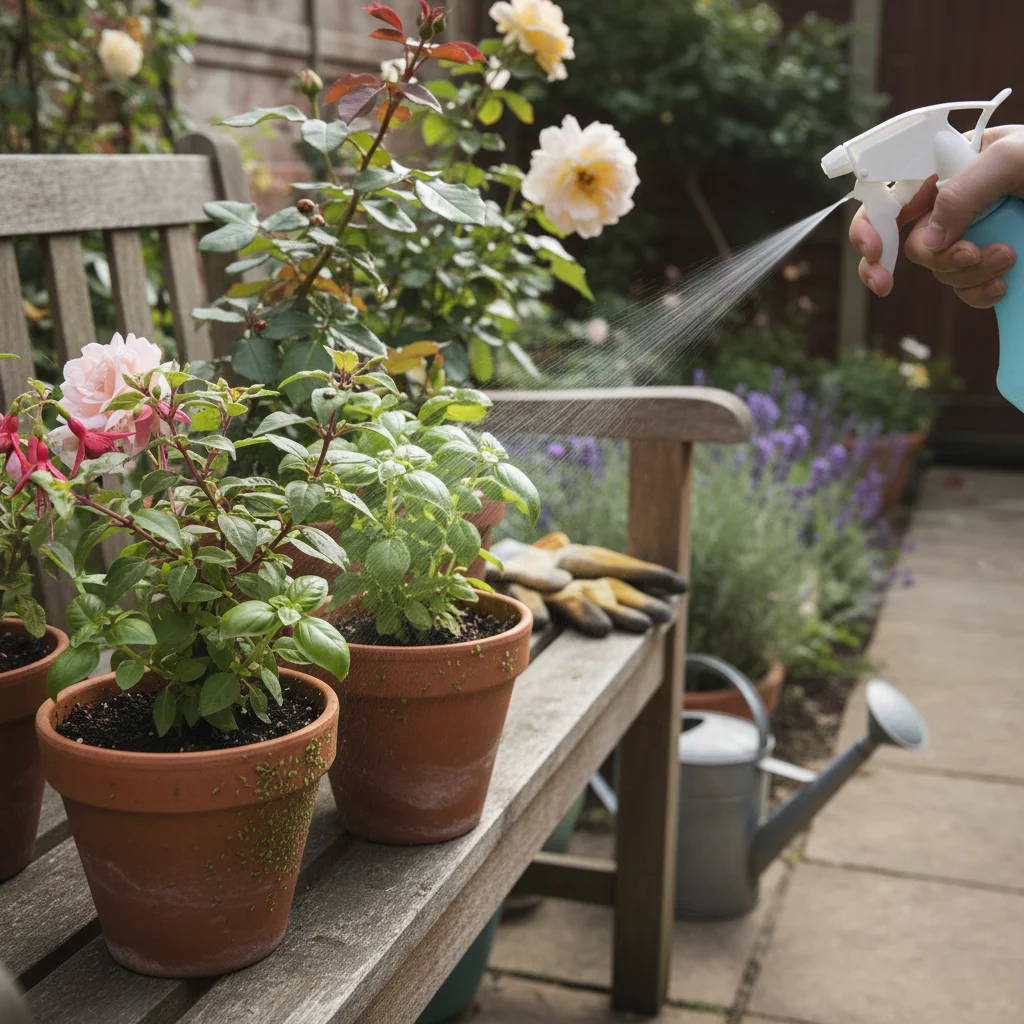
There is a particular sinking feeling that every gardener knows. You walk out to your rose border or your vegetable patch on a warm May morning, expecting to see new, vigorous growth, only to find the tips of your plants smothered in a sticky, crawling mass of greenfly. It feels like an invasion that happened overnight, and your first instinct might be to reach for a bottle of something strong and chemical to wipe them out.
In my years as a head gardener, I have learned that reaching for the spray bottle should always be the last resort, especially if that bottle contains synthetic pesticides. Aphids, or greenfly as they are commonly known in the UK, are a natural part of the garden ecosystem. While they are certainly a nuisance, they are also a vital food source for the very creatures we want to encourage in our gardens.
Managing aphids organically isn't about achieving a sterile garden where not a single bug exists. Instead, it is about balance. We want to reduce their numbers enough that our plants can thrive, while maintaining a healthy environment where natural predators can do the heavy lifting for us. By understanding how these pests live and feed, we can use their own biology against them without harming the bees, butterflies, or the soil health we work so hard to maintain.
Understanding the Aphid Lifecycle
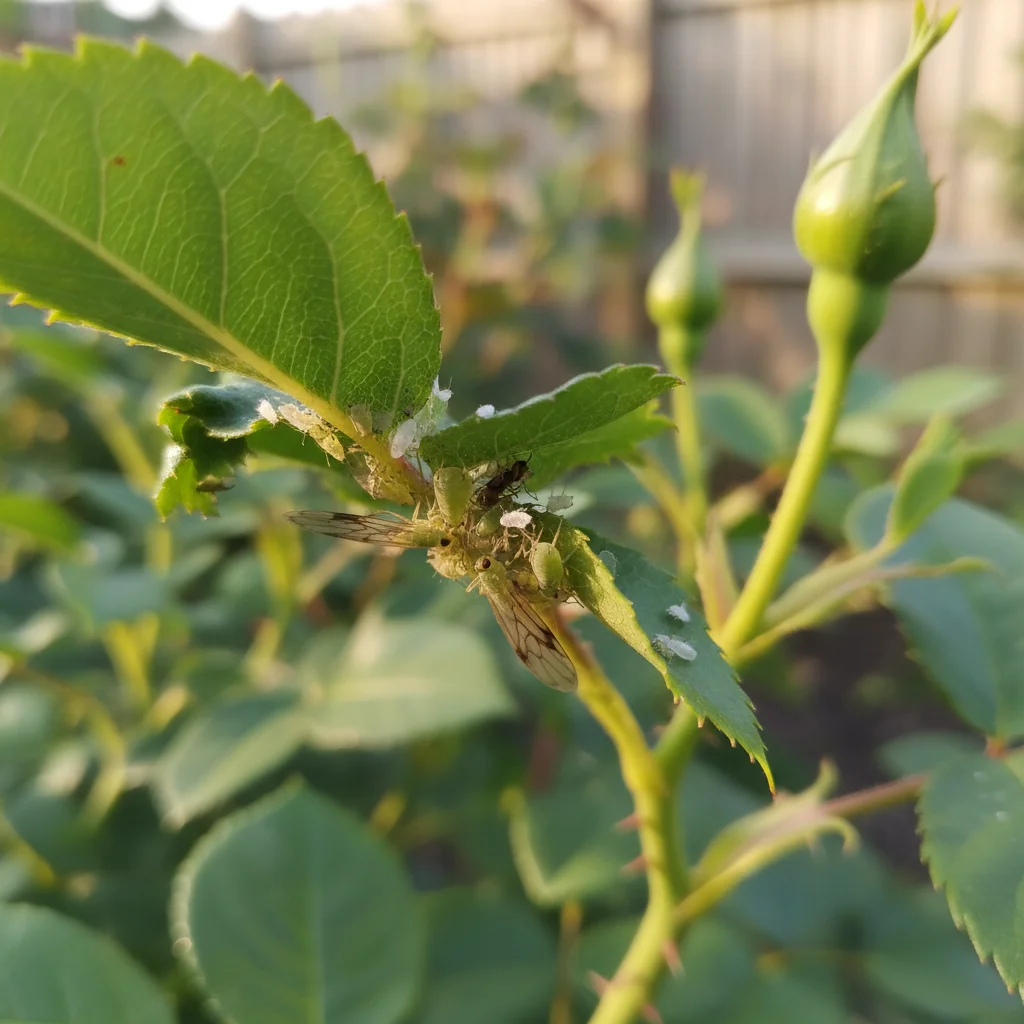
To control aphids effectively, we have to respect how incredibly efficient they are at reproducing. In the spring, female aphids hatch from over-wintered eggs and begin to produce live young without needing to mate. This process, known as parthenogenesis, allows a single aphid to produce dozens of offspring in a matter of days, leading to the "overnight" explosions we often see on our lupins or broad beans.
As the colony grows and the plant becomes crowded, some aphids will develop wings. these winged individuals fly off to colonise new plants, ensuring the species spreads throughout your garden. They feed by piercing the plant tissue with needle-like mouthparts and sucking out the sap, which is rich in sugars but low in the proteins they need.
Because they have to drink so much sap to get enough protein, they excrete the excess sugar as a sticky substance called honeydew. This is often the first sign of trouble you will notice. If you see leaves that look shiny or feel tacky to the touch, you can be almost certain that there is an aphid colony lurking somewhere directly above that foliage.
Identifying an Infestation Early
Catching an aphid problem early is the difference between a quick fix and a lost crop. I always recommend a "patrol" of the garden at least twice a week during the peak growing season. Look closely at the underside of leaves and the tender new growth at the tips of stems, as this is where the sap is most accessible and the tissue is easiest to pierce.
While we often call them greenfly, aphids come in a variety of colours. You might find the bright green variety on your roses, but you are just as likely to see the soot-coloured blackfly on your broad beans or the greyish, waxy cabbage aphid on your brassicas. There is even a woolly aphid that covers itself in a white, cotton-like fluff, often found on the bark of apple trees.
If you aren't sure whether you are looking at aphids or another garden resident, keep an eye out for these specific indicators of their presence:
- Curled, distorted, or yellowing leaves near the tips of branches.
- A sticky, clear residue (honeydew) coating the lower leaves.
- The presence of "sooty mould," a black fungus that grows on the honeydew.
- White "skins" or husks left behind on the foliage as the aphids moult.
- An unusual amount of ant activity climbing up and down the stems of your plants.
The Role of Ants in Your Garden
One of the most fascinating, yet frustrating, aspects of aphid management is the relationship they have with ants. Ants have essentially learned to "farm" aphids. They highly prize the sugary honeydew that aphids excrete, and in exchange for this food source, the ants will actively protect the aphids from predators like ladybirds.
I have often watched ants physically headbutt a ladybird to drive it away from "their" aphid colony. If you see a steady stream of ants moving up a fruit tree or a rose bush, they are likely tending to an aphid outbreak. In some cases, ants will even move aphids to new, healthier parts of the plant to ensure the food supply keeps flowing.
To control aphids on larger woody plants, you sometimes have to deal with the ants first. Using a grease band around the trunk of a fruit tree can prevent ants from climbing up, which leaves the aphids vulnerable to natural predators. Once the "bodyguards" are removed, the local bird and insect population will usually make short work of the infestation within a few days.
Welcoming the Natural Cavalry
The most sustainable way to manage any pest is to let nature do the work for you. A single ladybird can eat thousands of aphids in its lifetime, but it isn't just the adults we want. Ladybird larvae, which look like tiny black and orange crocodiles, are even more voracious. We also have hoverflies and lacewings, whose larvae are equally effective at clearing a colony.
To attract these helpers, we need to provide them with a varied diet. While the larvae eat the aphids, the adults often feed on nectar and pollen. Planting a diverse range of flowers ensures that these beneficial insects stay in your garden year-round. I find that flat-headed flowers are particularly effective, as they provide an easy landing platform for hoverflies.
If you want to turn your garden into a sanctuary for aphid-eating predators, consider incorporating these plants into your borders:
- Poached Egg Plant (Limnanthes douglasii): A magnet for hoverflies.
- Fennel and Dill: Their umbrella-shaped flowers are loved by parasitic wasps.
- Common Marigolds (Calendula): Bright, accessible flowers for ladybirds.
- Yarrow (Achillea): Provides excellent cover and food for lacewings.
- Sweet Alyssum: A low-growing carpet that attracts tiny predatory wasps.
Managing Nitrogen and Plant Health
It might surprise you to learn that how you feed your plants can actually encourage aphid attacks. Aphids are attracted to the lush, soft growth that results from high levels of nitrogen. If you over-fertilise your plants with synthetic, fast-acting nitrogen feeds, you are essentially putting out a "neon sign" for every aphid in the neighbourhood.
I always advocate for a "slow and steady" approach to plant nutrition. By using well-rotted garden compost or a slow-release organic fertiliser, you encourage sturdier, more resilient growth. The cell walls of the plant become tougher, making it much harder for the aphids to pierce the surface and reach the sap.
Watering is also a factor. A plant under drought stress will have more concentrated sugars in its sap, which makes it a more attractive target. Keeping your soil consistently moist—but not waterlogged—helps the plant maintain its natural defences. Healthy soil leads to healthy plants, and healthy plants are far better at tolerating a small number of pests without suffering long-term damage.
Physical Removal and Water Pressure
Before you look for a spray, remember that aphids are quite fragile. If you catch an infestation early on a sturdy plant like a rose or a shrub, a blast of water from a hosepipe is often all you need. Use a focused stream to knock the aphids off the stems and leaves. Most of them will be unable to find their way back up the plant and will be eaten by ground-dwelling beetles or spiders.
For more delicate plants, or for those of us who don't mind getting our hands dirty, the "thumb and forefinger" method is incredibly effective. Simply run your fingers along the affected stem, squashing the aphids as you go. It’s a bit gruesome, but it’s immediate, precise, and costs nothing. It also allows you to leave any ladybird eggs or larvae that might be nearby unharmed.
If a particular branch is completely overwhelmed and the leaves are badly curled, the best move is often to simply prune that section out. Use a sharp pair of secateurs to remove the infested tip and put it straight into your green waste bin or at the bottom of a hot compost heap. This prevents the winged adults from developing and spreading the problem further.
Making and Using Organic Sprays
When physical removal isn't enough, you can move on to organic sprays. The most common and effective is a simple solution of horticultural soft soap. This works by breaking down the waxy outer coating of the aphid, causing it to dehydrate. It is important to use "soft soap" or a plant-based liquid soap rather than harsh detergents, which can strip the protective oils from your plant's leaves.
To make a basic spray, mix about one tablespoon of liquid soap into a litre of water. You can also add a crushed clove of garlic to the mix, as the strong scent can act as a deterrent. When applying, you must ensure you hit the aphids directly. This isn't a systemic poison that stays in the plant; it only works on contact. Be sure to spray the undersides of the leaves thoroughly.
Always test your spray on a small area of the plant first and wait 24 hours to ensure there is no leaf scorch. I also advise against spraying in full sun, as the water droplets can act like tiny magnifying glasses and burn the foliage. Late evening is the best time to spray, as it gives the solution time to work before the sun comes up and avoids the period when bees are most active.
Using Companion Plants as a Shield
Companion planting is one of the most elegant tools in the organic gardener's kit. We can use certain plants to either repel aphids or to act as a "trap crop." For example, the strong scent of alliums (onions, garlic, and chives) can help mask the scent of your roses, making it harder for aphids to find them in the first place.
Trap cropping, or "sacrificial planting," involves growing something that aphids love even more than your main crop. Nasturtiums are the classic example here. They are a favourite of blackfly. By planting nasturtiums near your vegetable patch, you can lure the aphids away from your precious runner beans. Once the nasturtiums are covered in blackfly, you can either leave them for the ladybirds or pull them up and compost them.
French marigolds are another essential companion. They produce a scent that is said to deter aphids, but more importantly, they are a primary food source for hoverflies. By tucking a few marigolds between your tomato plants or peppers, you are essentially installing a permanent security detail of predatory insects right where they are needed most.
Seasonal Maintenance for Long Term Control
Managing aphids is a year-round job, not just a summer one. In the autumn and winter, many aphid species lay eggs in the crevices of bark or on the stems of deciduous shrubs. A good winter cleanup can significantly reduce the following year's population. I recommend removing any dead plant material or fallen leaves where eggs might be overwintering.
For fruit trees, a winter wash using plant oils can be very effective. This coats the eggs and prevents them from hatching in the spring. It is a traditional method that has fallen out of fashion, but it is much safer for the environment than modern chemical alternatives. Just make sure to apply it on a dry, still day when the tree is fully dormant.
As we move into spring, keep a close eye on your bird feeders. Many small birds, such as blue tits and garden warblers, rely on aphids to feed their chicks. By encouraging birds into your garden with high-quality food and nesting boxes, you are recruiting another powerful ally in your quest for a balanced, healthy garden.
Taking an organic approach to aphid control requires a little more patience and observation than using chemicals, but the rewards are well worth the effort. You will start to notice more life in your garden, from the bright flash of a ladybird to the hovering flight of a lacewing. By working with nature rather than against it, you create a resilient space that can largely take care of itself, leaving you more time to enjoy the beauty of your plants.