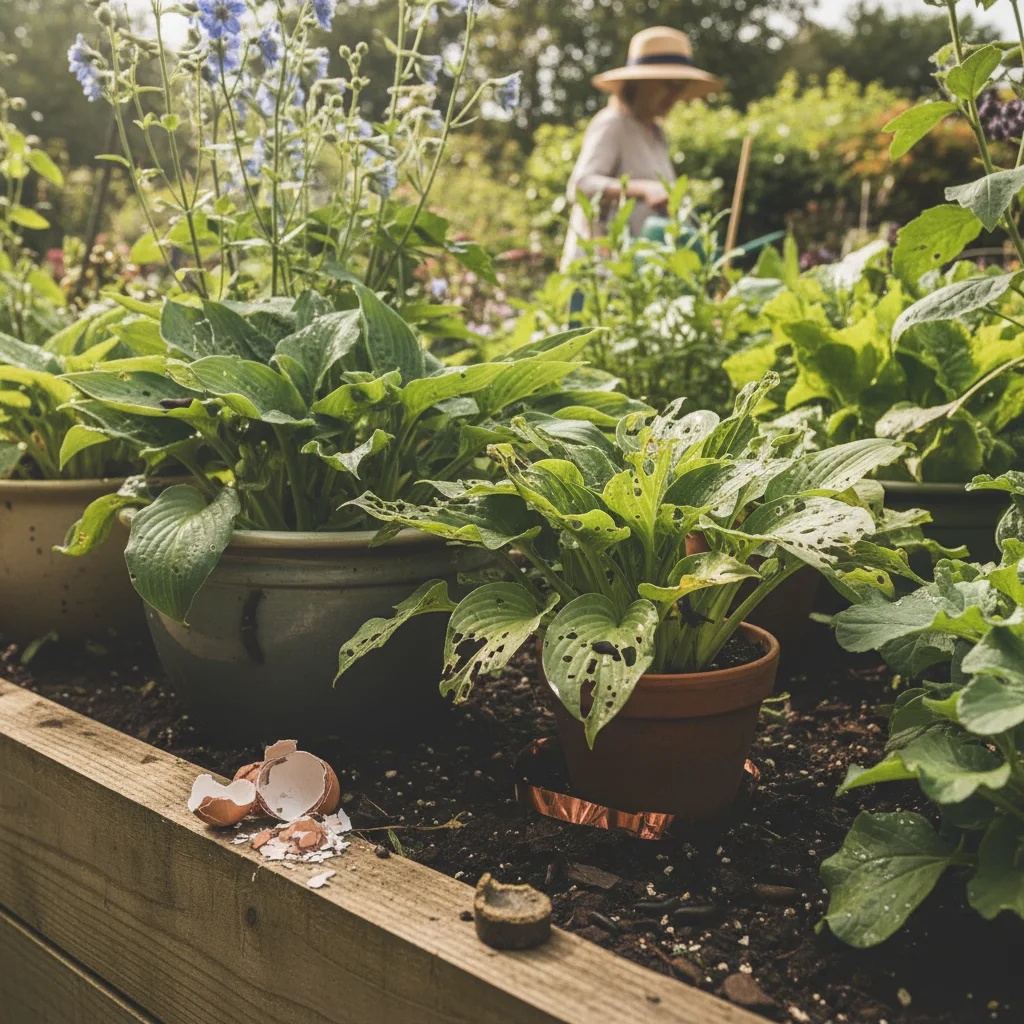
There is a particular kind of heartbreak known only to gardeners. It usually happens early in the morning, coffee in hand, as you walk out to admire the delphiniums or hostas you planted just yesterday. Instead of lush green foliage, you find a crime scene of shredded leaves and that unmistakable, shimmering silver trail.
In our damp UK climate, slugs and snails are an inevitable part of the ecosystem. While it is tempting to reach for a quick fix, the long-term health of your garden depends on a more nuanced approach. Since the ban on metaldehyde pellets, we have had to rethink our strategy, moving away from scorched-earth tactics and towards a balanced, organic system.
Organic slug control is not about total eradication; that is an impossible and arguably harmful goal. Instead, we aim to manage their numbers and protect our most vulnerable plants using methods that do not harm the hedgehogs, songbirds, and amphibians that call our gardens home. By understanding how these gastropods move and feed, we can create a garden that thrives despite them.
Understanding the Slug Population
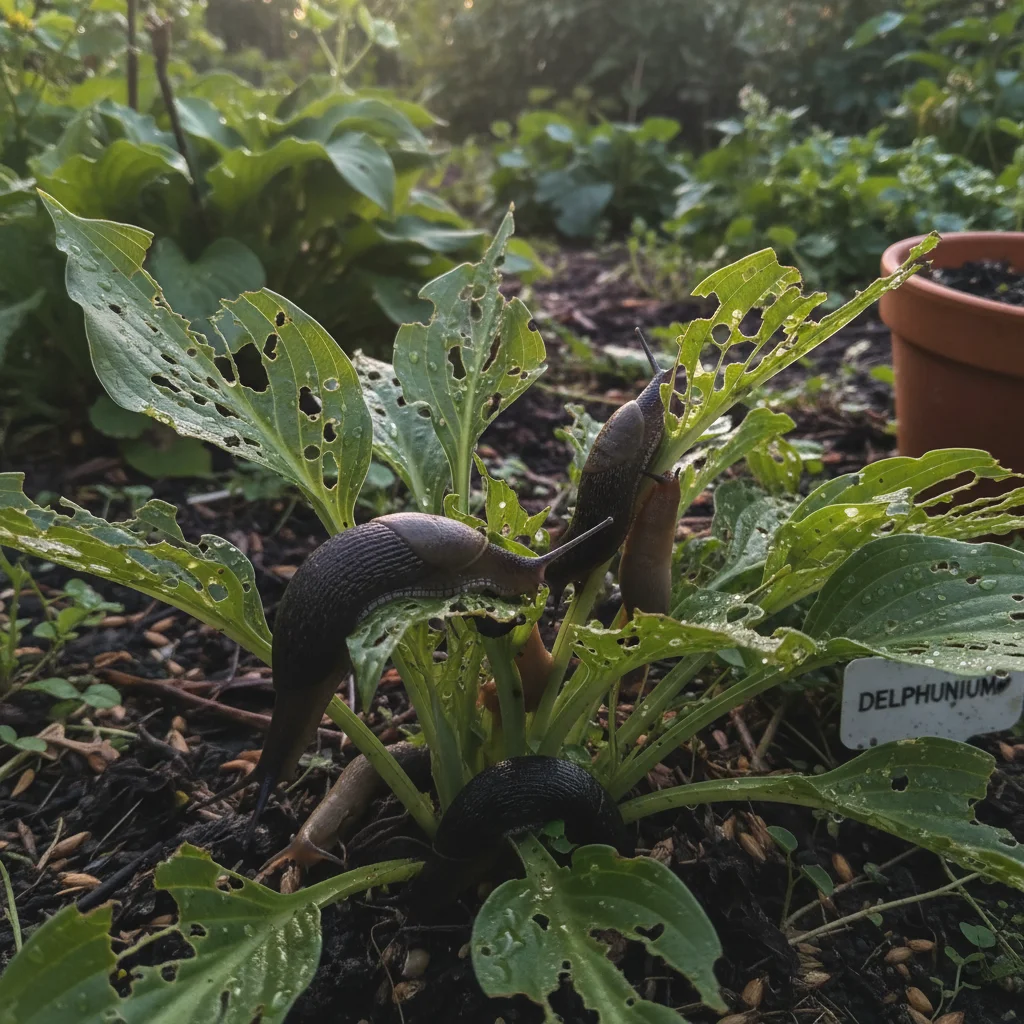
Before we reach for the traps and barriers, it helps to understand what we are dealing with. Not all slugs are the enemy. Some species, like the large Leopard Slug, primarily eat rotting organic matter and even other slugs. They are part of the garden’s clean-up crew, helping to break down compost and return nutrients to the soil.
The real trouble usually comes from the smaller field slugs and the invasive Spanish slugs. These are the ones that prefer your tender lettuce seedlings and expensive perennials. They thrive in the mild, wet conditions that characterize much of the British growing season, hiding in cool, dark spots during the heat of the day.
Slugs are essentially bags of water, which is why they are so sensitive to dry conditions. They need a constant supply of moisture to produce the mucus that allows them to move. If we can make the environment less hospitable for them, we have already won half the battle. This starts with how we manage the garden floor.
Cultural Controls and Garden Hygiene
The way you manage your soil and watering schedule has a massive impact on slug activity. One of the most common mistakes I see is evening watering. When you soak the ground at dusk, you create a perfectly lubricated playground for slugs to enjoy all night long.
Instead, try to water early in the morning. This allows the surface of the soil to dry out during the day while the water reaches the roots where it is needed. A dry soil surface is a significant deterrent for a creature that relies on moisture to travel. It’s a simple change, but it makes a noticeable difference in damage levels.
General garden tidiness also plays a role, though we must strike a balance. While a "wild" corner is great for biodiversity, keeping the areas immediately around your vulnerable plants clear of debris is wise. Remove fallen leaves, old pots, and long grass near your vegetable beds to eliminate the daytime hiding spots where slugs congregate.
Physical Barriers That Work
If you have a particularly prized specimen, a physical barrier can provide a necessary line of defence. However, many traditional suggestions, like crushed eggshells or coffee grounds, often fail in heavy rain. When the shells get wet and the coffee washes into the soil, the slugs simply glide over them.
Copper is one of the few truly effective barriers. When a slug touches copper, it experiences a tiny, unpleasant reaction similar to an electric shock. Applying self-adhesive copper tape to the rims of pots and raised beds creates a perimeter they are very reluctant to cross. Just ensure no overhanging leaves act as a bridge over the tape.
Wool pellets are another sustainable option that I’ve found quite effective. These are made from waste sheep’s wool and are spread around the base of the plant. As they get wet, they swell and create a textured, fibrous mat that is uncomfortable for slugs to traverse. As a bonus, they slowly break down and release nitrogen into the soil.
Effective Daily Habits for Slug Management
Consistency is the key to organic success. You cannot simply apply one treatment and walk away for the season. Managing a garden organically requires a bit more observation, but the rewards are a healthier, more resilient space.
- Check under pots and wooden boards regularly to find hiding slugs.
- Water your plants at the base rather than soaking the entire bed.
- Use cloches or bottomless plastic bottles to protect young seedlings.
- Go on a "night patrol" with a torch to hand-pick slugs during their peak activity.
- Keep your soil tilth fine, as large clods of earth provide perfect tunnels for slugs.
Hand-picking might seem tedious, but it is incredibly effective. If you head out about an hour after dark, you can remove the breeding population before they have a chance to multiply. I find dropping them into a bucket of soapy water is the most humane and efficient way to deal with them.
The Science of Beer Traps
The beer trap is a classic for a reason, but it must be used correctly. Slugs are attracted to the yeast and carbon dioxide produced by fermenting liquids. They crawl in, become intoxicated, and eventually drown. It is a grim end, but it keeps them away from your crops.
The mistake many gardeners make is placing the trap right next to the plant they want to save. This actually draws more slugs toward your prize specimens. Instead, place your traps a few metres away from your vulnerable plants to lure the slugs into a "dead zone" where they can do no harm.
Ensure the rim of the trap sits about an inch above the soil level. This prevents beneficial ground beetles—which are natural slug predators—from accidentally falling in and drowning. You don't need expensive lager either; the cheapest, most basic bitter or even a mixture of water, sugar, and yeast will do the trick.
Biological Control with Nematodes
For those dealing with a severe infestation, particularly in heavy clay soils, nematodes are a game-changer. These are microscopic worms, specifically Phasmarhabditis hermaphrodita, which occur naturally in UK soil but not usually in high enough numbers to control a plague of slugs.
You buy them as a powder, mix them with water, and apply them to the soil with a watering can. These tiny organisms seek out slugs underground and infect them, stopping them from feeding within days. It is a highly targeted solution that doesn't harm humans, pets, or other wildlife.
Timing is everything with nematodes. The soil temperature must be at least 5°C (41°F) for them to be active, which usually means applying them between March and October. The soil also needs to stay moist for a few weeks after application so the worms can move through the earth. It is an investment, but for a vegetable patch, it is often the most effective organic tool we have.
Inviting Natural Predators
The most sustainable way to manage slugs is to let nature do the work for you. A garden that is too "clean" often lacks the predators that keep slug populations in check. If you provide the right habitat, a small army of helpers will move in and take care of the problem.
Frogs, toads, and newts are prolific slug hunters. Even a small pond—even one made from an old sunken washing-up bowl—can attract these amphibians. Ensure the pond has sloped sides so they can get in and out easily. A single toad can eat dozens of slugs in a week, making them one of the best garden companions you can have.
Hedgehogs and ground beetles are also vital. Leave a small pile of logs or a patch of long grass in a quiet corner to provide them with shelter. Avoid using any broad-spectrum pesticides, as these will kill the very beetles that are trying to help you. A balanced garden is a self-regulating garden.
Choosing the Right Plants
Sometimes, the best strategy is to stop fighting an uphill battle and choose plants that slugs simply don't like. Slugs generally avoid plants with thick, leathery leaves, hairy stems, or strong scents. By incorporating these into your borders, you can maintain a beautiful garden without constant worry.
- Astrantia: Their papery flowers and tough leaves are rarely touched.
- Aquilegia: Known as Granny’s Bonnet, these are remarkably resilient.
- Alchemilla mollis: The hairy leaves of Lady’s Mantle are a natural deterrent.
- Ferns: Most garden ferns are far too tough for the average slug.
- Lavender: The strong essential oils and woody stems are unappealing.
This doesn't mean you can't grow hostas or lettuce, but perhaps keep those more "delicious" plants in pots where they are easier to protect with copper tape. Mixing these resistant varieties with more vulnerable ones can also help to disguise your crops and make them harder for pests to find.
Creating a Resilient Ecosystem
Managing slugs organically is a journey of observation and adaptation. There is no single "silver bullet" that will solve the problem forever. Instead, it is the combination of several small actions—watering in the morning, encouraging predators, and using targeted barriers—that creates a successful result.
When you stop using chemical pellets, you might see a temporary increase in slug numbers, but be patient. It takes time for the predators to realize there is a feast available and for the natural balance to shift. Once that balance is established, you will find that the occasional nibbled leaf is a small price to pay for a garden buzzing with life.
By focusing on soil health and biodiversity, you aren't just controlling a pest; you are building a stronger, more vibrant environment. Your plants will be hardier, your soil will be richer, and you can enjoy your garden knowing it is a safe haven for all creatures. The next time you see a silver trail, don't reach for the chemicals—reach for a better understanding of your garden’s natural rhythm.