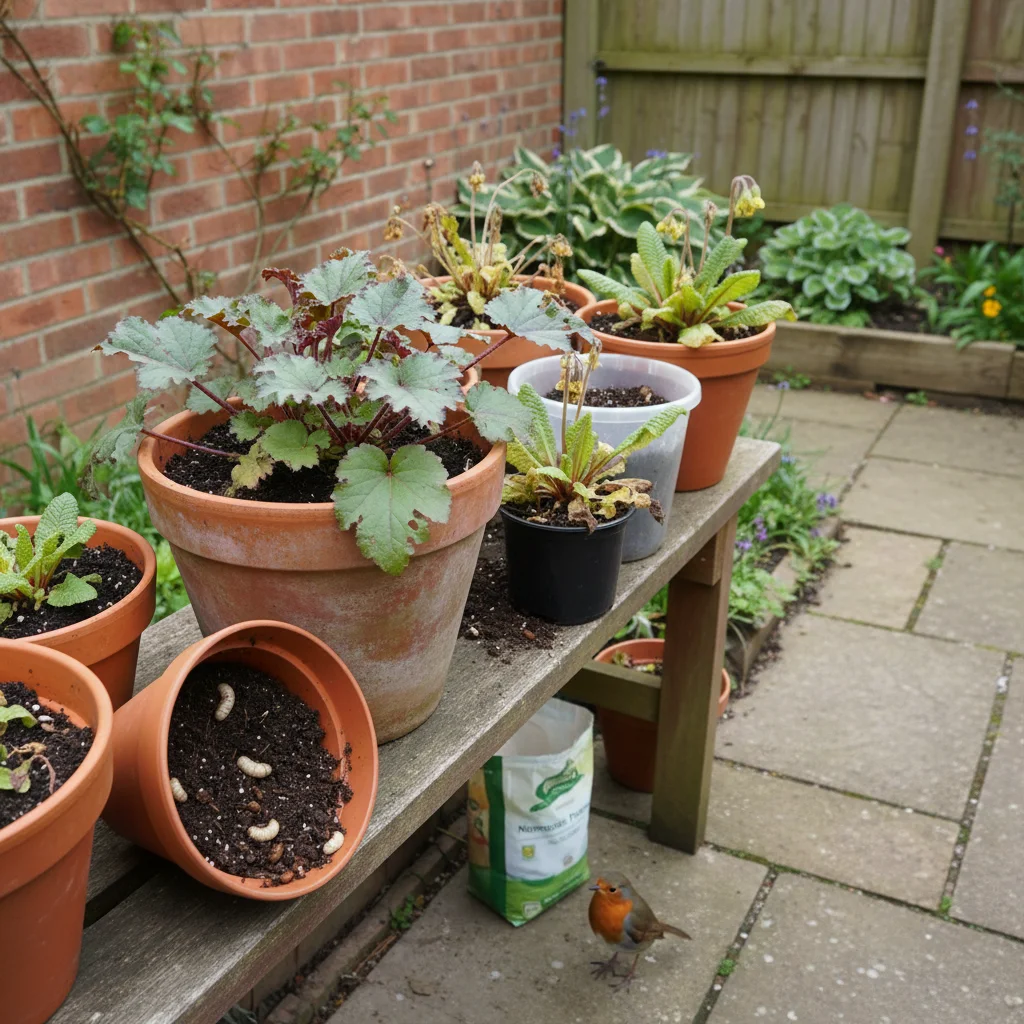
Vine weevils. Just the name sends shivers down the spine of any gardener in the UK. These common pests can wreak havoc on your beloved plants, both indoors and out. But before you reach for harsh chemicals, let's explore some effective, natural ways to combat these garden invaders.
Identifying Vine Weevil Damage
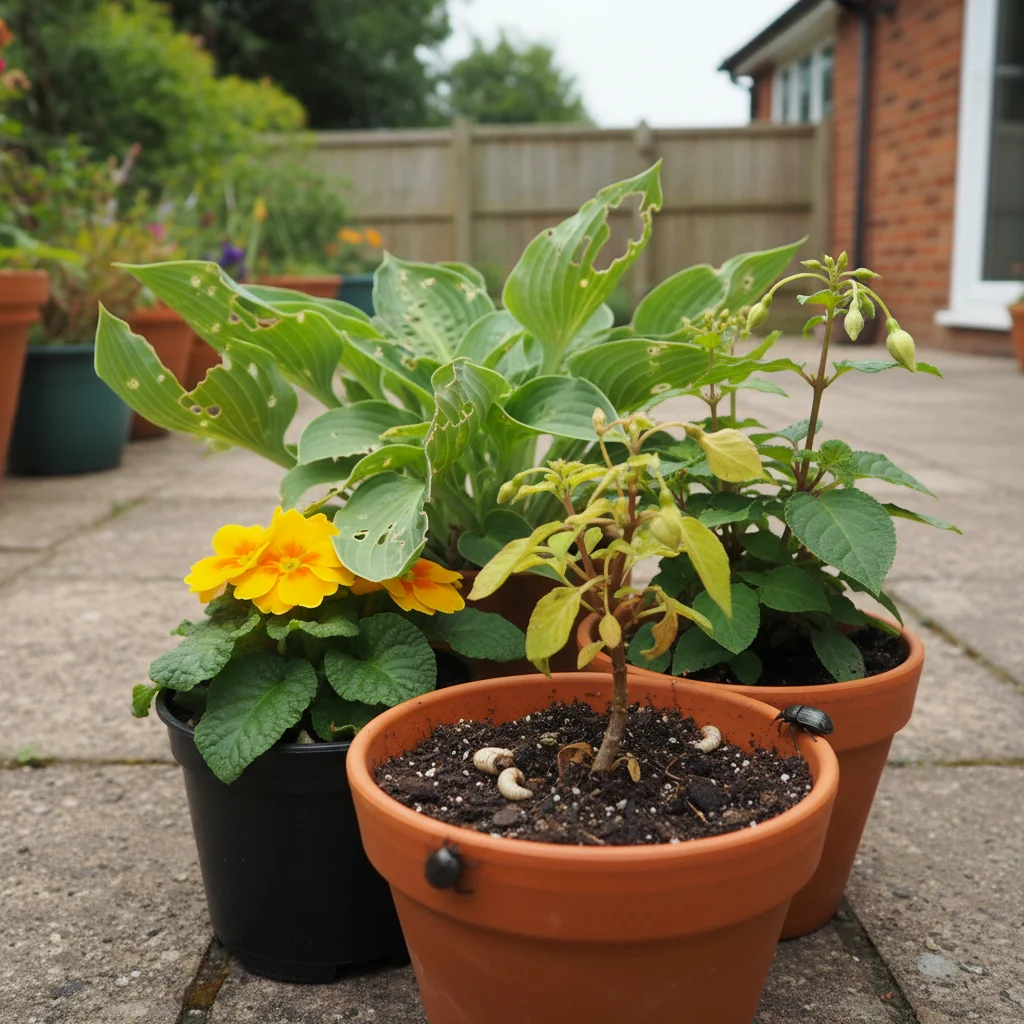
Knowing what to look for is the first step in tackling any pest problem. Adult vine weevils are nocturnal beetles that munch on leaves, leaving tell-tale notches around the edges. While this damage is unsightly, it's the larvae that cause the most significant problems. These creamy-white, legless grubs feed on plant roots, often leading to wilting, stunted growth, and even plant death. Check pots for small, white grubs when plants start to look unhealthy.
You'll typically see adult vine weevils between late spring and early autumn. Larvae are active in the soil for most of the year, especially in milder winters.
Natural Vine Weevil Control Methods
Fortunately, there are several organic and natural methods you can use to keep vine weevils at bay. Here are a few of my go-to strategies:
-
Nematodes: These microscopic worms are natural parasites of vine weevil larvae. Simply mix the nematodes with water and apply them to the soil around affected plants. This is most effective when soil temperatures are above 12°C (54°F), typically from late summer to early autumn.
-
Encourage Natural Predators: Birds, frogs, and hedgehogs are all natural predators of vine weevils. Create a welcoming habitat for these creatures in your garden. A pond, a log pile, and plenty of dense shrubs will provide shelter and food sources.
-
Handpicking: A simple, but effective method, especially for smaller infestations. Go out with a torch at night and pick off the adult weevils from your plants. Drop them into a bucket of soapy water to dispose of them.
-
Sticky Traps: Place sticky traps around your plants to catch adult weevils as they move around. Yellow traps are particularly effective.
Repotting and Soil Care
If you suspect vine weevil larvae are present in your pots, repotting is a good option.
- Carefully remove the plant from its pot and gently shake off as much soil as possible.
- Inspect the roots for larvae and remove any you find.
- Wash the roots gently with water to remove any remaining soil.
- Repot the plant in fresh, peat-free compost. Peat-free compost is better for the environment, helping to preserve valuable peat bogs.
Good soil health is crucial for plant resilience. Healthy plants are better able to withstand pest attacks. Amend your soil with plenty of organic matter, such as well-rotted compost or manure. This will improve drainage, aeration, and nutrient content. Remember that healthy soil means healthy plants.
Choosing Resistant Plants
Some plants are more resistant to vine weevil damage than others. Consider planting these in your garden to reduce the risk of infestation:
- Hardy Geraniums: These tough plants are generally less susceptible to vine weevil attack.
- Heucheras: These colourful foliage plants are also relatively resistant.
- Foxgloves: While vine weevils may nibble on the leaves, they rarely cause significant damage.
Preventing Future Infestations
Prevention is always better than cure. Here are a few tips to help prevent future vine weevil infestations:
- Check New Plants: Before planting any new plants in your garden, carefully inspect them for signs of vine weevil damage or larvae.
- Good Hygiene: Keep your garden clean and tidy. Remove fallen leaves and other debris where vine weevils can hide.
- Crop Rotation: If you grow vegetables, rotate your crops each year to prevent vine weevils from building up in the soil.
When to Consider Professional Help
While natural methods are often effective, sometimes a severe infestation may require professional help. If you've tried all the above methods and are still struggling to control vine weevils, consider contacting a qualified pest control specialist. They may be able to offer more targeted treatments.
Don't let vine weevils ruin your gardening efforts. By using these natural and organic methods, you can protect your plants and enjoy a beautiful, thriving garden. Now is the perfect time to inspect your plants and get started on your vine weevil control strategy for the year.