Growing your own food shouldn't feel like an expensive hobby that requires a massive plot of land and a shed full of specialised equipment. Many of us are gardening on balconies, tiny patios, or even just a wide windowsill in a flat. When space is at a premium and the cost of living keeps rising, finding ways to expand your harvest for free is a total game-changer.
We often think that every single plant in the veggie patch has to start from a packet of seeds, but nature is far more generous than that. Many of the most popular vegetables and herbs can be "cloned" using simple propagation techniques like root and leaf cuttings. It is a bit like magic; you take a small piece of a plant you already have, or even a bit of shop-bought produce, and turn it into an entirely new, productive plant.
This approach is perfect for urban gardeners because it saves us the faff of starting delicate seedlings that might get leggy in low-light flats. Instead, you are starting with a robust piece of an established plant that already has the "blueprint" for success. Whether you want to fill a few more pots on the balcony or just want to see if you can grow a lifetime supply of mint from one supermarket bunch, propagation is the way to go.
Why we love free plants
There is a particular satisfaction in knowing you haven't spent a penny to increase your food security. In the city, we often pay a premium for organic herbs and fresh greens, so being able to multiply them at home is a massive win for the kitchen budget. Beyond the savings, propagating from cuttings allows you to bypass the most vulnerable stage of a plant's life: the germination of a tiny seed.
Cuttings are essentially clones, meaning the new plant will have the exact same characteristics as the parent. If you have a rosemary bush that survived a harsh London winter on a draughty balcony, taking a cutting ensures your new plant has those same tough "city-hardy" genes. It is a reliable way to keep your favourite varieties going year after year without having to hunt down the same seed packets.
For those of us with limited space, propagation is also a brilliant way to manage our "garden" size. You don't need to start a whole tray of forty seeds when you only have room for two more pots of basil. You can just take two cuttings when you need them. It keeps the process manageable, tidy, and perfectly scaled to the size of a window box or a small collection of containers.
How to take root cuttings
Root cuttings are one of the most overlooked ways to grow new vegetables, especially for hardy perennials that can live for years. This method involves taking a small section of the root from a dormant plant and encouraging it to grow new shoots. In the UK, the best time to do this is between late autumn and early spring, when the plant is resting and won't mind a bit of a root trim.
Vegetables like horseradish and sea kale are perfect candidates for this. If you have a friend with an allotment, or if you’ve managed to grow a pot of horseradish on your patio, you only need a piece of root about the thickness of a pencil. You simply dig down, snip off a 5-10cm section, and you are ready to start a new plant.
When you take the cutting, make sure you remember which end is the "top" (the bit that was closest to the surface). A good trick is to cut the top straight across and the bottom at an angle. This ensures you don't accidentally plant it upside down, which is a common mistake that leads to the cutting rotting away in the soil.
Once you have your root sections, you can tuck them into small pots of compost. For urban gardeners, using a mix of multipurpose compost and a bit of grit or perlite is ideal to ensure good drainage. If you are growing on a balcony, remember that pots can get waterlogged easily in the British winter, so keeping these cuttings in a sheltered spot or under a simple clear plastic cover will help them settle in without drowning.
Growing from leaves and stems
While root cuttings are great for hardy perennials, stem and leaf cuttings are the bread and butter of the urban herb garden. Most of our favourite Mediterranean herbs, like basil, mint, and rosemary, are incredibly easy to propagate this way. You can often do this right in your kitchen using nothing more than a glass of water and a bit of sunlight.
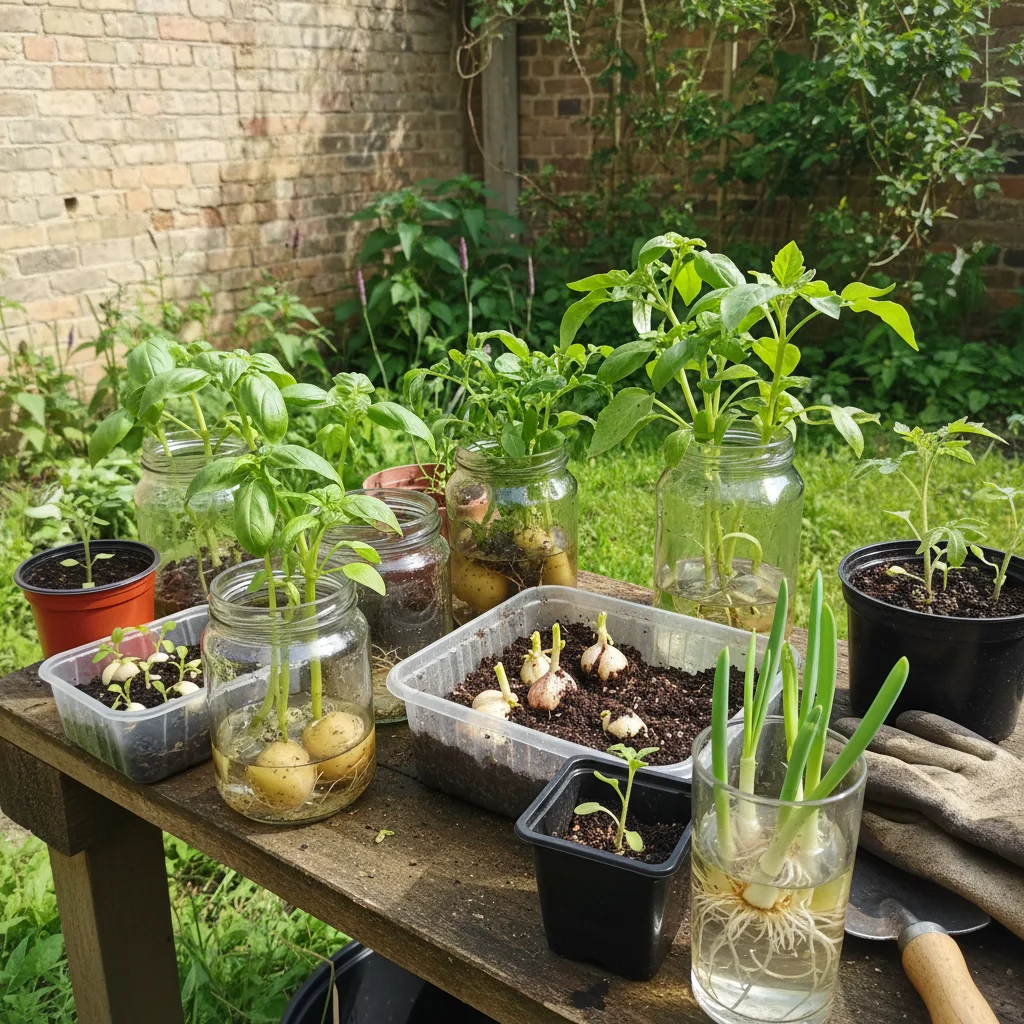
Mint is perhaps the easiest plant to start with if you are new to this. If you buy a bunch of fresh mint from the greengrocer, pick the strongest-looking stems and strip off the bottom leaves. Pop them in a jar of water on a bright windowsill, and within a week or two, you will see white roots begin to sprout. Once the roots are a few centimetres long, you can pot them up into a container.
Basil works in a very similar way. If you have a pot of basil that is starting to get a bit leggy, snip off the top 10cm of a stem, just above a leaf node. Remove the lower leaves so you have a clean stem to put in water. This actually helps your original plant become bushier while giving you a brand new plant for free. It is a fantastic way to keep a continuous supply of pesto ingredients growing in a small kitchen.
For woodier herbs like rosemary or thyme, the process is slightly different. These usually prefer to be put straight into a pot of gritty compost rather than water. You want to take "semi-ripe" cuttings in late summer or early autumn. These are stems that are green at the tip but starting to turn brown and woody at the base. They take a bit longer to root than mint, but they are incredibly rewarding once they take hold.
What you need to get started
One of the best things about this type of gardening is that you don't need a fancy potting shed or a greenhouse. Most of us can find everything we need in our kitchen cupboards or a small storage box under the sink. We want to keep things simple and avoid unnecessary clutter in our limited living spaces.
To get the best results, you only need a handful of basics. Having these ready means you can take a cutting the moment you see a healthy bit of growth or bring home some fresh produce from the market.
- A sharp pair of kitchen scissors or a clean craft knife for clean cuts.
- Small pots or upcycled yogurt pots with holes poked in the bottom.
- A bag of peat-free multipurpose compost mixed with a little sand or grit.
- Clear glass jars for water-rooting your soft herbs.
- Large clear freezer bags to act as "mini-greenhouses" for your pots.
- A sunny windowsill that gets at least a few hours of light a day.
Cleanliness is quite important here. Because you are essentially creating an open wound on the plant, using clean tools helps prevent rot or disease from setting in. If you are using old pots, give them a quick scrub with warm soapy water before you start. It is a small step that makes a big difference in the success rate of your little clones.
Best vegetables for small spaces
Not every vegetable is a good candidate for propagation from cuttings, especially if you are working with the weight limits of a balcony or the narrow ledge of a window. We want to focus on plants that offer a high yield for a small amount of root space. Herbs are the obvious choice, but there are a few surprising vegetables that work brilliantly too.
Tomatoes are a fantastic example. Many gardeners don't realise that the "suckers" or side-shoots you pinch out to keep the plant tidy can actually be turned into entirely new tomato plants. If you find yourself with a side-shoot that has grown a bit too large, don't throw it away. Pop it in a glass of water, and it will grow roots faster than almost any other plant. This is a great way to get a "late" crop of tomatoes if your first plants had a bit of a slow start.
Spring onions and leeks are also incredibly easy to grow without seeds. When you use them in the kitchen, save the bottom 2-3cm where the hairy roots are. Stand them in a shallow dish of water, and within days, you will see new green growth shooting up from the centre. While they won't grow back to a massive size forever, you can get several extra harvests out of them before they need replacing.
Leafy greens like Romaine lettuce and bok choy can be treated the same way. By keeping the base of the plant in a small amount of water, you can encourage a fresh flush of tender leaves. This is perfect for a quick salad garnish and takes up virtually no space on a kitchen counter. It is a great way to reduce food waste while feeling like a pro-gardener.
When to start your cuttings
Timing is everything in the UK climate. Because we deal with fluctuating light levels and the occasional late-spring frost, we need to be mindful of when we ask our cuttings to work their magic. For indoor water-rooting, you can start almost any time from March through to September, as long as your windowsill stays warm.
For root cuttings of hardy perennials like horseradish, the best time is the dormant season. We usually aim for November to February. The plant is sleeping, so it won't be stressed by you taking a piece of its root. By the time the soil warms up in spring, that little root cutting will be ready to burst into life and send up its first leaves.
If you are taking stem cuttings of herbs like rosemary or lavender, late summer (August or September) is the sweet spot. The stems have had all summer to grow but aren't yet fully dormant. This gives them enough time to develop a small root system before the cold British winter sets in. If you live in a particularly cold part of the UK, keeping these young plants indoors or in a very sheltered spot over their first winter is a wise move.
Remember that light is just as important as warmth. In the depths of a London winter, our days are short and often grey. If you are trying to root things in December, they might struggle without a bit of extra help. Waiting until the days start to lengthen in late February usually results in much faster and healthier growth.
Caring for your new plants
Once your cuttings have started to grow roots, they need a bit of "tough love" to transition into proper garden plants. If they have been sitting in a cosy jar of water, moving them into soil can be a bit of a shock. We want to make this transition as smooth as possible so they don't wilt and give up.
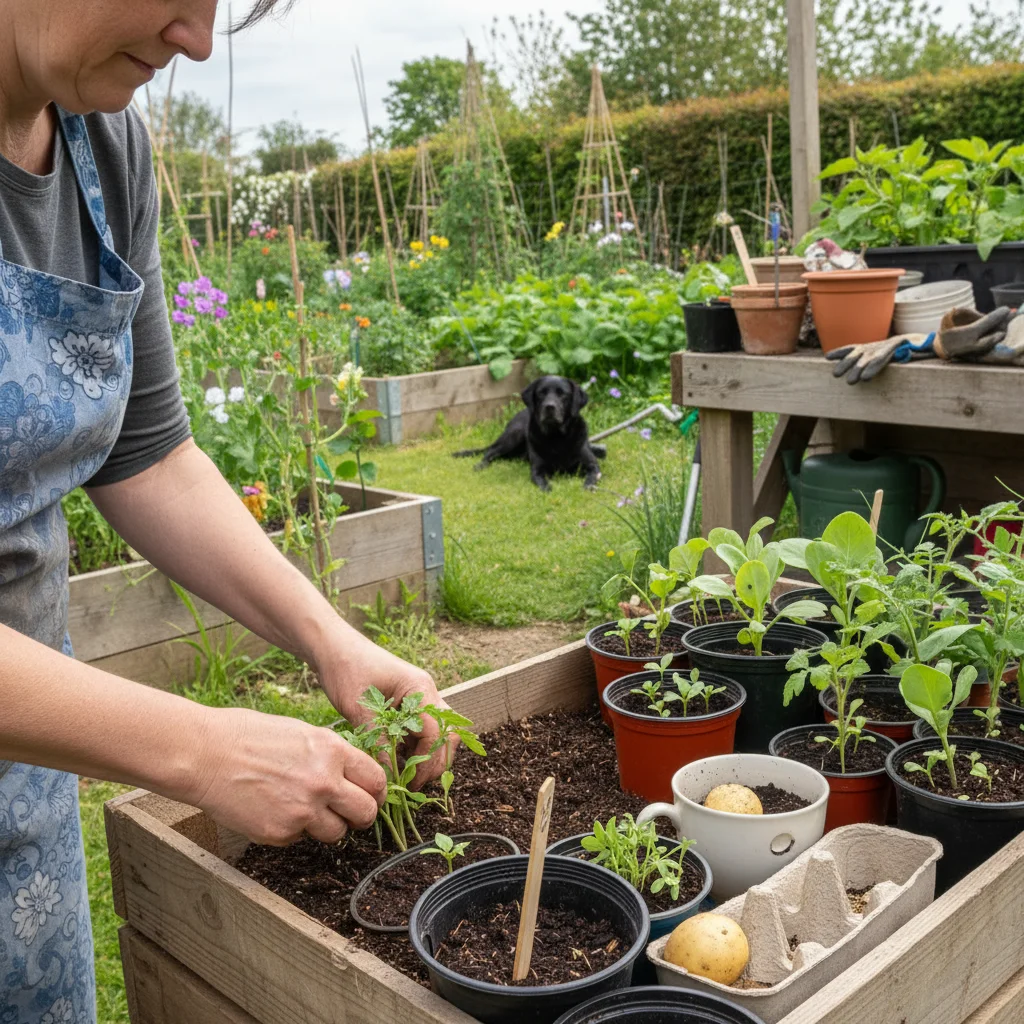
When you first pot up a water-rooted cutting, keep the compost quite damp for the first week. The roots are used to being submerged, so they need time to adjust to drawing moisture from soil. Gradually reduce the watering as the plant becomes more established. This is also the time to move them into their final home, whether that’s a window box or a larger pot on the patio.
For cuttings that are growing in soil under a plastic bag "tent," remember to let them breathe. Every day or two, take the bag off for an hour to let fresh air circulate. This prevents mould and "damping off," which is a common problem in the humid environment cuttings love. Once you see new leaves appearing, you can remove the bag entirely.
Feeding is also important, but don't overdo it. A young plant with a small root system can't handle a lot of heavy fertiliser. Wait until you see significant new growth before giving them a weak liquid feed. In an urban environment, where we often use smaller pots, the nutrients in the compost can get used up quickly, so a regular, light feed during the summer months will keep your clones productive.
Solving common propagation problems
Even the most experienced gardeners have cuttings that fail to take. It is part of the process, and it shouldn't discourage you. In a city environment, the most common issues are often related to light, air circulation, and temperature fluctuations. If your cutting turns mushy and brown at the base, it is likely a sign of rot caused by too much water or poor drainage.
If your cuttings look healthy but just aren't growing roots, they might be too cold. Most stem cuttings need a bit of "bottom heat" to get going. Moving your pots to a spot above a radiator (not directly on it!) can sometimes provide that extra bit of warmth that triggers root growth. Just keep an eye on the moisture levels, as radiators can dry out small pots very quickly.
Another common issue is "flagging" or wilting. This usually happens because the cutting is losing water through its leaves faster than it can take it up through the (currently non-existent) roots. This is why we remove some of the larger leaves and use a plastic bag cover to keep the humidity high. If your cutting wilts, try misting it with a bit of water and ensuring it isn't in direct, scorching sunlight while it is trying to establish itself.
Finally, keep an eye out for city pests. Aphids love the tender new growth of a fresh cutting. Because our balconies and windowsills are often a bit of an oasis for wildlife, these little sap-suckers can find your plants surprisingly quickly. A simple spray of water or a gentle rub with your thumb is usually enough to keep them in check on a small scale.
Your next steps for a free harvest
The best way to learn propagation is simply to give it a go. Next time you are preparing dinner, look at those herb stalks or the base of your spring onions with a new perspective. Instead of tossing them into the food waste bin, pop them into a jar of water and see what happens. It is a low-risk, high-reward way to dip your toes into the world of gardening without needing a huge budget or a sprawling lawn.
As you get more confident, you can start swapping cuttings with neighbours or friends. It is a brilliant way to build a community and diversify your little urban farm. Before long, you will have a balcony or windowsill overflowing with fresh, home-grown food, all from plants that didn't cost you a single penny in seeds. Start with one sprig of mint today, and by mid-summer, you could be harvesting your own fresh tea every single morning.