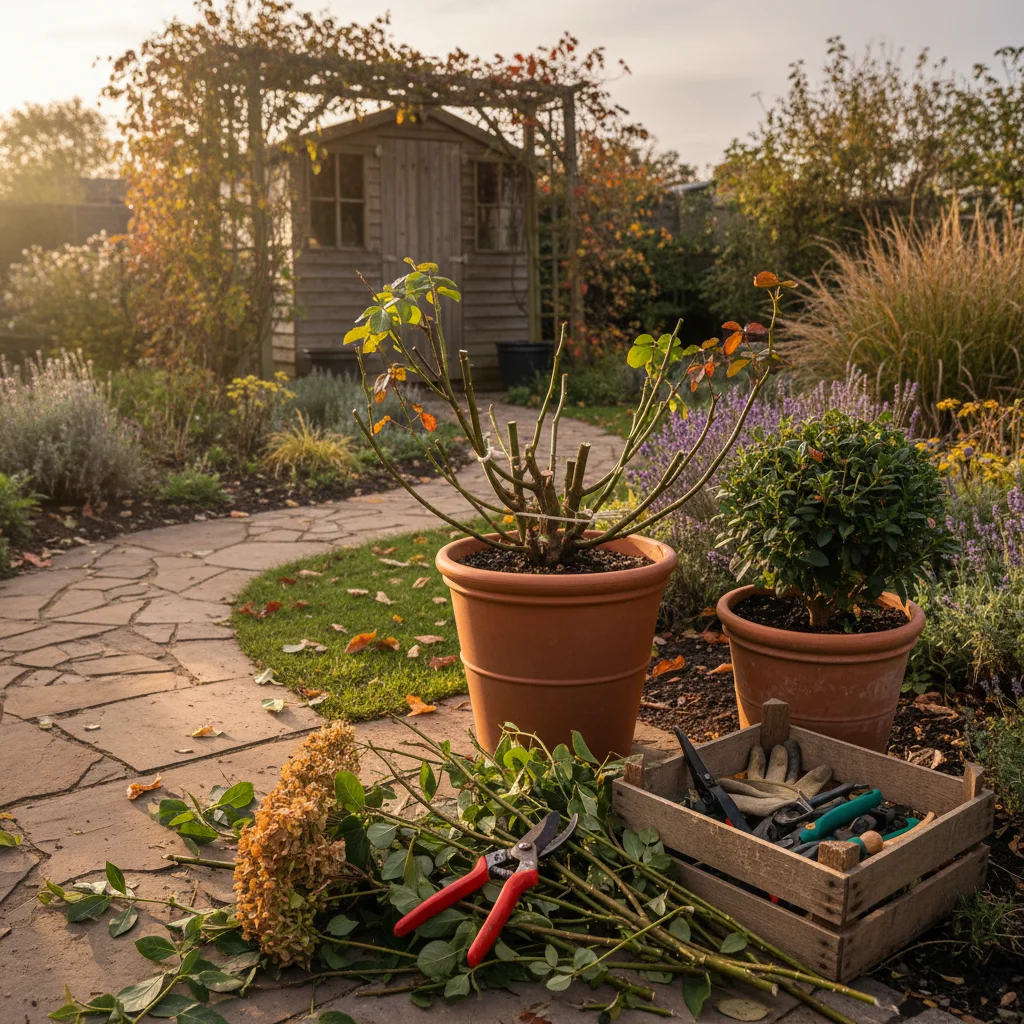
Autumn is a busy time in the garden, with harvests to gather and leaves to clear. But it's also a crucial period for pruning, setting the stage for strong growth and abundant blooms next spring. Knowing which plants to prune now, and how to do it correctly, can make all the difference to the health and vigour of your garden.
Pruning in autumn isn't just about tidying up; it's about stimulating new growth, improving air circulation, and removing dead or diseased wood that could harbour pests and diseases over winter. Plus, a good prune now can save you time and effort in the busy spring months.
Why Prune in Autumn?
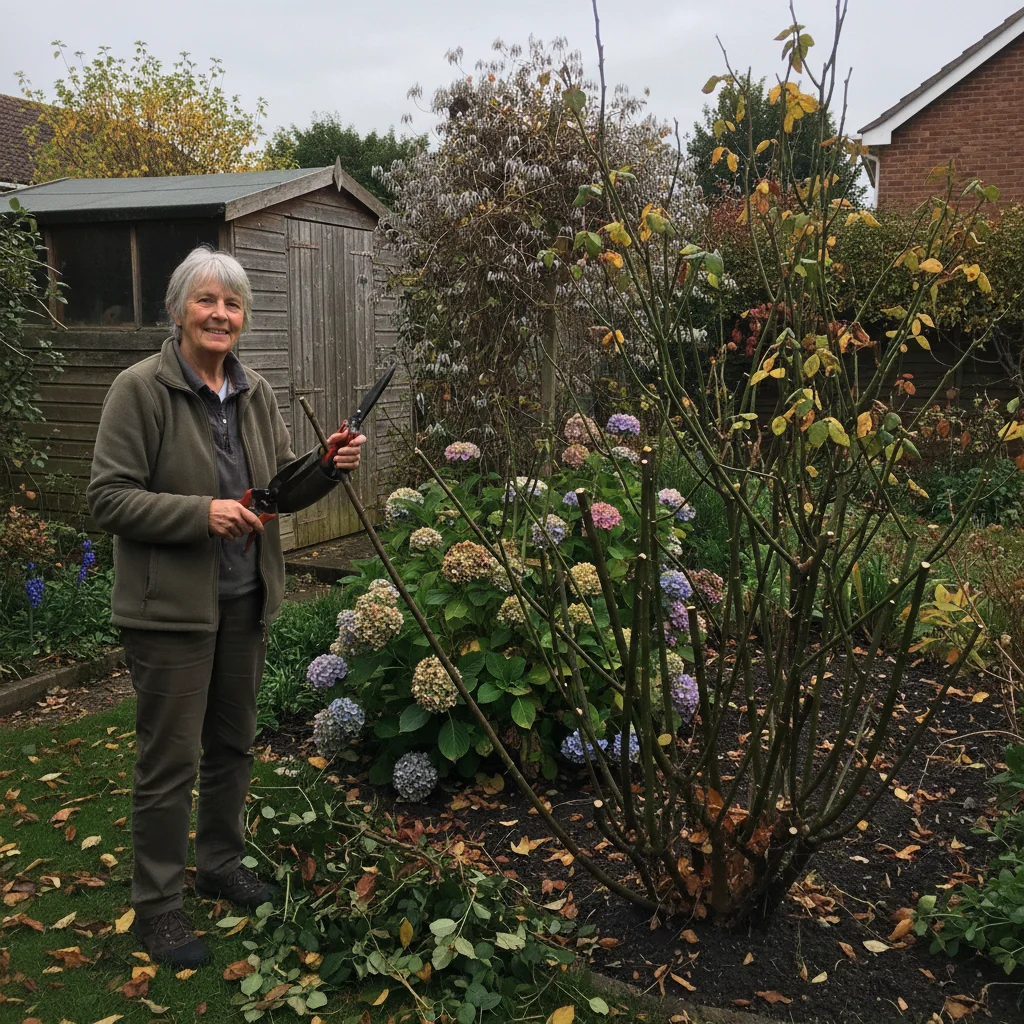
Autumn pruning offers several key benefits. Firstly, many deciduous trees and shrubs are dormant during this period, meaning they are less likely to bleed sap or be stressed by pruning cuts. This allows them to heal more effectively before the onset of harsh winter weather.
Secondly, removing dead, damaged, or diseased growth now prevents these problems from worsening over winter and potentially spreading to healthy parts of the plant. It also improves air circulation within the plant, reducing the risk of fungal diseases. Finally, autumn pruning can help to shape plants and encourage more compact growth, leading to better flowering or fruiting in the following season.
What to Prune in Autumn
Knowing which plants to prune in autumn is essential. Some plants benefit greatly from an autumn trim, while others are best left until spring. Here are some common garden plants that respond well to autumn pruning:
- Fruit trees (apples, pears): Prune established fruit trees to remove dead, diseased, or crossing branches. This improves air circulation and light penetration, leading to better fruit production.
- Bushes (gooseberries, currants): Remove old wood to encourage new growth and improve fruit yield.
- Climbing roses: Prune climbing roses after they have finished flowering to maintain their shape and encourage new blooms next year.
- Summer-flowering shrubs ( Buddleja, Lavatera): These can be pruned back hard to encourage bushier growth and more flowers next year.
- Hydrangeas (Hydrangea paniculata): These can be lightly pruned to remove spent flowerheads.
What NOT to Prune in Autumn
Just as important as knowing what to prune is knowing what not to prune. Avoid pruning spring-flowering shrubs in autumn, as you risk removing the flower buds that have already formed for next year's display. These include:
- Spring-flowering shrubs (forsythia, lilac, rhododendrons): Pruning these in autumn will remove next year's flower buds.
- Tender plants: These are best left unpruned until spring, as pruning can make them more vulnerable to frost damage.
Essential Pruning Tools
Having the right tools for the job makes pruning easier and more effective. Here are some essential tools for autumn pruning:
- Secateurs: For small branches and stems up to about 2cm in diameter. Choose bypass secateurs for a clean cut that avoids crushing the stem.
- Loppers: For thicker branches, up to about 5cm in diameter. Loppers provide more leverage than secateurs.
- Pruning saw: For branches thicker than 5cm. Choose a saw with a sharp blade that cuts on the pull stroke.
- Gloves: To protect your hands from thorns and scratches.
- Eye protection: To protect your eyes from flying debris.
Always ensure your tools are clean and sharp to prevent the spread of disease. Sharpening your blades regularly will also make pruning easier and less tiring.
Pruning Techniques: The Basics
Before you start pruning, take a moment to assess the plant and identify any dead, damaged, or diseased branches. Remove these first, cutting back to healthy wood. When pruning, always make clean cuts at a slight angle, just above a bud or branch junction. This encourages new growth in the desired direction.
Making the Cut
The angle of your cut is important. Aim for a 45-degree angle, sloping away from the bud. This allows water to run off the cut surface, preventing rot and encouraging the bud to grow outwards. Avoid cutting too close to the bud, as this can damage it. Also, avoid leaving a long stub, as this can become a breeding ground for pests and diseases.
Dealing with Larger Branches
When pruning larger branches, use a three-cut technique to prevent the bark from tearing. First, make a cut on the underside of the branch, a short distance from the main stem. Then, make a second cut on the top of the branch, slightly further out than the first cut. The branch should now fall away, leaving a short stub. Finally, make a third cut just outside the branch collar (the swollen area where the branch joins the main stem) to remove the stub.
Preparing Your Garden for Winter
Autumn pruning is just one aspect of preparing your garden for winter. Here are some other essential tasks to consider:
- Clear fallen leaves: Rake up fallen leaves from lawns and borders. Compost healthy leaves or use them as a mulch to protect plant roots. Diseased leaves should be disposed of to prevent the spread of infection.
- Protect tender plants: Wrap tender plants in horticultural fleece or move them indoors to protect them from frost.
- Mulch borders: Apply a thick layer of mulch around the base of plants to insulate the soil and suppress weeds. Use organic mulches such as compost, bark chips, or leaf mould.
- Clean and store tools: Clean and sharpen your gardening tools before storing them away for the winter. This will ensure they are ready for use in the spring.
- Plant spring bulbs: Autumn is the perfect time to plant spring-flowering bulbs such as tulips, daffodils, and hyacinths.
- Improve Soil: Autumn is a great time to dig in well-rotted manure or compost to improve soil structure and fertility. This will give your plants a head start in the spring. Improving your soil health is always a great idea.
Composting Green Waste
Don't forget to compost the green waste generated from your autumn pruning and garden tidy-up. Composting is a great way to recycle organic matter and create a valuable soil amendment for your garden. Aim for a good balance of "greens" (nitrogen-rich materials like grass clippings and vegetable scraps) and "browns" (carbon-rich materials like leaves and shredded cardboard). Turn your compost heap regularly to aerate it and speed up the decomposition process. If you don't have space for a traditional compost heap, consider using a worm composter or bokashi bin.
By following these tips, you can ensure your garden is well-prepared for winter and ready to flourish next spring. Taking the time to prune correctly and protect your plants now will pay dividends in the form of healthier, more productive plants in the future. So, get out there, get pruning, and enjoy the satisfaction of knowing you're setting your garden up for success!