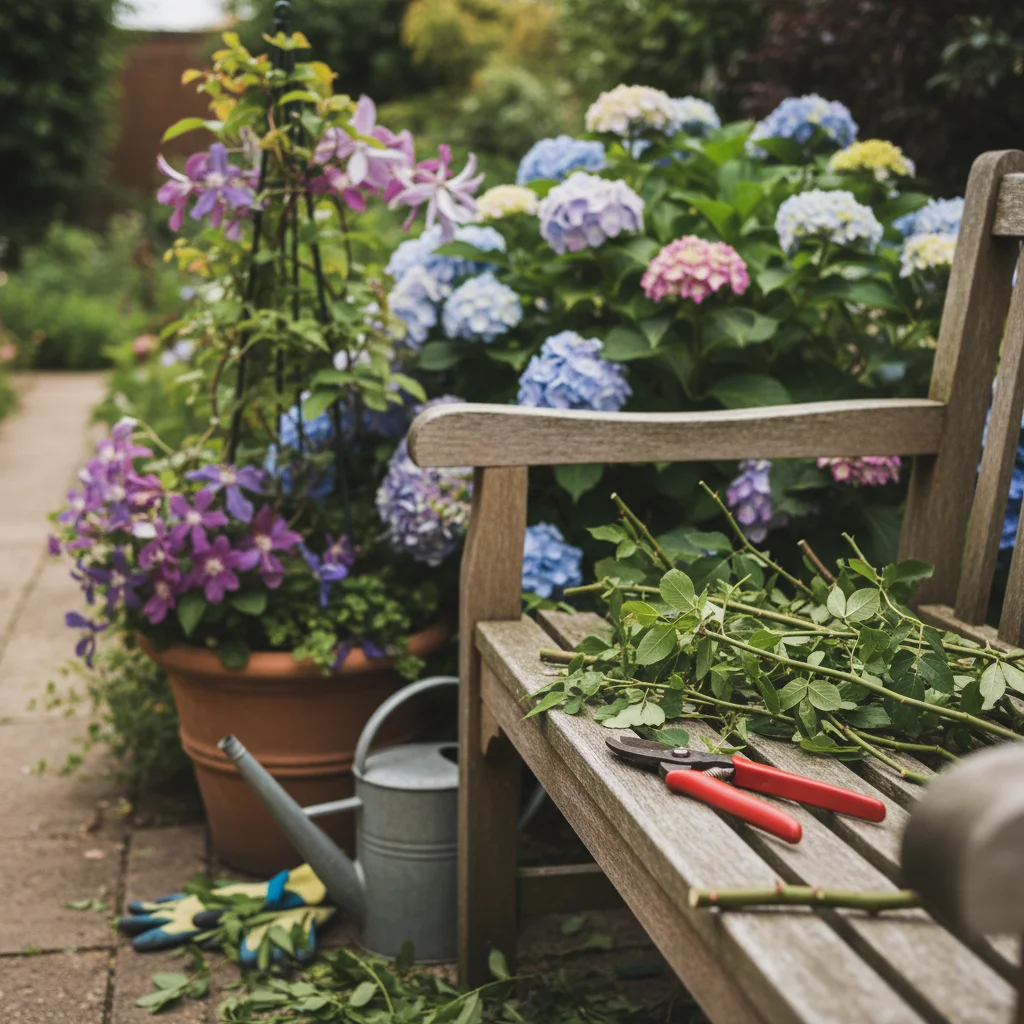
Many gardeners view pruning with a sense of trepidation, as if one wrong snip might spell the end for a prize specimen. I have spent years in historic gardens, and I can assure you that most shrubs are far more resilient than we give them credit for. Think of pruning not as a risky surgical procedure, but as a necessary and invigorating haircut that keeps your plants in peak condition.
When we prune, we are essentially communicating with the plant, directing its energy where we want it to go. By removing certain stems, we encourage the shrub to produce more flowers, develop a stronger framework, or simply fit better within the space we have allocated for it. Once you understand the basic principles behind why and how a plant grows, those shears will feel much less like a threat and more like the essential tool they are.
Beyond aesthetics, pruning is a fundamental part of responsible gardening and plant health. It allows more light and air to penetrate the centre of the shrub, which reduces the risk of fungal diseases and ensures that the inner foliage doesn't die off. In our damp UK climate, maintaining good airflow through a plant's canopy is often the difference between a thriving shrub and one plagued by mildew or rot.
Why we pick up the secateurs
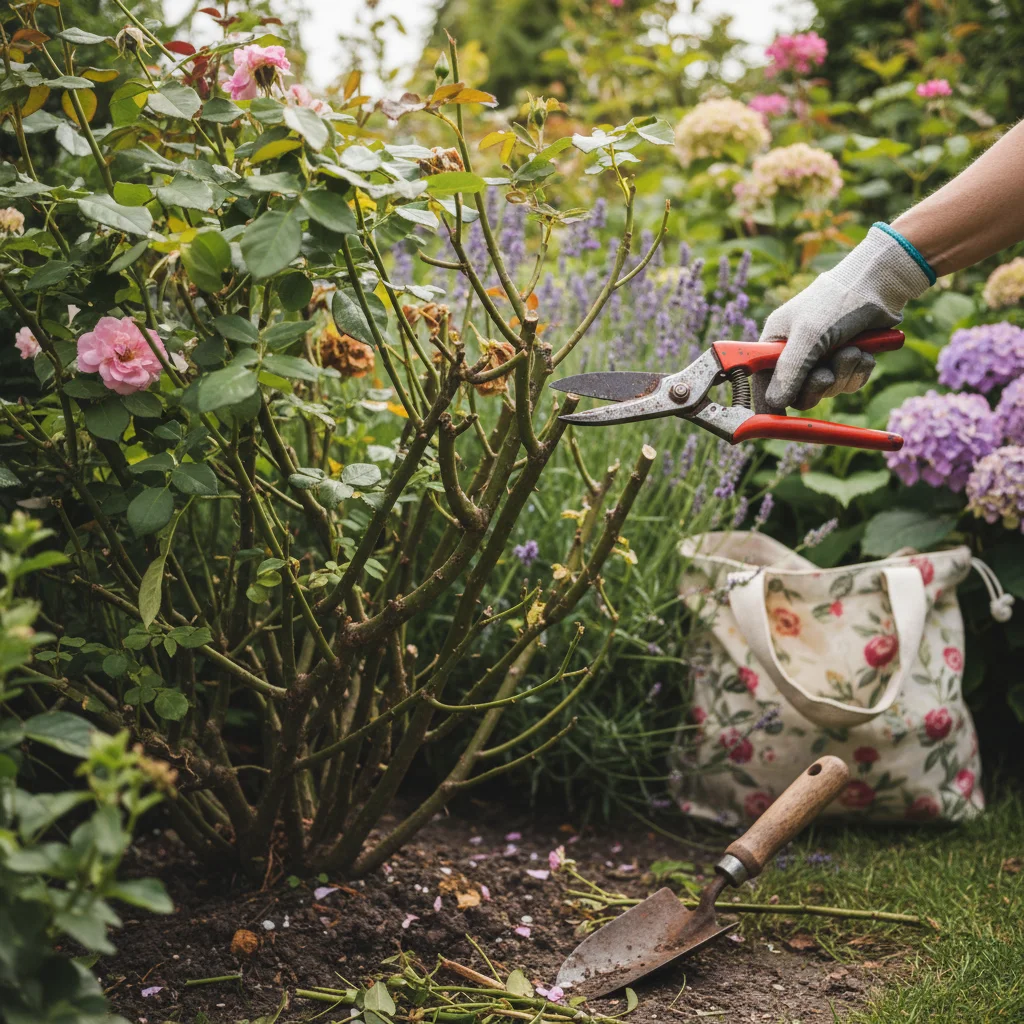
The primary reason to prune is to maintain the health of the plant by removing the "Three Ds" which stand for dead, damaged, and diseased wood. Removing these parts prevents decay from spreading into the main body of the shrub and stops opportunistic pests from taking up residence. It is the first thing I look for whenever I approach a plant, regardless of the season or the specific variety.
We also prune to encourage better displays of flowers or colourful winter stems. Many shrubs, such as the butterfly bush or certain dogwoods, produce their best features on new growth that has emerged within the current year. By cutting back the old, tired wood, we stimulate the plant to produce vigorous new shoots that will carry a much heavier load of blooms or more vibrant bark.
Finally, pruning helps us manage the size and shape of our garden inhabitants. In a smaller suburban garden, it is easy for a vigorous shrub to outgrow its welcome and begin overhanging a path or shading out smaller perennials. Regular, light pruning keeps these plants in check and ensures they remain a harmonious part of the garden design rather than a dominant force that requires drastic action later.
The essential kit for the job
You do not need a shed full of expensive machinery to prune effectively, but you do need a few high-quality manual tools. I always recommend investing in the best you can afford, as cheap blades tend to crush stems rather than cutting them cleanly. A clean, sharp cut heals much faster and is far less likely to become an entry point for disease.
Before you start any job, take five minutes to check the state of your blades. I keep a small sharpening stone and a rag with some light oil in my pocket to touch up the edges as I work. It is also vital to clean your tools with a mild disinfectant if you have been working on a plant that looks sickly, as this prevents you from inadvertently spreading pathogens across your entire garden.
To get started, you will generally only need a small selection of items:
- Bypass secateurs: These work like scissors with two blades passing each other, making them ideal for clean cuts on live wood.
- Anvil secateurs: These have a single blade that closes onto a flat base, which is better for gripping and crushing through tough, dead wood.
- Loppers: Essentially secateurs with long handles, these provide the leverage needed for thicker branches that are too wide for a hand tool.
- Pruning saw: A small, curved saw is indispensable for removing large branches where loppers might struggle or tear the bark.
Understanding when to prune
Timing is perhaps the most confusing aspect of pruning for beginners, but it becomes simple once you look at when the plant flowers. If a shrub flowers in the spring, such as Forsythia or Philadelphus, it usually produces those flowers on wood that grew during the previous summer. If you prune these in the winter, you will be cutting off all the flower buds before they have a chance to open.
For these spring-flowering shrubs, the best time to prune is immediately after the flowers have faded. This gives the plant the maximum amount of time to grow new stems and develop buds for the following year. It is a rhythmic cycle that, once understood, ensures you never miss a season of colour in your garden.
Shrubs that flower in late summer or autumn, such as Buddleja or hardy Fuchsias, usually bloom on the current season's growth. These are best pruned in early spring, just as the buds are beginning to swell but before the leaves have fully unfurled. This hard pruning in spring acts as a "reset button," encouraging a flush of fresh, flowering wood that will look spectacular by August.
The anatomy of a perfect cut
When you make a cut, you are redirecting the plant's growth hormones, known as auxins, to the next available bud. To do this correctly, you should always look for a healthy bud that is facing in the direction you want the new shoot to grow. Usually, we want the plant to grow outwards to keep the centre open, so we choose a bud that is facing away from the middle of the shrub.
The cut itself should be made about five millimetres above the bud and at a 45-degree angle. The slope of the cut should lead away from the bud, which allows rainwater to run off easily rather than sitting on the cut surface and causing rot. If you cut too close to the bud, you might damage it; if you cut too far away, you leave a "snag" of dead wood that will decay and potentially invite disease.
For older, neglected shrubs, I often employ the "one-third rule" to rejuvenate them without causing too much shock. This involves removing one-third of the oldest, woodiest stems right down to the ground each year over a three-year period. By the end of the third year, you will have a completely refreshed plant composed entirely of young, productive wood, all without ever losing the presence of the shrub in your border.
Handling common garden favourites
Roses are a common source of anxiety, but they are incredibly tough. For bush roses, I aim to create an open "goblet" shape that allows plenty of air to circulate through the centre. I prune them hard in late winter, removing any spindly growth and cutting the main stems back to an outward-facing bud. This prevents the leaves from rubbing together, which is a primary cause of black spot and other common rose ailments.
Lavender is another plant that people often struggle with, usually because they wait too long to prune it. Lavender should be trimmed back after flowering in late summer, but you must be careful not to cut into the old, brown, leafless wood. If you go too deep into the old wood, the plant often fails to regrow. A light "haircut" that removes the spent flower stalks and a small amount of the green foliage will keep it neat and prevent it from becoming leggy.
Hydrangeas require a slightly different approach depending on the variety. Mophead and lacecap hydrangeas actually benefit from having their dead flower heads left on over the winter, as these provide a bit of frost protection for the delicate buds lower down the stem. You can then prune them back to the first pair of strong, healthy buds in early spring once the worst of the frosts have passed.
Sustainable waste management
Once the job is done, you will likely be left with a significant pile of woody material. Rather than simply bagging this up for the council to collect, consider how it can benefit your own garden ecosystem. Thin, green prunings can be shredded and added to your compost heap, where they provide the "brown" carbon-rich material needed to balance out nitrogen-heavy grass clippings and kitchen scraps.
Larger branches can be used to create a "dead hedge" or a simple log pile in a quiet corner of the garden. These structures provide vital habitats for beneficial insects, toads, and even hedgehogs, all of which help to keep your garden's pest population in balance naturally. By keeping this organic matter on-site, you are returning nutrients to your own soil and reducing the carbon footprint associated with transporting green waste.
If you have a particularly large amount of woody waste, a garden shredder can turn those branches into a high-quality mulch. Applying a thick layer of these wood chips around the base of your shrubs helps to suppress weeds and retain moisture in the soil during the summer months. It is a circular system that saves you money on commercial bark mulches while improving the health of your soil over time.
Pruning is one of the most rewarding tasks in the garden because the results are so tangible. When you see those first vigorous shoots appearing exactly where you planned, you will realise that you are truly working in partnership with your plants. Take your time, keep your tools sharp, and remember that every cut is a step toward a more vibrant and healthy garden. To get started, take a walk around your garden this weekend with a pair of secateurs and simply look for the "Three Ds"—you will be surprised how much of a difference even a ten-minute tidy-up can make.