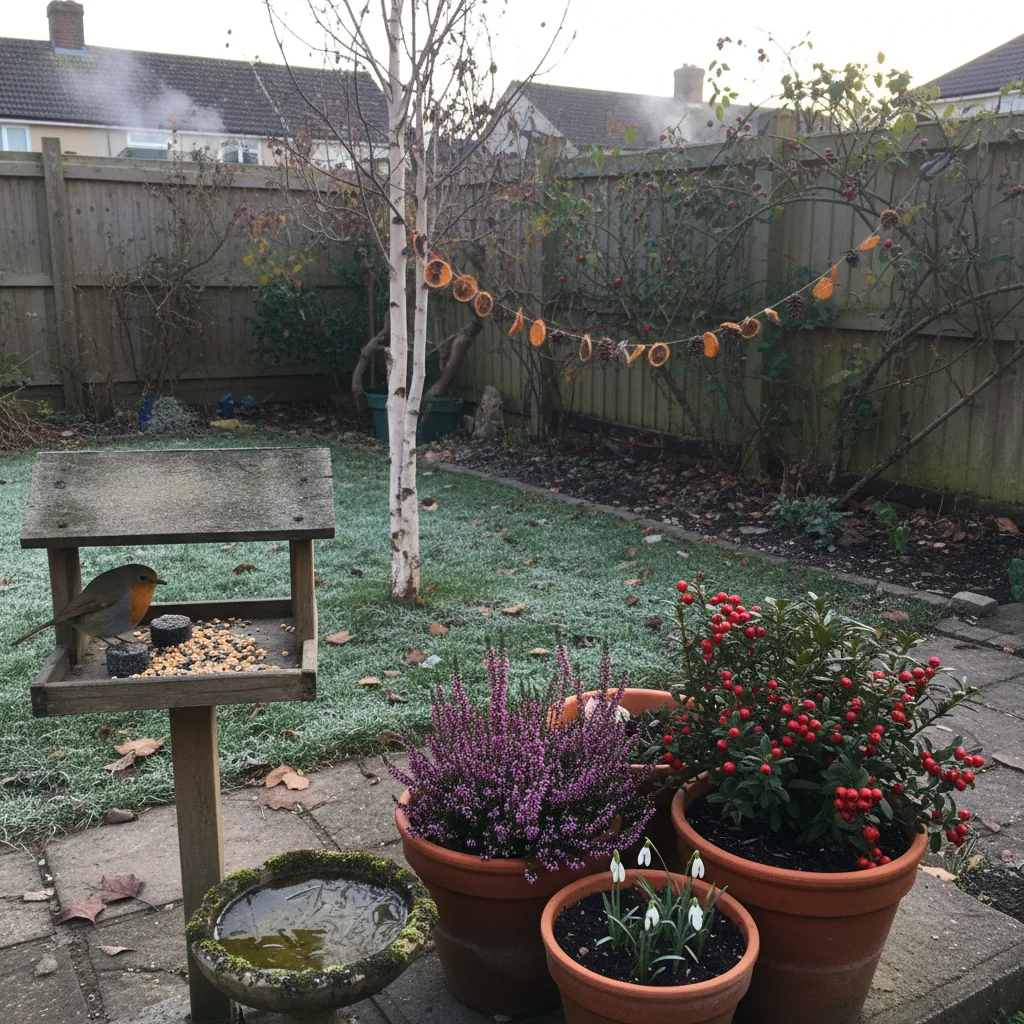
December in the city brings a specific kind of quiet. While we are busy wrapping presents and huddling indoors with the heating turned up, our feathered neighbours are facing their toughest challenge of the year. For those of us with small urban plots, balconies, or even just a wide window sill, this month is the perfect time to step up and offer a helping hand.
You don't need a sprawling country estate or a dense woodland to make a difference to local wildlife. In fact, urban gardens and balconies often act as vital "stepping stones" for birds moving through the concrete jungle in search of calories. When the frost bites and the natural berries in the parks start to dwindle, your small space can become a lifesaving canteen.
Feeding birds in December isn't just about being kind; it’s one of the most rewarding ways to bring life and movement to a grey winter morning. Watching a blue tit navigate a balcony feeder while you drink your morning coffee makes the smallest outdoor space feel like a proper garden.
Why December feeding is different
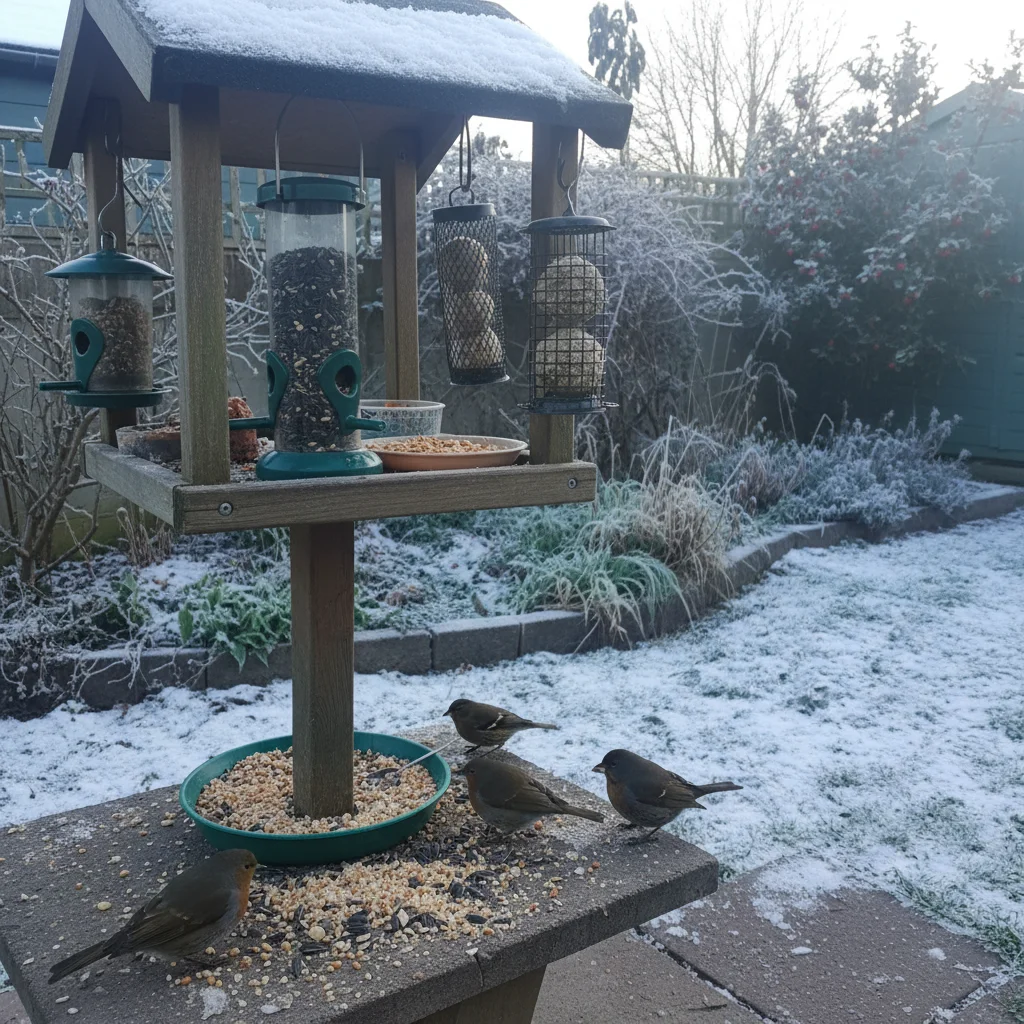
In the peak of winter, birds have very little time to find the energy they need to survive the night. A tiny bird like a goldcrest or a long-tailed tit can lose up to ten per cent of its body weight during a single freezing night. They spend almost every daylight hour foraging, and in December, those daylight hours are at their shortest.
This is why consistency matters more than anything else this month. Once birds find a reliable source of food on your patio or balcony, they will return to it daily. If you forget to top up the feeders during a cold snap, they may waste precious energy visiting your "empty" station.
We also have to consider the lack of natural food in urban environments. While rural birds might find leftover grain in fields, our city birds rely on what we provide and the few ornamental shrubs planted in nearby squares. By providing high-fat options, you are giving them the concentrated fuel they need to keep their tiny hearts beating through the frost.
The best high energy foods for winter
When the temperature drops, skip the cheap cereal-heavy mixes you often find in supermarkets. These are often packed with "fillers" like dried peas or maize that small birds simply can't eat. Instead, focus on calorie-dense options that provide immediate energy without the bird having to work too hard to crack a shell.
Sunflower hearts are the gold standard for small spaces because they are the inner part of the seed with the husk already removed. This means there is zero waste and no messy black shells piling up on your balcony floor or patio. They are packed with essential oils and are loved by almost every garden visitor, from finches to robins.
Suet and fat balls are equally essential in December. These provide the dense animal or vegetable fats that birds can convert quickly into body heat. Just ensure you remove any nylon mesh bags they come in, as birds can easily get their tongues or feet trapped in the netting.
To give your local birds the best chance this month, try offering a variety of these high-fat staples:
- Sunflower hearts: High in protein and calories with no messy husks to clean up.
- Suet blocks or pellets: Excellent for providing concentrated fat during freezing spells.
- Peanut granules: These are crushed peanuts which are safer than whole nuts for smaller birds.
- Niger seeds: Tiny, oil-rich seeds that are the absolute favourite of goldfinches.
- Mealworms: Dried or live, these provide a vital protein boost for insect-eaters like robins.
Feeding from balconies and window sills
One of the biggest myths in gardening is that you need a tree to hang a bird feeder. If you live in a flat with a balcony or only have a window sill to work with, you can still attract a surprising variety of visitors. The key is choosing the right hardware for a small, often windy, environment.
Window feeders are a brilliant invention for urban renters. These clear plastic trays attach directly to the glass with heavy-duty suction cups, allowing you to watch the birds from just inches away. Because they are sheltered by the building itself, the food stays drier for longer, and the birds feel safer from the wind.
For those with a balcony rail, look for "deck feeders" or adjustable clamps that allow you to attach a feeding station without drilling any holes. If you’re worried about mess for the neighbours below, always stick to "no-mess" seed mixes like the sunflower hearts mentioned earlier. You can also buy "seed catchers" that clip onto the bottom of standard hanging feeders to trap any falling debris.
If you are higher up, don't worry about birds finding you. I’ve seen blue tits and even woodpeckers visiting feeders on the tenth floor of London apartment blocks. Birds are used to foraging in the canopy of trees, so your high-rise balcony is just another branch to them.
Keeping the water moving
While we focus heavily on food, water is often the hardest thing for birds to find during a British December. When the birdbaths and puddles freeze over, birds struggle to stay hydrated. Even more importantly, they need water to keep their feathers clean; clean feathers provide much better insulation against the cold than dirty ones.
If you have a small patio, a simple shallow dish of water is enough. On a balcony, a heavy ceramic saucer placed on a table or a dedicated clip-on birdbath will do the trick. The challenge, of course, is the ice.
You don't need any fancy heaters to keep your water station functional. A simple trick is to place a small, light ball (like a ping-pong ball) in the water. Even the slightest breeze will keep the ball moving, which prevents ice from forming across the entire surface. If it does freeze solid, simply pour a little lukewarm water over it to melt a hole—never use salt or antifreeze, as these are lethal to birds.
Try to change the water daily to keep it fresh. In the city, water can quickly become contaminated with dust and grime, so a quick rinse and refill when you’re out watering your winter pansies is all it takes to keep the local wildlife happy.
Natural food from pots and containers
We can supplement the seeds we buy with "living bird feeders" grown in pots. Even if you only have room for a few large containers, you can plant varieties that provide natural forage throughout the winter. This adds a layer of shelter to your space, making birds feel more secure while they eat.
Many birds prefer natural berries to seeds because they provide both hydration and sugar. Shrubs like Skimmia japonica or small varieties of Holly (look for 'Blue Princess' for compact growth) work beautifully in large pots. They offer bright red berries that serve as a festive decoration for you and a feast for blackbirds and thrushes.
If you have a trellis or a balcony rail, consider a compact Pyracantha. While it has thorns (which actually help protect small birds from cats), it produces a massive crop of berries that birds will flock to in late December. These plants are tough, drought-tolerant once established, and perfectly happy in the restricted root space of a container.
To create a truly bird-friendly container display, consider these compact options:
- Skimmia japonica: A shade-tolerant evergreen that produces clusters of red berries.
- Gaultheria mucronata: Also known as prickly heath, it offers large, marble-like berries in winter.
- Compact Cotoneaster: Many varieties stay small and are smothered in red fruits.
- Sarcococca confusa: While the berries are small, the dense evergreen foliage provides vital winter shelter.
- Ivy: If allowed to mature, ivy produces late-season berries that are a lifeline for woodpigeons and blackbirds.
Staying safe and hygienic
In a small garden or balcony, birds are often feeding in closer proximity to each other than they would in the wild. This makes hygiene incredibly important. Diseases like Trichomonosis can spread quickly at dirty feeding stations, so we must be diligent about cleaning.
Once a week, give your feeders a good scrub with a weak disinfectant or a dedicated bird-safe cleaner. Make sure they are completely dry before you refill them, as damp seed can quickly go mouldy and make the birds ill. If you notice a bird looking lethargic or "fluffed up" at your feeder, it’s best to remove the feeders for a couple of weeks to encourage the birds to disperse.
Safety also means thinking about predators. In the city, the main threat is usually the local cat population. If you’re feeding on a patio, ensure your feeders are at least two metres away from low-hanging bushes where a cat could hide. If you’re on a balcony, you’re naturally safer from cats, but keep an eye out for sparrowhawks—they are a natural part of the ecosystem, but a well-placed evergreen pot can give small birds a quick place to hide if a predator swoops by.
Finally, remember the "weight limit" of your balcony. Most modern balconies are very strong, but if you’re planning on adding several large, heavy ceramic pots filled with damp soil and water features, it’s worth checking the layout. Spreading the weight near the walls or over the structural beams is always a sensible approach for any urban gardener.
Making it a December habit
The joy of December bird feeding is that it connects us to the rhythm of the seasons, even in the middle of a busy city. There is something deeply grounding about knowing that the same pair of robins is waiting for you to put out the mealworms every morning. It turns a small patch of concrete or a metal balcony into a living, breathing ecosystem.
Start small if you’re new to this. A single window feeder and a dish of water are all you need to begin. As the birds find you, you can experiment with different seeds or suet recipes. You’ll soon find that the more you provide, the more variety you’ll see, from the bright flashes of goldfinches to the acrobatic displays of blue tits.
By taking these small steps now, you aren't just decorating your home for the holidays; you’re providing a vital lifeline that helps our local wildlife make it through to spring. Grab a bag of sunflower hearts next time you’re out, and see who decides to drop by for breakfast tomorrow morning.